Best Winter Months for Walleye Fishing in Indiana
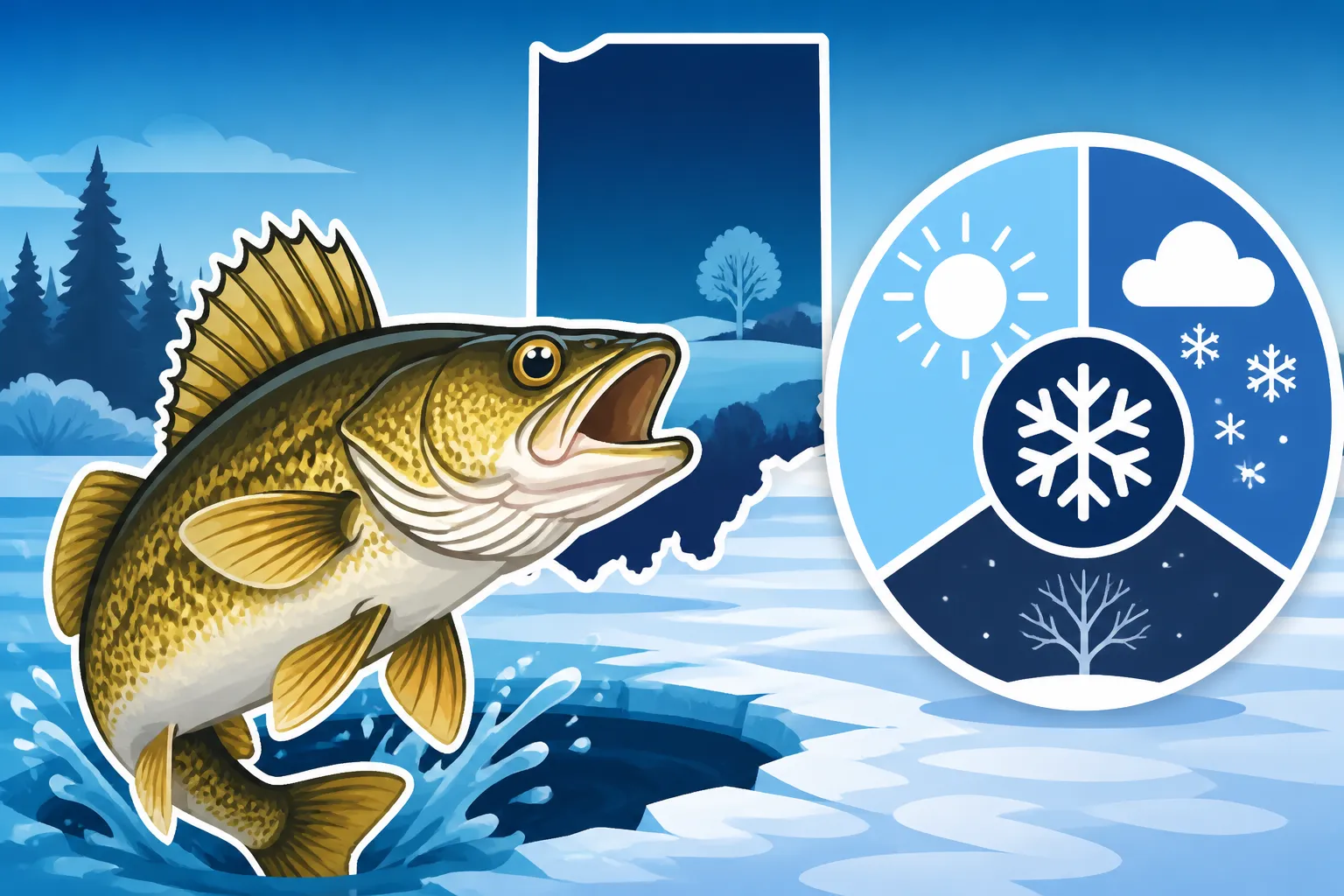
Trying to figure out the best time to target walleye in Indiana during the colder months can feel like a guessing game, especially when you know how much fish behavior changes when the mercury drops. Many anglers pack away their gear once the ice starts to form, missing out on some of the most rewarding walleye action of the year. This comprehensive guide is designed to peel back the layers of winter walleye fishing, revealing the prime months and tactics that will help you land these elusive predators across Indiana's frozen and near-frozen waters.
Understanding Walleye Behavior in Winter
Winter completely transforms the underwater world, and walleye are no exception to these environmental shifts. Their metabolism slows down, their activity levels decrease, and they often school up in specific areas, making them both challenging and incredibly rewarding to target if you know where to look and what to offer. It's a different game than the active bites of spring or the chasing frenzies of fall, but one that can yield some truly impressive catches.
Why Winter Fishing is Different
As water temperatures plummet, typically below 40 degrees Fahrenheit, walleye become more lethargic. Their digestive processes slow, and they don't need to feed as frequently or aggressively as they do in warmer months. This metabolic slowdown means they're less likely to chase down a fast-moving bait. Instead, they often prefer a subtle presentation, something that's easy to intercept with minimal energy expenditure. Think of it like us trying to get motivated on a super cold morning – we're not sprinting for breakfast, are we? This shift in behavior demands a change in strategy from anglers. You can't just throw out a crankbait and expect the same results you'd get in July. It's about patience, precision, and understanding their cold-water holding patterns.
Identifying Prime Winter Walleye Haunts
Walleye in winter are often looking for two main things: stable temperatures and nearby food sources. This usually means they'll gravitate towards deeper water, especially areas with distinct structure. This could be a deep main lake basin, the edge of a submerged creek channel, a steep drop-off, or even rock piles and humps that offer a bit of cover and attract baitfish. Current is another crucial factor, particularly in rivers or reservoirs with moving water. Walleye will often position themselves just out of the main current, in eddies or seams, where food is swept to them with less effort on their part. Finding these specific locations often requires a good fish finder – something you can often find great deals on through online retailers like Amazon – to identify those subtle depth changes and hidden structures that hold winter walleye.
The Best Winter Months for Walleye in Indiana
While winter fishing can be productive throughout the season, certain periods offer distinct advantages for walleye anglers in Indiana. Understanding these nuances can significantly improve your chances of success, whether you're targeting big water or smaller glacial lakes.
Early Winter December Opportunities
December often presents a unique window for walleye anglers in Indiana. In the early part of the month, especially on larger lakes or rivers, you might still find open water, or at least thin, forming ice. This transitional period can be excellent. Walleye are still relatively active as water temperatures hover in the low 40s to upper 30s, but they are beginning to consolidate into deeper, more predictable patterns. For open water anglers, this means focusing on the deep ends of main lake points, channel edges, and steep breaks with slow trolling or vertical jigging. When the first safe ice arrives, usually later in December in northern Indiana, walleye can be surprisingly aggressive. They're still adjusting to the ice cover and can be found feeding along weed lines adjacent to deeper water, or on prominent main lake humps. This is often when you'll hear about some of the first big fish of the ice season being caught, especially in the glacial lakes of Kosciusko and Steuben Counties.
Mid-Winter January-February Strategies
January and February represent the heart of Indiana's ice fishing season, and for many, this is the prime time to chase walleye. The ice is typically at its thickest and most stable during these months, allowing for wider access to many lakes. Walleye during mid-winter are generally found in their deepest holding patterns. They’ll often suspend over deep water basins or hug the bottom along significant structural elements. This is when patience becomes paramount. Bites can be subtle, sometimes feeling like just added weight on your line. Anglers often focus on areas with baitfish concentrations, which can be located with a good fish finder. Consider targeting the deepest sections of lakes like Lake Wawasee or Webster Lake, or the deeper basins of larger reservoirs in central Indiana. The colder the water, the more precise your bait presentation needs to be. This is also when you'll find anglers using specific jigging spoons or deadsticking techniques, often tipped with live minnows, to coax a bite.
Late Winter March Transition
As March rolls around, things start to get interesting again. While ice fishing can still be viable in early March, especially in the northernmost parts of the state, many anglers are already thinking about "ice-out" and the pre-spawn walleye bite. Walleye begin to become more active as water temperatures slowly climb, even if only by a few degrees. They'll start to move shallower, staging in areas near their traditional spawning grounds, which often include rocky points, rip-rap shorelines, or river current breaks. This can be a fantastic time for both ice anglers on thawing lakes and early open-water anglers on rivers and larger reservoirs that shed their ice earlier. The fish are starting to bulk up for the spawn, meaning they can be more willing to hit a larger bait or a more aggressive presentation than they would in the dead of winter. Knowing the optimal water temperature for walleye fishing during this transition can give you a significant advantage.
Essential Winter Walleye Fishing Techniques
Winter walleye fishing demands specific techniques to overcome the fish's lethargy and the challenging conditions. Whether you're standing on solid ice or braving the cold in a boat, a well-chosen strategy is key.
Ice Fishing for Walleye
Ice fishing is arguably the most popular way to target walleye in Indiana during the winter months. The beauty of it lies in the ability to directly present your bait to the fish's depth.
- Vertical Jigging: This is a cornerstone technique. Use jigging spoons, blade baits, or small lipless crankbaits. The key is to jig subtly. A lift of a few inches, followed by a controlled fall, and then a pause is often more effective than aggressive movements. Many strikes occur on the fall or during the pause. Tipping your jig with a minnow head or a small waxworm can add scent and appeal.
- Deadsticking: Often used in conjunction with jigging, a deadstick setup involves a second rod placed in a holder, with a live minnow suspended just off the bottom or at the same depth as your jig. Walleye are sometimes reluctant to chase a jig but will readily take a stationary, easy meal like a minnow. This passive approach can be incredibly effective when fish are finicky.
- Tip-Ups: These classic ice fishing devices allow you to cover more area. Set them up with a larger live minnow (like a shiner or golden shiner) suspended at various depths. When a walleye takes the bait, the flag pops up, signaling a bite. This allows you to focus on actively jigging another hole while waiting for a passive strike. When positioning your tip-ups, try to spread them across different depths or along a structural break. Remember, there are specific rules on how many rods can you fish with in Indiana, so always check current regulations.
- Hole Placement: Don't just drill one hole. Drill a series of holes along a contour line, over a submerged hump, or across a channel edge. This allows you to quickly move and find active fish without having to wait. A portable ice shelter and a spud bar for safety are highly recommended, especially on new or questionable ice.
Open Water Techniques (If Applicable)
Even in the heart of winter, some of Indiana's larger rivers or reservoirs might remain open, particularly in the southern parts of the state or during mild winters. When targeting walleye in these cold, open waters, slower presentations are still the rule.
- Cold Water Trolling: Slow trolling with deep-diving crankbaits or stickbaits can be effective, especially along channel edges or over deep flats. Use your fish finder to locate baitfish schools and walleye, then present your lure just above them. Precision trolling motors equipped with GPS can help maintain exact speeds and routes.
- Vertical Jigging from a Boat: Similar to ice fishing, vertical jigging from a boat can be deadly. Position your boat directly over structure or suspended fish and drop jigs, blade baits, or heavy spoons. This technique is particularly good when fish are tightly schooled. It requires excellent boat control to stay on target, especially if there's any current or wind.
- Slip Bobber Fishing: If walleye are suspended over structure or in submerged timber, a slip bobber rig with a live minnow can be very effective. It allows you to present the bait at a precise depth without spooking the fish. This technique is often used in calmer backwaters or protected coves.
Key Baits and Lures for Winter Walleye
Choosing the right bait and lure is critical for enticing lethargic winter walleye.
- Jigging Spoons: These are a staple for ice fishing. Brands like Northland Tackle, Rapala, and Custom Jigs & Spins make excellent spoons. Colors like silver, gold, glow-in-the-dark, and perch patterns are often highly effective. Their erratic fall mimics a wounded baitfish, and the flash can draw attention in low light or cloudy water.
- Blade Baits: Vibrating blade baits, such as those from Heddon or Vibrato, are fantastic for vertical jigging. Their strong vibration and flash can call in walleye from a distance. Again, tipping with a minnow head can enhance their appeal.
- Soft Plastics: Small, finesse-style soft plastics on a lead head jig can work wonders, especially for finicky walleye. Paddle-tail swimbaits or small grub tails in natural baitfish colors, or brighter glow colors, can be effective. The key is to impart minimal action to these, letting the current or subtle rod tip movements do most of the work.
- Live Minnows: Shiners, fatheads, or even small suckers are hard to beat for winter walleye. They provide natural scent, movement, and taste. Use them on deadsticks, tip-ups, or lightly hooked on a jig or plain hook under a bobber. The best bait for Walleye fishing often boils down to a lively minnow.
Navigating Indiana's Winter Walleye Hotspots
Indiana offers a surprising variety of walleye fisheries, even in winter, from the deep glacial lakes of the north to the sprawling reservoirs of the central and southern regions.
Top Lakes for Ice Fishing Walleye
Northern Indiana's glacial lakes are hands-down the best bets for ice fishing walleye. These deep, clear lakes often support healthy walleye populations.
- Lake Wawasee (Kosciusko County): As Indiana's largest natural lake, Wawasee has extensive deep water and structure that holds walleye. Focus on the main basin drop-offs, humps, and submerged points.
- Webster Lake (Kosciusko County): Known for its muskie, Webster also has a strong walleye population. Target the deep holes and channel edges.
- Lake Tippecanoe (Kosciusko County): Another deep glacial lake, Lake Tippecanoe offers good walleye opportunities around its many structural features.
- James Lake (Kosciusko County): While smaller, James Lake can be a sleeper for walleye, especially around its deeper contours.
- Clear Lake (Steuben County): Part of the famous Steuben County glacial lake region, Clear Lake is known for its walleye and excellent ice fishing. Many of these lakes, like those in Steuben County, have specific walleye length rules that might differ from statewide regulations. Always check the current Indiana fishing regulations and bag limits guide before you go.
Rivers and Reservoirs with Winter Walleye Potential
While ice fishing dominates the northern scene, some central and southern Indiana waters offer unique winter walleye opportunities, particularly if they don't freeze solid.
- Brookville Lake (Franklin/Union Counties): This large reservoir is stocked with walleye and can offer good fishing, especially in the late fall and early winter before heavy ice forms, or during ice-out. Target the old river channel and major points.
- Monroe Lake (Monroe County): Indiana's largest inland lake, Monroe can have a decent walleye bite in its deeper sections during milder winters or late winter, though they might be harder to locate than in the glacial lakes.
- The St. Joseph River (St. Joseph County): This river system, particularly near the Michigan border, can offer excellent walleye fishing in the cold months. Walleye here will hold in deeper pools, current breaks, and around bridge pilings. Vertical jigging or slowly dragging jigs with minnows can be productive. Remember that Lake Michigan fishing rules for Indiana anglers are distinct from inland waters, and some stretches of the St. Joe are influenced by Lake Michigan.
- The Wabash River: While primarily known for catfish, the Wabash can hold walleye in its deeper scour holes and current seams, especially below dams. These opportunities are often dependent on water levels and clarity.
| Month | Typical Conditions | Walleye Behavior | Recommended Techniques | Key Locations |
|---|---|---|---|---|
| December | Early ice in North, open water South | Active but consolidating, adjusting to cold | Jigging, Deadsticking, Slow Trolling | Main lake points, channel edges, new ice |
| January | Stable, thick ice across North | Deeper, lethargic, subtle bites | Vertical Jigging, Deadsticking, Tip-ups | Deep basins, structural breaks, humps |
| February | Deepest winter, thickest ice | Very lethargic, tight schools, very subtle bites | Finesse Jigging, Tip-ups, long pauses | Deepest holes, suspended over structure |
| March | Ice-out to late ice, warming water | Pre-spawn staging, moving shallower, more active | Jigging, Slow Trolling, Slip Bobbers | Rocky points, rip-rap, river current breaks |
Safety First: Staying Safe on Winter Waters
Winter fishing, especially ice fishing, carries inherent risks. Your safety should always be the top priority, above any fishing success.
Ice Safety Guidelines
Never take chances with ice. Always err on the side of caution.
- Check Ice Thickness: A minimum of 4 inches of clear, solid ice is recommended for foot travel. 5-7 inches is better for snowmobiles or ATVs. Never venture onto less than 4 inches. Remember that ice thickness can vary dramatically across a single body of water, even within a few feet. Springs, currents, and even sunny spots can create weak areas.
- Go With a Buddy: Always fish with at least one other person. If something goes wrong, you have help.
- Carry Safety Gear: Essentials include a spud bar (to check ice thickness ahead of you), ice picks (to help pull yourself out if you fall through), a throw rope, and a whistle.
- Dress in Layers: Hypothermia is a serious risk. Wear waterproof outer layers, and insulating layers underneath. A good quality pair of waterproof boots is crucial.
- Inform Others: Let someone know where you're going and when you expect to return.
- Avoid Rivers and Areas with Current: Ice on moving water is inherently more dangerous and unpredictable. Steer clear of inlets, outlets, and dam areas.
Cold Weather Preparedness
Beyond ice safety, simply being out in the cold for extended periods requires careful preparation.
- Proper Clothing: This cannot be stressed enough. Layering is key, starting with a moisture-wicking base layer, then insulating mid-layers (fleece or down), and finally a waterproof and windproof outer shell. Don't forget insulated gloves, a warm hat that covers your ears, and a neck gaiter. You can find excellent cold-weather fishing gear from various brands on Amazon that will make your time on the ice much more enjoyable.
- Stay Hydrated and Fuelled: It's easy to forget to drink water in the cold, but dehydration can set in quickly. Bring warm beverages in a thermos, and high-energy snacks like granola bars or nuts to keep your metabolism up.
- Warmth in Your Shelter: If you're using an ice fishing shanty, a small, safe portable heater can make a world of difference. Always ensure proper ventilation to prevent carbon monoxide buildup.
- Battery Life: Cold weather drains electronics quickly. Keep your phone, fish finder batteries, and other electronic devices warm, perhaps in an inside pocket, to preserve their charge. Consider bringing a portable power bank.
Fishing for walleye in the Indiana winter can be a truly incredible experience, offering solitude and the chance at a trophy fish when many anglers have put their rods away. By understanding their winter behavior, employing the right techniques, and prioritizing safety, you'll be well on your way to a successful cold-weather outing.
Disclaimer
Please note that fishing regulations, including license requirements and bag limits, can change. Always consult the official Indiana Department of Natural Resources (DNR) website or their current fishing guide for the most up-to-date and accurate information before heading out on your fishing trip. This guide is for informational purposes only and should not replace official sources.