Best Artificial Lures for Beginners
Stepping into the world of fishing can feel like learning a whole new language, especially when you walk into a tackle shop and see walls lined with hundreds of different lures. It's enough to make any beginner feel totally lost, wondering which colorful piece of plastic or metal is actually going to help them catch a fish and not just collect dust in a tackle box. This guide is here to cut through that confusion, helping new Indiana anglers understand the best artificial lures to start with, focusing on ease of use, versatility, and proven fish-catching ability.
The Overwhelming Lure Aisle: Why Simplicity Wins for Beginners
Let's be real: that tackle aisle is a jungle. There are swimbaits, jerkbaits, chatterbaits, jigs, spinnerbaits, crankbaits, topwater frogs, worms, craws… the list goes on and on. For someone just starting out, trying to decipher what each one does and when to use it is a huge barrier to actually getting on the water and enjoying the process. The biggest frustration isn't just the sheer number of options, but the fear of picking the "wrong" one and wasting precious fishing time or money. Many experienced anglers started with a handful of reliable lures, learning their nuances before expanding their arsenal, and you should too. Forget the fancy, specialized stuff for now. Our goal is to put fish in hand, build confidence, and make fishing fun, not frustrating.
When you're first dipping your toes into artificial lures, you want tools that are forgiving. You want lures that work even if your retrieve isn't perfect, that attract a variety of common Indiana fish species, and that don't require highly specialized gear to throw. Thinking about what gear to start with can feel like another challenge, but focusing on simple options is key. Many anglers find success with Best Rods and Reels for Freshwater Fishing that can handle a variety of these beginner-friendly lures.
Why Artificial Lures Over Live Bait?
While live bait like worms or minnows are undeniably effective, they come with their own set of considerations. You have to keep them alive, they can be messy, and sometimes you just don't want to deal with threading a wriggling nightcrawler onto a hook. Artificial lures, on the other hand, are always ready to go. They don't die in the heat, they don't require special storage, and they can often imitate specific prey species more precisely. Once you get the hang of them, artificial lures offer a dynamic and engaging way to fish, allowing you to "hunt" for fish by experimenting with different presentations and retrieves. They also tend to be more durable, meaning one lure can last you through many fishing trips, potentially saving you money in the long run compared to constantly buying live bait. Plus, there's a unique satisfaction in fooling a fish with something you've worked to present just right.
Soft Plastic Baits: The Versatile Workhorses
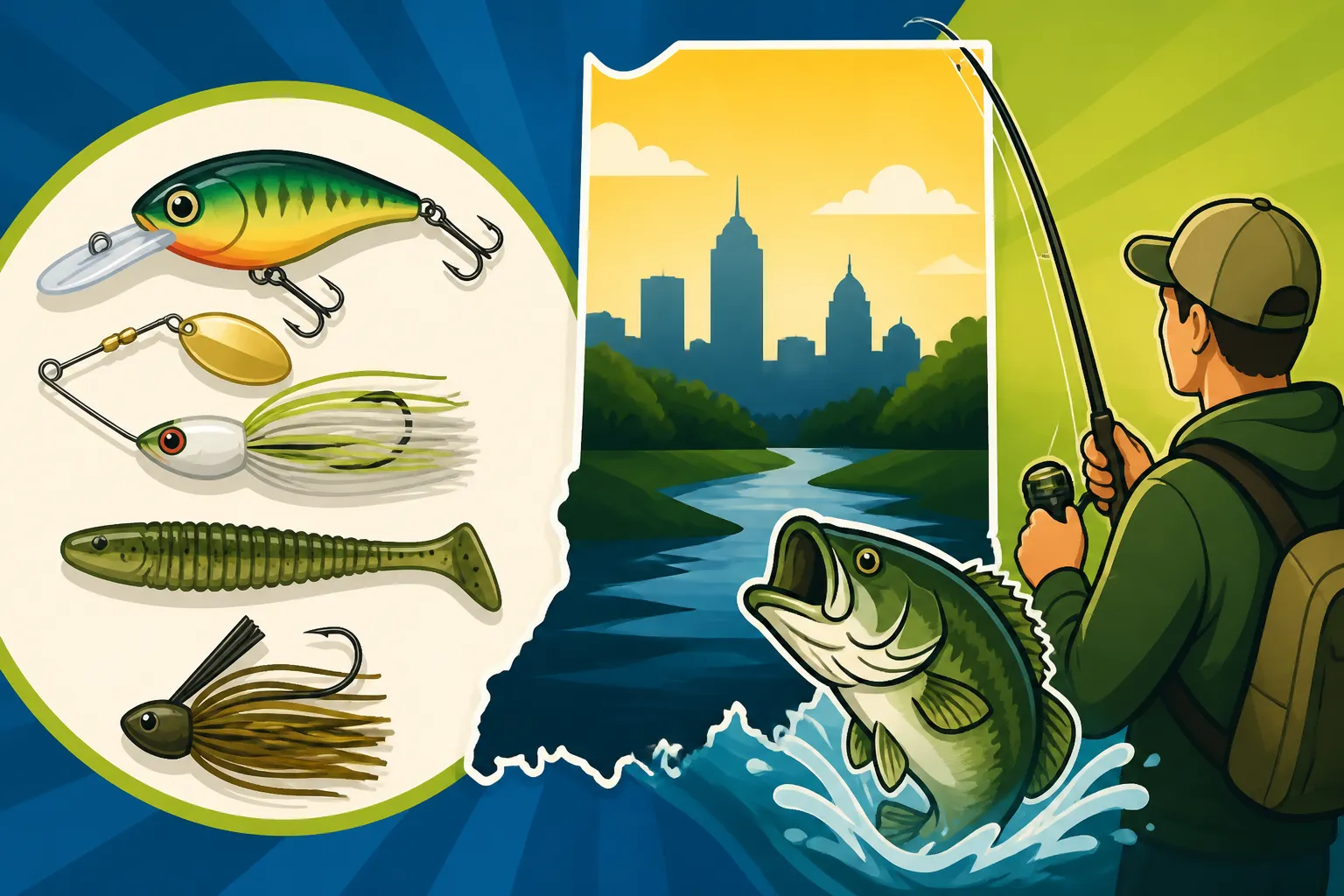
Soft plastic baits are, without a doubt, one of the most effective and versatile lure categories for beginners in Indiana. They're typically inexpensive, come in a bewildering array of shapes and colors, and can be rigged in countless ways to imitate everything from worms and crawfish to baitfish. The best part? Many soft plastics are incredibly forgiving to retrieve, and their soft, lifelike feel encourages fish to hold on longer, giving you more time to set the hook. This makes them a fantastic starting point for understanding how fish react to different movements.
Plastic Worms: Simplicity and Effectiveness
The plastic worm might just be the most iconic artificial lure for bass fishing, and for good reason. It's incredibly simple, yet devastatingly effective. For beginners, a straight-tail or ribbon-tail worm (6-8 inches long) in natural colors like green pumpkin, junebug, or black and blue is a fantastic starting point. You can rig it "Texas style," which means the hook point is embedded back into the plastic, making it virtually weedless. This is a huge advantage when fishing around lily pads, submerged grass, or brush piles in many Indiana lakes.
To fish a Texas-rigged worm, simply cast it out, let it sink to the bottom (you'll feel a slight "thump" as it hits), and then slowly drag or hop it along the bottom. The key is patience. Most bites will feel like a subtle tap or a sudden heaviness on your line. Wait a second, reel down to remove slack, and then set the hook with a strong upward sweep of your rod. This technique is excellent for targeting largemouth bass in almost any Indiana lake or pond. It’s also a fantastic way to learn how to feel what’s happening underwater, understanding the difference between a rock, a stick, and a fish bite. Many anglers, new and old, find their favorite plastic worms on sites like Amazon, due to the wide variety of brands and sizes available.
Plastic Creature Baits and Craws: Imitating Natural Forage
Beyond worms, soft plastic creature baits and crawfish imitations are another excellent option. These lures often have multiple appendages that wiggle and flap, creating a lot of enticing action underwater. They're designed to mimic crayfish, which are a primary food source for many Indiana game fish, especially bass and even larger panfish. Colors again tend towards natural tones like browns, greens, and black.
You can rig creature baits and craws similarly to plastic worms, often on a Texas rig with a bullet weight, or as a trailer on a jig. The retrieve is much the same: cast it out, let it sink, and slowly drag, hop, or twitch it along the bottom. The erratic action of the claws and appendages is what really draws strikes. Fishing these around rocky areas, docks, or fallen trees in lakes like Monroe Lake: Indiana's Largest Lake for Bass Fishing or Patoka Lake Fishing Guide for Bass and Crappie can be incredibly productive. They're also a great way to explore structure and cover, teaching you where fish like to hide.
Spinnerbaits: Flash and Vibration
Spinnerbaits are another cornerstone artificial lure that every beginner should have in their tackle box. They're incredibly effective, relatively snag-resistant, and create a lot of attention underwater thanks to their spinning blades and pulsating skirt. Unlike soft plastics which rely more on subtle action, spinnerbaits are all about flash and vibration, making them excellent "search baits" to quickly cover water and locate active fish.
The Appeal of Flash and Vibration
The primary appeal of a spinnerbait is its ability to mimic a fleeing baitfish while also creating a significant thumping vibration and visual flash. The blades spin as you retrieve, sending out vibrations that fish can feel through their lateral line, even in murky water. This makes them particularly effective after heavy rains when the water might be stained, a common scenario in many Indiana rivers and lakes. The flash from the polished blades also catches the attention of predatory fish from a distance, drawing them in for a closer look.
For beginners, a simple single-blade (Colorado or Willowleaf) or tandem-blade spinnerbait in 1/4 to 1/2 ounce is ideal. White, chartreuse, or combinations of the two are excellent starting colors, as they are highly visible and mimic common baitfish. Retrieve them with a steady, slow to medium retrieve, just fast enough to keep the blades spinning. This simple "cast and reel" approach makes them very beginner-friendly. They excel around submerged vegetation, brush, and alongside rocky banks. When you feel a strike, just keep reeling and sweep the rod to set the hook. You can find a wide selection of spinnerbaits from various manufacturers on platforms like Amazon, making it easy to experiment with different blade types and skirt colors.
When and Where to Throw a Spinnerbait
Spinnerbaits shine in a variety of conditions, particularly when fish are active and willing to chase. They are fantastic for fishing around weed lines, submerged timber, and brush piles without getting snagged easily, thanks to their upturned hook and wire frame. Many anglers find them particularly effective during overcast days or in stained water, where the flash and vibration can really cut through. They are excellent for targeting largemouth and smallmouth bass, but don't be surprised if you pick up a northern pike or even a walleye on a spinnerbait in some of Indiana's lakes, especially in the northern glacial lake region.
Think about fishing a spinnerbait along the shorelines of lakes like Lake Wawasee: Indiana's Largest Natural Lake in the spring and fall when fish are often shallower and actively feeding. They are also a great choice for covering water quickly on larger bodies of water like Brookville Lake Fishing Spots and Access Points or Salamonie Lake Fishing Guide to locate schools of fish before slowing down with other techniques.
Crankbaits: Diving and Deflecting
Crankbaits are another fantastic artificial lure for beginners because they are designed to create a specific action on a simple retrieve. These hard-bodied lures come with a plastic or metal lip that causes them to dive to various depths when reeled. The key appeal is their built-in wobbling action, which perfectly mimics a swimming baitfish, often triggering aggressive reaction strikes.
Different Types and Their Action
Crankbaits are primarily categorized by how deep they dive:
- Shallow-diving crankbaits: These have smaller lips and run just a few feet deep. They're excellent for fishing shallow flats, over submerged grass, or around visible cover like docks and fallen trees.
- Medium-diving crankbaits: With slightly larger lips, these will dive anywhere from 5 to 12 feet. They are versatile and can be used to target fish holding on drop-offs, humps, or submerged points.
- Deep-diving crankbaits: Featuring very large lips, these lures can reach depths of 15-20 feet or more. They are perfect for targeting fish in deeper water, especially off main lake points or deep creek channels.
For a beginner, a shallow or medium-diving crankbait in a natural baitfish pattern (like shad, bluegill, or crawfish) is a great starting point. The beauty of a crankbait is that you simply cast it out and reel it back in at a steady pace. The lip does all the work, giving the lure its fish-attracting wobble. Experiment with retrieve speed until you find what the fish prefer.
The "Deflection" Advantage
One of the most effective ways to fish a crankbait, especially for bass, is to make it "deflect" off of underwater objects. When a crankbait hits a rock, a stump, or a log, it suddenly changes direction, often darting erratically. This sudden, unpredictable movement is a huge strike trigger, mimicking a panicked baitfish. For beginners, this means you don't have to be super precise with your casts; in fact, intentionally bumping into cover can be your secret weapon.
Look for areas with submerged timber, rock piles, or rip-rap along dam faces on reservoirs like Mississinewa Lake Fishing Guide. Cast your crankbait to these areas, and as you reel, be ready for a strike when the lure bumps off an obstruction. This technique is particularly effective for active fish and can lead to some truly exciting bites. When you're building your beginner tackle box, consider including a few different diving depths. You might start with a shallow-running one for smaller ponds and a deeper runner for bigger lakes. You can often find a good variety of crankbaits, including those from Rapala and Strike King, on sites like Amazon.
Topwater Lures: The Thrill of the Strike
If you want to experience some of the most exciting bites in freshwater fishing, then topwater lures are a must-try. These lures are designed to float and create action on the surface of the water, mimicking struggling baitfish, frogs, or insects. The visual thrill of seeing a fish explode on your lure is unmatched, making topwater fishing an incredibly addictive experience.
Poppers and Walk-the-Dog Lures: Surface Action
For beginners, two types of topwater lures stand out:
- Poppers: These have a cupped face that "pops" or "chugs" water when twitched, creating a disturbance that mimics a fish gulping or a frog struggling. They are usually fished with a "pop-pause" retrieve: cast, let it sit, twitch your rod tip once or twice to make it pop, then pause. The pause is crucial, as fish often strike during this moment of vulnerability. Poppers are excellent around calm, shallow water with cover, like lily pads or docks.
- Walk-the-Dog lures (e.g., Zara Spook style): These cigar-shaped lures don't have a lip; instead, their action comes from how you work your rod. By rhythmically twitching your rod tip while reeling in slack, you make the lure "walk" from side to side across the surface. This "walk-the-dog" action is incredibly realistic, mimicking a dying baitfish, and can be devastatingly effective. It takes a little practice to get the rhythm down, but once you do, it's incredibly rewarding.
Topwater lures are fantastic for bass and pike, and sometimes even aggressive panfish will take a swipe. The best times to fish them are typically during low light conditions: early morning, late evening, or on overcast days when fish are more likely to be looking upwards for prey. Casting these lures into quiet coves on lakes or along river banks where you know fish are hiding can lead to some unforgettable action. When fishing for bass in Indiana, many anglers focus on the Best Time to Bass Spawn in Indiana, but topwater lures can be effective all season long, especially during warmer months.
Essential Lure Characteristics for Beginners
Choosing your first set of artificial lures doesn't have to be complicated. By focusing on a few key characteristics, you can build a versatile starter kit that will catch fish in almost any Indiana body of water.
| Lure Type | Primary Action | Beginner-Friendly Retrieve | Target Fish (Indiana) | Best Use Case |
|---|---|---|---|---|
| Soft Plastics | Subtle, lifelike | Drag, hop, twitch | Largemouth Bass, Smallmouth Bass, Panfish | Weedy areas, brush piles, bottom fishing |
| Spinnerbaits | Flash, vibration | Steady retrieve | Largemouth Bass, Northern Pike, Walleye | Covering water, stained water, active fish |
| Crankbaits | Wobble, dive, deflect | Steady retrieve, bump cover | Largemouth Bass, Walleye, Striped Bass | Targeting depths, structure, reaction bites |
| Topwater | Surface commotion | Pop-pause, walk-the-dog (twitches) | Largemouth Bass, Northern Pike | Low light, calm water, aggressive surface strikes |
Colors, Sizes, and Versatility
When starting out, resist the urge to buy every color imaginable. Stick to a few proven colors:
- Natural/Green Pumpkin/Brown: These are excellent for mimicking crawfish and natural forage found on the bottom, especially for soft plastics and crankbaits.
- White/Chartreuse: Bright and highly visible, these colors are great for spinnerbaits, especially in stained or murky water, and can imitate shad or other baitfish.
- Black/Blue: Another great dark option for soft plastics, especially in low light or stained water, mimicking worms or dark-colored crawfish.
For sizes, keep it moderate. A 1/4 to 1/2 ounce for spinnerbaits and crankbaits is a good all-around size for most freshwater applications. For soft plastics, 4-7 inch worms or creature baits are perfect. The goal is to choose lures that are versatile, meaning they can catch multiple species in different scenarios. This allows you to carry fewer lures but still be prepared for various fishing conditions. Whether you're fishing a small farm pond or a larger lake, these fundamental choices will serve you well. Many anglers stock up on these basics through online retailers like Amazon, which often offer bulk packs of soft plastics or starter kits with a variety of proven colors and sizes.
As you gain experience, you'll naturally start to understand when to use lighter or heavier options, or when a specific color might outperform another. But for now, keeping it simple is the key to building confidence and, more importantly, catching fish! Remember, the best artificial lure is the one you have the confidence to fish consistently and effectively. Good luck out there, Hoosier anglers!
Disclaimer
This article is for general informational purposes only and does not constitute professional advice. Laws, prices and regulations vary by location and change over time. Consult a qualified professional for guidance on your specific situation.