Jug Fishing Techniques for Catfish
There’s nothing quite like the thrill of catching a big catfish, but sometimes, sitting on the bank with a rod and reel just doesn't cut it when you want to cover more water or relax a bit. If you've ever found yourself wishing for a more hands-off yet incredibly effective way to target those whiskered beauties, then you’re in the right place. This comprehensive guide will walk you through everything you need to know about jug fishing for catfish in Indiana, from the gear to the regulations and the best techniques for a successful day out.
Understanding Jug Fishing in Indiana
Jug fishing might sound a little old-school, and in some ways, it is, but don't let that fool you. It's a highly effective method for targeting catfish, especially when they're scattered or you want to fish a larger area. For many Hoosier anglers, it's a cherished tradition that brings both a sense of adventure and plenty of fish to the supper table.
What is Jug Fishing and Why It Works
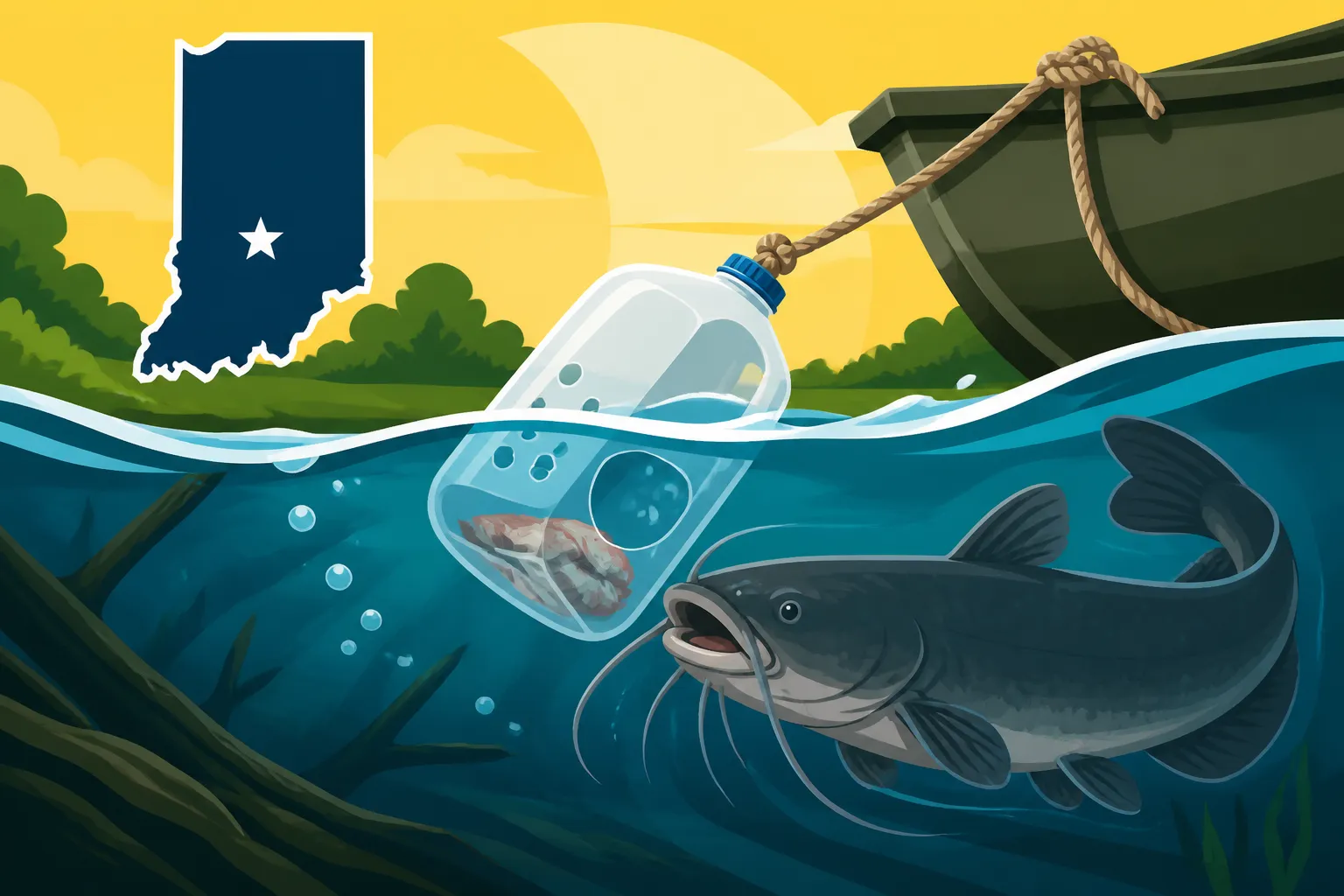
At its heart, jug fishing involves using individual, free-floating lines, each attached to a buoyant object – a "jug" – that drifts with the current or wind. Each line has one or more hooks baited for catfish. When a fish bites, the jug moves, dips, or sometimes even dances across the water, alerting you to a strike. It’s a bit like having a fleet of mini-fishing boats working for you simultaneously! This method excels for a few key reasons. First, it allows you to cover a vast amount of water, significantly increasing your chances of encountering actively feeding catfish that might not be concentrated in one spot. Unlike bank fishing or even anchored boat fishing, your bait is constantly moving, presenting itself to new fish.
Secondly, it's a fantastic technique for targeting larger, more elusive catfish that often roam open water or suspend at different depths. While traditional bottom fishing is great, jug lines can be adjusted to present bait throughout the water column, from just below the surface to several feet down, depending on where the fish are holding. This versatility is a huge advantage, especially in larger reservoirs or rivers where catfish might be chasing baitfish in open water. It's also a wonderfully social way to fish; you can typically manage several jugs at once, leaving you more time to chat with friends or just soak in the natural beauty of an Indiana lake or river.
Indiana Regulations and Legalities for Jug Fishing
Before you even think about dropping your first jug, it is absolutely crucial to understand the rules and regulations specific to jug fishing in Indiana. Unlike regular rod-and-reel fishing, jug fishing often falls under a different set of rules, and these can vary significantly by state and even by specific water bodies. In Indiana, jug fishing is generally permitted, but there are strict guidelines in place to ensure fair chase, safety, and responsible angling. You can find comprehensive details in the Indiana Fishing Regulations and Bag Limits Guide, but let's go over the highlights here.
First and foremost, each jug must be clearly marked with the angler's name and address or Department of Natural Resources (DNR) customer identification number. This isn't just a suggestion; it's a legal requirement designed to identify responsible parties and prevent abandoned gear. Secondly, there’s a limit on the number of jugs you can use. Typically, an individual angler is allowed to use up to 10 jugs. Each jug is limited to three single hooks. No treble hooks allowed on jugs! These regulations are in place to prevent overharvesting and to manage the fishery responsibly.
It's also important to note that jugs must be attended. This doesn't mean you have to hold onto them, but you must be close enough to tend to them promptly. Leaving jugs unattended for extended periods, especially overnight, is usually prohibited. Always check the current Indiana fishing guide, as regulations can change. For example, some specific lakes or rivers might have additional local restrictions or even be closed to jug fishing. Ignoring these rules can lead to hefty fines and confiscation of your gear, which is a headache no one wants to deal with after a relaxing day on the water.
Essential Gear for Your Jug Fishing Setup
Getting your gear together for jug fishing is part of the fun. It’s not as complicated as some other fishing methods, but having the right equipment makes a world of difference in your success and enjoyment. You don't need to break the bank, but a few key items are non-negotiable.
Choosing the Right Jugs and Lines
When it comes to jugs, creativity is your friend, but so is practicality. The primary function of a jug is buoyancy, visibility, and durability. Many anglers repurpose everyday items like two-liter soda bottles, gallon milk jugs, or even pool noodles. The key is that they need to float well, even with a decent-sized catfish pulling on the line, and they need to be brightly colored so you can spot them from a distance. Painting them with fluorescent spray paint is a popular choice, and you can find affordable options on platforms like Amazon that work perfectly. Some anglers even prefer commercially made jug fishing floats, which are often weighted on one end to stand upright in the water, making them even easier to spot.
For the line, durability is paramount. Catfish are strong fighters, and you’ll want a line that can withstand their powerful runs and the abrasion of underwater obstacles. Monofilament line in the 30- to 80-pound test range is a common choice, offering a good balance of strength and manageability. However, many experienced jug fishermen prefer braided line due to its superior strength-to-diameter ratio and resistance to abrasion. You'll need enough line to reach the desired depth and then some extra for a leader and securing to the jug. A general rule of thumb is to have at least twice the depth of the water you plan to fish, allowing for adjustments and drift. For example, if you're fishing a lake with an average depth of 15 feet, you'd want lines that are at least 30 feet long.
Hook and Bait Selection for Catfish
The right hook and bait are critical for enticing catfish to strike your jug lines. For jug fishing, sturdy circle hooks are often preferred. They are incredibly effective because they are designed to hook fish in the corner of the mouth, reducing gut-hooking and making catch-and-release easier. A hook size ranging from 5/0 to 8/0 is typically suitable for the various sizes of channel catfish, flatheads, and blue catfish you might encounter in Indiana waters. Ensure they are strong, sharp, and made from robust material to withstand the fight of a larger fish.
As for bait, catfish are opportunistic feeders, so you have a wide array of choices. The classic options almost always revolve around smell. Cut bait, like shad, carp, or even chicken liver, is incredibly popular because of its strong scent trail. For tips on specific attractants, check out our guide on the Best Bait for Channel Catfish in Indiana Rivers. Other effective baits include stink baits, commercially prepared dough baits, and even chunks of hot dog or soap. For flathead catfish, live bait like bluegill or sunfish is often the most productive. Remember, the goal is to create a strong scent plume in the water to draw in cruising catfish from a distance. Experimentation is key; what works best one day might not be as effective the next, so bringing a variety of baits can increase your chances.
Safety and Accessory Gear
Beyond the jugs and lines, a few essential accessories will make your jug fishing experience safer and more efficient. A good pair of heavy-duty gloves is a must-have, especially when handling catfish, which have sharp pectoral and dorsal fins. A pair of long-nose pliers or a hook remover will help you safely extract hooks without injuring yourself or the fish. A robust landing net is also crucial for scooping up larger catfish once they're at the boat. Trying to hand-land a thrashing flathead can be a recipe for disaster.
Don't forget the navigation and safety essentials for your boat. A working GPS or depth finder can help you track your jugs, especially if they drift out of sight, and identify good fishing structure. Always have appropriate safety gear on board, including life jackets for everyone, a whistle or horn, and throwable flotation devices. If you plan to fish into the evening or at night, which can be an incredibly productive time for catfish, ensure you have proper lighting on your boat and consider attaching small, waterproof LED lights to your jugs for easy spotting. For more detailed information on different riggings suitable for varying water conditions, you might find our article on Best Catfish Rigs for Muddy Water helpful.
Setting Up Your Jugs for Success
The actual setup of your jug lines is where strategy comes into play. It's more than just tying a hook to a line and tossing it out; a thoughtful approach to rigging, deployment, and depth control can drastically improve your catch rate.
Preparing Your Baited Lines
Before you even get to the water, you should have your lines pre-rigged and ready to go. This involves tying your hooks, adding any weights, and cutting your lines to appropriate lengths. For each jug, you'll want to tie one or more hooks onto a leader line, typically using a snell knot or palomar knot for strength. A swivel above the hook or leader can help prevent line twist, especially if you're using live bait that spins. The number of hooks per line will be dictated by Indiana regulations (typically three single hooks per jug).
Weights are also a critical component. Depending on your desired depth and bait, you'll need enough weight to keep your bait submerged and stable, but not so much that it pulls the jug down significantly or prevents it from drifting naturally. Egg sinkers or bank sinkers in weights from 1/2 ounce to 2 ounces are common. You can adjust the weight based on the current and how fast you want your bait to drift. Some anglers use a slip sinker rig where the weight slides freely above a swivel, which is then tied to a shorter leader with the hook. This allows the fish to take the bait without immediately feeling the resistance of the jug. Once rigged, neatly coil your lines and hooks to avoid tangles. Many anglers use small spools or even empty coffee cans to keep each line separate and organized.
Strategic Deployment of Jugs
Deploying your jugs isn't about randomly tossing them overboard. Think about it like setting up a grid or a drift pattern. You want to spread them out enough to cover a wide area but keep them close enough that you can monitor them effectively from your boat. A common technique is to motor upwind or upcurrent from your desired fishing zone and then slowly deploy jugs one by one, allowing the wind or current to naturally spread them out. This creates a "fan" or "line" of baits drifting through the area.
Consider the layout of the water body. Are there submerged structures, drop-offs, or creek channels that catfish might be using? Deploy your jugs to drift over or near these features. In rivers, paying attention to current seams and eddies can be very productive. In large lakes like Monroe Lake or Patoka Lake, look for old river channels, humps, or even standing timber. Don't be afraid to deploy jugs at different distances from your boat; some fish might be closer to shore, others further out. The goal is to maximize your coverage and intersect with as many potential catfish highways as possible.
Depth Control and Drift Management
One of the biggest advantages of jug fishing is the ability to control bait depth. Catfish don't always hang out on the bottom; they might be suspended in the water column, especially if they're chasing baitfish. You can vary the length of your lines to target different depths. Some jugs can be set short, just a few feet below the surface, while others can be set to drift near the bottom. If you have a fish finder, use it to identify bait schools or where catfish might be holding, and then adjust your jug lines accordingly.
Drift management is also crucial. The wind and current will dictate how your jugs move. If they're drifting too fast, you might need to adjust your boat's position to keep up, or even use a drift sock to slow your own drift. Conversely, if there's very little drift, you might need to occasionally reposition your jugs manually to ensure they are covering new water. A GPS unit on your boat is invaluable for marking where you deployed your jugs and tracking their drift path, especially in vast water bodies like the Ohio River or even larger Indiana lakes. Paying attention to how different jugs are performing (which ones are getting bites, at what depth) will give you clues about where the fish are and what depth they prefer on that particular day.
Where to Find Catfish for Jug Fishing in Indiana
Indiana offers fantastic opportunities for catfish, and knowing where to focus your efforts can make a huge difference in your jug fishing success. Catfish are found throughout the state, from large rivers to small ponds, but certain areas are consistently more productive. To dive deeper into various angling options, check out the Channel Catfish Fishing in Indiana: The Complete Guide.
Identifying Prime Catfish Habitats
Catfish, regardless of species, generally prefer areas with slower currents, deep holes, submerged structure, and access to plenty of food. In rivers, this means targeting outside bends where the current carves out deeper holes, or areas downstream of log jams and wing dams that create slack water and ambush points. Muddy or turbid water is often a catfish magnet, as it provides cover and concentrates food sources. Look for areas where feeder creeks enter a larger river, bringing in nutrients and baitfish.
In lakes and reservoirs, prime catfish habitat includes old river channels, humps, ledges, and areas with standing timber or brush piles. Deeper sections near these structures are particularly attractive. Points that drop off into deeper water, especially those with some current flow or wind action, can also be excellent. The transition zones where shallow flats meet deeper water are often productive, as catfish will move into the shallows to feed, especially during low light conditions, and then retreat to deeper water during the day. Don't forget about access to baitfish; if you can locate schools of shad or other forage, you're likely to find catfish nearby.
Best Indiana Lakes and Rivers for Jug Fishing
Indiana is blessed with numerous water bodies that are perfect for jug fishing, each offering its unique charm and challenges. For a general overview of prime locations, take a look at the Best Catfish Fishing Spots in Indiana.
For river fishing, the Wabash River is arguably Indiana's most iconic catfish destination. Its vast stretches and numerous oxbows, log jams, and deep holes hold an incredible population of channel cats, flatheads, and even some blue catfish. Jug fishing on the Wabash allows you to cover miles of river, letting your baits drift through prime catfish territory. Another excellent option is the White River, both the West and East Forks. The White River offers similar opportunities to the Wabash, particularly in its middle and lower sections, with plenty of slower, deeper pools where catfish congregate. You can find more specific details in our dedicated posts like Fishing the Wabash River in Indiana and Fishing the White River in Indiana.
When it comes to lakes and reservoirs, Monroe Lake near Bloomington is a powerhouse for all types of fishing, including catfish. Its expansive waters, numerous coves, and varying depths provide ample jug fishing opportunities for big channel catfish. Patoka Lake in Southern Indiana is another fantastic choice, known for its healthy populations of channel cats and some impressive flatheads. Its vast flooded timber and deep channels make it ideal for jugging. Other notable lakes include Mississinewa Lake, Brookville Lake, and Salamonie Lake, all offering excellent catfish prospects. Each of these large reservoirs has distinct features that hold catfish, and deploying jugs can be a great way to explore different areas without constantly moving your boat.
Consider this table for a quick overview of popular Indiana jug fishing spots:
| Water Body | Primary Catfish Species | Best Features for Jugging | Tips for Success |
|---|---|---|---|
| Wabash River | Channel, Flathead, Blue | Deep bends, log jams, tributary mouths | Focus on current breaks and deeper holes. Adjust depth frequently. |
| White River | Channel, Flathead | Slower pools, submerged timber, urban areas | Look for structure in slower sections. Evening and night can be highly productive. |
| Monroe Lake | Channel, Flathead | Old river channels, deep coves, humps | Vary depths around submerged timber and drop-offs. |
| Patoka Lake | Channel, Flathead | Flooded timber, creek channels, ledges | Drift jugs near drowned trees. Live bait is excellent for flatheads. |
| Mississinewa Lake | Channel, Flathead | Main channel, standing timber, rock piles | Target channel edges and areas with structure. |
| Brookville Lake | Channel, Flathead, Blue (stocked) | Main lake basin, points, creek arms | Jug near deeper points and creek mouths. |
| Salamonie Lake | Channel, Flathead | River channel, submerged structure | Concentrate on the old river channel and any remaining standing timber. |
Retrieving Your Catch and Handling Fish
The moment a jug starts dancing is pure adrenaline! But landing and handling a catfish, especially a big one, requires a bit of technique to ensure safety for both you and the fish.
Monitoring and Checking Your Jugs
Jug fishing is active relaxation. While you're not constantly casting, you still need to be vigilant. Keep a close eye on your jugs, looking for any unusual movement. A subtle dip might indicate a smaller fish, while a frantic dance or a jug disappearing and reappearing often signals a bigger, more aggressive strike. The key is to respond quickly. Catfish can swallow hooks deep, so retrieving your jug promptly increases the chances of a clean hookset and safer release if desired.
When you spot a jug moving, motor over to it cautiously. Approach slowly to avoid spooking the fish or tangling other lines. Once you reach the jug, grab it firmly, but be prepared for a strong tug! Sometimes, the fish will be pulling hard, trying to escape. Don't just yank the line; gently bring it in, hand-over-hand, feeling the weight and resistance of the fish. This slow, steady retrieve helps tire the fish and prevents the hook from tearing out. If you have multiple jugs out, prioritize the ones with the most aggressive action first. You might find yourself in a delightful scramble, moving from one dancing jug to the next!
Safely Landing and Releasing Catfish
Once you've retrieved your jug and brought the fish alongside the boat, the real work begins. For smaller catfish, you might be able to simply lift them into the boat by the line (with gloves on!). However, for larger catfish, especially flatheads with their powerful jaws and aggressive nature, a net is indispensable. Guide the fish into the net headfirst, ensuring it's fully secure before lifting it into the boat. Avoid swinging the fish into the boat, as this can injure the fish or cause it to throw the hook.
Once in the boat, decide if you're keeping the fish or releasing it. If keeping, dispatch it quickly and humanely. If releasing, handle it as gently as possible. Catfish have sharp spines on their pectoral and dorsal fins, so always wear those heavy-duty gloves. Hold the fish by firmly gripping its lower jaw (for channel cats and blues) or gently supporting its belly. Use your pliers or hook remover to carefully extract the hook. If the fish is deeply hooked and you intend to release it, it's often better to cut the line as close to the hook as possible rather than risk further injury trying to remove a deeply embedded hook. Check out our insights on How Big Do Channel Catfish Get in Indiana? to appreciate the potential size of fish you might be handling, reinforcing the need for proper landing techniques. Always make sure to adhere to Indiana's current bag and size limits for catfish, which you can find in the official DNR regulations.
Tips for Maximizing Your Jug Fishing Haul
Jug fishing, like any other method, benefits from a little strategic thinking. Understanding the best times to go and how to overcome common obstacles can dramatically increase your success.
Best Times and Conditions
Catfish are often most active during low-light conditions. This means early morning, late evening, and especially night fishing can be incredibly productive. For many jug fishermen, setting out jugs just before dusk and checking them throughout the night, or first thing in the morning, is the preferred strategy. The cover of darkness often encourages catfish to move into shallower feeding areas where your jugs will be waiting. You can learn more about this in our guide on How to Catch Catfish at Night.
Weather conditions also play a significant role. Cloudy days are generally better than bright, sunny ones, as they keep water temperatures cooler and provide more cover. Light rain can also stir up food sources and often improves catfish activity. Pay attention to barometric pressure; a steady or rising barometer often correlates with more active fish. Avoid fishing immediately after a severe cold front, as this can often shut down the bite. However, don't let a little mud stop you; catfish thrive in murky water. Also, consider the seasonal movements of catfish. Spring and fall often see increased activity as fish prepare for spawning or fatten up for winter. To hone your timing, our article Best Time of Day to Catch Catfish in Indiana offers valuable advice for optimizing your fishing schedule.
Troubleshooting Common Jug Fishing Challenges
Jug fishing, while straightforward, isn't without its quirks. One common challenge is tangled lines. This usually happens if jugs are deployed too close together, or if you're battling strong, variable currents. The best way to prevent this is to spread your jugs out adequately and always be mindful of wind and current direction. If you do get a tangle, slowly work to untangle it rather than yanking, which can make it worse.
Another issue can be lost jugs. If a large fish makes a powerful run or if you're fishing in strong currents, a jug can drift out of sight quickly. This is where a reliable GPS unit becomes invaluable. Mark your deployment points and monitor your jugs' drift path. Adding bright, reflective tape or LED lights (for night fishing) to your jugs significantly improves visibility. If you lose a jug, try to follow its last known trajectory and scan with binoculars. Sometimes, a strong fish can drag a jug quite a distance, or it can get hung up on submerged structure. Patience and a good pair of eyes are your best tools here.
Finally, dealing with unwanted species can sometimes be an issue. While jugs are primarily for catfish, you might occasionally catch carp, turtles, or even smaller game fish. Be prepared to safely release these unintended catches. Always ensure your hooks are appropriate size for catfish to minimize catching smaller, protected species.
Responsible Jug Fishing Practices
As responsible anglers, it's our duty to not only enjoy the sport but also to protect the environment and respect fellow outdoor enthusiasts. Jug fishing, with its unique characteristics, requires particular attention to these principles.
Environmental Stewardship
Leaving no trace is paramount in jug fishing. This means ensuring that all your jugs and lines are accounted for and retrieved at the end of your fishing trip. Lost or abandoned fishing gear, often referred to as "ghost fishing" gear, can continue to catch and kill fish and other aquatic life for years, creating unnecessary ecological harm. Double-check that your names and customer ID numbers are securely affixed to each jug, as required by Indiana law.
Beyond your gear, be mindful of your bait. If you’re using live bait, ensure it’s legally sourced and free of diseases or invasive species. Never release unused live bait into a different water body than where it was caught, as this can introduce harmful pathogens or non-native species that disrupt local ecosystems. Dispose of any bait packaging, used hooks, or fishing line properly in designated trash receptacles. Our waterways are a precious resource, and it’s up to all of us to keep them clean and healthy for future generations of anglers.
Respecting Other Anglers and Boaters
Jug fishing often involves covering a significant area of water, and it's essential to do so respectfully. Be aware of other boats, kayaks, and shore anglers. Give them plenty of space, especially when deploying or retrieving your jugs. Your jugs should not impede navigation channels or create a hazard for other boaters. If you are fishing in a busy area, consider reducing the number of jugs you deploy or choosing a less crowded location.
Communication is key on the water. A friendly wave or a polite conversation can go a long way in fostering good relationships with other water users. If your jugs drift close to another angler, simply explain what you're doing and offer to move them if they're causing an inconvenience. Remember, everyone is out there to enjoy the water in their own way, and mutual respect ensures that everyone has a pleasant experience. By following regulations and practicing common courtesy, jug fishing can be a fantastic way to enjoy Indiana's rich fishing heritage.
Disclaimer
The information provided in this guide is for general informational purposes only and does not constitute legal advice. Fishing regulations, including those pertaining to jug fishing, can change frequently. Always consult the most current Indiana Department of Natural Resources (DNR) fishing guide or website before engaging in any fishing activities to ensure compliance with all applicable laws and regulations.