Salamonie Lake Fishing Guide
Trying to figure out where to cast your line on a new lake can feel like a real puzzle, can't it? You arrive, excited for a day on the water, only to be confronted with a vast expanse, unsure where the fish are hiding or which techniques will actually work. This guide is here to demystify Salamonie Lake, offering deep insights into its best fishing spots, target species, and proven techniques to help you have a truly successful and enjoyable trip on this fantastic Indiana reservoir.
Exploring Salamonie Lake: A North Central Indiana Gem
Salamonie Lake, nestled in north-central Indiana, is more than just a pretty body of water; it's a prime fishing destination that draws anglers from all over the state and beyond. As one of the state's significant flood control reservoirs, it boasts a diverse underwater landscape and a thriving fishery that provides ample opportunities for various species. Understanding the unique characteristics of Salamonie is the first step to unlocking its angling potential.
The Lay of the Land: Lake Characteristics and Habitat
Salamonie Lake covers roughly 2,860 acres at seasonal pool, but this can fluctuate significantly depending on rainfall and flood control needs. Its unique draw-down nature means that the shoreline and water depths change throughout the year, impacting fish behavior and where they hold. The lake is fed primarily by the Salamonie River, which contributes to its rich, fertile waters. You'll find a mix of habitats here, from submerged timber and brush piles in its upper reaches and coves, to rocky points, humps, and vast open water areas. These diverse environments cater to a wide array of fish species, making it a truly versatile fishery.
One of the most important aspects of Salamonie is its conservation pool, which maintains a minimum water level even during draw-downs. This ensures that fish populations have stable habitat year-round, though access to certain areas might become difficult during lower water periods. The Indiana Department of Natural Resources (IDNR) actively manages the lake, with regular fish stockings and habitat improvement projects designed to enhance fishing opportunities. This proactive management means that anglers can often expect healthy and robust fish populations.
Popular Species That Call Salamonie Home
Salamonie Lake is renowned for its diverse fishery, offering something for almost every type of angler. While certain species tend to grab the spotlight, many different fish thrive in its waters. The primary targets for most anglers are largemouth bass, crappie, and catfish, but the lake also holds good numbers of walleye, saugeye, and various panfish like bluegill and redear sunfish. Each species has its preferred haunts and feeding patterns, making a day on Salamonie a dynamic experience.
Knowing what fish you're likely to encounter helps immensely in planning your trip. For instance, the extensive submerged timber and stump fields are absolute magnets for bass and crappie, especially during warmer months. Meanwhile, the deeper channels and flats appeal to catfish and walleye. The IDNR’s consistent stocking efforts ensure that these populations remain strong, often exceeding expectations for a reservoir of its type. You might even stumble upon some unexpected catches, which is always a fun bonus when exploring new waters.
Unlocking the Fishery: Target Species and Their Hotspots
Salamonie Lake is a smorgasbord for anglers, offering a fantastic variety of game fish. To truly maximize your time on the water, it helps to know which species you're after and, crucially, where they tend to hang out. Each major species has its preferred nooks and crannies within this sprawling reservoir.
Largemouth Bass Hotspots
If you're anything like me, the thrill of a hard-fighting largemouth bass is what gets your heart pumping. Salamonie Lake certainly doesn't disappoint in this regard. The lake's irregular shoreline, coupled with abundant submerged timber and brush piles, creates perfect ambush points for bass.
One of the most consistent areas for largemouth bass are the numerous coves and shallow bays, especially those with standing timber or brush. Look for areas like the Dora-New Holland area or the coves near Mount Etna, which often retain good cover even during slight drawdowns. These zones provide excellent cover, shade, and forage opportunities, making them prime real estate for bass. During the spring, these shallower coves warm up faster, attracting pre-spawn and spawning bass. As summer progresses, the bass might move slightly deeper to adjacent points or the edges of main lake structure, still relating closely to cover. Using your electronics to locate submerged brush or old creek channels is key here. I've found that targeting logs, stumps, and even flooded terrestrial vegetation can lead to some impressive catches. The fishing along the river arm can also be productive, particularly when targeting current breaks and deeper holes. For more insight into these feisty fighters, check out our guide on Largemouth Bass Fishing in Indiana: The Complete Guide.
Crappie and Panfish Hideouts
Crappie are another major draw at Salamonie Lake, offering incredible action, especially in the spring and fall. Both black and white crappie thrive here, often congregating in large schools. They're not just fun to catch; they're also excellent table fare!
Much like bass, crappie love structure. Their preferred habitats include submerged timber, brush piles, and fallen trees, particularly those in slightly deeper water adjacent to shallower flats. The coves near the causeways and bridges, as well as the upper river arm, are historically productive areas. During the spring spawn, crappie move into incredibly shallow water, often just a few feet deep, making them accessible to shore anglers and those in small boats. As the water warms in summer, they'll retreat to deeper brush piles, submerged creek channels, or the cooler water near the dam structure. Vertical jigging or slow trolling with minnows or small jigs around these structures can be incredibly effective. Don't overlook the potential for other panfish like bluegill and redear sunfish in these same areas, especially around weed beds or docks (if available). If you're looking for where to start with panfish, our article on Crappie and Panfish Fishing Techniques for Beginners is a great resource. You can even find local guides who specialize in these species on platforms like FishingBooker, which can dramatically cut down on your search time.
Catfish Havens
For those who love the strong pull of a hefty catfish, Salamonie Lake is a fantastic destination. Channel catfish are abundant, and there's a good chance of hooking into some respectable flatheads and blue catfish as well, particularly in the deeper, current-rich areas.
The main river channel, both upstream and downstream from the main body of the lake, is prime territory for catfish. Look for deeper holes, washouts, and areas with submerged logs or debris that create current breaks. The outflow area near the dam can also be a hotspot, especially during periods of water release, as it concentrates baitfish and, subsequently, catfish. Throughout the main lake, don't ignore the large flats and channels, particularly at night when catfish are most active. They'll often cruise these areas in search of food. Drop a weighted bait right on the bottom using heavy tackle. Cut bait, worms, and even prepared stink baits are all effective choices for these bottom-dwellers. For a full breakdown on targeting these whiskered warriors, check out our Channel Catfish Fishing in Indiana: The Complete Guide.
Walleye and Saugeye Opportunities
While not as universally abundant as bass or crappie, Salamonie Lake does offer respectable opportunities for walleye and saugeye (a hybrid cross between a walleye and a sauger). These elusive predators are highly sought after for their excellent table quality and challenging nature.
Walleye and saugeye often inhabit the deeper, clearer parts of the main lake, preferring rocky points, humps, and the edges of the old river channel. They are typically light-sensitive, meaning they're most active during low-light conditions – dawn, dusk, and especially at night. During the day, they'll often hold tight to structure in deeper water. Trolling crankbaits along contours or jigging vertically over submerged humps can be effective strategies. The mid-lake areas, particularly around any remaining standing timber in deeper sections, are good places to start. Pay close attention to current patterns, as these fish often position themselves to ambush prey being swept by. You'll need good electronics to find them, as they can be subtle.
Effective Fishing Techniques for Salamonie Lake
Once you know where to look for your target species, the next step is to understand the most effective ways to present your bait or lure. Salamonie Lake’s diverse structure and varying water levels call for a versatile approach.
Top Lure Choices for Bass and Walleye
For largemouth bass, a variety of lures can be highly effective depending on the season and conditions. In spring, when bass are shallower, crankbaits, spinnerbaits, and jigs pitched into cover are excellent choices. Shallow-diving crankbaits that mimic shad or crawfish can be deadly when retrieved near submerged logs or rocky banks. As the water warms into summer, Texas-rigged worms, Senkos, and creature baits become go-to options for targeting bass hiding deep in brush piles or under thick cover. Topwater lures, such as poppers or walking baits, can provide explosive action during early mornings or late evenings over grass beds or open water.
Walleye and saugeye, on the other hand, often prefer different presentations. Trolling with deep-diving crankbaits is a popular and effective method, especially in the main lake basins. Colors mimicking shad or perch tend to work well. For vertical presentations, jigs tipped with minnows or soft plastics, fished directly over structure, can entice bites. Blade baits and jigging spoons also have their moments, particularly when fish are suspended or tightly schooled on humps. Remember, walleye have excellent low-light vision, so fluorescent or glow-in-the-dark lures can sometimes give you an edge during dawn, dusk, or nighttime fishing.
Live Bait Strategies for Crappie and Catfish
When it comes to crappie, few things beat a live minnow. Whether suspended under a bobber near brush piles or slow-trolled, live minnows are a classic and highly effective bait. Small jigs, particularly those with soft plastic bodies in chartreuse, white, or black-and-chartreuse combinations, also work wonders. "Spider rigging" – a technique where you present multiple rods with minnows and jigs at various depths – is popular for covering water and finding schools of crappie, especially in open water or over large brush fields.
For catfish, live bait is often king. Nightcrawlers, cut bait (like shad or bluegill), chicken livers, and various stink baits are all highly attractive to channel, flathead, and blue catfish. For flatheads, live bait such as bluegill, sunfish, or large shiners are often preferred, presented on a heavy-duty circle hook near submerged logs or deep holes. Bottom fishing rigs, such as a Carolina rig or a three-way swivel rig, are standard for keeping your bait on the lakebed where catfish feed. For more advanced techniques like trotlining or jug fishing, check out our comprehensive guide on How to Catch Catfish: Bottom Fishing and Trotline Techniques. Remember that using live bait (like small sunfish) for flatheads might require specific legal sizes or types of bait, so always consult the latest Indiana fishing regulations.
Fly Fishing and Shoreline Opportunities
While Salamonie Lake is primarily known for boat fishing, there are definite opportunities for fly anglers and shore-bound enthusiasts. Fly fishing for panfish like bluegill and crappie can be incredibly rewarding, especially in the shallower coves during the spring. Small poppers, wet flies, and nymphs can be effective near emergent vegetation or brush. For bass, larger streamers or poppers presented near structure can also draw aggressive strikes.
Shoreline fishing is most accessible around the various public access points and recreation areas. Areas near the Mount Etna boat ramp, Dora-New Holland, and Lost Bridge East and West often provide good bank access, though fishing success will vary greatly with water levels. During higher water, flooded terrestrial vegetation along the banks can create excellent cover for bass and crappie. However, when water levels are low, the shoreline can be muddy and difficult to navigate. Always check conditions before heading out, and remember that some of the best Salamonie Lake Shore Fishing Access Points might require a bit of a walk. Don't forget that many local bait shops near Salamonie Lake, like those in Wabash or Huntington, can provide up-to-date information on hot spots and bait preferences.
Navigating Salamonie: Boat Ramps and Shore Access
Getting onto and around Salamonie Lake requires knowing the lay of the land, especially regarding boat access and shoreline fishing spots. Given its nature as a flood control reservoir, water levels can fluctuate, sometimes making certain ramps or areas easier (or harder) to access.
Public Boat Ramps for Easy Launching
Salamonie Lake offers several well-maintained public boat ramps that cater to a range of vessels, from small jon boats to larger bass boats and pontoons. These ramps are generally easy to use and provide ample parking, though they can get busy during peak season weekends.
- Lost Bridge West State Recreation Area: This is one of the most popular access points, featuring a large, paved ramp with plenty of parking. It provides excellent access to the main body of the lake and is a great starting point for exploring the dam area or heading up the river arm.
- Lost Bridge East State Recreation Area: Located across the lake from Lost Bridge West, this ramp also offers good access, though it might be slightly less busy. It's a convenient option for targeting the eastern side of the reservoir.
- Mount Etna Boat Ramp: Situated further up the lake, the Mount Etna ramp is a solid choice for anglers looking to fish the upper reaches and coves, which can be excellent for bass and crappie. This area can feel a bit more secluded and offers access to different types of habitat.
- Dora-New Holland Ramp: This ramp provides access to the upper part of the river arm, where the lake narrows and offers different fishing dynamics, especially for river-run species or those concentrating in current.
It’s always a good idea to check the current lake levels before you head out, especially if you're planning to use a larger boat or visit during a historically dry period. Some ramps might have extended low-water periods, making launching challenging. For a comprehensive list and current conditions, visiting the official IDNR website is always a smart move. When planning a trip, consider checking out guides on Best Boat Ramps on Salamonie Lake, Indiana for detailed insights.
Shoreline Fishing and Kayak/Canoe Access
While boat fishing offers the most versatility on Salamonie Lake, there are still good opportunities for those who prefer to fish from shore or from smaller, non-motorized crafts like kayaks and canoes.
Many of the public recreation areas and boat ramps also offer stretches of accessible shoreline. Lost Bridge West and East, as well as areas around the causeways, often have decent bank access. However, keep in mind that the shoreline can be steep, muddy, or heavily wooded in many places, limiting walking access. During periods of lower water, more shoreline might be exposed, but the walk to the water's edge could be extensive and mucky. Look for designated fishing piers or cleared areas near picnic spots for the easiest access. These spots are often excellent for panfish, and during spring, bass and crappie will move shallow enough to be caught from the bank.
For kayak and canoe anglers, Salamonie Lake is a fantastic playground. These smaller vessels allow you to access the numerous coves, shallow bays, and submerged timber fields that larger boats might struggle to reach. The upper river arm and the many fingers of the lake are particularly well-suited for paddle craft. You can launch kayaks and canoes from any of the public boat ramps, or often from undesignated spots along county roads where public land meets the water. Remember to always prioritize safety, wear a life jacket, and be aware of larger boat traffic, especially on weekends. Our guide to Salamonie Lake Shore Fishing Access Points offers specific locations to consider for bank fishing.
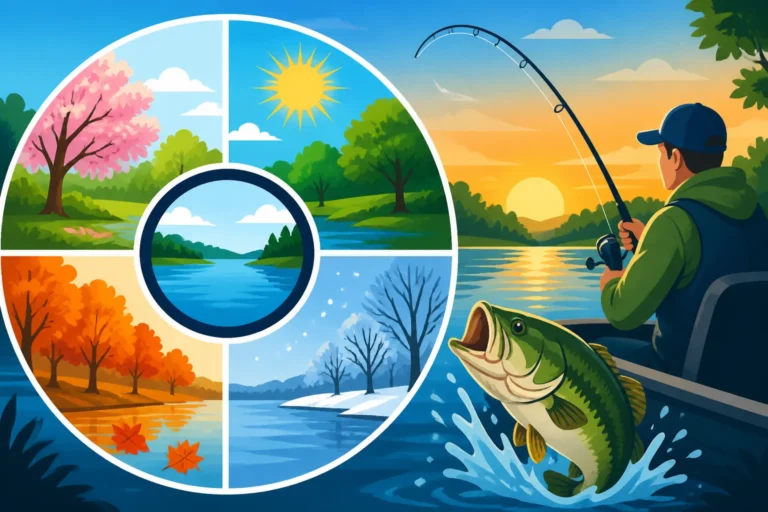
Seasonal Strategies for Success on Salamonie
Understanding how the seasons affect fish behavior on Salamonie Lake is paramount to consistent success. Each season presents unique opportunities and challenges, influencing everything from fish location to the most effective bait choices.
Spring: The Rebirth of the Fishery
Spring on Salamonie Lake is a time of incredible opportunity as the waters begin to warm and fish become increasingly active. After the long chill of winter, fish start moving out of their deep wintering holes and into shallower areas in search of warmer water and spawning grounds. This period, from late March through May, is often considered prime time for many species.
As water temperatures climb into the 50s and 60s, largemouth bass will move to shallow, protected coves and sun-drenched flats to stage for the spawn. Crankbaits, spinnerbaits, and jigs are highly effective as bass become aggressive, feeding heavily before and during spawning. Crappie also push shallow, congregating in massive schools around submerged timber and brush piles in just a few feet of water. This is when vertical jigging with minnows or small jigs can yield incredible numbers. Catfish, too, become more active as the water warms, moving into shallower feeding areas along creek channels and flats. Walleye and saugeye will often make spawning runs up the river arm or concentrate on rocky points in the main lake. It's a fantastic time for all species, but pay close attention to water temperature as small changes can trigger major movements.
Summer: Deep Water and Low-Light Action
Summer fishing on Salamonie Lake, typically from June through August, brings its own set of challenges and rewards. The hotter water temperatures and increased boat traffic often push fish into deeper, cooler waters or make them more active during low-light periods.
Largemouth bass will typically move to deeper structure, such as submerged humps, ledges, and the edges of creek channels. They'll still relate to cover, so look for deep brush piles, standing timber, or rock formations using your electronics. Texas-rigged worms, deep-diving crankbaits, and drop-shot rigs are excellent choices. Early mornings, late evenings, and even night fishing can be highly productive for bass, especially with topwater lures or buzzbaits fished over cover. Crappie will suspend over deep brush piles or along the thermocline if one forms, requiring anglers to fish deeper with minnows or vertical jigs. Catfish, particularly large flatheads and blues, are very active during summer nights, cruising flats and main channels. Setting lines with cut bait or live bait during the evening and fishing through the night can produce trophy-sized fish. Consider exploring some of the Night Fishing Spots on Indiana's Quiet Lakes for peaceful summer angling.
Fall: The Feeding Frenzy
Autumn, from September through November, is another incredible period for fishing on Salamonie Lake. As water temperatures begin to cool, many fish species enter a pre-winter feeding frenzy, trying to pack on calories. This can lead to some of the most aggressive bites of the year.
Largemouth bass will move back to shallower flats and points, often schooling up and actively chasing baitfish. Crankbaits, spinnerbaits, and jerkbaits that mimic shad are particularly effective during this time. The fall colors reflecting on the water, combined with aggressive fish, make for a truly enjoyable fishing experience. Crappie will also school up again, often in predictable patterns around brush piles and creek channels, offering fantastic action, similar to spring. Vertical jigging or slow trolling are prime techniques. Catfish continue to feed heavily throughout the fall, often congregating in deeper holes in the main channel as water temperatures drop. Walleye and saugeye become more active during the day, feeding aggressively on baitfish, and can be caught trolling crankbaits or jigging over structure. Understanding Switching From Summer Lures to Fall Patterns as Water Cools can make a big difference in your success.
Winter: The Patience Game
Winter fishing on Salamonie Lake, typically from December through February, requires patience and a different approach. While ice fishing can be popular on smaller, shallower Indiana lakes, Salamonie's size and fluctuating water levels often make safe, consistent ice extremely rare. Therefore, most winter fishing here is done from a boat.
Fish activity slows considerably in the colder water. Largemouth bass will hold tight to deep structure, often in large schools, requiring slow, precise presentations. Jigs, blade baits, and slow-rolled crankbaits in deep water can tempt lethargic bass. Crappie will suspend in very deep water, often over main lake humps or the deepest parts of creek channels, sometimes requiring very small jigs or minnows fished almost motionless. Catfish will also be in deep holes, and while they can be caught, the bite is generally much slower. Walleye and saugeye can sometimes be found in deeper areas, especially during brief warming trends. Winter fishing demands dedication and an understanding of how drastically fish metabolism slows. It's not about numbers, but often about the quality of a few hard-won bites.
Essential Gear for Salamonie Lake Fishing
Having the right gear for Salamonie Lake can make all the difference, enhancing your comfort, safety, and ultimately, your success on the water. Given the variety of species and fishing scenarios, a versatile setup is often beneficial.
Rods, Reels, and Line for Various Species
For bass fishing, a medium-heavy to heavy power baitcasting rod (6'6" to 7'6" in length) paired with a fast retrieve baitcasting reel (7.1:1 or higher) is ideal for throwing various lures like jigs, Texas rigs, and crankbaits. Spool it with 15-20 lb fluorocarbon or braided line with a fluorocarbon leader for sensitivity and strength. A medium-action spinning rod (6'6" to 7'0") with a 2500-3000 series spinning reel spooled with 8-12 lb fluorocarbon or braid is also valuable for finesse techniques or lighter lures.
For crappie and panfish, ultralight or light action spinning rods (5'6" to 6'6") paired with small 1000-2000 series spinning reels are perfect. Spool with 4-6 lb monofilament or light braided line for maximum sensitivity to light bites. This setup allows you to feel even the most subtle taps from these smaller fish.
Catfish demand heavier tackle, especially if you're targeting the larger flatheads or blue catfish. A heavy-action casting rod (7'0" to 8'0") with a robust baitcasting or conventional reel spooled with 30-50 lb monofilament or 50-80 lb braided line will give you the power needed to land big cats. Look for specific Best Catfish Rods for Indiana Rivers if you plan to hit the river sections frequently.
Walleye and saugeye often require a medium to medium-light spinning rod (6'0" to 7'0") with a 2500-3000 series reel spooled with 8-10 lb fluorocarbon or braided line. This provides the sensitivity to detect their often-subtle bites and the backbone to handle their powerful runs.
| Species Targeted | Rod Action/Power | Reel Size | Line Type/Strength | Primary Techniques |
|---|---|---|---|---|
| Largemouth Bass | Medium-Heavy | Baitcasting | Fluorocarbon/Braid 15-20 lb | Jigs, Crankbaits, Texas Rigs |
| Crappie / Panfish | Ultralight/Light | Spinning | Monofilament/Braid 4-6 lb | Vertical Jigging, Bobber |
| Catfish | Heavy | Baitcasting/Conventional | Mono/Braid 30-80 lb | Bottom Fishing, Live Bait |
| Walleye / Saugeye | Medium/Medium-Light | Spinning | Fluorocarbon/Braid 8-10 lb | Trolling, Jigging |
Electronics, Safety, and Other Essential Gear
Modern electronics are invaluable on a reservoir like Salamonie, especially for finding structure and fish. A quality fish finder with GPS capabilities can help you identify submerged creek channels, brush piles, humps, and even individual fish. Side imaging and down imaging are particularly useful for scouting large areas quickly. While not strictly necessary for every angler, a good fish finder can significantly reduce time spent searching and increase time spent fishing. Consider investing in one of the Best Fish Finders for Indiana Lake Fishing.
Safety should always be a top priority. Always have Coast Guard-approved life jackets for everyone on board, and ensure they are easily accessible. A first-aid kit, whistle or horn, paddle, and fire extinguisher are also essential safety items for any boat. Navigation lights are required for dawn, dusk, and night fishing. Don't forget your Indiana Fishing License Requirements Explained and keep it with you!
Beyond rods and reels, a few other items will enhance your trip:
- Tackle Box: Organize your lures, hooks, weights, and tools.
- Net: A good landing net is crucial, especially for larger bass, walleye, or catfish. For muskie, a larger, rubberized net is a must for fish safety.
- Cooler: To keep your catch fresh if you plan to harvest fish.
- Sun Protection: Sunscreen, hats, and polarized sunglasses are essential for long days on the water. Polarized sunglasses not only protect your eyes but also help you see into the water, spotting submerged structure or cruising fish.
- Maps: A good topographical map of the lake, either paper or digital, can help you identify contours, old river beds, and potential fishing spots.
Having a knowledgeable guide can also make a huge difference, especially if you're new to the lake. Many experienced local guides on platforms like FishingBooker can offer invaluable insights into Salamonie Lake’s current conditions and hot spots.
Disclaimer
Fishing regulations, license requirements, and lake conditions can change. Always consult the latest official Indiana Department of Natural Resources (IDNR) publications for the most up-to-date information before you go fishing. This guide is for informational purposes only and should not replace official sources. Be safe, responsible, and enjoy your time on the water.