Indiana’s Glacial Lake District: Home to Muskie, Pike, and Walleye
When most people think of fishing in Indiana, their minds might drift to catching a mess of bluegill on a warm summer evening, or perhaps battling a feisty largemouth bass in a southern reservoir. But up in the northeastern part of our beautiful state, something entirely different awaits. The true challenge and thrill for many anglers lies within Indiana's Glacial Lake District, where deep, clear waters hide some of the most sought-after and challenging predatory fish: the muskellunge, northern pike, and walleye. This guide will dive deep into what makes these lakes special and how you can successfully pursue these magnificent species.
Understanding Indiana's Glacial Lake District
Indiana’s Glacial Lake District is a unique geological marvel, a testament to the colossal forces of ancient glaciers that sculpted the landscape thousands of years ago. These aren't your typical shallow, murky Indiana farm ponds. Instead, you'll find deep, clear, often spring-fed lakes with complex bottom structures, ideal for larger, cooler-water species. This distinct environment sets it apart from much of the rest of the state, offering an entirely different angling experience that requires specialized knowledge and techniques.
Where to Find These Lakes
The heart of Indiana's Glacial Lake District primarily encompasses Kosciusko, Noble, and Steuben counties, though features extend into surrounding areas. This region is dotted with hundreds of lakes, ranging from small, isolated pockets of water to expansive, interconnected chains. Think of towns like Syracuse, Warsaw, Angola, and North Webster as your gateways to these incredible fisheries. Each lake, while sharing the glacial origin, has its own personality, depth profile, and dominant species, making exploration a continuous adventure. The Glacial Lakes of Kosciusko County for Muskie and Pike are particularly renowned, but don't overlook the treasures in neighboring counties.
When you're planning a trip to this area, it's worth taking the time to research specific lakes. Some might be known for trophy walleye, while others hold the state record muskie. The sheer number of waterways means there's always a new spot to discover, often with less pressure than the more popular bass-heavy lakes further south.
The Ecosystem That Supports Predatory Fish
What truly sets the Glacial Lake District apart is the unique ecosystem forged by its geological history. These lakes are often characterized by their significant depth, sometimes plunging well over 100 feet, and their remarkable clarity. This combination creates distinct thermal layers, or stratifications, crucial for cold-water species. Below the warmer surface waters, cooler, oxygen-rich depths provide ideal habitat for species like walleye, pike, and muskie, especially during the warmer months when other Indiana waters might become too warm.
The bottom structure is another key factor. Glacial lakes often feature steep drop-offs, expansive flats, rocky points, deep weed lines, and submerged timber—all perfect ambush points for predatory fish. A healthy population of baitfish, such as ciscoes, perch, and suckers, thrives in these clear waters, providing a robust food source that allows these apex predators to grow to impressive sizes. Understanding these underwater landscapes is paramount to consistently finding and catching these elusive fish.
Muskellunge: The Apex Predator of the Lakes
The muskellunge, or muskie, often referred to as "the fish of a thousand casts," is arguably the most challenging and rewarding fish an angler can pursue in Indiana. These magnificent creatures are pure power and aggression, with a reputation for testing even the most seasoned fishermen. If you're looking for an adrenaline rush on the water, targeting muskie in Indiana's glacial lakes is where you'll find it. Their sheer size and brutal fighting style make them a true freshwater trophy.
Identifying Indiana Muskie
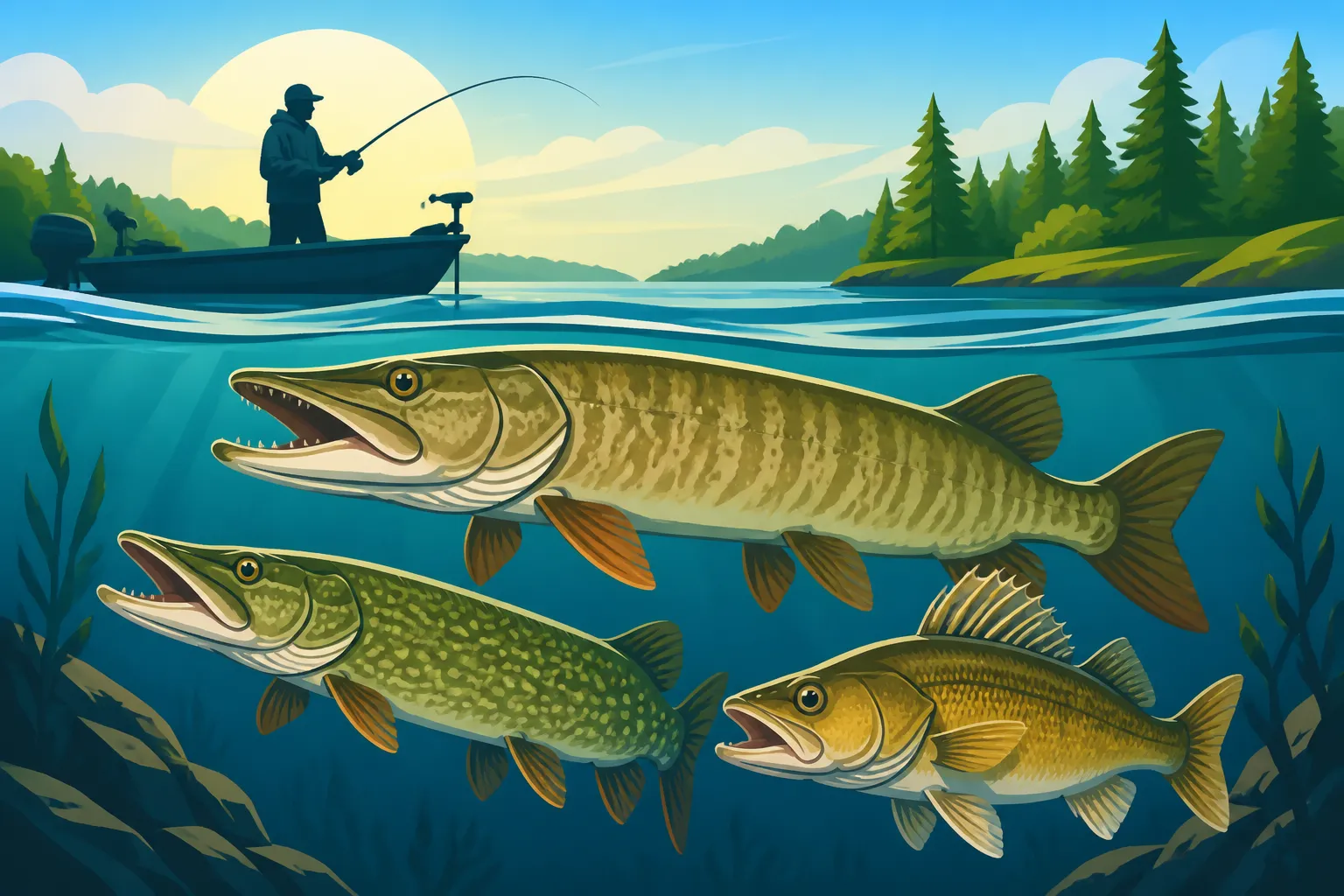
Muskies are instantly recognizable by their long, slender, torpedo-shaped bodies, typically marked with dark spots, bars, or irregular patterns on a lighter background. One of the most reliable ways to distinguish them from their close relative, the northern pike, is by looking at the pores on the underside of their jaw. Muskies generally have seven to nine pores on each side, while pike have five or fewer. They also tend to have more scales on their cheek and gill covers compared to pike. These subtle differences become important when you’re trying to identify your catch and ensure you’re adhering to specific regulations.
Size is, of course, a huge factor. Indiana muskies can grow to impressive lengths, with trophy fish often exceeding 40 inches and occasionally pushing past 50 inches. How Big Do Muskellunge Get in Indiana Waters? is a common question, and the answer can be truly staggering, making every hook-up a potential record-breaker. When you encounter one of these giants, their powerful tail and massive jaws filled with razor-sharp teeth leave an unforgettable impression.
Top Muskie Lakes and Prime Seasons
While muskie populations exist in several glacial lakes, a few stand out as prime destinations. James Lake and Indiana's State Muskie Record is one such legendary spot, having produced the state's largest muskies. Other fantastic waters include Webster Lake and Lake Wawasee, which is also Lake Wawasee: Indiana's Largest Natural Lake. These lakes offer the depth, forage, and habitat necessary for muskie to thrive and grow to trophy proportions. Targeting the right lake is the first step in your muskie quest.
The prime seasons for muskie fishing generally align with cooler water temperatures. Spring, shortly after ice-out, can be excellent as muskies shake off winter sluggishness and become more active. However, many seasoned anglers swear by the fall, particularly September and October, as the best time to pursue these giants. As water temperatures drop, muskies feed aggressively, bulking up for winter, making them more susceptible to large baits and lures. This period also often brings out the biggest fish of the year. For more on this, check out Best Time of Year for Muskie Fishing in Indiana.
Essential Gear and Techniques for Muskie
Muskie fishing is not for the faint of heart, nor for light tackle. You need robust gear that can withstand the incredible power and razor-sharp teeth of these fish. A heavy-action casting rod, typically 7 to 9 feet long, paired with a high-quality baitcasting reel spooled with strong braided line (at least 80-100 pound test) is standard. Don't forget a heavy-duty fluorocarbon or wire leader; anything less will be bitten through in an instant. Lures are often large, ranging from massive bucktails and spinnerbaits to oversized crankbaits and glide baits, sometimes exceeding a foot in length. You can find a good selection of specialized muskie lures on platforms like Amazon, but always prioritize quality and strength.
Technique involves a lot of casting, retrieving, and the famous "figure-eight" maneuver at the boat side to entice following fish to strike. Precision casting to weed edges, rocky points, and submerged structures is crucial. It’s a game of patience and persistence, but when that strike finally comes, it's nothing short of electrifying. Mastering these techniques takes time, but the payoff of landing a true Indiana muskie is immense. For a deeper dive into what you need, see Muskellunge Fishing in Indiana: What Anglers Need to Know.
Northern Pike: A More Accessible Challenge
Often confused with muskie, the northern pike is another formidable predator inhabiting Indiana's glacial lakes. While they may not reach the same gargantuan sizes as their muskie cousins, pike offer an exciting and often more accessible angling experience. They are aggressive, readily strike a variety of lures, and put up a fantastic fight, making them a popular target for many anglers looking for a challenging sport fish without the extreme dedication sometimes required for muskie.
Northern Pike Identification and Habits
Northern pike are easily identified by their long, olive-green bodies with light, bean-shaped spots on a darker background—a distinct reversal of the muskie's pattern. As mentioned before, they have five or fewer sensory pores on each side of their lower jaw, another key identifier. Their duck-bill snout and rows of sharp, backward-pointing teeth are unmistakable, perfectly adapted for ambushing and holding onto prey. Pike are often found in shallower, weedier areas than muskie, though they will utilize deeper structure, especially in larger glacial lakes. They are notorious ambush predators, lurking in vegetation and striking passing baitfish with explosive speed. Northern Pike Identification: Light Spots on a Dark Body provides more detailed visual cues.
These fish are incredibly opportunistic feeders, devouring anything from smaller fish to frogs, ducklings, and even small mammals. Their aggressive nature means they're often willing to hit a variety of lures, making them a fantastic sport fish for anglers of all skill levels, provided they have the right tackle.
Best Pike Waters and Fishing Tips
You’ll find northern pike widely distributed throughout the Glacial Lake District, often cohabiting the same waters as muskie, but usually favoring different depths and cover. Many of the lakes in Kosciusko and Steuben counties, such as Lake Webster, Tippecanoe Lake, and Crooked Lake, hold healthy populations. Rivers like the Tippecanoe also offer excellent pike fishing, particularly in the slower-moving, weed-choked sections. Where to Catch Northern Pike in the Glacial Lake District will give you a head start on finding these eager biters.
When fishing for pike, look for areas with dense aquatic vegetation, submerged logs, or rocky structures near drop-offs. Early morning and late evening often provide the best action, especially in warmer months. In spring and fall, pike can be active throughout the day. Casting spoons, spinnerbaits, and even large jigs into and around cover are effective strategies. Patience is important, but often less so than with muskie, as pike are typically more willing to strike.
Recommended Pike Tackle and Lures
For northern pike, a medium-heavy to heavy-action spinning or baitcasting rod, typically 6 to 7.5 feet long, is a good choice. Pair this with a sturdy reel spooled with 20-30 pound braided line. Just like with muskie, a heavy fluorocarbon or steel leader is absolutely essential to prevent bite-offs from their sharp teeth. Without a leader, you're just donating lures.
Lure selection for pike is broad and fun! Classic choices include flashy spoons in silver, gold, or copper, like those you might find on Amazon. Spinnerbaits with large blades in chartreuse or white are also very effective, especially when worked through weed beds. Large crankbaits, jerkbaits, and even topwater lures can also provoke aggressive strikes. Live bait, such as large shiners or suckers, fished under a bobber or on a quick-strike rig, can also be deadly, especially when pike are less active. You can learn more about appropriate tackle in Northern Pike Fishing in Indiana: A Complete Guide.
Walleye: The Elusive Golden Fish
The walleye, with its distinctive "glassy" eyes and rich, flaky white meat, is one of the most highly prized freshwater game fish in North America. In Indiana's Glacial Lake District, these elusive predators offer a rewarding challenge and a delicious reward for those patient enough to figure them out. Unlike the explosive strikes of pike and muskie, walleye often deliver subtle bites, requiring a keen sense of feel and quick reflexes. Their preference for low light and specific habitats makes them a true angler's quarry.
Spotting the Walleye
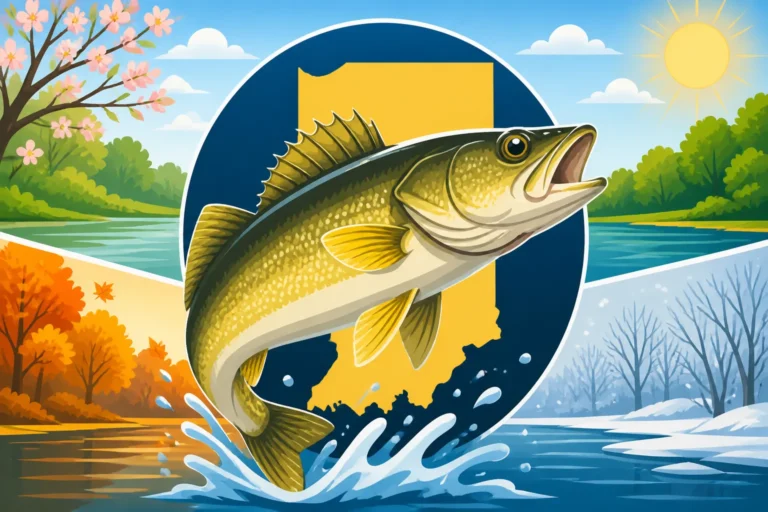
Walleye are easily identified by their torpedo-shaped body, typically olive and gold with dark mottling or bars, and a distinct white tip on the lower lobe of their tail fin. Their most defining feature, however, is their large, pearlescent eyes, which are adapted for excellent low-light vision – hence the "walleye" name. This adaptation makes them particularly active during dawn, dusk, and even throughout the night. Walleye Identification: Olive-Gold Color and White-Tipped Tail covers these features in detail.
Another key identifier is the sharp dorsal fin, which can deliver a painful poke if you're not careful when handling them! While generally smaller than muskie or large pike, Indiana walleye can still grow to impressive sizes, with fish in the 20-30 inch range being excellent catches. Their firm, mild-flavored meat makes them a favorite for the dinner table, adding another layer of appeal to their pursuit.
Key Walleye Lakes and Seasonal Patterns
The Glacial Lake District offers some of the best walleye fishing in Indiana. Lakes like Syracuse Lake, Lake Maxinkuckee, Lake George, and even portions of Lake Wawasee are known for their walleye populations. These lakes provide the deep, clear, oxygenated water and abundant forage that walleye prefer. Knowing which lakes have consistent stocking programs and natural reproduction is key to planning a successful trip. Indiana Walleye Length Limits by Lake can vary significantly between specific bodies of water, so always consult the latest regulations for your chosen fishing spot.
Walleye exhibit distinct seasonal patterns. In spring, after ice-out, they'll often be found shallower, especially near rocky shorelines and gravel flats, as they prepare to spawn. As summer progresses, they move to deeper, cooler waters, often congregating around main lake points, submerged humps, and deep weed edges. Fall sees them resume active feeding in preparation for winter, often moving back to shallower breaks. The low-light conditions of early morning, late evening, and night are almost always prime times for walleye, capitalizing on their superior vision. For more seasonal insights, check out Best Months for Walleye Fishing in Indiana's Glacial Lakes.
Effective Walleye Fishing Techniques
Successful walleye fishing often revolves around covering water and presenting baits in their preferred depth zones. Trolling crankbaits or spinner rigs is a highly effective way to locate active fish, especially on larger lakes. Experiment with different depths and speeds until you find the pattern. Jigging with live bait (minnows, nightcrawlers) or artificial plastics, particularly in low light or over distinct structure, is another classic walleye technique. Vertical jigging directly over schools of fish marked on your fish finder can be incredibly productive.
Live bait presentations, such as a slip-bobber rig with a shiner or leech, or a bottom-bouncing rig with a nightcrawler, are also very effective, especially when walleye are sluggish or holding tight to the bottom. Don't be afraid to fish after dark; some of the biggest walleye are caught under the cover of night when they move into shallower feeding areas. Having a quality headlamp, easily found on Amazon, is essential for these nocturnal adventures.
| Fish Species | Typical Size Range (Indiana) | Primary Habitat Preferences | Common Lures/Bait | Fight Style | Difficulty |
|---|---|---|---|---|---|
| Muskellunge | 30-50+ inches | Deep, clear lakes; weed edges, submerged structures, open water | Large bucktails, crankbaits, glide baits, jerkbaits | Explosive, powerful, long runs | High |
| Northern Pike | 20-35 inches | Weedy bays, shallow cover, points, rivers | Spoons, spinnerbaits, crankbaits, live minnows | Aggressive, strong headshakes | Medium |
| Walleye | 15-25 inches | Deep, clear lakes; main lake points, humps, deep weed lines | Jigs (live bait or plastic), crankbaits, spinner rigs | Subtle bite, strong pull, deep fights | Medium-High |
Conservation and Sustainable Practices in the Glacial Lakes
As anglers, we have a responsibility to protect the incredible fisheries of Indiana's Glacial Lake District. These ecosystems are fragile, and the populations of muskie, pike, and walleye, while resilient, rely on thoughtful management and responsible angling practices. Ensuring these species thrive for future generations means understanding and adhering to regulations, practicing careful catch and release, and generally being good stewards of the environment.
Understanding Bag and Length Limits
One of the most crucial aspects of conservation is knowing and following the specific bag and length limits for each species. These regulations are put in place by the Indiana Department of Natural Resources (DNR) to ensure healthy fish populations. For example, Walleye Minimum Length North of State Road 26 might differ from other parts of the state or even specific lakes. Muskies typically have very restrictive length limits, often requiring fish to be well over 30 or 40 inches before they can be kept, if at all. Many anglers choose to release all muskie regardless of size.
Northern pike and walleye also have specific rules regarding how many you can keep and how large they must be. These limits are not arbitrary; they are carefully determined based on scientific data about growth rates, spawning success, and population health. Always check the current Indiana Fishing Guide before heading out, as regulations can sometimes change. Ignoring these rules not only puts the fishery at risk but can also lead to significant penalties, including fines and license suspension.
Catch and Release Best Practices
For many trophy fish, especially muskie and large pike, catch and release is not just encouraged, it's a vital component of conservation. Releasing these mature fish allows them to continue contributing to the gene pool, ensuring strong future populations. However, releasing large, powerful fish safely requires specific practices to minimize stress and maximize their survival chances. This includes using appropriate tackle to land them quickly, minimizing their time out of water, and using specialized tools like long-nosed pliers or jaw spreaders to remove hooks.
When you do land a trophy, avoid placing it on rough surfaces or handling it by the gills. Support its body horizontally, ideally keeping it submerged as much as possible, for a quick photo. Never grab a muskie or large pike by the eye sockets; their large eyes are easily damaged. Proper handling and revival techniques are paramount to ensuring your released fish swims away healthy and can be caught another day. Consider investing in a high-quality, knotless rubber landing net, which can be found on Amazon, to help protect fish during landing and handling.
Supporting the Future of Indiana's Trophy Fishery
Beyond personal angling practices, supporting the future of Indiana's trophy fishery involves a broader commitment. Participating in or supporting local conservation organizations that focus on habitat restoration, fish stocking programs, and public education can make a significant difference. Many groups work directly with the DNR to enhance fish populations and improve water quality in the glacial lakes.
Additionally, respecting the natural environment by not littering, properly disposing of fishing line, and being mindful of invasive species transfer are crucial. Clean boats and trailers before moving between lakes to prevent the spread of harmful plants and animals. By working together, we can ensure that the Glacial Lake District remains a premier destination for muskie, pike, and walleye fishing for generations of Hoosier anglers to come.
Disclaimer
This article is for general informational purposes only and does not constitute professional advice. Laws, prices and regulations vary by location and change over time. Consult a qualified professional for guidance on your specific situation.