James Lake and Indiana’s State Muskie Record
Oh, the dream of hooking into a true monster! If you've ever spent countless hours casting for muskie, you know that the pursuit of Indiana's state record can feel like a mythical quest. Many anglers get bogged down in the sheer enormity of the challenge, wondering if such a fish even exists or if their favorite spot holds the key. This comprehensive guide is here to cut through the mystery, focusing on James Lake, a renowned muskie haven, and shedding light on what it truly takes to chase that elusive state record.
James Lake: A Muskie Hunter's Paradise
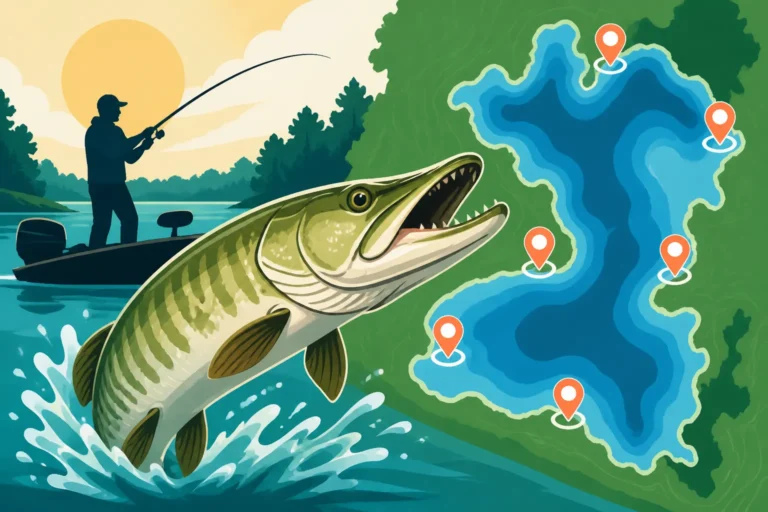
James Lake, nestled beautifully in Steuben County in the northeastern corner of Indiana, isn't just another pretty body of water; it's a legitimate trophy muskie destination. For years, anglers have whispered tales of massive muskellunge lurking beneath its surface, and for good reason. This lake has a proven track record of producing not just muskie, but big muskie, making it a bucket-list spot for serious esox hunters. If you're serious about chasing that fish of a thousand casts, James Lake needs to be on your radar.
The Lake's Unique Characteristics
What makes James Lake so special for muskie? Well, it's a combination of factors. First off, it's a relatively large, deep natural lake, part of Indiana's incredible chain of glacial lakes. Its depths can reach over 80 feet in some areas, providing ample cool, oxygenated water for these cold-water predators, especially during the warmer summer months when other shallower lakes become less productive. This deep water also offers muskie plenty of refuge and ambush points. The lake boasts a diverse bottom structure, with sharp drop-offs, expansive flats, and submerged humps that create perfect hunting grounds. You'll find a mix of clear water sections, which can make for challenging sight fishing, and areas with stained water, where muskie rely more on their lateral line to detect vibrations. The abundance of healthy baitfish, like cisco (lake herring) and yellow perch, forms a robust food web that allows muskie to grow to impressive sizes. It’s truly a special ecosystem that caters perfectly to these apex predators.
Prime Muskie Habitats
When you're out on James Lake, understanding where muskie prefer to hang out is half the battle. These fish are ambush predators, so they're always looking for cover and structure that allows them to hide and dart out at unsuspecting prey. You'll want to focus on distinct features like deep weed lines, particularly those healthy cabbage and coontail beds that extend into deeper water. Muskie will often position themselves on the outer edges, waiting for baitfish to swim by. Drop-offs, especially those leading from shallow flats into deeper basins, are also prime real estate. These depth changes create current breaks and natural travel corridors for baitfish, making them ideal ambush points. Keep an eye out for submerged timber, rock piles, or old cribs – any kind of hard structure provides excellent cover. Points that extend out into the main lake can also be hotspots, especially if they have access to both deep and shallow water, offering diverse feeding opportunities throughout the day. If you're looking for specific spots, check out our guide on Where to Catch Muskie on James Lake to get a head start.
Beyond Muskie: Other Species in James Lake
While muskie are undoubtedly the star attraction at James Lake, they're certainly not the only game in town. The lake's healthy ecosystem supports a diverse range of fish species, which can provide a fun change of pace or a backup plan if the muskie are being finicky (which, let's be honest, they often are!). Anglers can regularly catch respectable numbers of largemouth and smallmouth bass, particularly around the shallower weed beds and rocky areas. You'll also find a good population of northern pike, which often coexist in similar habitats to muskie, though they tend to prefer slightly shallower water. Panfish, such as bluegill, crappie, and yellow perch, are abundant and provide excellent opportunities for a relaxing day of fishing, especially for families or beginners. These smaller fish also serve as a crucial food source for the lake's larger predators, contributing to the overall health and productivity of the muskie fishery. Exploring James Lake Fishing Access Points for Muskie Anglers will give you a good idea of how to reach these varied fishing grounds.
Understanding Indiana's State Muskie Record
Every muskie angler dreams of it: the fish of a lifetime, one that not only earns bragging rights but also a place in the record books. Indiana has a rich history of muskie fishing, and the state record is a testament to the dedication of anglers and the quality of our waters. Chasing this kind of record is a serious endeavor, one that combines skill, patience, and a bit of pure luck.
The Current Record Holder
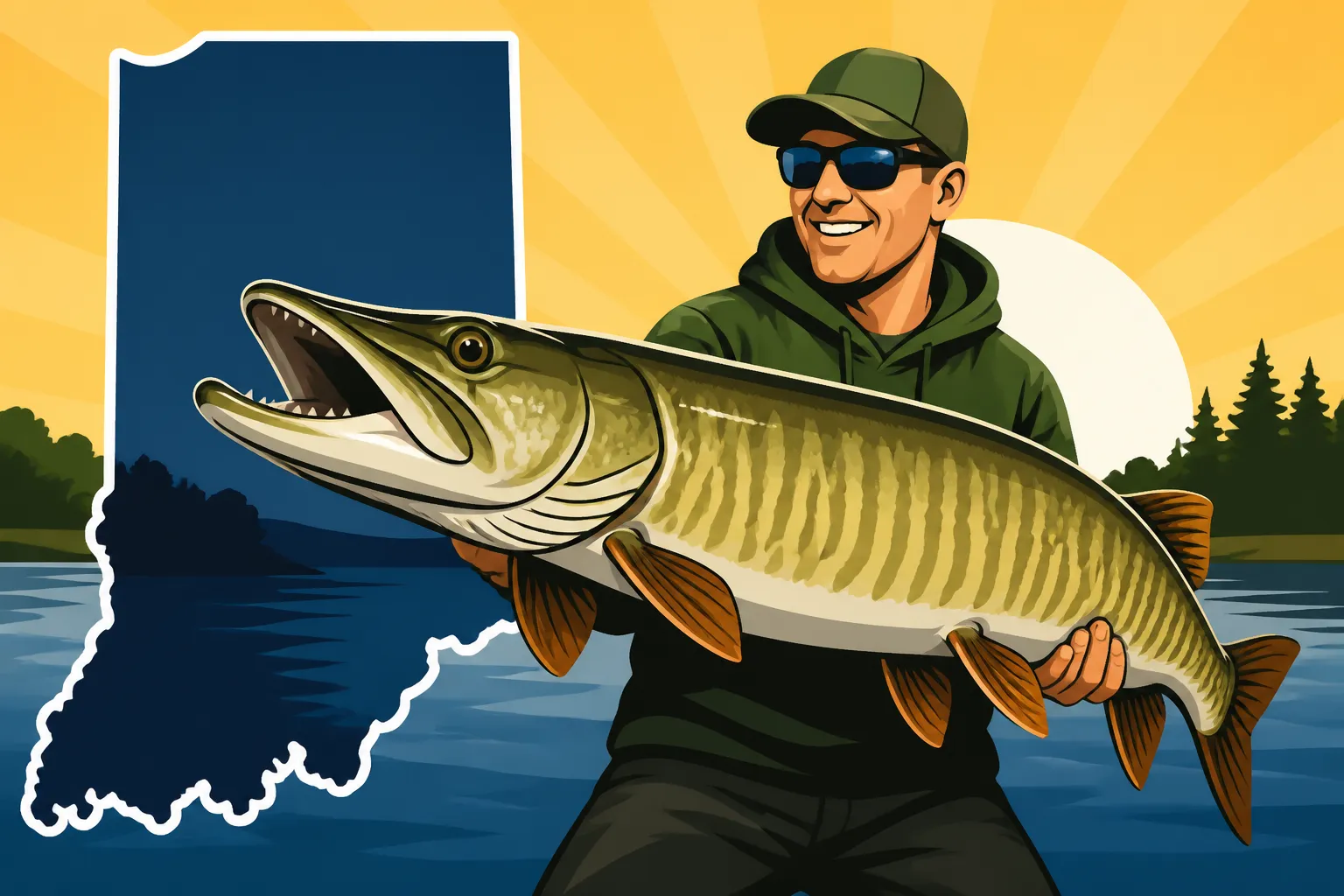
As of my last check, Indiana's current state record for muskellunge stands at an impressive 42 pounds, 8 ounces, measuring 51 inches long. This absolute behemoth was caught by Jason Long out of the Tippecanoe River back in 2002. Imagine the fight! That's a fish that demanded respect and every ounce of strength from the angler. It's a significant benchmark, highlighting the potential for truly massive muskie in Indiana's diverse waterways, not just in lakes but in our larger river systems as well. While James Lake is a prime spot for trophy muskie, Jason's record serves as a reminder that these giants can turn up in unexpected places, proving that perseverance often pays off. The sheer size of this fish sets a high bar and keeps the dream alive for every muskie angler casting their line in the Hoosier state.
How Records Are Verified
Catching a potential state record muskie is just the first, albeit most exciting, step. The journey to official recognition requires a strict verification process to ensure accuracy and fairness. First and foremost, the fish must be weighed on a certified scale, usually at a grocery store or a bait shop that has scales regularly inspected by the state for commercial use. Two witnesses, unrelated to the angler, must be present during the weighing. The length and girth measurements are also crucial, often requiring precise photography to document. The Indiana Department of Natural Resources (DNR) then requires detailed photographs, specific forms to be filled out, and sometimes even a visit from a DNR biologist to confirm the species and inspect the catch. It’s a thorough process designed to eliminate any doubt and uphold the integrity of the state’s fishing records. Missteps in this process can unfortunately invalidate a record, so it’s essential to know the specific steps before you even head out. Every detail matters when you're talking about a record-breaking fish.
The Allure of a Trophy Muskie
Why do muskie anglers put in so many "casts of a thousand casts" for these fish? It's not just about the size, though that's certainly a huge part of it. The allure of a trophy muskie comes from their elusive nature, their raw power, and their undeniable intelligence. These fish are apex predators, wary and intelligent, making them incredibly challenging to hook. When you do finally get a strike, the fight is nothing short of epic – a violent, head-shaking, water-thrashing battle that tests your gear and your resolve. Every muskie angler has stories of follows, misses, and heartbreaking lost fish, which only amplifies the exhilaration when you finally land one. The sheer dedication required to consistently pursue muskie creates a unique camaraderie among anglers. It's about the hunt, the strategy, the constant learning, and that fleeting, electrifying moment when everything comes together. Landing a trophy muskie, let alone a state record, is the ultimate validation of years spent on the water, honing skills, and understanding these magnificent creatures.
Strategies for Targeting Muskie on James Lake
Muskie fishing isn't for the faint of heart or the impatient. It demands a specific approach, the right gear, and a deep understanding of fish behavior. When you're on James Lake, aiming for a trophy, every detail counts. Forget your bass gear; muskie require heavy-duty tackle and a different mindset.
Essential Gear and Tackle
To effectively target muskie on James Lake, you absolutely need specialized gear that can handle these powerful fish. We're talking about heavy-action casting rods, typically 8 to 10 feet long, designed to cast large, heavy lures and absorb the shock of a violent strike. Match these with stout baitcasting reels, like those from Abu Garcia or Shimano, spooled with 80 to 100-pound braided line. Braided line is crucial because it has no stretch, allowing for solid hooksets and direct control over powerful runs. Don't skimp on leaders; muskie have razor-sharp teeth, so a heavy-duty fluorocarbon (100-150 lb test) or wire leader (at least 12 inches long) is non-negotiable to prevent bite-offs. As for lures, a diverse selection is key. Large bucktails (double-bladed versions are popular), big crankbaits that dive to different depths, jerkbaits, and soft plastic swimbaits are all staples. Pay attention to colors; natural patterns often work well in clearer water, while brighter colors can be effective on cloudy days or in stained water. Having a quality landing net with a large, rubberized mesh is also vital for the safe handling and release of these big fish. Our guide to Best Muskie Lakes in Indiana's Glacial Lake District often covers gear, but James Lake demands the best.
Best Times and Seasons
Timing is everything when it comes to muskie fishing, and James Lake is no exception. While muskie can be caught year-round (even through the ice if conditions allow), certain seasons and times of day offer significantly better odds. Spring, shortly after ice-out, can be productive as muskie become more active, feeding heavily after a long winter. However, the true "muskie season" often kicks into high gear during the late summer and especially into the fall. As water temperatures begin to cool in September and October, muskie go on a major feeding binge, stocking up on calories for the approaching winter. This is often when the biggest fish are caught. During the day, low-light periods are often best: early morning, late evening, and overcast days. Muskie eyes are adapted for low light, giving them an advantage over prey during these times. Even a full moon can sometimes trigger night feeding frenzies. Pay attention to weather fronts; a stable weather pattern for a few days can often lead to more active fish than rapidly changing conditions. Our article on the Best Time of Year for Muskie Fishing in Indiana goes into more detail.
Effective Fishing Techniques
Muskie fishing techniques are often physically demanding and require specific approaches to entice these wary predators.
Casting: This is perhaps the most common technique. You'll be making hundreds, if not thousands, of casts throughout the day, covering prime muskie habitat like weed lines, points, and drop-offs. The key is to vary your retrieve speed and depth, experimenting until you find what triggers a bite. Many anglers employ a "power fishing" approach, casting quickly and systematically to cover as much water as possible. When casting big bucktails, retrieve them fast enough to keep the blades spinning and create a strong vibration. For crankbaits and jerkbaits, a stop-and-go retrieve with pauses can often be deadly. For a deeper dive into this, check out Muskie Casting Techniques.
Trolling: On larger lakes like James Lake, trolling can be incredibly effective, especially for covering vast areas of open water or targeting muskie suspended over deep basins. Use large trolling lures, often crankbaits or deep-diving stickbaits, and vary your speeds and depths. Downriggers or planer boards can help present lures at precise depths and away from the boat, mimicking natural baitfish schools. This technique is particularly useful for finding active fish or when muskie are scattered.
The Figure-Eight: This is a technique every muskie angler must master. When a muskie follows your lure right up to the boat but doesn't strike, don't pull your lure out of the water! Instead, plunge your rod tip into the water and trace a large, wide figure-eight pattern with your lure next to the boat. This erratic, darting motion often triggers a last-second, impulsive strike from a hesitant muskie. It's a critical technique that can turn a "follow" into a "catch." Learn more about it in How to Figure-Eight a Muskie at the Boat. These techniques, combined with patience and persistence, are your best bet for success on James Lake.
Planning Your James Lake Muskie Adventure
A successful muskie trip to James Lake isn't just about showing up with a rod and reel. It requires thoughtful planning, from knowing where to launch your boat to leveraging local expertise. This preparation can often be the difference between a frustrating day and an unforgettable experience.
Access Points and Boat Ramps
Getting your boat into James Lake is relatively straightforward, but knowing the best access points can save you time and hassle. The primary public access is usually managed by the Indiana Department of Natural Resources (DNR), offering well-maintained boat ramps. For James Lake, the DNR provides a ramp that offers ample parking for trailers and vehicles, making it convenient for launching even larger muskie boats. You'll want to arrive early, especially on weekends during peak fishing season, as these spots can fill up quickly. Always make sure your boat is properly registered and equipped with all required safety gear before heading out onto the water. Checking local conditions or calling a nearby bait shop for up-to-date ramp information can also be a smart move, as water levels or seasonal maintenance can sometimes affect access. For more detailed directions and facilities information, our guide on The Boat Ramp Locals Use to Reach James Lake's Muskie Water is an excellent resource.
Local Guides and Resources
While self-guided trips are rewarding, there's an undeniable advantage to tapping into local expertise, especially when chasing an elusive species like muskie. Hiring a reputable fishing guide who specializes in James Lake muskie can drastically increase your chances of success. These guides spend countless hours on the water, understanding seasonal patterns, muskie movements, and the most effective presentations for that particular day. They know the subtle nuances of the lake's structure that maps might not reveal and can quickly put you on fish. Services like FishingBooker make it incredibly easy to find and book experienced local muskie guides for James Lake. They often provide all the necessary specialized gear, meaning you don't have to invest in expensive muskie tackle just for one trip. Even if you don't hire a guide, visiting local bait and tackle shops around Angola or Steuben County can offer invaluable insights into recent patterns, hot baits, and current water conditions. Don't be shy about striking up conversations with other anglers at the boat ramp; many are willing to share general tips. Utilizing these resources, whether a paid guide or local intelligence, can be a game-changer for your James Lake muskie quest. FishingBooker lists several top-rated guides in the region who know these waters intimately.
Conservation and Catch-and-Release Practices
Muskellunge are a precious resource, and their populations are often fragile. Due to their slow growth rates and the intense fishing pressure they face, conservation and proper catch-and-release practices are absolutely critical, especially when targeting trophy fish on lakes like James. These fish can live for many years, and a large muskie represents a significant genetic contribution to the fishery. Always use proper landing techniques, such as a large, rubberized landing net or a sturdy cradle, to minimize stress and injury. Avoid handling muskie by the gills or vertically hanging them; instead, support their body horizontally. Use long-nosed pliers or jaw spreaders to quickly and safely remove hooks. Take photos quickly, holding the fish horizontally near the water, and get them back into the water as soon as possible. Spend time reviving the fish if necessary, holding it upright in the water until it can swim away strongly on its own. The goal is for that trophy muskie to live to fight another day and perhaps grow even larger, contributing to the health of the James Lake fishery for future generations.
Navigating Regulations and Safety
Before you even think about casting a line for that trophy muskie on James Lake, it's absolutely essential to be well-versed in Indiana's fishing regulations and general boating safety. Ignoring these rules can lead to hefty fines, legal trouble, and, more importantly, can put you and others at risk. A prepared angler is a safe and responsible angler.
Indiana Muskie Regulations
Indiana has specific regulations in place to protect its muskie populations, and these can vary from general statewide rules to specific lake-by-lake restrictions. For muskellunge, you'll need to know the minimum length limits and daily bag limits. Currently, the statewide muskie length limit is 36 inches, with a daily bag limit of one fish. However, it’s always critical to double-check the latest Indiana fishing regulations guide, as these rules can change annually. James Lake, being a premier muskie fishery, might have specific nuances worth noting within the regulations. These rules are designed to ensure that enough muskie survive to reproduce and contribute to a healthy, sustainable population, allowing these magnificent fish to grow to trophy sizes. Violating these regulations can result in significant penalties, so knowledge is truly power here. Make sure you understand the Indiana Fishing Regulations and Bag Limits Guide thoroughly before your trip.
Here's a quick reference for general Indiana muskie regulations:
| Species | Minimum Length | Daily Bag Limit | Notes |
|---|---|---|---|
| Muskellunge | 36 inches | 1 | Verify specific lake exceptions (e.g., Webster Lake has a 44-inch limit) |
| Northern Pike | 24 inches | 2 | Statewide |
| Largemouth Bass | 14 inches | 5 (combined) | Verify specific lake exceptions (e.g., some lakes have higher limits) |
| Walleye | 16 inches | 6 | Exceptions exist in certain lakes/rivers |
Boating Safety on James Lake
James Lake can get busy, especially during peak fishing season or on weekends, so boating safety is paramount. Always wear your life jacket, or at least have one readily accessible for every person on board, and ensure children are wearing theirs at all times. The water can be deceptively cold, even on a warm day, and accidents can happen quickly. Carry all required safety equipment, including a fire extinguisher, distress signals (flares or a horn), navigation lights (if boating at dawn, dusk, or night), and a throwable flotation device. Keep an eye on the weather; sudden storms can develop quickly on larger bodies of water, and high winds can make conditions dangerous. Have a reliable communication device, like a charged cell phone or marine radio, in case of an emergency. Share your float plan with someone on shore, letting them know where you're going and when you expect to return. Operating your boat responsibly and being aware of other boaters will ensure everyone has a safe and enjoyable time on James Lake.
Necessary Licenses and Stamps
Before you even think about putting a boat in the water or casting a line, you absolutely must have the proper Indiana fishing license. It's not just a formality; it's a legal requirement, and conservation agencies rely on license sales to fund vital fisheries management and habitat restoration projects. For Indiana residents and non-residents alike, a valid annual fishing license is almost always required. Children typically don't need a license until they reach a certain age, so be sure to confirm the current regulations for youth. While muskie fishing itself doesn't typically require an additional stamp like trout and salmon fishing does, it's always good practice to review the full list of requirements. You can easily purchase your license online through the Indiana DNR website, at a local bait shop, or at certain retail outlets. Don't risk a costly fine or having your fishing trip cut short because you didn't take a few minutes to get properly licensed. Read up on Indiana Fishing License Requirements Explained and learn How to Get an Indiana Fishing License before you hit the water. It’s a simple step that ensures you’re legal and supporting Indiana's fantastic fisheries.
Disclaimer
Please note that fishing regulations, bag limits, and licensing requirements can change. Always consult the most current Indiana Department of Natural Resources (DNR) fishing guide or website before heading out on your fishing trip to ensure you are in compliance with all applicable laws. This guide is for informational purposes only and does not constitute legal advice.