The Glacial Lakes of Kosciusko County for Muskie and Pike
The thrill of chasing true apex predators in freshwater is a unique joy, but for many anglers new to the scene, finding those elusive muskie and northern pike in Indiana can feel like searching for a needle in a haystack. Many feel overwhelmed by the sheer size of the lakes and the specialized techniques required. This comprehensive guide will help you demystify the incredible glacial lakes of Kosciusko County, offering detailed insights into where to find these magnificent fish, what gear you'll need, and the best strategies to land them, turning your frustration into triumphant casts.
Understanding Kosciusko County's Glacial Lakes
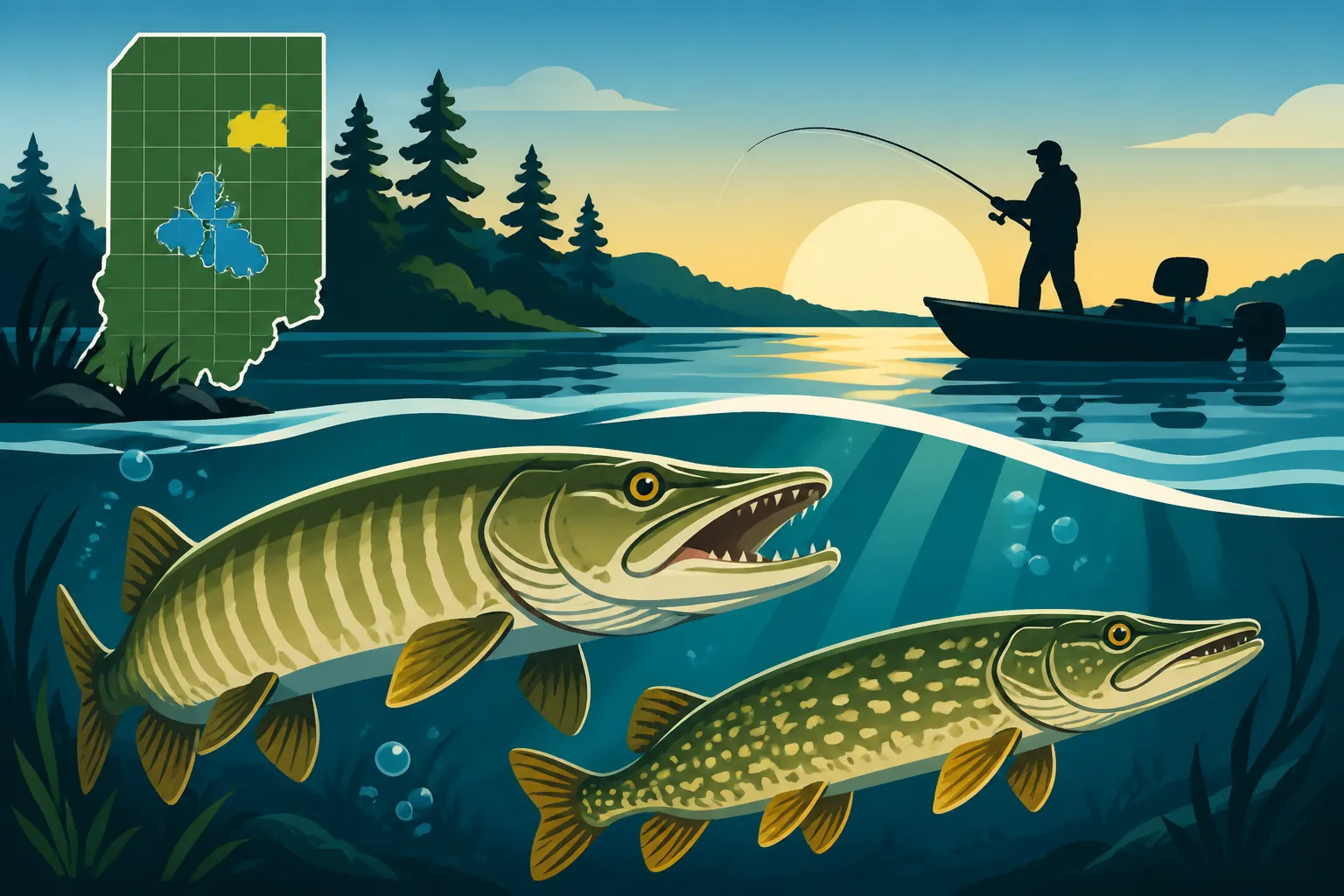
Kosciusko County, nestled in north-central Indiana, holds a special place in the hearts of many Hoosier anglers, particularly those with a passion for muskie and northern pike. This region is home to a unique collection of lakes, often referred to as "glacial lakes," thanks to their geological formation. These deep, clear, and often complex bodies of water offer some of the state's most challenging and rewarding fishing opportunities.
The Unique Geology That Shaped These Waters
The story of Kosciusko County's lakes begins thousands of years ago with massive glaciers. As these colossal ice sheets advanced and retreated, they carved out depressions in the landscape, depositing vast amounts of sediment, gravel, and rock. When the glaciers melted, these depressions filled with water, creating the distinctive basins we now know as the glacial lakes. This process left behind incredibly varied underwater topography, featuring deep holes, sharp drop-offs, expansive flats, and submerged structures that are absolutely critical for understanding where muskie and pike reside. Unlike many of Indiana's man-made reservoirs, these natural lakes often boast clearer water and specific vegetation types that provide ideal ambush points for these predatory fish.
Key Characteristics of Glacial Lakes for Fishing
What truly sets the glacial lakes apart for muskie and pike fishing is their combination of depth, water clarity, and diverse habitat. Many of these lakes are significantly deeper than the average Indiana waterway, often reaching depths of 50 feet or more, with some exceeding 100 feet in spots. This depth provides stable thermal refuge for fish throughout the year. The clearer water, a result of fewer suspended sediments, means these fish often rely more on sight than in murkier environments, which influences lure choices and presentation. Furthermore, the presence of specific submerged vegetation, such as coontail, milfoil, and various pond weeds, creates ideal cover for both forage fish and the predators that hunt them. Understanding these characteristics is the first step to unlocking success in these unique environments.
Major Lakes and Their Primary Species Focus
Kosciusko County boasts several prominent glacial lakes, each with its own reputation and primary species focus. Lake Wawasee, Indiana's largest natural lake, is a phenomenal multi-species fishery known for its muskie, pike, and walleye. Tippecanoe Lake, the state's deepest natural lake, is another muskie stronghold, along with its sister lake, James Lake, which has a specific muskie stocking program. Other significant lakes in the region include Webster Lake, Syracuse Lake, and Waubee Lake, all offering excellent opportunities for pike, bass, and panfish. Each lake presents its own challenges and rewards, making exploration a key part of the glacial lake fishing experience. Many local anglers consult platforms like FishingBooker to find guides who specialize in specific lakes or target species, ensuring they make the most of their trip.
Targeting Muskie in Kosciusko County
Muskellunge, often called the "fish of 10,000 casts," are the undisputed kings of the glacial lakes. These powerful, elusive predators are a bucket-list fish for many, and Kosciusko County offers some of the best opportunities in Indiana to pursue them. The challenge is immense, but the reward of landing a toothy behemoth is unparalleled. If you're looking for the thrill of the chase, these lakes are where you'll find it.
Top Muskie Lakes in the Region
When it comes to muskie, a few lakes in Kosciusko County consistently stand out. James Lake is arguably the most famous, largely due to its dedicated muskie management program by the Indiana Department of Natural Resources (DNR). It's connected to Lake Tippecanoe, forming a larger system where these fish can roam. Lake Webster, another gem, also holds a strong muskie population and is known for producing some truly impressive specimens. Lake Wawasee, with its vastness and diverse structure, is another prime location where you can encounter these giants. For detailed insights into the best places to find these fish, you might want to check out resources like our guide on the Best Muskie Fishing Lakes in Indiana. These lakes offer ample habitat, from deep weed lines to expansive open water, providing everything a muskie needs to thrive.
Muskie Behavior and Seasonal Patterns
Muskie are highly migratory and their behavior changes significantly with the seasons. In spring, after ice-out, they're often found in shallower, warming bays and near emergent vegetation, recuperating from winter and preparing to spawn. As summer progresses, they tend to move deeper, relating to thermoclines, offshore humps, and dense weed edges where they can ambush prey. Fall is a prime time for muskie fishing, as these fish enter a feeding frenzy, packing on weight before winter. They become incredibly aggressive, making it one of the most productive seasons to target them with larger baits. Understanding these seasonal shifts is crucial; you won't catch muskie consistently by fishing the same spots year-round. Knowing when and where to present your bait is key to overcoming the "fish of 10,000 casts" reputation. Our Best Time of Year for Muskie Fishing in Indiana guide can offer even more specific timing tips.
Recommended Muskie Baits and Techniques
Muskie fishing demands specialized gear and specific techniques. Large baits are the name of the game, mimicking the substantial prey these fish consume. Think big bucktails, jerkbaits, swimbaits, and glide baits, often ranging from 8 to 14 inches or even larger. Casting and retrieving these heavy lures can be physically demanding, requiring heavy-action rods and robust baitcasting reels. Trolling is also a highly effective method on the larger lakes, allowing you to cover vast amounts of water and present baits at specific depths. One of the most critical techniques, especially when casting, is the "figure-eight" at the boat. As your lure reaches the boat, instead of pulling it out of the water, plunge your rod tip into the water and trace a large figure-eight pattern. Muskie often follow a bait right to the boat, and this maneuver can trigger a strike from an otherwise hesitant fish.
Chasing Northern Pike in Kosciusko County
While muskie often steal the spotlight, northern pike are another formidable predator that calls Kosciusko County's glacial lakes home. These aggressive, toothy fish are more numerous than muskie and can offer exhilarating action, often willing to strike with a ferocity that can startle even experienced anglers. If you're looking for consistent action with a powerful fish, pike might just be your perfect target in these waters.
Prime Northern Pike Waters
Northern pike are widely distributed throughout many of Kosciusko County's glacial lakes, making them a more accessible target than the elusive muskie. Lakes like Webster, Wawasee, and Tippecanoe are excellent for pike, often holding good populations. However, don't overlook smaller, shallower glacial lakes and interconnected channels, which can also be fantastic pike territory. Syracuse Lake, for instance, is another good option. Pike tend to prefer areas with abundant weed growth, where they can ambush prey. Look for them in bays, along extensive weed lines, and near submerged brush or timber. The good news is, if you're fishing a lake that holds muskie, there's a very high probability it also holds a healthy population of northern pike. Exploring different parts of these systems can lead to surprising success.
Pike Habitat and Aggressive Strikes
Northern pike are ambush predators par excellence. They love to lie in wait amidst dense cover, such as weed beds, fallen trees, or dock pilings, exploding out to strike unsuspecting prey. Their aggressive nature means they're often more willing to hit a variety of lures and baits than muskie. You'll typically find them in cooler, oxygenated water, making them active even during parts of the summer when some other species might be sluggish. Their strikes are notoriously violent, often hitting with a jarring force that can rip the rod from an unprepared angler's hands. This aggressive feeding behavior makes them an incredibly fun fish to target, providing consistent excitement throughout the day. For more on where to find these fish, check out our guide on Kosciusko County's Best Lakes for Northern Pike.
Effective Pike Lures and Presentation
When targeting northern pike, you'll find a broader range of effective lures compared to muskie. Spinnerbaits, spoons, inline spinners, and medium to large crankbaits are all excellent choices. Colors that imitate common baitfish like perch, shad, or bluegill often work well, as do bright, flashy colors like chartreuse or fire tiger, especially in stained water. Presentation is key: pike often respond well to erratic retrieves, sudden jerks, and changes in speed that mimic a struggling baitfish. Casting parallel to weed lines or over submerged structure is a classic tactic. Remember, their sharp teeth demand a steel or heavy fluorocarbon leader to prevent bite-offs, just as with muskie. You can find more specific recommendations in our article about the Best Lures for Northern Pike in Indiana Lakes.
Essential Gear and Techniques for Glacial Lake Giants
Successfully landing muskie and pike in Kosciusko County's glacial lakes requires more than just luck; it demands specialized gear and a methodical approach. These are not your average panfish, and equipping yourself properly will significantly increase your chances of success and ensure the safe handling of these magnificent creatures.
Rods, Reels, and Line for Heavy Duty Fish
Forget your ultralight spinning combo; muskie and pike fishing calls for heavy-duty tackle. For muskie, you'll want a stout baitcasting rod, typically 7'6" to 9' in length, with a heavy or extra-heavy power rating and a fast action. This provides the backbone needed to cast heavy lures and turn a powerful fish. Pair it with a high-quality baitcasting reel with a strong drag system and a large line capacity. For line, 65-100 lb braided line is standard, offering incredible strength and minimal stretch for solid hooksets. For northern pike, you can often scale down slightly to a heavy spinning or medium-heavy baitcasting setup, using 30-50 lb braid, especially if you're casting smaller lures or fishing lighter cover. However, always err on the side of too heavy rather than too light. A breakdown of ideal setups can be found in our Best Rods for Muskie Fishing and Best Rods for Northern Pike articles.
Lures, Leaders, and Terminal Tackle Essentials
Beyond the rods and reels, your choice of lures and terminal tackle is paramount. For muskie, as mentioned, think large bucktails, inline spinners (like Mepps Musky Killers or Bucher Tailes), jerkbaits (Rapala Super Shad Raps, Salmo Fatso), glide baits, and large soft plastics. For pike, spoons (Daredevils, Doctor Spoons), spinnerbaits (Booyah Pikee), and crankbaits (Norman Deep Little Ripper, Bagley Rumble B) are all highly effective. Crucially, always use a bite-proof leader. Steel, titanium, or heavy-gauge fluorocarbon leaders (80-130 lb test) are non-negotiable to prevent pike and muskie from biting through your line with their razor-sharp teeth. Additionally, a large landing net with a deep, rubberized mesh is essential for safely landing and releasing these fish, minimizing harm to both the fish and yourself. Long-nose pliers or jaw spreaders are also vital for hook removal.
| Species Targeted | Recommended Rod Length/Power | Recommended Line (Braid) | Key Lure Types | Essential Terminal Tackle |
|---|---|---|---|---|
| Muskie | 7'6" – 9' H/XH Baitcasting | 65-100 lb | Bucktails, Jerkbaits, Swimbaits | Steel/Titanium Leader, Large Net, Long Pliers |
| Northern Pike | 6'6" – 8' MH/H Baitcasting/Spinning | 30-65 lb | Spinnerbaits, Spoons, Crankbaits | Steel/Heavy Fluorocarbon Leader, Net, Pliers |
Adapting to Seasonal Changes for Success
As touched on with muskie, understanding and adapting to seasonal changes is critical for both species. In the spring, after ice-out, look for pike and muskie in shallow, warmer water near spawning areas and new weed growth. As summer progresses and water temperatures rise, these fish will often move to deeper, cooler sections of the lake, relating to thermoclines, deep weed edges, and offshore structures. Mornings and evenings often offer the best bite during the heat of summer. Fall is arguably the best time for trophy muskie and pike, as they feed aggressively in preparation for winter. They can be found cruising deeper flats and relating to dying weed beds. Even winter, through the ice, can offer opportunities for pike. By staying flexible and adjusting your approach to the conditions, you'll maximize your chances throughout the year. For a broader view of the fishing calendar, consult the Indiana Fishing Seasons: A Month-by-Month Guide.
Planning Your Trip: Access, Lodging, and Local Resources
A successful fishing trip to Kosciusko County for muskie and pike involves more than just knowing where the fish are; it's about preparation, understanding local regulations, and tapping into valuable resources. From launching your boat to finding a comfortable place to stay, a little planning goes a long way.
Public Access Points and Boat Ramps
Kosciusko County offers numerous public access points and boat ramps, making it relatively easy to get your vessel on the water. For Lake Wawasee, public ramps can be found at the Syracuse Public Access Site and on the north side of the lake. Tippecanoe Lake has ramps at the Tippecanoe Public Access Site. James Lake is often accessed via the connecting channel from Tippecanoe or a specific ramp known for muskie anglers, like "The Boat Ramp Locals Use to Reach James Lake's Muskie Water". Webster Lake also has a couple of reliable public ramps. Before heading out, it's always a good idea to check the Indiana DNR website or a local bait shop for the most current information on ramp conditions, parking availability, and any potential launch fees. Arriving early, especially on weekends, is often advisable to secure a good spot.
Hiring a Local Guide for Muskie and Pike
For many anglers, especially those new to muskie or pike fishing or new to these specific glacial lakes, hiring a local fishing guide can be an invaluable investment. These guides possess years of experience on these waters, intimate knowledge of fish movements, and specialized equipment. They can teach you the ropes of casting large baits, interpreting electronics, and the nuances of specific lake structures. A good guide can significantly shorten your learning curve and increase your chances of connecting with a trophy fish. Platforms like FishingBooker are excellent resources for finding highly-rated local guides who specialize in muskie and pike fishing in Kosciusko County. They often have real-time availability and reviews from other anglers, helping you pick the perfect fit for your adventure. Even seasoned anglers sometimes book a guide to learn new tactics or explore unfamiliar areas.
Navigating Regulations and License Requirements
Before you even think about wetting a line, you need to ensure you're compliant with all Indiana fishing regulations. Every angler over the age of 18 (unless otherwise exempt) needs a valid Indiana fishing license. You can purchase these online, at various retail agents, or through the Indiana DNR mobile app. Additionally, there are specific size and bag limits for muskie and northern pike. For example, muskie typically have a minimum length limit of 36 inches, with a daily bag limit of one fish. Northern pike often have a 24-inch minimum length limit and a bag limit of three. It's crucial to consult the current Indiana Fishing Guide, available from the DNR or at license retailers, as these regulations can change. Ignorance of the law is not an excuse, and penalties for violations can be significant. Our guide on Indiana Fishing License Requirements Explained can help clarify what you need before your trip. Always remember, conservation is key to preserving these incredible fisheries for future generations.
Disclaimer
Please note that fishing conditions, regulations, and access points can change. While we strive to provide the most accurate and up-to-date information, it's always recommended to consult the official Indiana Department of Natural Resources (DNR) website or local authorities for the latest regulations, licensing requirements, and any advisories before planning your fishing trip. Always prioritize safety on the water and practice ethical angling, including catch and release for larger predatory species like muskie to help maintain healthy fish populations.