Best Season for Crappie Fishing
It can feel incredibly frustrating to hit the water expecting a great day of crappie fishing, only to find the fish are nowhere to be found, leaving you wondering if you picked the wrong time of year. Many anglers struggle to pinpoint the "best" season for crappie, often because these popular panfish change their habits so dramatically throughout the year. This comprehensive guide is here to break down crappie behavior month by month in Indiana, offering insights into their seasonal movements, feeding patterns, and the techniques that will give you the best chance of success, no matter when you decide to cast a line.
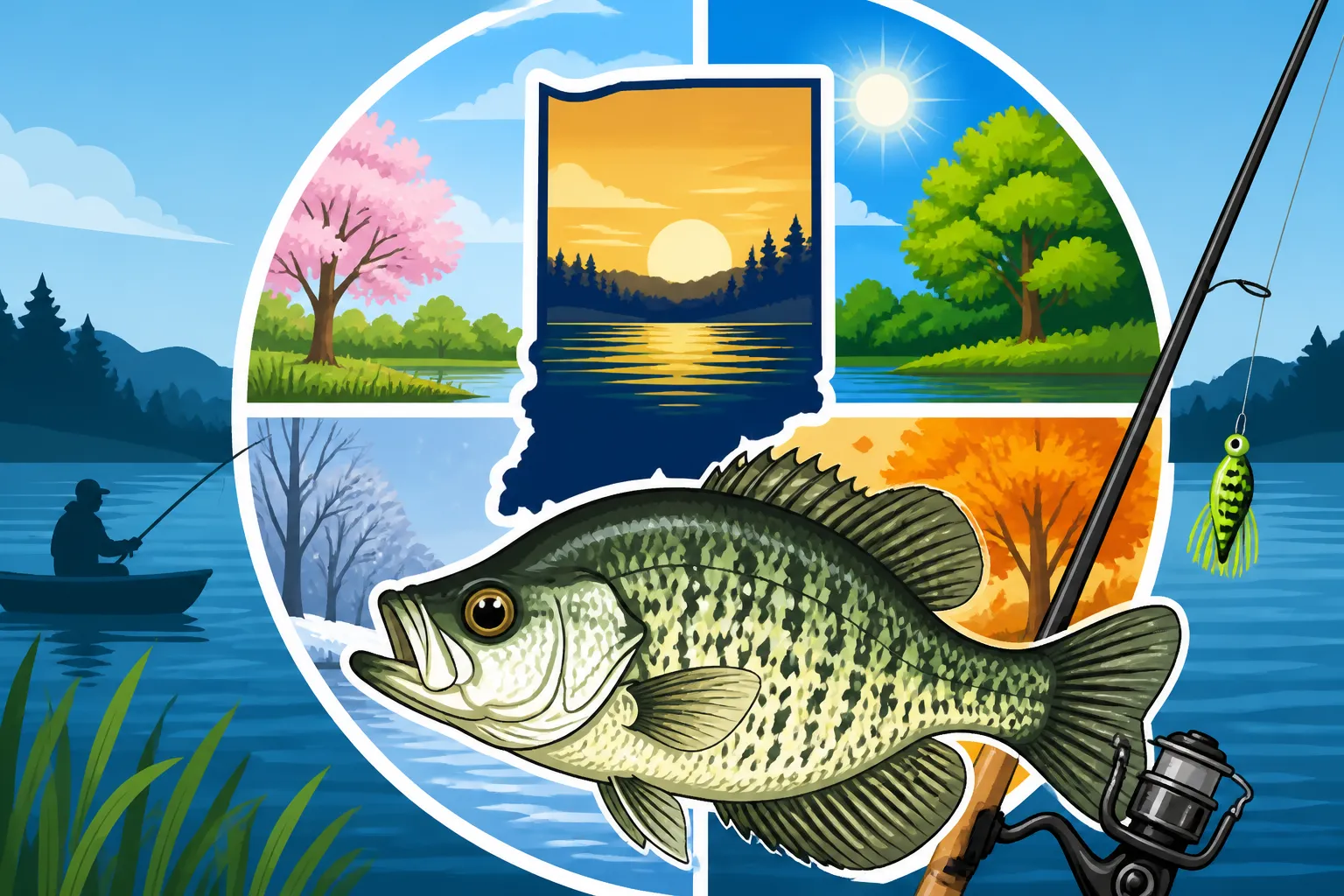
Understanding Crappie Behavior Through the Seasons
Crappie are fascinating fish, and their activity levels and locations are heavily dictated by the changing seasons and, most importantly, water temperature. What works in April certainly won't work in August, and knowing these seasonal shifts is the key to consistent success.
Spring: The Golden Window for Crappie
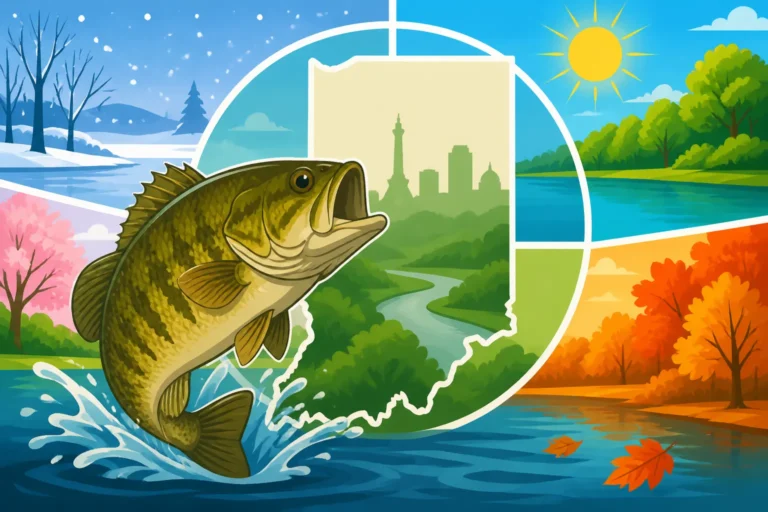
Ah, spring! For many crappie anglers in Indiana, this is the absolute sweet spot, the time when these speckled beauties become incredibly accessible and aggressive. As the ice melts and water temperatures begin their slow climb out of winter's chill, crappie start to stir from their deeper haunts. They're hungry and thinking about one thing: spawning. This period, from late March through May, is often considered the prime crappie fishing season.
During the pre-spawn phase, as water temperatures nudge into the upper 40s and low 50s, crappie will begin to migrate from deeper wintering areas toward shallower flats and staging points. They're looking for areas with submerged cover, like brush piles, fallen trees, and weed lines, where they can feed heavily before the energy demands of spawning. You'll often find them suspended near these structures, ambushing baitfish. Understanding Crappie Spawn Timing on Indiana Lakes is absolutely crucial for maximizing your spring success.
Once the water hits the mid-50s to low 60s, typically from late April into May depending on how quickly the weather warms, the crappie spawn kicks into high gear. This is when crappie move right into the shallowest cover they can find—sometimes in just a few feet of water. They'll fan out nests in hard-bottomed areas, often around stumps, dock pilings, or dense submerged vegetation. During this time, they become very territorial and will strike at anything that invades their space, making them relatively easy to catch. It's truly a fantastic time for both experienced anglers and beginners alike to fill a cooler.
Summer: Deep Water and Nocturnal Habits
When the heat of summer settles over Indiana, crappie fishing can become a bit more challenging, especially during the middle of the day. As surface water temperatures climb into the 70s and 80s, crappie seek refuge in cooler, deeper waters. They’ll often suspend over deeper structure, like sunken brush piles, timber lines, or along deep channel edges and drop-offs. Their activity levels tend to slow down, and they become more particular about when and where they feed.
During this season, you'll find that low-light periods are often the most productive. Dawn, dusk, and even night fishing can yield excellent results, as the water cools slightly and crappie feel more comfortable moving into slightly shallower, yet still well-covered, areas to feed. Targeting those deep brush piles or submerged creek channels with vertical presentations is key. It's a time for patience and precision, as crappie aren't as aggressive as they are in the spring. If you're wondering How to Find Crappie in Summer, focus on using your electronics to locate submerged cover in deeper water.
Many anglers employ "spider rigging" techniques in summer, using multiple long rods to present baits at various depths simultaneously while slowly trolling over deep structure. This helps cover more water and find the exact depth crappie are holding at. Investing in quality fishing line and a variety of small jigs is wise, and you can often find great deals on these essentials on platforms like Amazon. Remember, during the dog days of summer, these fish are seeking comfort, and comfort for a crappie means cooler water and plenty of shade or cover.
Fall: The Second Rush
Just when you thought the best crappie fishing was over, fall arrives with a refreshing cool-down, often bringing a fantastic resurgence in crappie activity. As air and water temperatures begin to drop from late September through November, crappie sense the approaching winter and embark on another feeding frenzy. They need to pack on fat reserves to sustain them through the lean, cold months, making them once again eager to bite.
During the fall, crappie often relate to transitional areas – places where deeper water meets shallower flats, especially if there's good cover like standing timber or submerged creek channels. They'll also follow schools of baitfish, which are themselves moving into shallower, warmer areas during sunny periods, or concentrating in deeper holes as the water continues to cool. These fish become quite active, often roaming a bit more than in summer, but still preferring to stay close to structure.
This "second spring" for crappie can be just as, if not more, rewarding than the spring spawn, particularly because there's often less fishing pressure on the water. Look for crappie to be somewhat shallower than their summer haunts, but not as shallow as the spawn, typically in the 8-15 foot range, depending on the lake and current weather conditions. Keep an eye on areas where baitfish are abundant, as crappie won't be far behind.
Winter: Slow and Steady Wins the Race
Winter crappie fishing in Indiana can be incredibly rewarding, but it requires a different approach and a healthy dose of patience. Once water temperatures consistently drop below 45-50 degrees, crappie move to their wintering grounds, which are almost always in the deepest parts of the lake or reservoir. They'll congregate in large schools, often suspending vertically over deep structure like submerged timber, rock piles, or channel bends. Their metabolism slows down considerably, making them less active, but still catchable if you present your bait directly to them.
For those in areas where lakes freeze over, ice fishing for crappie is a popular and effective method. Anglers drill holes over known deepwater structure and use tiny jigs, often tipped with a grub or a wax worm, to vertical jig for these suspended fish. Success hinges on finding the schools and presenting a bait slowly and subtly. The advantage is that once you find a school, you can often catch several fish in one spot. For those open water enthusiasts, even during the coldest months, you can still find success by slow-trolling deep or vertically jigging over prominent deep-water features, especially on lakes that don't fully freeze over. Understanding Best Depth to Fish for Crappie in Winter is critical to getting your bait in the strike zone.
Regardless of whether you're ice fishing or on open water, the key to winter crappie is a slow, methodical presentation. They won't chase a fast-moving lure like they might in spring. Think tiny baits, minimal movement, and a lot of patience. A good fish finder is invaluable for locating these deep, tightly schooled fish, and you can explore many options for portable models on Amazon that are perfect for ice fishing or small boats.
Key Factors Influencing Crappie Activity
Crappie, like most fish, are creatures of habit driven by a few core environmental factors. Mastering these elements will greatly enhance your ability to find and catch them, no matter the season.
Water Temperature is Everything
If there's one single factor that dictates crappie behavior more than any other, it's water temperature. Crappie are cold-blooded, meaning their body temperature mirrors that of the water around them, directly affecting their metabolism, feeding activity, and even their desire to spawn. They have specific comfort zones and critical temperature thresholds for different life stages. For example, their ideal spawning range is typically between 60-68 degrees Fahrenheit. Outside of this, they'll either be staging, recovering, or seeking thermal refuge.
In spring, rising temperatures trigger their migration and spawning. In summer, they dive deep to escape overly warm surface waters. Fall's cooling waters spur a final feeding binge, and winter's frigid conditions send them to the deepest, most stable thermal layers where they conserve energy. Paying attention to water temperature is paramount. A good thermometer or a fish finder with a temperature gauge isn't just a luxury; it's an essential tool for unlocking crappie patterns. Knowing the Best Water Temperature for Crappie Fishing throughout the year will give you a significant advantage.
Structure and Cover Preferences
Crappie are masters of ambush and always seek out cover and structure. This provides them with security from predators, a place to rest, and an ideal spot to ambush unsuspecting baitfish. The type and depth of this cover will change with the seasons, but the need for it remains constant. Submerged timber, brush piles, fallen trees, weed lines, rock piles, dock pilings, bridge supports, and even channel ledges are all prime crappie real estate.
In spring, they'll be in shallow cover; in summer, they'll move to deep cover. Fall finds them relating to transitional cover, and in winter, they huddle near the deepest, most vertical structure available. Learning to "read" the water and identify these key features, either visually or with electronics, is a cornerstone of crappie fishing success. Many anglers even go so far as to build and sink their own brush piles, creating irresistible crappie magnets in their favorite fishing holes.
Baitfish Presence
Ultimately, crappie are predators, and they go where the food is. Their primary diet consists of small baitfish like shad, minnows, and small bluegill, along with insects and crustaceans. Therefore, understanding the seasonal movements of these baitfish populations is directly linked to finding crappie. When baitfish move shallow in spring, crappie follow. When baitfish suspend in open water or move deep in summer, crappie follow.
In the fall, as baitfish schools grow large and begin to move around more actively, crappie will often be found shadowing these schools, picking off stragglers. Observing signs of baitfish, such as ripples on the surface, diving birds, or large schools showing up on your fish finder, is a strong indicator that crappie are likely in the vicinity. Matching your lure size and color to the prevalent baitfish in the area can significantly improve your catch rates.
Essential Gear and Techniques for Seasonal Crappie Fishing
Just as crappie change their locations and activity, so too should your tactics and tackle. Adapting your gear and techniques to the season is not just helpful, it's essential for success.
Spring Techniques and Tackle
Spring is all about light tackle and precise presentations in shallower water. For tackle, a lightweight spinning rod (5-7 feet) with a fast action and a small spinning reel spooled with 4-6 lb monofilament or fluorocarbon line is ideal. This setup allows for long casts with small baits and provides excellent sensitivity for detecting subtle bites.
When it comes to baits, small jigs are king. Think 1/32 to 1/16 oz jig heads, often paired with soft plastic bodies like tube jigs, curly tail grubs, or small paddle-tail swimbaits. Crappie jigs come in a dizzying array of colors, but chartreuse, white, black, and various greens are consistent producers. Live minnows, fished under a bobber or on a small jig head, are also incredibly effective, especially during the spawn. You can also fish jigs without a bobber, casting them to cover and slowly retrieving them, or vertically jigging them around visible structure. Learning How to Jig for Crappie in Spring can transform your catch rates.
Summer Techniques and Tackle
Summer crappie fishing often calls for slightly heavier jig heads (1/16 to 1/8 oz) to get baits down to deeper fish more quickly. Longer rods, especially for spider rigging from a boat, become very useful. Fluorocarbon line is a great choice for its low visibility and sensitivity in deeper water.
Technique-wise, vertical jigging is paramount. Whether you're using a single rod or multiple rods, dropping your bait directly into deep brush piles or along drop-offs is effective. Small jigs, grubs, or minnows are still the go-to baits. Slip bobbers are also incredibly useful for suspending a minnow or jig at a precise depth above deep structure. Night fishing with lights that attract baitfish, and consequently crappie, is also a highly productive summer tactic. Many of these specialized rigs and deep-water jigs can be conveniently purchased through Amazon.
Fall Techniques and Tackle
Fall crappie fishing often combines elements of both spring and summer techniques. You'll still want your light spinning gear, but you might find yourself covering more water. Trolling small crankbaits or jigs behind the boat can be very effective as crappie actively chase baitfish. Casting jigs to visible or submerged structure remains a classic and effective method.
As water cools, crappie might prefer slightly slower retrieves. Experiment with different jig sizes and colors, and don't shy away from live minnows, especially in clearer water. In many ways, fall fishing for crappie offers the most versatility in techniques, allowing you to switch between casting, trolling, and even vertical jigging as you pinpoint their locations and activity levels. For those who enjoy a more direct approach, mastering Tightlining Techniques for Crappie can be incredibly effective when fish are concentrated.
Winter Techniques and Tackle
For winter, especially ice fishing, the tackle becomes even lighter. Ultra-light rods (18-24 inches) with small spinning reels or even specialized ice fishing reels are common. Light line, often 2-4 lb test, is necessary for detecting the subtle bites of lethargic crappie. Tiny jigs, often 1/64 to 1/80 oz, are the norm, frequently tipped with a single wax worm, spike, or a piece of Berkley Gulp bait.
Vertical jigging directly below the boat or ice hole is the dominant technique. Slow, subtle movements are key—often just a tiny quiver of the rod tip is all it takes to entice a strike. A sensitive spring bobber can be invaluable for indicating these nearly imperceptible bites. If you're ice fishing, consider investing in a portable ice fishing shelter for comfort during long sessions; you can find excellent options and accessories like Best Ice Fishing Shelters for Cold Weather readily available for purchase online.
Crappie Fishing in Indiana: Local Nuances
While the general seasonal patterns hold true everywhere, Indiana's specific lakes and rivers offer unique opportunities and require attention to local details, including regulations.
Top Indiana Lakes for Crappie
Indiana is blessed with numerous lakes and reservoirs that hold thriving crappie populations. Knowing which bodies of water are renowned for crappie can help you plan your trips effectively. Large reservoirs like Monroe Lake and Patoka Lake are perennial favorites, known for their abundant crappie and excellent fishing opportunities, especially around their vast timber stands and submerged brush piles. These lakes often produce both numbers and respectable size.
Other excellent crappie destinations include Lake Wawasee, Mississinewa Lake, Brookville Lake, and Hardy Lake. Each of these lakes has its own unique characteristics, from glacial lake formations to river-fed reservoirs, offering a variety of structure and habitats for crappie. Exploring Best Crappie Lakes in Indiana will provide even more specific insights into these top spots and what makes them productive. It's always a good idea to check local fishing reports or talk to bait shop owners near your chosen destination for the most up-to-date information on crappie movements and hot spots.
Understanding Indiana's Crappie Regulations
Before heading out on your crappie adventure, it's absolutely crucial to familiarize yourself with Indiana's current fishing regulations. These regulations are designed to protect fish populations and ensure sustainable fishing for future generations. While many panfish species often have liberal bag limits, it’s important to know the specifics for crappie in Indiana.
Currently, Indiana has a statewide daily bag limit for crappie. There typically isn't a statewide minimum length limit for crappie, meaning you can keep legal-sized fish of any length, as long as you adhere to the daily bag limit. However, certain lakes or specific areas might have special regulations that differ from the statewide rules, so always double-check the current Indiana fishing guide for any specific body of water you plan to fish. You can find comprehensive details on panfish regulations, including those for crappie, by looking up Indiana Panfish Daily Limits by Species. Violations can lead to fines, so a quick check beforehand is always a good idea.
Seasonal Crappie Fishing Guide for Indiana
To help you quickly reference the best times and tactics, here's a handy overview of crappie fishing throughout the year in Indiana:
| Season | Typical Months | Water Temperature | Crappie Location | Key Techniques | Recommended Bait/Lures |
|---|---|---|---|---|---|
| Spring | March-May | 50-68°F | Shallow cover (2-10 ft), spawning beds | Casting jigs, bobber fishing, slow retrieve | Small jigs (1/32-1/16 oz), live minnows, tube baits |
| Summer | June-August | 70-85°F | Deeper structure (10-25+ ft), suspended | Vertical jigging, spider rigging, slip bobbers | Small jigs (1/16-1/8 oz), minnows, small crankbaits |
| Fall | September-November | 55-70°F | Transitional areas (8-15 ft), following bait | Casting jigs, slow trolling, vertical jigging | Small jigs, minnows, grubs, tiny spoons |
| Winter | December-February | 35-50°F | Deepest holes (20-40+ ft), tightly schooled | Ultra-slow vertical jigging (ice or open water) | Tiny jigs (1/64-1/32 oz), wax worms, spikes, plastics |
As you can see, the "best" season for crappie fishing isn't just one month, but rather an ongoing cycle of opportunities that shift with the environment. Each season presents its own unique challenges and rewards, and by understanding crappie behavior, adapting your techniques, and using the right gear, you can enjoy successful crappie fishing in Indiana all year long. The joy of crappie fishing lies not only in the catch but in the process of learning and adapting to these beautiful fish.
Disclaimer
This article is for general informational purposes only and does not constitute professional advice. Laws, prices and regulations vary by location and change over time. Consult a qualified professional for guidance on your specific situation.