Best Time of Day to Fish Lake Michigan for Salmon in Indiana
It can be incredibly frustrating to dedicate a day to salmon fishing on Lake Michigan, only to wonder if you picked the wrong time to even cast a line. You’re out there, the sun's blazing, and nothing's biting, leaving you questioning if you should have woken up at an ungodly hour or waited until dusk. This guide will meticulously break down the science and seasoned angler wisdom behind the best times of day to chase salmon along Indiana's Lake Michigan shoreline, helping you maximize your chances of a successful and rewarding trip.
Understanding Salmon Behavior on Lake Michigan
Salmon are incredibly sensitive creatures, and their daily routines on Lake Michigan are heavily dictated by environmental factors, primarily light levels and water conditions. If you want to consistently catch them, you need to think like a salmon – or at least understand what makes them tick throughout the day. It’s not just about showing up; it’s about understanding their rhythm.
How Light Levels Influence Salmon Activity
Think about it from a salmon’s perspective: they are predators, but they are also prey. Bright sunlight makes them more visible to larger predators (like seals or even bigger fish) and can make their eyes uncomfortable, especially if they’re used to deeper, dimmer environments. This is why you often hear experienced anglers talk about the "low light bite."
During the first few hours of dawn, when the sun is just peeking over the horizon, and again in the late afternoon as it begins to dip, the ambient light in the water is significantly reduced. This dimness acts like a natural cloak for salmon, allowing them to move into shallower waters or higher in the water column with less risk. They become bolder, more actively hunting baitfish like alewives, smelt, and bloater chub that also come closer to the surface during these times. It’s a perfect storm for feeding. When the sun is high and bright, salmon tend to retreat to deeper, cooler, and darker waters, often suspending over thermoclines or near structure where they feel more secure. This doesn’t mean they won’t bite, but their activity levels typically drop, and they become much more selective. Understanding this basic principle is crucial for Chinook Salmon Fishing on Indiana's Lake Michigan Shore, as these powerful fish are particularly light-sensitive.
The Impact of Water Temperature and Clarity
While light is a huge factor, water temperature and clarity also play monumental roles in salmon behavior throughout a 24-hour cycle. Salmon, especially Chinook and Coho, are cold-water fish. They thrive in temperatures typically ranging from the mid-40s to the low 60s Fahrenheit. On a hot summer day, the surface water of Lake Michigan can warm considerably. As the sun beats down, that warm surface layer deepens, pushing the salmon lower in the water column where cooler, more stable temperatures persist. This is why a fish finder becomes your best friend, revealing where the thermocline (the boundary between warm surface water and cold deep water) is located, because that's often where the salmon will stack up during midday heat.
Water clarity also influences when and where salmon feed. In very clear water, salmon might be even more skittish during bright periods, needing deeper cover. Conversely, a bit of chop on the surface or slightly stained water (not muddy, but with a tint) can diffuse sunlight, making salmon more comfortable moving higher or shallower even during brighter parts of the day. A major rain event can temporarily make nearshore waters muddy, which can push salmon offshore until the clarity improves. Conversely, too much clarity can make them feel exposed. Knowing How Water Temperature Triggers the Fall Salmon Push Toward Shore is key, but equally important is understanding how those temperatures shift throughout a single day.
Prime Times for Lake Michigan Salmon Fishing
When it comes to salmon fishing on Lake Michigan in Indiana, there are definitely peak windows within any given day that offer the best chances for a strike. These aren't just old wives' tales; they're rooted in the very biology and feeding patterns of these magnificent sport fish. Being ready for these crucial periods can make all the difference between a memorable trip and a frustrating one.
Dawn Patrol: The Early Bird Catches the Salmon
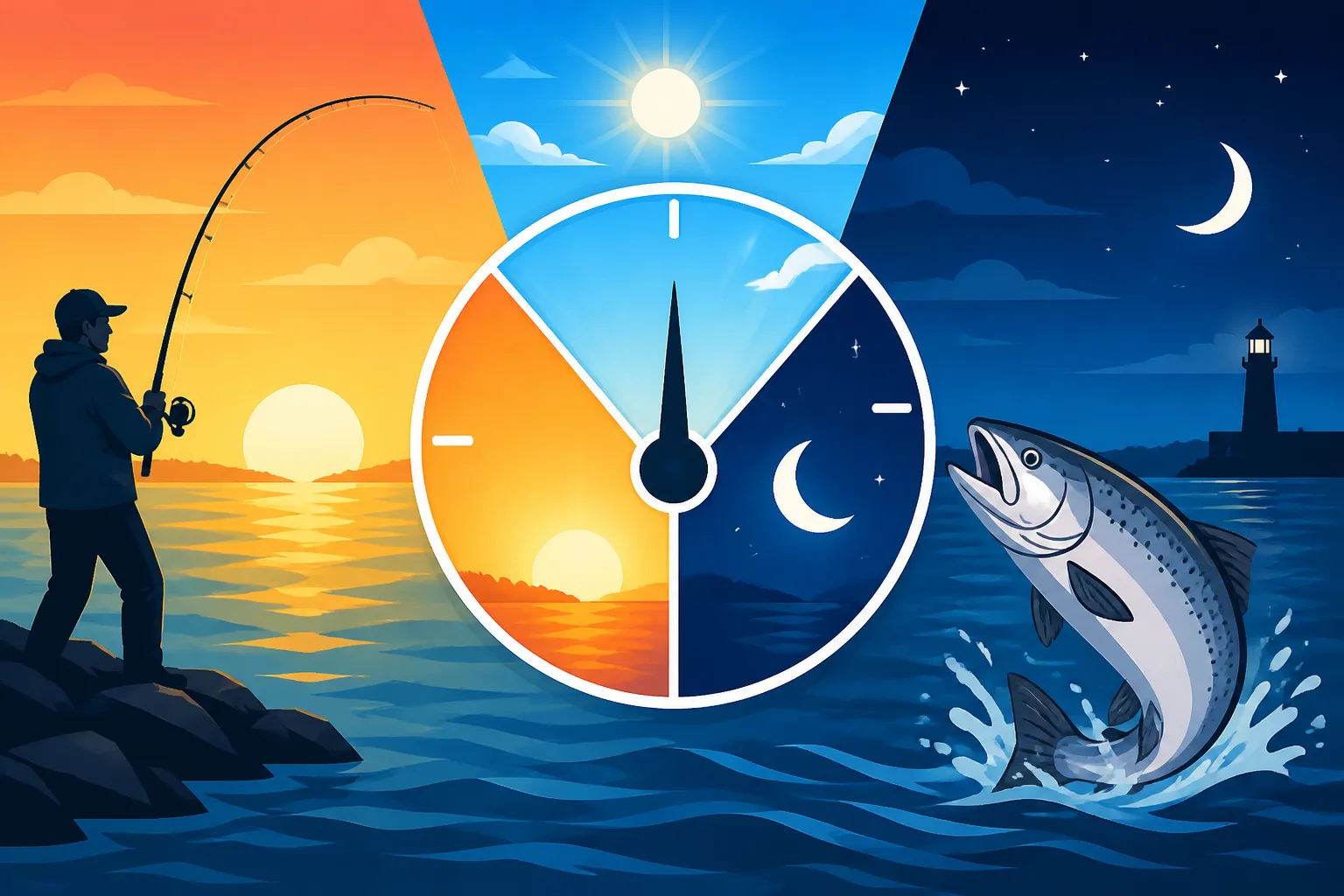
Without a doubt, the period from an hour before sunrise to about two to three hours after is often considered the absolute prime time for salmon fishing on Lake Michigan. This "dawn patrol" window offers several advantages that align perfectly with salmon behavior. As the night fades and the first hints of light appear, baitfish begin to become more active near the surface and along structure, drawing in hungry salmon that have been resting or lightly feeding in deeper waters. The low light conditions give salmon a significant predatory advantage. They can see baitfish silhouetted against the brightening sky or surface, while remaining relatively hidden themselves.
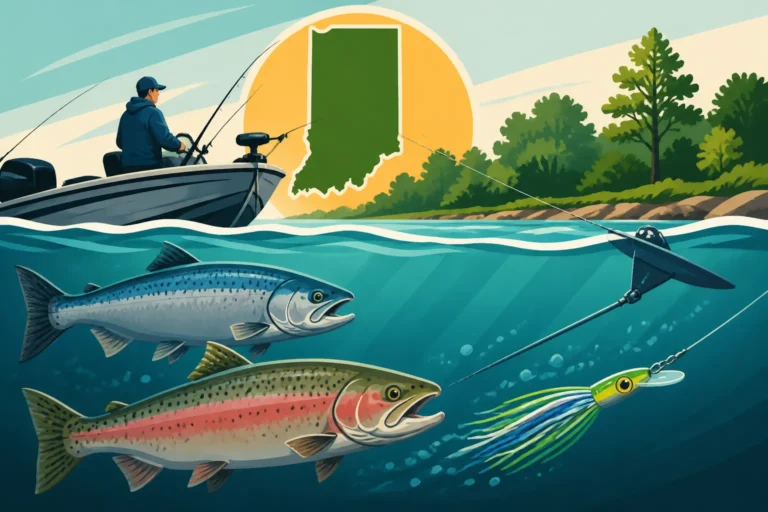
During this time, salmon are often found higher in the water column, sometimes even hitting topwater lures if conditions are right, particularly for aggressive Coho Salmon. Trolling shallow with spoons, stickbaits, or dodger-and-fly combinations can be incredibly effective. Anglers often launch their boats in the dark, navigating by GPS and radar, to be at their chosen fishing grounds just as the sky starts to lighten. The air is cool, the lake is often calmer, and there's a palpable sense of anticipation as lines hit the water. It requires an early start, no doubt, but the reward of a screaming reel as a big Chinook hits your spread in the morning twilight is absolutely worth it. You can find some excellent deals on early morning trolling gear, like glow spoons and planer boards, on platforms like Amazon to get ready for these crucial moments.
Dusk Delight: Evening Bites Before Nightfall
Just as productive, and sometimes even more so, is the window from about two to three hours before sunset until full dark. This "dusk delight" offers a similar, albeit inverse, set of conditions to dawn. As the sun begins its descent, the light penetration into the water diminishes, signaling to both baitfish and salmon that it's time to become more active. Salmon, which may have retreated to deeper, cooler waters during the bright midday, start to move back up the water column and closer to shore or shallower structures to feed.
The evening bite can be particularly strong for larger, more cautious salmon that might shy away from the boat in brighter conditions. As the light fades, they become less wary. Many anglers find that the evening bite can be more consistent for bigger fish, as they are actively foraging for their last meal before the night truly sets in. Tactics remain similar to the morning: trolling with spoons, stickbaits, and meat rigs. Pay close attention to your electronics, as salmon might be scattered at various depths, chasing schools of baitfish. This period, especially during the Lake Michigan Salmon and Steelhead Run Guide in Indiana, can be explosive, with multiple hookups in a short span as the fish go on a feeding frenzy.
The Overnight Shift: Night Fishing for Salmon
While less common than dawn or dusk, night fishing for salmon on Lake Michigan can be incredibly effective, particularly for large Chinook salmon. This is a tactic favored by dedicated anglers who understand that under the cloak of darkness, salmon feel their safest and most emboldened. Many of the largest salmon are caught at night, often closer to shore or near river mouths during the spawning runs.
When fishing at night, the game changes significantly. You'll need good boat lighting, headlamps for rigging, and ideally, lures that glow in the dark or have reflective tape. Flashers and dodgers with glow tape are highly recommended, as are spoons with luminescent finishes. While trolling is still a primary method, some anglers will also anchor and use bait, especially cut bait or alewives, presented near the bottom or suspended off the thermocline. Safety is paramount when fishing at night; ensure all your navigation lights are working, you have a reliable GPS, and you know the waters well. It’s a completely different experience—the lake feels vast and quiet, save for the hum of your motor and the occasional splash of a surfacing fish. But for those willing to brave the dark, the rewards can be truly exceptional.
Adjusting to Conditions: Beyond Just Time of Day
While dawn and dusk are often touted as the "best" times, experienced anglers know that Lake Michigan salmon don't always read the rulebook. The dynamic nature of the lake and its weather means that sometimes, the fish are active at other hours, and successful fishing often comes down to adapting to the prevailing conditions. Knowing how to adjust your strategy throughout the entire day is what separates good anglers from great ones.
Overcast Days and Stormy Weather Windows
One of the biggest game-changers for salmon fishing during typically "off-peak" hours is cloud cover. A thick blanket of clouds acts like a natural dimmer switch for the sun, extending those favorable low-light conditions throughout the entire day. On an overcast day, salmon are far more likely to remain active and higher in the water column even at midday, as they feel less exposed. This is when a mid-morning or early afternoon bite can really heat up. You might find success trolling shallower than you would on a sunny day, using the same lures and techniques you'd deploy at dawn or dusk.
Similarly, windows around changing weather patterns can be golden. Just before a cold front or a storm rolls in, barometric pressure drops, often triggering an aggressive feeding spree in salmon. They sense the change and gorge themselves. This "pre-front bite" can happen at any time of day and be incredibly intense. Conversely, right after a storm has passed, especially if it didn't completely muddy the water, the fishing can pick up again as the lake settles and fish resume their patterns. However, always prioritize safety; never put yourself or your crew at risk for a few fish. The Lake Michigan Fishing Rules for Indiana Anglers emphasize safety for a reason, especially when dealing with unpredictable weather. Investing in good rain gear and having a reliable marine radio (you can find excellent options on Amazon) are smart moves.
Deep Water Strategies for Midday Success
Let's face it, not every day is cloudy, and sometimes you can only get out on the water during the brightest, sunniest parts of the day. But even then, hope is not lost. When the sun is high and bright, and the surface water warms up, salmon typically retreat to deeper, cooler areas. This is where your electronics, specifically a good fish finder, become indispensable. You’ll be looking for bait balls and individual salmon arches suspended in the water column, often just above or within the thermocline.
To reach these deeper fish, you'll need specialized trolling gear. This means deploying downriggers to precisely place your lures at specific depths, or using lead core line, copper line, or Dipsy Divers which achieve depth through their design. Your Trolling Gear Setup for Indiana's Lake Michigan Salmon will likely include these items. For instance, if you're marking fish at 80 feet, a downrigger allows you to send a spoon or a flasher-and-fly combo right into that strike zone. The key here is precision and perseverance. You're no longer relying on their active foraging in low light; instead, you're presenting a tempting target right in front of their faces in their comfort zone. This method is effective for various species, and sometimes even Best Lures for Trolling Brown Trout will draw a strike from a salmon that's hanging out in the same deep, cold water.
| Time of Day | Light Conditions | Salmon Behavior | Recommended Tactics | Key Gear |
|---|---|---|---|---|
| Dawn (Pre-Sunrise to 3 hrs after) | Low, increasing light | Highly active, shallower feeding | Shallow trolling, topwater | Spoons, stickbaits, glow lures, planer boards |
| Midday (Late Morning to Late Afternoon) | Bright, high sun | Deeper, less active, seeking cool water | Deep trolling, precise depth presentation | Downriggers, lead core, Dipsy Divers, fish finder |
| Dusk (3 hrs before Sunset to Full Dark) | Dimming light | Active feeding, moving shallower | Shallow/mid-depth trolling | Spoons, stickbaits, flashers, meat rigs |
| Night (Full Dark) | Minimal/No light | Bolder, often shallower, near structure | Slow trolling, bait fishing, glow lures | Glow lures, cut bait, good boat lights, headlamps |
| Overcast Days (Anytime) | Consistent low light | Active, higher in water column | Treat like extended dawn/dusk | Versatile spread, watch for depth changes |
It's also worth noting that the Best Salmon Fishing Spots on Lake Michigan in Indiana can vary their peak times depending on local conditions like current, structure, and bait presence. Always check local reports and talk to bait shop owners; they often have the most up-to-date intel on what's working when. If you're heading out for the Fall Salmon Run Access Points Along Indiana's Shoreline, remember that aggressive fish can be found at all times of day if the run is strong. Make sure to have a diverse set of lures and What to Bring for Indiana's Fall Salmon Run on hand. And don't forget to check out the local Best Bait Shops to Visit During Salmon Season for the freshest insights and bait.
Disclaimer
Fishing conditions and regulations on Lake Michigan can change frequently. Always consult the latest Indiana Department of Natural Resources (DNR) regulations before heading out to fish. This guide is for informational purposes only and should not replace official rules or professional advice.