Best Bait for Spring Bass Fishing
Spring bass fishing in Indiana can feel like a riddle sometimes. One day they're biting everything in sight, the next they've clammed up after a cold snap. It’s frustrating when you just want to get out on the water and feel that glorious tug! This guide is here to unravel the mystery, helping you choose the best bait for spring bass fishing, understanding how bass behave as the water warms, and ensuring you have a productive trip no matter what Mother Nature throws your way.
Understanding Spring Bass Behavior and What They're Looking For
Before we even talk about specific baits, we have to talk about the bass themselves. Spring is a time of massive transition for largemouth and smallmouth bass in Indiana. They're shaking off the lethargy of winter, actively feeding, and eventually, getting ready to spawn. Knowing what stage they're in is absolutely critical to picking the right lure.
The Pre-Spawn Push: Hunger and Location
As the ice melts (if it ever formed!) and water temperatures slowly climb from the high 30s into the 40s and low 50s, bass are in their pre-spawn phase. This is arguably one of the best times to catch big bass because they are driven by one thing: hunger. They've been relatively inactive and feeding sparingly all winter, so now they're looking to bulk up for the energy-intensive spawning process.
During this stage, bass will start moving out of their deep winter haunts and gravitate towards shallower areas adjacent to deeper water. Think points, creek channels, secondary points in coves, and submerged humps. They want easy access to warmth and food, but also a quick escape to deeper, more stable temperatures if a cold front pushes through. They’re still a bit sluggish in colder water, so they prefer a meal that doesn't require too much chasing. Knowing the Indiana Bass Spawn Timing and Pre-Spawn Patterns is key to intercepting them on these movements.
The Spawn: Nesting and Protection
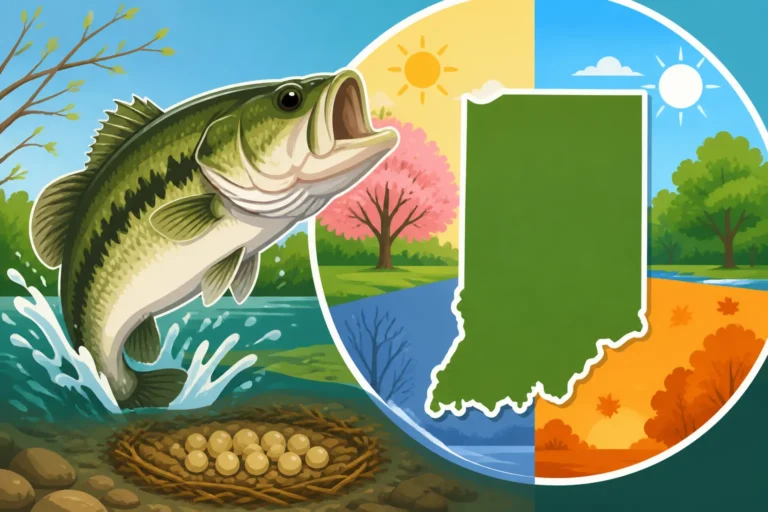
Once water temperatures consistently hit the mid-50s to low 60s, bass begin to move into very shallow water to spawn. The male bass will fan out beds, often near cover like submerged timber, rocks, or lily pad stems, and guard them ferociously. Females will move onto the beds to lay eggs, then move off to recover.
During the actual spawn, bass can be tricky. They're not actively feeding out of hunger as much as they are reacting to intruders near their beds. They'll strike at anything that looks like a threat to their eggs or fry. This means presentations need to be precise, often directly into the bed, to trigger a reaction strike. You might see a huge bass just sitting on a bed, ignoring everything you throw, until you put something right in its face that it perceives as a threat.
Post-Spawn Recovery: Recharge and Refocus
After the rigors of spawning, both male and female bass need a break. The females, especially, are exhausted and often have torn fins from the bedding process. They'll retreat to slightly deeper water nearby, often seeking out cover like brush piles, docks, or submerged grass beds to recuperate. The males might stay on the beds a bit longer to guard the fry before also moving off.
In this post-spawn period, bass aren't usually as aggressive as during pre-spawn. They're recovering and will often prefer smaller, easier meals. They might be suspended near cover or relating to structure a little deeper than the beds themselves. As they regain energy, their feeding patterns will gradually return to normal, becoming more aggressive again as summer approaches. This is a great time to learn Bass Post-Spawn Patterns in Indiana.
Top Baits for Early Spring (Cold Water)
When those early spring days feel more like winter's last gasp, and the water is still biting cold, you need baits that appeal to sluggish, deep-dwelling bass. These fish aren't going to chase a fast-moving lure far. They want something slow, easy, and maybe a little annoying.
Jerkbaits: Mimicking Stunned Prey
Jerkbaits are absolute gold in cold water, especially when you're targeting that pre-spawn push. They imitate a dying or stunned baitfish with their erratic darting action and suspended pause. Think of a shiner or shad struggling in the cold water – that's what you're trying to replicate.
The key to a jerkbait in early spring is the pause. Cast it out, give it a few sharp jerks to get it down to depth, and then pause. And I mean a long pause, sometimes 5-10 seconds, or even longer if the water is really cold. That long suspension, where the bait just hangs motionless in the water, is often when a bass will decide to strike. They don't have to expend much energy, just swim up and inhale it. On a breezy day, that subtle line movement might just be enough to give the bait a slight, enticing wiggle during the pause. Colors like chrome, clear, or natural baitfish patterns work wonders. You can find some excellent hard-plastic jerkbaits on Amazon that mimic local forage.
Bladed Jigs and Spinnerbaits: Flash and Vibration
When the water is still chilly, but starting to show hints of warming, or if there's some stain to the water, bladed jigs (like the ChatterBait) and spinnerbaits can be incredibly effective. These lures excel at attracting bass through both sight and sound, even when the fish aren't super active.
Bladed jigs create an intense vibration and flash that bass can feel through their lateral line from a good distance. They also have a skirt that breathes and undulates, adding to the illusion of a struggling baitfish. Slow roll these baits along points, channel swings, and near submerged cover. Spinnerbaits offer a similar combination of flash (from the blades) and vibration. The slower you retrieve them in cold water, the more seductive the blades will wobble, and the easier it is for a bass to commit. Pair them with a soft plastic trailer for added bulk and action. White, chartreuse, or combinations are often effective, especially in stained water.
Jig and Trailer Combos: Slow and Deep
Sometimes, you just need to get down to where those bass are hunkered down, and work a lure slowly and meticulously. That's where a traditional jig and soft plastic trailer really shines in early spring. This is a fantastic choice for targeting deep cover, rocky ledges, or brush piles where those big pre-spawn bass might be resting.
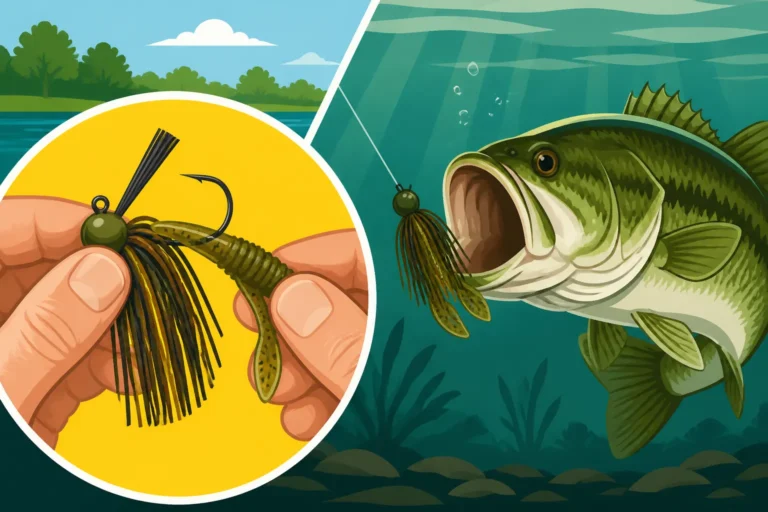
A jig allows you to maintain bottom contact, slowly crawling, hopping, or dragging it along the structure. The soft plastic trailer adds bulk, profile, and subtle action, mimicking a crawfish or a small bottom-dwelling baitfish. Black and blue, green pumpkin, or brown are classic jig colors, especially when paired with a coordinating craw or creature bait trailer. The trick here is patience; often, the bite will feel like a slight "tick" or simply added weight on your line. You'll need to know How to Fish a Texas Rig for Bass or other weedless setups if you're working heavy cover.
Transition Baits for Mid-Spring (Warming Water)
As spring progresses, and the sun starts to feel stronger, water temperatures push into the high 50s and low 60s. This is often when bass become more active, moving shallower and potentially starting to prepare beds. Your bait choices can reflect this increased activity, covering more water or offering a more enticing visual in clearer water.
Crankbaits: Covering Water
When bass start to scatter and move into those warmer, shallower prespawn areas, crankbaits become incredibly effective. They're designed to cover a lot of water quickly, allowing you to find active fish along contours, points, and flats. The deflection off submerged timber or rocks can trigger incredible reaction strikes.
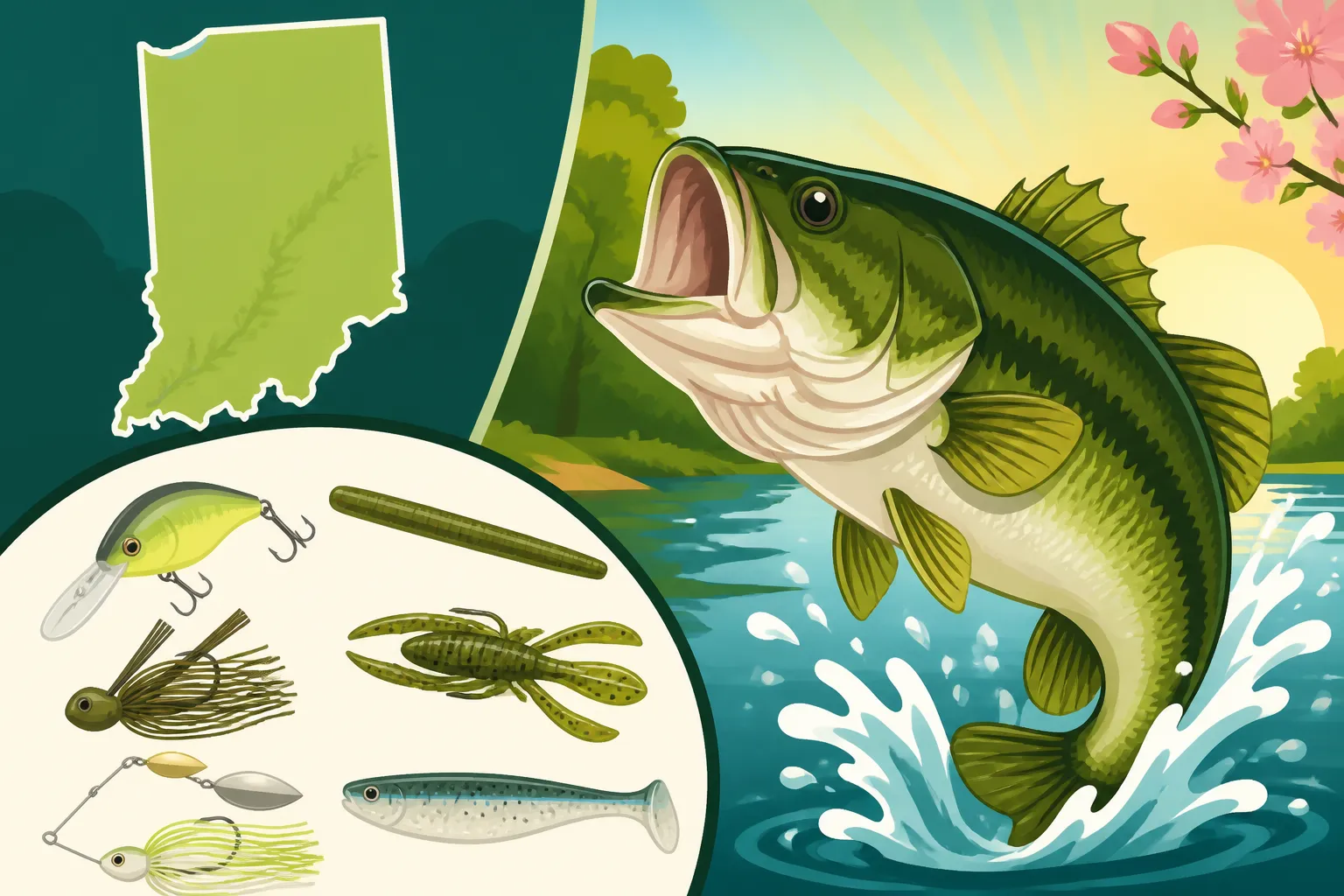
Look for medium-diving crankbaits that reach depths of 5-12 feet. Colors that mimic shad, crawfish, or bluegill are excellent choices. Vary your retrieve speed; sometimes a steady retrieve works, other times a stop-and-go or a deflection off cover is what triggers the strike. This is a great bait to use when you're trying to locate schools of feeding bass that are staging for the spawn. You might even want to try different styles, like squarebill crankbaits for shallower, woody cover, or rounder-lipped models for deeper dives.
Lipless Crankbaits: Reaction Strikes
Lipless crankbaits are another excellent choice for covering water quickly in mid-spring, particularly over submerged grass beds or shallow flats. Their tight wobble and loud rattle create a ton of commotion, triggering aggressive reaction strikes from bass that might not be actively feeding.
These baits are versatile; you can cast and retrieve them steadily, yo-yo them along the bottom, or rip them through grass. They're especially effective when bass are cruising or when you're fishing in stained water where the vibration can help them locate the lure. Colors like red craw, chrome with a blue back, or firetiger are proven performers. I always keep a few different sizes and colors on hand, and you can usually find good multi-packs on Amazon to experiment with.
Wacky Worms and Senkos: Subtle Presentation
Once bass are moving into shallower spawning areas or starting to cruise looking for beds, sometimes a subtle, natural presentation is best. That's where the wacky rig, often using a Senko-style worm, comes into its own. This method is incredibly effective for triggering bites from wary or bedded bass.
With a wacky rig, the worm is hooked through the middle, allowing both ends to wiggle seductively as it falls through the water column. It's a slow, natural fall that bass find irresistible, especially when they're sight fishing for beds or holding tight to cover. Cast it near docks, laydowns, or weed edges, and let it slowly sink. You don't need much action; the bait does the work. Green pumpkin, watermelon, and black with blue flake are perennial favorites.
Post-Spawn and Late Spring Baits (Aggressive Feeding)
As spring transitions into early summer, and bass have completed their spawning duties, they often enter a renewed period of aggressive feeding. They've recuperated, regained their strength, and are now focused on rebuilding their energy reserves. This is when you can really have some fun with more active presentations.
Topwater Lures: Explosive Action
There's nothing quite like a topwater strike, and late spring, especially during dawn and dusk, is prime time for it. As the water warms, bass become more comfortable feeding near the surface, and an aggressively worked topwater bait can draw explosive blow-ups. If you're looking for that adrenaline rush, this is your ticket. For insights on prime fishing times, check out Best Time of Day to Catch Bass.
Poppers, walk-the-dog baits (like a Zara Spook), and prop baits all have their place. Poppers create a "chug" and splash that mimics a struggling baitfish or frog. Walk-the-dog baits have an irresistible side-to-side sashay that calls fish from a distance. Experiment with retrieve speeds and pauses to see what the bass prefer that day. You can find some high-quality topwater lures with excellent reviews on Amazon.
Buzzbaits and Frogs: Heavy Cover Attack
When bass are lurking in thick cover – lily pads, matted grass, or dense submerged vegetation – buzzbaits and soft plastic frogs are your best friends. These baits are designed to be fished over the nastiest stuff, where other lures would simply get snagged.
Buzzbaits create a sputtering, gurgling commotion on the surface, drawing bass out of cover to investigate. They're fantastic for covering large areas of shallow, weedy water. Soft plastic frogs, often rigged weedless, can be walked or popped directly over heavy lily pads or grass mats. The bass explode on them from below, creating unforgettable strikes. Colors like black, white, or natural frog patterns work well. This kind of fishing takes guts; you're often getting bites in places you'd never think a lure could go, and it's exhilarating.
Plastic Worms and Jigs: Versatility
Even as bass get more active, you can never go wrong with a classic plastic worm or jig. These baits offer incredible versatility and can be fished effectively in a multitude of situations, from open water to heavy cover, and from shallow to deep. They are staples for a reason and excellent choices for Largemouth Bass Fishing in Indiana: The Complete Guide.
Plastic worms, especially rigged Texas-style, are fantastic for targeting bass that are relating to structure like brush piles, laydowns, or rock transitions. They provide a subtle, natural action that can tempt even hesitant fish. Jigs, whether a flipping jig, football jig, or finesse jig, can be worked slowly through cover, mimicking crawfish or bluegill. Experiment with different colors and sizes based on water clarity and forage. Green pumpkin, watermelon red, and junebug are perennial favorites for worms, while black and blue, or green pumpkin are great for jigs. The beauty is you can slow down and pick apart specific areas where you know bass are holding.
Spring Bass Bait Selection at a Glance
To help you make sense of all the options, here's a quick reference table for choosing your spring bass baits:
| Spring Phase | Water Temp (Approx.) | Primary Bass Behavior | Recommended Baits | Key Characteristics |
|---|---|---|---|---|
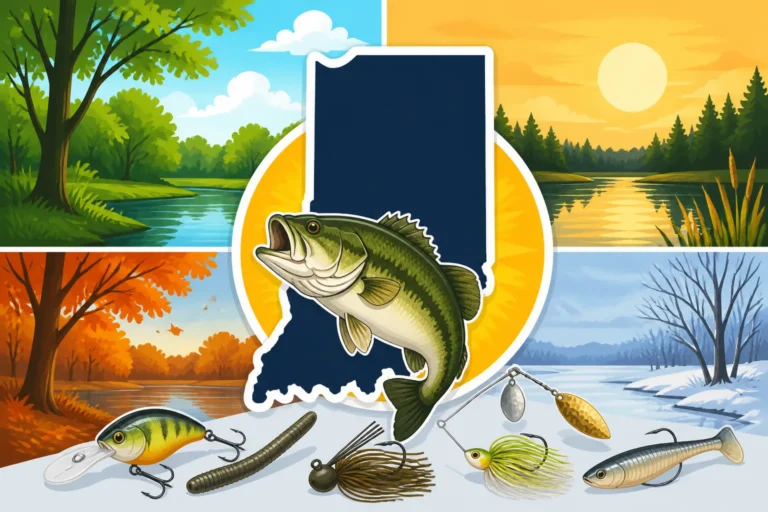
| Early Spring | 38-50°F (3-10°C) | Deep, sluggish, pre-spawn | Jerkbaits, Bladed Jigs, Spinnerbaits, Jig & Trailer | Slow movement, long pauses, vibration, subtle action. Bass want an easy meal. |
| Mid-Spring | 50-60°F (10-16°C) | Moving shallower, staging, spawning | Crankbaits, Lipless Crankbaits, Wacky Worms | Covering water, reaction strikes, subtle, natural fall. Bass are more active but can be wary or focused on beds. |
| Late Spring | 60-70°F (16-21°C) | Post-spawn recovery, aggressive feeding | Topwater Lures, Buzzbaits, Frogs, Plastic Worms | Explosive surface action, weedless presentations for heavy cover, versatile bottom contact. Bass are active and hungry. |
Essential Tips for Spring Bass Fishing in Indiana
Beyond just the baits, there are a few other critical things to remember when you're out chasing bass in the spring. These can make all the difference between a frustrating day and a fantastic one.
Pay Attention to Water Temperature
This is perhaps the single most important factor in spring bass fishing. Bass are cold-blooded creatures, and their activity levels are directly tied to water temperature. A 5-degree change can completely change where they are and what they'll bite. Invest in a good thermometer and use it frequently. Look for slight temperature increases, even just a degree or two, as these warmer pockets will attract active fish. Sun-drenched shallow flats and north-facing banks often warm up faster.
Knowing the current water temperature can help you decide if bass are in deep, sluggish mode, cruising pre-spawn areas, or setting up on beds. It's not always about hitting a magic number; sometimes it's about finding the warmest water available in a given area.
Consider Water Clarity
Water clarity plays a huge role in bait selection. In clear water, bass rely heavily on sight, so natural colors and subtle presentations are often best. Think green pumpkin, watermelon, and realistic baitfish patterns. In stained or muddy water, bass rely more on their lateral line (sensing vibrations) and scent, so brighter colors (chartreuse, orange, red), louder rattles, and more aggressive action can be more effective. Bladed jigs and lipless crankbaits really shine in these conditions.
If you're fishing a muddy river after a heavy rain, for example, your approach will be completely different than fishing a crystal-clear lake. Always adjust your bait's color and action to match the visibility.
Focus on Transitions and Cover
Bass, especially in spring, are creatures of transition. Look for areas where deep water quickly transitions to shallow, like points, ledges, or channel swings. They also love cover: submerged timber, brush piles, rock formations, docks, and early-season emergent grass beds. These spots provide ambush points, protection, and temperature stability.
When fishing in Indiana, areas with plenty of natural structure will always hold bass. Don't be afraid to put your bait right into the heart of a brush pile or slowly work it around a dock. Remember, bass are often seeking out warmer water, so shallower cover adjacent to deeper water will be prime. This is also why having the right gear, like sturdy rods and reels as discussed in Best Rods and Reels for Indiana Largemouth Bass, is so important when fishing around heavy cover.
Be Patient and Persistent
Spring fishing can be finicky. One day is hot, the next is not. Cold fronts can push bass back to deeper water and make them lockjaw. Don't get discouraged! If a spot isn't producing, move on. Try different depths, different retrieves, and different baits. Sometimes, just changing the color of your jig trailer can make a huge difference.
Patience is key, especially with slow-moving presentations like jigs or wacky worms. Pay close attention to your line for any subtle movement or unusual resistance, as bass bites can be incredibly light in cold water. And remember, sometimes the best strategy is simply to stay out there longer, enjoying the beautiful Indiana spring, because that next cast just might be the one that hooks a monster.
Disclaimer
This article is for general informational purposes only and does not constitute professional advice. Laws, prices and regulations vary by location and change over time. Consult a qualified professional for guidance on your specific situation.