How to Rig a Jig for Largemouth Bass
Trying to figure out the perfect way to rig a jig for largemouth bass can feel like cracking a secret code, especially with so many options out there. It's frustrating to stand in the tackle aisle, or browse online, wondering if you're picking the right components. This guide is going to strip away the confusion, walking you through everything you need to know to rig a jig effectively, helping you land those lunker bass in Indiana waters.
Why Jigs Are a Largemouth Bass Powerhouse
For serious bass anglers, the jig isn't just another lure; it's a foundational tool, often referred to as a "power finesse" technique. It’s got an uncanny ability to imitate a wide variety of prey, from crawfish scuttling along the bottom to baitfish darting through cover. If you're looking for a consistent producer, especially when the bite gets tough or you're targeting bigger fish, a well-rigged jig is hard to beat.
The Unmatched Versatility of Jigs
One of the most incredible things about jigs is their sheer versatility. You can literally throw them into almost any type of cover imaginable, and with the right jig style and presentation, you've got a shot at triggering a strike. Think about it: a heavy football jig excels at crawling over rocky bottom, mimicking a foraging crawfish, while a lighter skipping jig can slide effortlessly under docks and overhanging trees where big bass love to hide. Then you have stand-up jigs that make your trailer "stand up" enticingly on the bottom, or Arkie-style jigs designed for punching through thick vegetation. Each variation is purpose-built to navigate specific structures and present a tempting meal to hungry largemouth.
This adaptability means you can use jigs year-round in Indiana. During the pre-spawn, a slow-crawled jig can tempt sluggish bass. In the heat of summer, flipping a jig into dense mats or thick brush can produce explosive bites. And in the fall, as bass bulk up for winter, a jig-and-trailer combo can be absolutely deadly. You can even find specialized jigs for targeting bass in deeper reservoirs during colder months. It’s a lure that truly spans the seasons, making it an indispensable part of any angler's tackle box. For a deeper dive into the overall approach, check out our guide on Largemouth Bass Fishing in Indiana: The Complete Guide.
Reading the Water for Jig Selection
Before you even think about rigging, you've got to consider what the water is telling you. This is where many anglers get stumped. Are you fishing clear water in a deep quarry lake, or murky conditions in a river after a rain? Is there abundant submerged grass, or are you targeting rock piles and fallen timber? The conditions dictate your jig choice more than anything else. For instance, in super clear water, you might opt for more natural colors like green pumpkin or brown, and a more subtle trailer. If the water is stained or muddy, black and blue or brighter colors with a bulkier profile tend to get more attention.
Cover is another huge factor. If you're flipping into heavy weeds or wood, a jig with a robust weed guard is non-negotiable – otherwise, you'll spend more time snagged than fishing. If you're dragging over an open, rocky bottom, a football jig designed to prevent snags between rocks is ideal. The depth you're fishing also influences the weight of your jig. Shallower water usually calls for lighter jigs (1/4 to 3/8 oz), while deeper presentations might require heavier options (1/2 oz or more) to get down quickly and maintain bottom contact. It’s all about matching the hatch and the habitat.
Essential Components for Rigging a Bass Jig
Alright, let's get down to the nitty-gritty of what makes a great jig setup. It’s not just about the jig head; it’s about how all the pieces work together. Understanding each component will help you customize your presentation for maximum effectiveness, no matter what kind of conditions you’re facing on Indiana’s lakes and rivers.
Choosing the Right Jig Head and Skirt
The jig head is the heart of your presentation. It determines the weight, the fall rate, and often, how well your lure navigates cover. Jig weights can range from a tiny 1/8 oz for super subtle presentations to a heavy 1 oz or more for punching through dense vegetation. For most largemouth applications in Indiana, 3/8 oz to 1/2 oz are excellent all-around choices.
When it comes to colors, you'll want a small arsenal. Green pumpkin, black, and various shades of brown are universally good "natural" choices, especially in clearer water or when bass are feeding on crawfish. Black and blue is a classic for stained or dirty water, and it can also imitate bluegill. For the skirt itself, consider its material (silicone, rubber, hand-tied hair) and how it flares and pulses in the water. A good skirt provides irresistible action and bulk. Don't forget the weed guard – those little plastic or wire bristles that protect your hook point from snags. A medium-heavy weed guard is great for general purpose fishing, while a super stiff one is a must for heavy cover. You can find a huge variety of jig heads and skirts, sometimes sold separately so you can mix and match, on online retailers like Amazon, giving you unparalleled flexibility in your tackle choices.
Pairing with the Perfect Trailer
The trailer is arguably as important as the jig head itself. This is the part that adds additional bulk, movement, and often, color contrast, making your jig irresistible. Think of it as the "dessert" that completes the meal for the bass. There are countless trailer styles, each with a unique action.
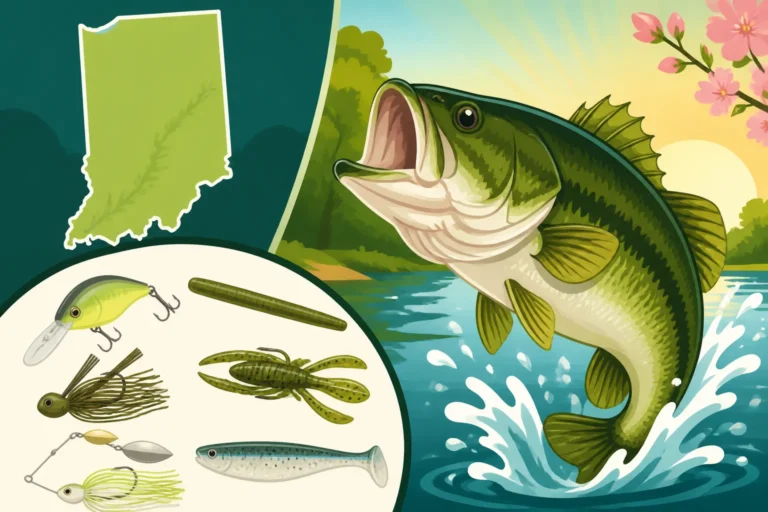
- Crawfish Imitations: These are classics. Soft plastic craws with flapping claws are perfect for mimicking a retreating crawfish. Brands like Strike King's Rage Craw or Zoom's Super Chunk are popular for their realistic action.
- Grubs/Paddletails: Single or double-tail grubs offer a subtle wiggling action that can imitate baitfish or even smaller craws. Paddletail swimbaits, when rigged correctly, give a more pronounced thumping action.
- Chunks/Beaver Baits: These are more compact and bulky, offering less aggressive action but a significant profile. They are excellent for punching through cover or when you want a slower fall rate.
The key is to match your trailer's size, color, and action to your jig and the conditions. A larger trailer adds more bulk and slows the fall, while a smaller one makes the presentation more compact. Color-wise, you can match the jig, or go for a contrasting color to create a "hot spot" that draws attention. For example, a green pumpkin jig with a chartreuse-tipped craw trailer can be dynamite. Experimentation is key to finding what works best on your local waters, like those found in our Best Bass Fishing Lakes in Indiana guide. Many anglers purchase bulk packs of trailers on Amazon to ensure they always have the right options on hand for various conditions.
Step-by-Step Guide to Rigging Your Jig
Now that you've got your jig and your chosen trailer, it's time to put them together. Rigging a jig isn't complicated, but doing it correctly ensures you get the best action, the highest hook-up ratio, and fewer frustrating snags. Precision here makes all the difference in your fishing success.
Attaching the Trailer for Optimal Presentation
The way you thread your trailer onto the jig's hook is crucial for how it looks and moves in the water. Here's how to do it right:
- Orient the Trailer: First, decide which way your trailer should face. For crawfish imitations, you usually want the claws pointing upwards or outwards, mimicking a defensive posture. For grub tails or paddletails, ensure the tail can move freely.
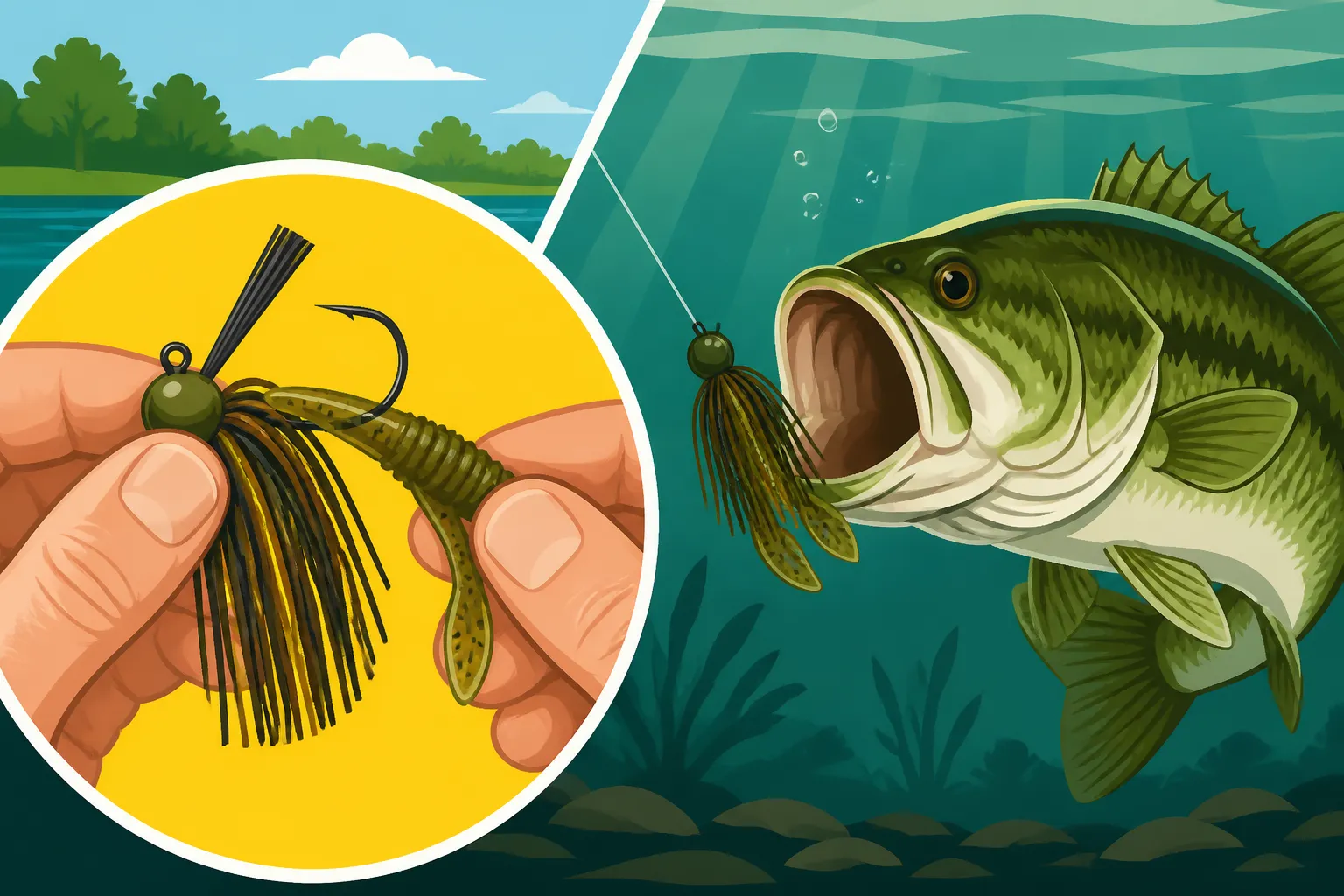
- Start at the Top: Insert the jig hook point into the very top (head) of your soft plastic trailer. If your trailer has a solid head, make sure you're going into the center.
- Thread it Through: Gently slide the trailer up the hook shank until the hook point emerges from the underside of the trailer, at the point where you want it to hang freely. For most trailers, you'll want the hook point to come out roughly where the "body" of the creature transitions to its "tail" or appendages.
- Secure it Straight: Continue to push the trailer up the hook shank until the head of the trailer is snug against the lead head of the jig. It's really important that the trailer sits straight on the hook; a crooked trailer will spin unnaturally in the water and reduce your strikes. If your jig has a bait keeper (a small wire barb on the hook shank), make sure the trailer slides past it and gets locked into place. Some anglers add a tiny drop of super glue to secure the trailer even more, especially if they're making a lot of casts into heavy cover or skipping. This can save you from constantly readjusting or replacing trailers.
| Jig Type | Common Weights | Ideal Trailer Type | Primary Application |
|---|---|---|---|
| Football Jig | 1/4 oz – 1 oz | Crawfish, Beaver, Chunk | Rocky bottoms, deep water |
| Arkie Jig | 1/4 oz – 3/4 oz | Crawfish, Grub, Beaver | Wood, brush, general purpose |
| Flipping/Punch | 1/2 oz – 2 oz | Chunk, Beaver, Compact Craw | Heavy mats, dense vegetation, docks |
| Stand-Up Jig | 3/8 oz – 1/2 oz | Crawfish, Beaver | Finesse presentations on hard bottom |
| Skipping Jig | 1/4 oz – 1/2 oz | Crawfish, Beaver, Small Grub | Under docks, overhangs |
Knot Tying for Jig Fishing
Having the perfect jig and trailer means nothing if your knot fails. When you're fishing for largemouth bass, especially in heavy cover, you need a strong, reliable knot that won't slip or break under pressure. There are a few excellent options for tying on your jig:
- Palomar Knot: This is a favorite among many bass anglers for a good reason – it's incredibly strong and relatively easy to tie, even in low light. It's particularly good for braided line but works well with fluorocarbon too. Its strength comes from the line passing through the eye of the hook twice, effectively doubling the line at the critical stress point. Just be sure to lubricate the knot before tightening.
- Improved Clinch Knot: A classic, versatile knot that's also very strong when tied correctly. It's a bit simpler than the Palomar for some, and widely used for many lure types. Make sure you get enough wraps (5-7 for most lines) and pull it tight slowly and evenly after lubricating.
- San Diego Jam Knot: This knot is gaining popularity, especially with fluorocarbon line, for its exceptional strength and small profile. It's a bit more intricate to tie initially, but once you get the hang of it, it provides great security, especially when you're battling a big fish trying to bury itself in structure.
No matter which knot you choose, practice it at home until you can tie it quickly and correctly every time. A poorly tied knot is a weak link, and a lost trophy bass or expensive jig is a bitter pill to swallow. Always trim your tag end neatly to prevent snags and ensure a clean presentation. If you're using a heavier line, say 15-20lb fluorocarbon for flipping, these knots will hold up to the abuse.
Mastering the Presentation: Fishing Your Rigged Jig
Rigging your jig is only half the battle; knowing how to fish it effectively is where the real magic happens. Different situations call for different techniques, and understanding these nuances will dramatically increase your hook-up opportunities. It's not just about casting; it's about controlling your lure and understanding how bass react to its movement.
Jigging Techniques for Different Cover
Jigs are incredibly versatile, allowing for a multitude of presentations depending on the cover and the mood of the bass. Getting good at these will make you a much more rounded angler.
- Flipping and Pitching: These are precision techniques used to present your jig into tight spots, like under docks, into brush piles, or along dense vegetation lines. Flipping involves a short, pendulum-like swing of the rod to drop the bait quietly into cover, while pitching uses a slightly longer cast but still aims for a soft, controlled entry. Once the jig is in the water, let it fall naturally, watching your line for any twitch or jump—that's a bite! After it hits bottom, a series of short hops or drags with your rod tip can entice a strike. This is particularly effective when bass are holding tight to cover, as described in our Best Time to Bass Spawn in Indiana article where bass often guard nests.
- Dragging and Hopping: When bass are spread out on a flat or relating to subtle bottom contours like rock piles or shell beds, dragging or hopping a jig is super effective. For dragging, make a cast, let the jig sink, then use your rod tip to slowly pull the jig across the bottom. For hopping, lift your rod tip sharply a foot or two, let the jig fall back to the bottom on a semi-slack line, and repeat. Both techniques imitate a crawfish scuttling or a baitfish feeding. Pay close attention during the fall, as many bites occur then.
- Swimming: Don't always think of a jig as a bottom-only bait. Sometimes, bass will readily hit a jig reeled slowly through the water column, much like a swimbait or a spinnerbait. This is especially good in grass or around submerged timber. Add a paddletail trailer for extra thump and attraction. This can be a surprisingly effective tactic when bass are cruising or suspending slightly off the bottom.
Rod, Reel, and Line for Jig Fishing Success
To truly excel at jig fishing, you need the right tools in your hands. This isn't a technique where you can get away with just any old combo; sensitivity, power, and precise control are paramount.
- Rod Selection: A good jig rod needs to be sensitive enough to detect subtle bites, but powerful enough to get a solid hook set and pull a big bass out of heavy cover. A fast-action baitcasting rod in the 7' to 7'6" range with a heavy or medium-heavy power is usually ideal. The fast action means the tip bends easily to detect strikes, while the heavy backbone provides the necessary power. Think about a rod like a St. Croix Bass X or a comparable model; they offer the right balance of sensitivity and brute strength. For precise flipping and pitching around docks, a slightly shorter rod, say 6'10" to 7', might offer better maneuverability.
- Reel Selection: A baitcasting reel with a gear ratio in the 7.1:1 to 8.3:1 range is perfect for jig fishing. The higher speed allows you to quickly pick up slack line after a cast or a hop, which is critical for detecting subtle bites and setting the hook quickly. It also helps in controlling the fish once it's hooked, preventing it from burying itself in cover. Look for reels known for their smooth drag and strong cranking power, such as those made by Shimano or Lew's. Many anglers will purchase their new reels and rods together from Amazon to benefit from wide selection and competitive prices.
- Line Choice: Fluorocarbon line is the undisputed champion for jig fishing. Its low stretch provides incredible sensitivity, allowing you to feel every bump, tick, and subtle bite. It also has excellent abrasion resistance, which is vital when fishing around rocks, wood, or heavy grass. A 15-20 pound test fluorocarbon line is a great starting point for most jig fishing applications. Some anglers will use braided line (30-50 lb) in extremely heavy cover for its superior strength and no-stretch properties, often tying a short fluorocarbon leader to it for invisibility. For more options on how to rig your gear, our guide on Best Rods and Reels for Indiana Largemouth Bass offers plenty of insights. The specific water temperatures in Indiana also play a huge role in bass activity, so understanding Best Water Temperature for Bass Fishing in Indiana can further refine your approach.
Disclaimer
Fishing regulations and best practices can change, so always ensure you check the latest Indiana Department of Natural Resources (IDNR) rules and advisories before heading out. The information provided here is for general guidance only and should not replace official sources.