How Weather Affects Fish Feeding Patterns
There are few things more frustrating than planning a perfect fishing trip, waking up early, getting all your gear ready, only to have the weather suddenly turn hostile or completely shut down the bite. We’ve all been there, staring at a placid lake under a bluebird sky, wondering why the fish aren't biting after a cold front. This guide is all about demystifying how various weather elements influence fish feeding patterns in Indiana, helping you understand why some days are magic and others are a bust.
Understanding Barometric Pressure and Its Impact
Think of barometric pressure as the invisible force pushing down on everything, including our fishy friends beneath the surface. It's one of the most significant, yet often overlooked, weather factors affecting fish behavior, and once you start paying attention to it, you'll find yourself making much smarter decisions about when and where to cast your line.
High Pressure Systems: Post-Frontal Blues
Ah, the dreaded high-pressure system. This usually rolls in after a storm has passed, bringing with it those gorgeous, clear, sunny skies and a sense of calm. While these days are beautiful for a picnic, they often spell "slow fishing" for many anglers. The air pressure is high, pushing down on the water and, in turn, pushing down on the fish.
When high pressure sets in, fish often feel this increased pressure in their swim bladders, which can make them uncomfortable. They tend to retreat to deeper water, denser cover, or areas with more structure where they feel more secure and less exposed. Their metabolism slows down, and their feeding activity decreases significantly. It's not that they won't eat, but they're much less aggressive, requiring a more subtle approach and often smaller, slower presentations. You might find success fishing very slowly with finesse baits right on the bottom or tucked deep into brush piles.
This is why those picture-perfect, bright, sunny days immediately following a storm can be so maddeningly unproductive. The fish just aren't in a chasing mood. It’s important to remember that they are still there, they’ve just adjusted their behavior. If you find yourself out on a bluebird, high-pressure day, consider targeting shaded areas, deep drop-offs, or dense vegetation where fish might be seeking refuge from the intense sunlight and feeling a bit more at ease with the increased atmospheric pressure. Don't be afraid to slow down your presentation to a crawl.
Low Pressure Systems: Pre-Frontal Frenzy
On the flip side, we have low-pressure systems. These are usually associated with approaching weather fronts, often bringing clouds, wind, and the promise of rain. For many anglers, these are the conditions we dream of! As a low-pressure system approaches, the atmospheric pressure drops, creating a sense of relief for fish.
With less pressure pushing down on them, fish often feel more comfortable moving shallower and becoming much more active. Their swim bladders expand slightly, which can increase their comfort and stimulate their metabolism, leading to a more aggressive feeding spree. This is the time when you'll often see fish smashing topwater lures or chasing fast-moving crankbaits. They know a storm is coming, and instinct tells them to feed while the going is good.
Timing your fishing trips around an approaching low-pressure front can dramatically increase your success. Think about those cloudy, breezy days right before a thunderstorm rolls through. Those are prime conditions for many species, especially bass, crappie, and walleye, to be on the prowl. They’re anticipating the change and stocking up. Just be mindful of actual lightning and severe weather, of course – safety first!
Temperature Swings and Water Columns
Temperature is another critical factor that dictates where fish will be and how eager they are to bite. Fish are cold-blooded creatures, meaning their body temperature is directly influenced by the water temperature around them. This means even slight changes can trigger significant shifts in their activity levels and preferred locations.
Cold Fronts: A Sudden Chill
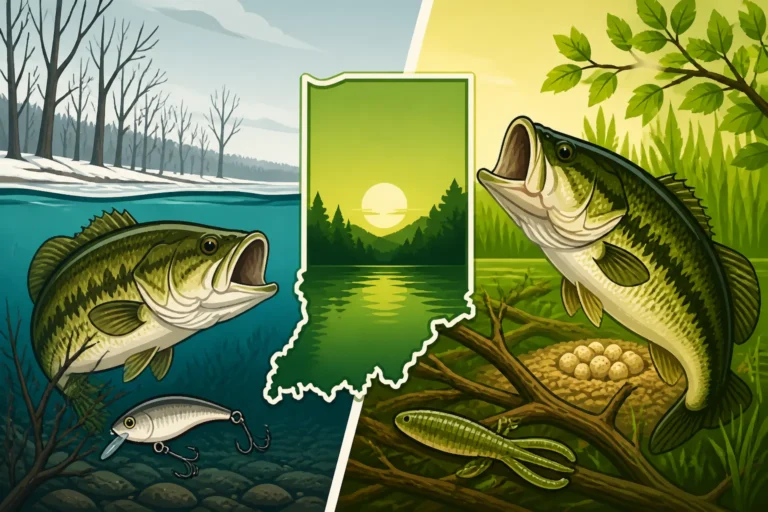
A cold front often follows a low-pressure system, bringing cooler air and, crucially, a drop in water temperature. This sudden chill can put fish into shock, much like the high-pressure system. When the water temperature drops abruptly, fish become sluggish and their metabolism slows down significantly. They're less inclined to chase or expend energy.
After a noticeable cold front, you'll often find fish moving to deeper water, or to areas with more stable temperatures, like the bottom of a lake or inside dense cover. They're essentially trying to find a comfortable thermal refuge. This is when finesse techniques become key, and you might need to try a different approach. For instance, if you're out on an Indiana lake and a severe cold front has just passed, you might find that the advice in our article on How to Fish After a Cold Front becomes incredibly relevant. You'll want to present your bait slowly and precisely, almost daring the fish to bite, rather than trying to provoke a reaction strike.
It’s crucial to understand that not all fish react the same way, but a sudden drop in temperature almost always leads to a decrease in active feeding for most popular game species. Pay attention to those overnight lows and sudden daytime drops. These are the days to focus on patience and targeting those sheltered, deeper spots. You might even find that the fish are holding so tight to cover that you practically have to drop your lure right on their nose.
Warming Trends: Awakening Activity
Conversely, a warming trend can breathe new life into a fishery. Whether it’s the gradual warming of spring or a sustained period of mild weather after a cold snap, increasing water temperatures generally kick fish activity into high gear. As the water warms, fish metabolisms speed up, making them hungrier and more willing to chase prey.
During a warming trend, fish will often move shallower, particularly to sun-drenched flats or dark-bottomed areas that absorb more heat. This is especially true in spring when species like bass are preparing for the spawn. The warming water signals to them that it’s time to feed heavily and prepare for reproduction. You can read more about this phenomenon in our guide on Indiana Bass Spawn Timing and Pre-Spawn Patterns. Understanding how important Best Water Temperature for Bass Fishing in Indiana is can transform your spring fishing.
For species like walleye, a warming trend might mean they move up onto shallower reefs or points to feed more actively, especially during low light conditions. You can often see this play out in the spring and fall in places like the glacial lakes of northern Indiana. When a warming trend is predicted, it's often a great time to be on the water, experimenting with a wider range of baits and presentations, as fish are likely to be more aggressive and spread out. Don't be afraid to cover water and look for active fish.
Wind, Rain, and Cloud Cover: Surface Effects
Beyond the invisible hand of barometric pressure and the profound influence of temperature, more visible weather elements like wind, rain, and cloud cover also play significant roles in how and when fish decide to feed. These surface-level dynamics can either create fantastic opportunities or make for a truly challenging day.
Wind: Friend or Foe?
Wind is a tricky one because it can be both a blessing and a curse. A light to moderate chop on the water's surface can be incredibly beneficial. It breaks up the light penetration, making fish feel more secure and less visible to predators from above. This disturbance also oxygenates the water, especially in shallow areas, and can stir up baitfish, plankton, and other food sources, effectively creating a "feeding current."
In these conditions, fish often become more aggressive and will move into wind-blown areas where baitfish are being pushed. Think about fishing a windy point or shoreline – the waves crashing in can dislodge insects and small crustaceans, creating a buffet line for game fish. This is often when reaction baits like spinnerbaits, crankbaits, or chatterbaits can really shine. However, too much wind can be detrimental. Heavy winds make boat control difficult, stir up excessive turbidity, and can make for an unpleasant and unproductive fishing experience. Learning to read the wind and position yourself strategically to fish the "windy side" of structure without getting blown off the lake is a key skill.
Rain and Cloud Cover: Nature's Veil
Many anglers debate whether Does Rain Make Fishing Better or Worse?, and the truth is, it depends on the type of rain. A light, steady drizzle or a persistent cloudy day can be fantastic for fishing. Clouds act like a natural diffuser, reducing harsh sunlight that can push fish deeper or under cover. With less direct light, fish often feel more comfortable moving into shallower water and feeding throughout the day, rather than just during dawn and dusk. This is why you often hear that cloudy days are some of the Best Time of Day to Catch Bass for extended periods.
Light rain can also be a huge boon. It washes terrestrial insects into the water, oxygenates the surface, and further breaks up light penetration. Fish often go on a feeding binge during a light rain. However, a torrential downpour can quickly turn a good bite into a bad one. Heavy rain can rapidly cool surface temperatures, create strong currents in rivers and streams, and most significantly, lead to muddy, turbid water. When the water turns into chocolate milk, fish rely less on sight and more on their lateral lines, making them harder to target. If you find yourself facing turbid conditions, our guide on How to Fish Muddy Water After a Storm offers some excellent strategies.
Seasonal Weather Patterns and Long-Term Trends
Understanding how individual weather factors affect fish behavior is crucial, but it’s even more powerful when you weave that knowledge into the larger tapestry of Indiana’s distinct fishing seasons. Each season brings its own set of prevailing weather patterns, and knowing what to expect can give you a significant advantage.
Adapting to Indiana's Diverse Seasons
Indiana experiences four very distinct seasons, and the "typical" weather patterns of each season combine with the factors we've discussed to create predictable trends in fish behavior. For example, springtime often means fluctuating temperatures, frequent low-pressure systems bringing rain, and then subsequent cold fronts. Understanding this cycle helps you anticipate when fish will be shallow and aggressive (pre-front) and when they'll retreat to deeper cover (post-front). This dynamic is particularly important when targeting species that have strong seasonal movements.
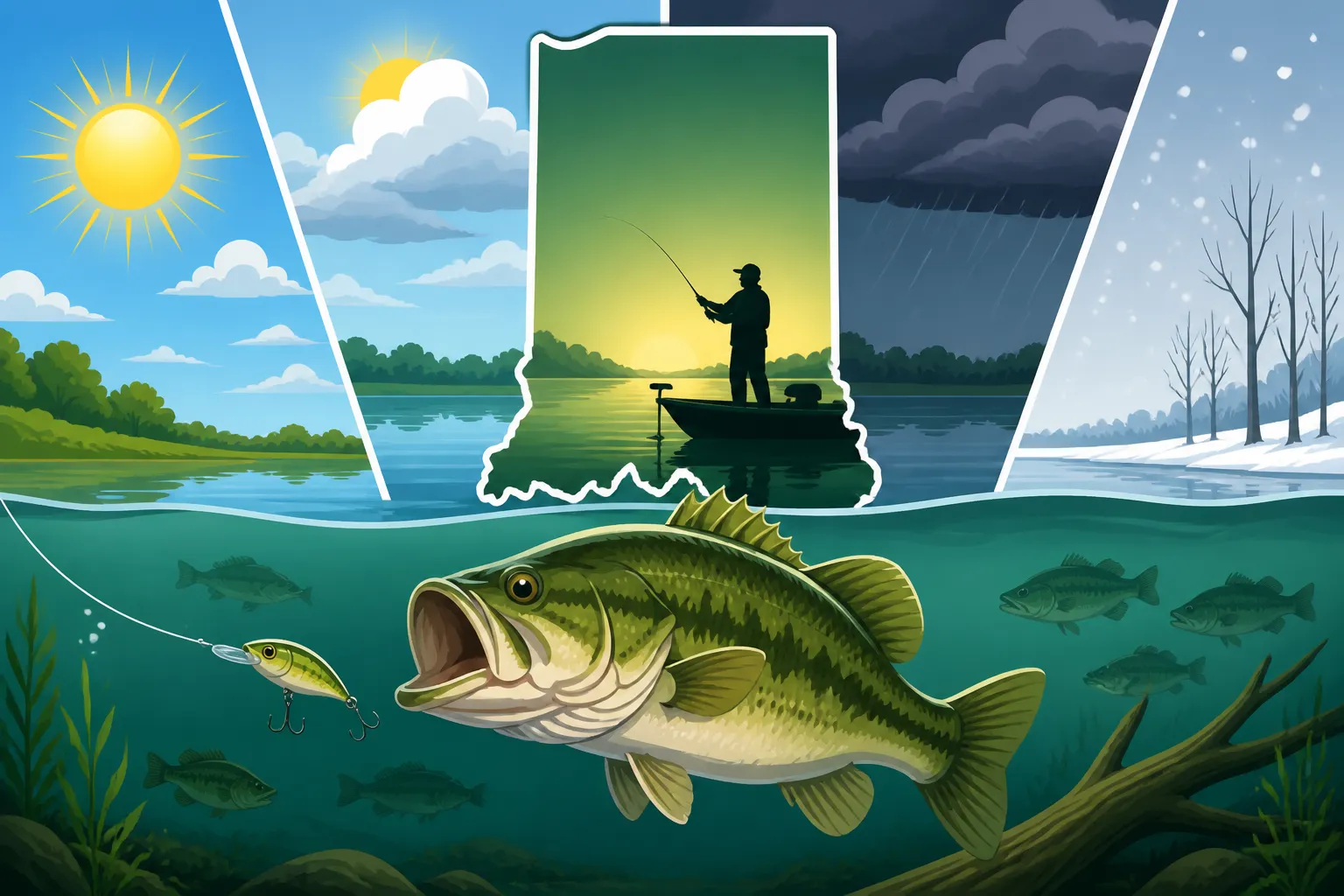
In summer, you're looking at more stable high-pressure systems, warmer water, and often clear skies. This usually means an early morning and late evening bite, with midday lulls as fish retreat to cooler, deeper water or dense shade. Knowing these trends helps you plan your trips for the most productive times. Fall, much like spring, brings more variability with dropping temperatures, increased wind, and sometimes heavy rain. This is a crucial time for many species to feed heavily before winter, and understanding how these weather elements impact that Best Bait and Lures for Fall Fishing can lead to some truly epic days on the water. Even in winter, knowing that mild, cloudy days can be better than bright, sunny ones for ice fishing can make all the difference. Always be checking the forecast, and don't just look at the temperature; scrutinize the barometric pressure and wind direction.
Reading the Water and Adjusting Your Approach
Ultimately, weather isn't just a forecast; it's a living, breathing component of the aquatic environment that directly impacts fish. Every time you step onto the water, you're not just fishing the lake or river; you're fishing the weather too. You might have the perfect lure, but if the barometric pressure has just spiked and a cold front has moved in, fish might be tighter to cover and less willing to chase. That's when you need to switch tactics – slow down, use smaller baits, and focus on precise presentations.
Having the right gear to adapt to these conditions is also key. A good rain suit, for example, can make a huge difference in your comfort and willingness to stay out during a productive drizzle. You can find some excellent options for all kinds of fishing weather on platforms like Amazon, from waterproof jackets to gloves and hats that help you stay comfortable no matter what the sky throws at you. Remember that fish activity is directly tied to their comfort levels and metabolic rates, both of which are heavily influenced by the weather. Paying close attention to barometric pressure, water temperature, wind, and cloud cover will make you a more observant and, ultimately, a more successful angler in Indiana. Learning about Why Water Temperature Affects Fish Activity is fundamental to this understanding. Sometimes, simply knowing the Best Time of Year to Fish in Indiana isn't enough; you need to know the best days within that season, too.
| Weather Factor | Typical Effect on Fish Feeding Patterns |
|---|---|
| High Pressure (Post-Front) | Fish become less active, move deeper or into dense cover, seek stable conditions. Feeding is subtle, often lethargic. |
| Low Pressure (Pre-Front) | Fish become more active and aggressive, move shallower, feed heavily in anticipation of weather change. |
| Cold Fronts (Sudden Drop) | Fish become sluggish, metabolism slows, retreat to deeper or more stable water. Bite is often difficult, requiring finesse. |
| Warming Trends (Gradual Rise) | Fish become more active, metabolism speeds up, move shallower, and feed more readily. Often leads to aggressive bites. |
| Light Wind/Chop | Generally positive. Breaks surface, oxygenates water, stirs up baitfish, improves visibility cover for fish. Often triggers aggressive bites. |
| Heavy Wind | Generally negative. Difficult boat control, high turbidity, uncomfortable for anglers. Fish may move to sheltered areas. |
| Cloud Cover | Positive. Reduces harsh light, makes fish feel more secure, encourages shallower feeding throughout the day. |
| Light/Steady Rain | Positive. Washes food into water, oxygenates, further breaks light. Can trigger strong feeding activity. |
| Heavy Rain | Generally negative. Rapid temperature drop, strong currents, extreme turbidity. Can shut down the bite. |
Disclaimer
This article is for general informational purposes only and does not constitute professional advice. Laws, prices and regulations vary by location and change over time. Consult a qualified professional for guidance on your specific situation.