Best Bank Fishing Spots for Catfish
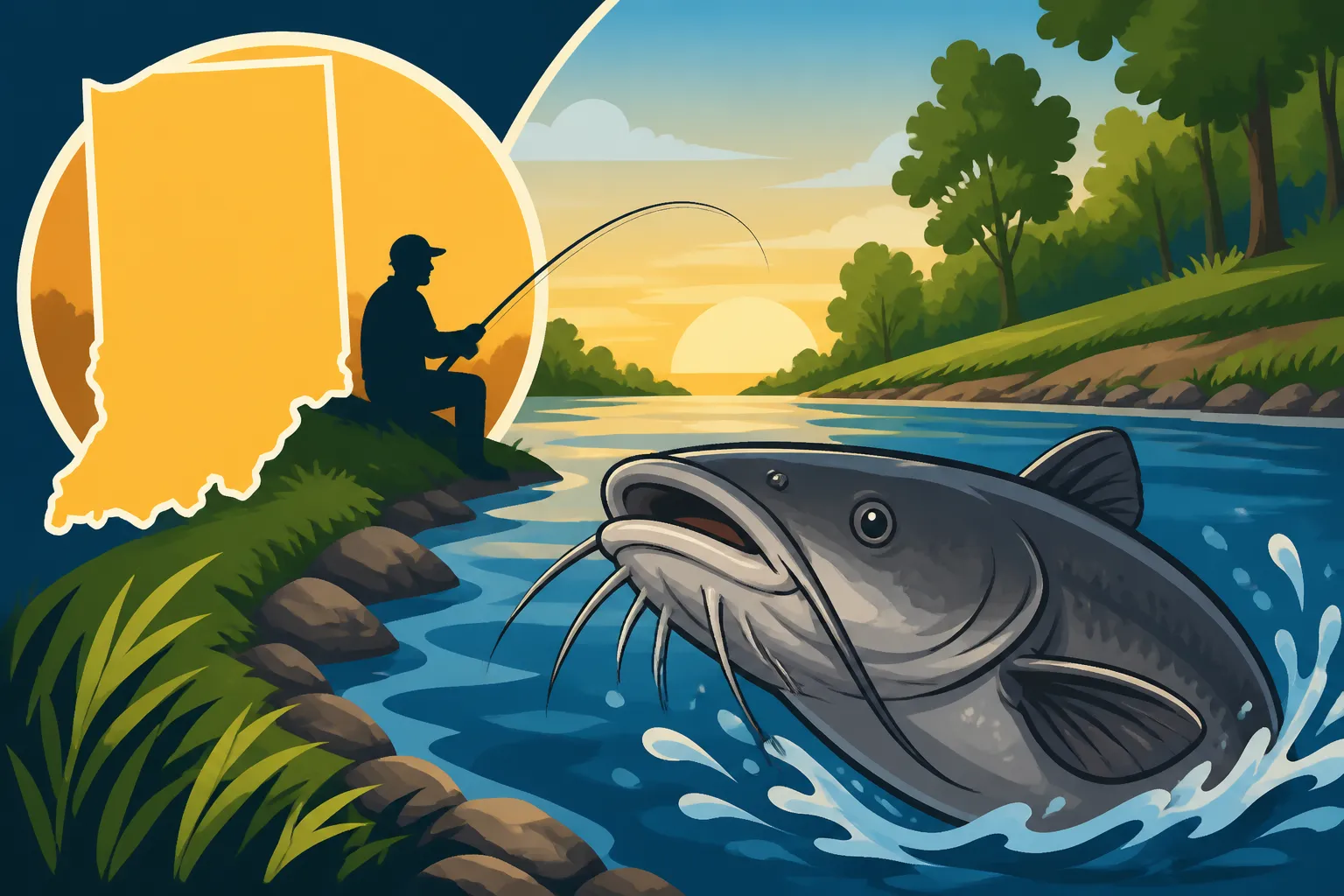
It's a common frustration, isn't it? You love the idea of catching big catfish, but you don't own a boat, or maybe you just prefer the simplicity and peace of fishing from solid ground. Many anglers feel like the best spots are always out of reach, only accessible by watercraft. But I'm here to tell you that Indiana offers some incredible bank fishing opportunities for catfish, and you absolutely can find those hard-fighting, delicious whiskerfish without ever setting foot in a boat. This guide is dedicated to revealing those prime bank fishing spots for catfish across our great state, helping you understand where to cast your line and what to look for when you're restricted to the shore.
Unlocking the Potential of Indiana's Rivers for Bank Catfishing
When we talk about bank fishing for catfish in Indiana, rivers are often the first place that comes to mind, and for good reason! The constant flow of water, natural structure, and abundant food sources make them prime habitat for channel catfish, flatheads, and even some hefty blue cats. The key is knowing where to find accessible points along these rivers that also hold fish.
The Mighty Wabash and White Rivers: Prime Bank Access
Our major river systems, especially the Wabash River and the White River, are legendary for their catfish populations. What makes them so great for bank anglers is the sheer amount of public access. You'll find numerous parks, conservation areas, and bridges that offer easy walks right down to the water's edge. But just because you can get to the water doesn't mean it's a hot spot. You need to look for specific features that catfish love.
Think about areas where the current slows down, like on the inside bend of a river. These spots often have deeper holes carved out by the water flow, creating perfect hiding places for catfish. Look for visible signs of structure, such as fallen trees or large rocks that break the current. These create eddies and slack water where catfish can ambush prey without expending too much energy. Embankments with riprap (those piles of jagged rocks) are also fantastic, as they offer crevices for smaller fish and invertebrates to hide, attracting catfish in turn. Many experienced anglers target these areas diligently, especially in the evening hours when catfish become more active.
Fishing directly below dams or spillways can also be incredibly productive from the bank, as the turbulent water churns up baitfish and creates oxygenated zones that attract hungry catfish. Just be sure to always prioritize safety and observe any posted restrictions in these powerful areas. These areas can be surprisingly accessible and incredibly rewarding for the persistent bank angler seeking to learn Fishing the Wabash River in Indiana or Fishing the White River in Indiana.
Identifying Catfish Hotspots Along River Banks
Catfish, especially flatheads and larger channel cats, are often ambush predators that prefer to hang out near cover and structure. When you're scouting a river bank, don't just pick a random spot. Spend a few minutes observing the water. What do you see? What do you not see?
Look for dark, slow-moving water next to faster currents. This usually indicates a deeper hole or a significant drop-off, which is exactly where catfish will hold during the day. Overhanging trees or brush provide shade and cover, making them excellent spots, especially on bright, sunny days. Log jams and brush piles are catfish magnets – they offer protection from the current, a place to hide, and often a buffet of smaller fish and insects. While these spots might be tricky to fish without snagging, the reward can be well worth the effort. It's all about finding that subtle difference in the water that screams "fish here!"
Another often-overlooked bank fishing hotspot is any kind of inflow, like where a smaller creek or drainage ditch meets the main river. These inflows often carry fresh food into the river, especially after a rain, drawing catfish in for an easy meal. Even culverts under roads can be surprisingly productive if they're flowing into a river system. Paying attention to these subtle clues can drastically increase your success rate, even if you're limited to bank access. Knowing How to Bottom Fish for Channel Catfish effectively in these varied river environments is key.
Tapping into Lakes and Reservoirs from Shore for Catfish
While rivers get a lot of love for catfishing, Indiana's numerous lakes and reservoirs also offer fantastic bank fishing opportunities, especially for channel catfish and sometimes even bullheads. These waters can present a different challenge than rivers, but with the right approach, they can be incredibly rewarding.
Reservoirs with Abundant Catfish and Public Access
Indiana has some truly massive reservoirs, many of which are well-stocked and managed for various sportfish, including catfish. Lakes like Patoka Lake, Mississinewa Lake, and Salamonie Lake come to mind immediately. These large bodies of water often have extensive public access areas, including parks, campgrounds, and designated fishing piers that make bank fishing a breeze.
When targeting catfish in these larger lakes from shore, focus your efforts on areas that mimic the features catfish seek in rivers: deep water close to shore, submerged structure, and points that extend into the lake. Often, the riprap along dams or causeways is a phenomenal spot, offering deep water and plenty of hiding places for baitfish. During the warmer months, catfish in lakes will patrol these areas, especially as evening approaches, searching for food. Don't be afraid to cast out a good distance from shore; sometimes the biggest fish are just beyond that initial drop-off. For those serious about targeting these whiskered giants, understanding where to find the Best Catfish Fishing Spots in Indiana within these reservoirs is crucial.
Another excellent strategy is to look for protected coves or bays, especially those with some weed beds or fallen timber. These quieter areas can hold good numbers of catfish, particularly if there's a slight current or an inflow from a smaller creek. Public access points often have trails leading to these less-pressured areas, offering a more peaceful and potentially more productive experience away from the main boat ramps.
Shoreline Strategy: What to Look for in Lakes
Lake fishing for catfish from the bank requires a slightly different mindset than river fishing. Without a current to help distribute scent, your bait presentation becomes even more critical. Look for points, especially those with deeper water on either side. These act as natural highways for fish moving along the shoreline. Submerged humps or old creek channels that come close to the bank are also prime targets, as catfish use these features to navigate and hunt.
During the day, catfish in lakes might hold in deeper, cooler water. This means casting further out, or finding shore access that allows you to reach a significant drop-off. As the sun begins to set, however, catfish often move shallower to feed. This is when Night Fishing Techniques for Catfish really shine. Casting into those shallower flats adjacent to deeper water can be incredibly productive after dark. Many experienced anglers will set up chairs and multiple rods on a promising point, letting their baits soak in different depths and directions, increasing their chances of intercepting a cruising catfish.
Think about areas that transition from shallow to deep water, or where different types of bottom merge. A sandy bottom meeting a rocky bottom, or a weed line ending at open water, can be a magnet for catfish looking for an easy meal. Remember, catfish are opportunistic scavengers, so anything that provides cover, food, or a distinct change in the environment is worth investigating from the bank.
Discovering Catfish in Smaller Waters: Ponds and Creeks
Don't underestimate the power of smaller, more intimate waters when it comes to bank fishing for catfish. While they might not hold the trophy-sized flatheads of the larger rivers, these spots can be fantastic for consistent action and are often incredibly accessible, perfect for a quick trip after work or a family outing.
Local Ponds and Community Fishing Sites
Across Indiana, you'll find countless smaller lakes, urban ponds, and community fishing sites that are regularly stocked with channel catfish. These spots are often managed by local parks and recreation departments or the DNR, ensuring good public access, paved paths, and sometimes even fishing piers. While the fish might not be record-breakers, they're typically abundant and eager to bite, making them ideal for beginners, kids, or anyone just looking for some consistent action.
When fishing these smaller ponds from the bank, focus on deeper sections, especially near any aerators or fountains if present, as these provide oxygenated water that fish love. Submerged brush piles, culverts, or any man-made structures like old docks or fallen trees can also hold catfish. Because these waters are smaller, you might not need to cast as far. A quiet approach and a well-placed bait near structure can be all it takes. Often, these ponds are overlooked by anglers chasing bigger game, leaving a surprisingly good fishery for those who take the time to explore them. You'd be surprised how many great fish come out of seemingly unassuming waters.
Remember, even in smaller ponds, catfish are often most active during low-light conditions. Early mornings, late evenings, and especially after dark can be prime times. A simple setup with live worms or a bit of prepared catfish bait can be incredibly effective here.
Creeks and Tributaries: A Bank Angler's Secret Weapon
While everyone talks about the big rivers, the smaller creeks and tributaries that feed into them are often a bank angler's secret weapon. These waterways might seem too small or insignificant, but they act as critical highways for fish movement and can hold surprising numbers of catfish, particularly channel cats.
Look for deeper pools formed by bends in the creek, scour holes around bridges, or where the creek narrows and deepens. Log jams and undercut banks are absolute goldmines in these smaller systems, providing perfect ambush points and cover for catfish. These spots can be incredibly intimate, offering a peaceful fishing experience away from the crowds. The fish in these creeks might be smaller on average, but they are often feisty and plentiful.
After heavy rains, these creeks can really come alive. The increased flow washes food into the main channel, and catfish will move upstream from the larger rivers to feed. Just be mindful of safety, as creek banks can be slippery and currents stronger after a storm. Accessing these areas often involves a bit more hiking or exploring, but the reward of a pristine, uncrowded fishing experience and willing catfish makes it all worthwhile. These smaller waters are fantastic for trying out Best Bait for Channel Catfish in Indiana Rivers, as the smaller fish might be less picky.
Essential Gear and Tactics for Indiana Bank Catfishing
Successful bank fishing for catfish isn't just about finding the right spot; it's also about having the right tools and knowing how to use them. You don't need a boatload of expensive gear, but a few key items will make a world of difference.
Rods, Reels, and Rigs for Shore-Bound Success
When you're bank fishing for catfish, especially in rivers or larger reservoirs, you need gear that can handle a strong fight and cast a decent distance. A medium-heavy to heavy action spinning or baitcasting rod, typically 7 to 9 feet long, is ideal. This length gives you the leverage to cast heavier baits and control larger fish. Pair it with a stout reel spooled with 15-30 pound monofilament or braided line. Braided line, available on platforms like Amazon, is a favorite among many catfish anglers because of its strength-to-diameter ratio and lack of stretch, which helps detect subtle bites.
For rigs, simplicity is often best. The classic Carolina rig (also known as a slip-sinker rig) is incredibly effective. It consists of a lead sinker (usually 1/2 to 2 ounces, depending on current and casting distance), a bead, a swivel, and an 8-18 inch leader with a strong circle hook. The slip-sinker allows the fish to pick up the bait and move off without feeling the weight of the sinker, leading to more solid hookups. For heavier currents or to keep your bait from rolling, a no-roll sinker or a flat pyramid sinker can be advantageous.
Another excellent option, especially for river currents, is the Santee Cooper rig, which is essentially a Carolina rig with a small float between the sinker and the hook. This float lifts your bait slightly off the bottom, preventing it from getting buried in muck or weeds, and makes it more visible to cruising catfish. Using strong, sharp circle hooks (often found in multi-packs on Amazon) in sizes ranging from 4/0 to 8/0 is crucial; they minimize gut-hooking and are very effective at setting themselves. Learning about Best Rigs for Catfish Fishing in the Wabash River can provide even more tailored options.
| Bank Fishing Location | Typical Catfish Species | Recommended Rod/Reel | Ideal Rig Type | Key Features to Target |
|---|---|---|---|---|
| Large Rivers (Wabash, White) | Channel, Flathead, Blue | Heavy action, 7-9 ft | Carolina, Santee Cooper | Deep holes, log jams, current breaks, riprap |
| Large Lakes/Reservoirs (Patoka, Mississinewa) | Channel, Flathead | Medium-heavy, 7-8 ft | Carolina, Slip-bobber | Dam faces, deep points, submerged structure, transition zones |
| Smaller Ponds/Creeks | Channel, Bullhead | Medium action, 6-7 ft | Carolina, Basic bottom rig | Aerators, fallen trees, deep pockets, creek bends |
Bait Selection and Presentation for Bank Catfish Anglers
Catfish are not particularly picky eaters, which is great news for bank anglers! The key is to use fresh, smelly bait that appeals to their incredible sense of smell. Cut bait is king for larger channel cats, flatheads, and blue catfish. Fresh shad, skipjack herring, or even bluegill cut into chunks are incredibly effective. You can often find pre-packaged cut bait or even live bait that you can cut yourself at local bait shops.
Beyond cut bait, classic options like chicken liver, nightcrawlers (especially for bullheads and smaller channel cats), and prepared "stink baits" or punch baits also work wonderfully. Prepared baits are often sold in tubs and designed to stay on the hook well, making them easy for bank anglers to use. For those who like convenience, many effective catfish baits can be quickly ordered from Amazon and delivered right to your door. The most important thing is that the bait is fresh and has a strong scent trail in the water.
When it comes to presentation, once your rig is tied and baited, cast it out to your chosen spot. Let the sinker settle, then reel in just enough slack to feel your weight, without moving it. You want your bait to sit on the bottom, where catfish typically feed. If you're in a river with current, sometimes a slightly lighter sinker that allows your bait to slowly "walk" along the bottom can be effective, mimicking a natural food source drifting downstream. However, too light, and your bait will just get swept away. Patience is a virtue in catfishing; sometimes it takes a while for a cruising fish to find your offering. Keep your rod in a sturdy rod holder, relax, and wait for that telltale thumping bite. Exploring Best Cut Bait for Catfish Fishing or Best Catfish Gear for Rivers and Lakes can help refine your setup even further.
Disclaimer
This article is for general informational purposes only and does not constitute professional advice. Laws, prices and regulations vary by location and change over time. Consult a qualified professional for guidance on your specific situation.