Does Time of Day Affect Fishing Success?
It's a question every angler has pondered, staring at the water with anticipation or frustration: Does the time of day really affect fishing success? We’ve all had those mornings where the fish seem to jump into the boat, and those afternoons where it feels like the lake is completely empty. The truth is, that clock on your wrist, or the position of the sun in the sky, plays a much bigger role in whether you catch fish in Indiana than you might think. This guide will dive deep into the daily rhythms of fish and how understanding them can dramatically improve your angling adventures across the Hoosier State.
Understanding the Rhythms of the Fish: Why Time of Day Matters
When you hit the water, whether it's a quiet farm pond or a bustling reservoir, you're stepping into a complex ecosystem governed by natural rhythms. Fish, much like us, have periods of high activity and periods where they're more inclined to take it easy. Ignoring these biological truths is often the reason why some days feel like a bust, even when all other conditions seem right.
The Science Behind Fish Activity Cycles
At its core, fish activity is driven by a combination of internal biological clocks and external environmental factors. Every fish species has a natural circadian rhythm, which dictates when they're most likely to feed, rest, or spawn. For most freshwater game fish in Indiana, this rhythm often correlates with light intensity. Think about it: bright, glaring sunlight can make smaller baitfish more visible to predators, but it can also make the predators themselves more cautious, seeking the cover of deeper water or dense vegetation.
Beyond light, water temperature plays a crucial role. Fish are cold-blooded, meaning their body temperature is regulated by their environment. When the water warms up, their metabolism speeds up, making them hungrier and more active. Conversely, when it gets too hot, or too cold, they might slow down, conserving energy and becoming less inclined to chase a meal. Oxygen levels, often tied to temperature and algal blooms, also influence where fish will hold and how actively they’ll feed. It’s a delicate balance, and timing your visit to the lake or river when these factors align is key.
Prime Feeding Windows and How to Spot Them
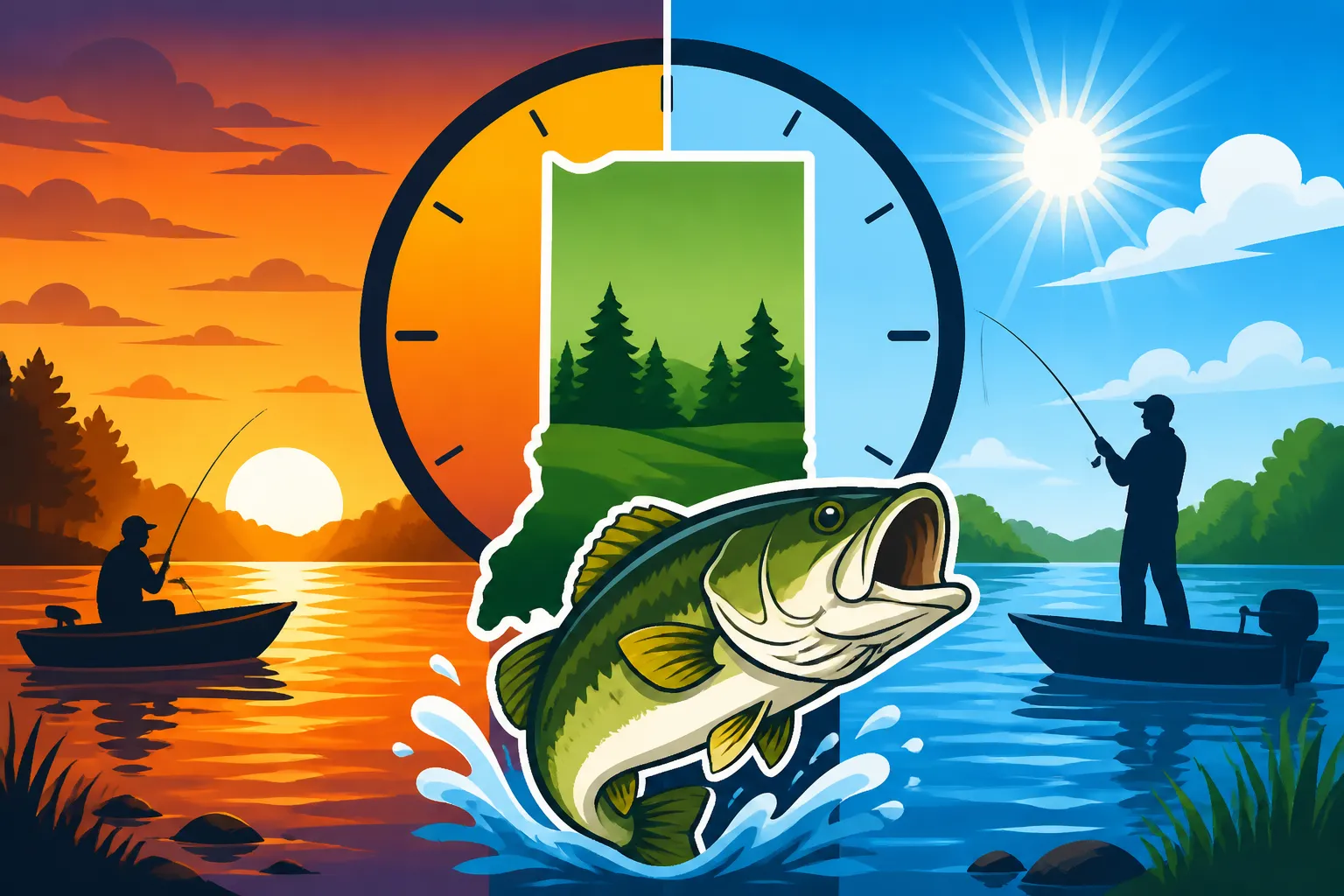
So, how do you know when these prime feeding windows are opening up? The classic advice of "dawn and dusk" isn't just an old wives' tale; it's steeped in biological reality. During these transitional periods, light levels are lower, offering a tactical advantage to many predatory fish. The water is often cooler than midday but warmer than the dead of night, creating comfortable conditions for fish to move and forage.
However, it's not always just about sunrise and sunset. Weather fronts, for instance, can trigger intense feeding frenzies. Before a cold front moves in, when barometric pressure drops, fish often go on a bite. They sense the change and instinctively know that a period of less comfortable conditions is coming, prompting them to gorge while they can. Watching for signs of active baitfish on the surface, or even the subtle "thump" of fish hitting your line in quick succession, can indicate you've stumbled upon a productive window. Pay attention to how the wind changes, the clouds gather, and how the water temperature feels – these are all clues fish are reading too.
Dawn and Dusk: The Golden Hours of Indiana Fishing
For many anglers across Indiana, the magic truly happens during the periods just after sunrise and just before sunset. These aren't just pretty times of day; they are strategic windows where many species are at their most active and vulnerable.
Why Early Mornings Offer a Unique Advantage
There's something incredibly peaceful about being on the water as the first rays of sun paint the sky. But for fish, it's not just about aesthetics; it's about opportunity. As the sun begins to creep above the horizon, the water often starts to warm slightly, signaling to many species that it's time to become active after a cool night. The low light conditions create a perfect ambush scenario for predators like largemouth bass and walleye. They can see their prey silhouetted against the brightening sky, while remaining somewhat camouflaged themselves.
Baitfish, feeling a bit bolder in the dim light, start to move and feed, which in turn draws in the bigger fish looking for an easy meal. This is often when topwater lures can be incredibly effective, as bass are willing to strike at a noisy commotion on the surface. For walleye, who are particularly sensitive to bright light, the early morning hours, especially in low-light conditions or overcast days, are often the most productive. You'll find them moving shallower, closer to structure, actively hunting. If you want to improve your chances with these early risers, understanding the Best Time of Day to Catch Bass and the Best Time of Day to Catch Walleye can give you a significant edge.
Evening's Embrace: Capitalizing on the Twilight Bite
Just as the morning offers a renewed burst of activity, the evening brings another wave of opportunity as the sun begins its descent. The water cools again, often stimulating fish that might have been hiding in deep, shaded areas during the heat of the day to move into shallower feeding zones. This twilight period, as the light fades, is another prime time for ambush predators.
Crappie, in particular, often become very active in the evening hours, moving out from submerged brush piles and docks to feed in open water. Catfish, too, are well-known for their evening and nocturnal feeding habits, using their keen sense of smell to locate prey in the dimming light. It's a fantastic time to target them, especially in deeper holes or near current breaks. The evening bite can often extend well into the night, presenting entirely new possibilities for those willing to stay out a little longer. For adventurous anglers, extending your trip into the dark can pay off big, and knowing How to Catch Fish at Night can dramatically increase your chances.
Midday Challenges and Strategies for Success
While dawn and dusk often steal the show, many of us find ourselves on the water during the bright, often challenging, midday hours. It’s easy to get discouraged when the bite shuts down, but with the right approach, you can still find success even when the sun is high and bright.
The Struggle of Bright Sunlight and Warm Water
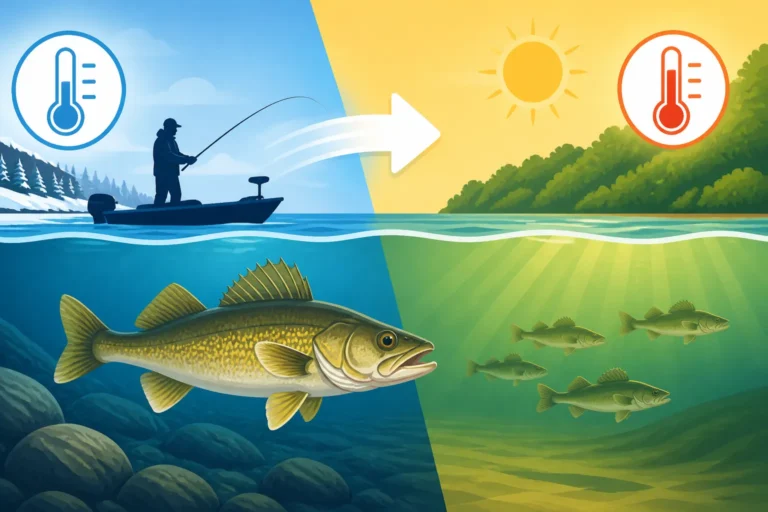
Let's be honest, those bright, sunny afternoons can be brutal for fishing. The intense sunlight penetrates deep into the water, making fish feel exposed and often sending them scurrying for cover. It's not just about being seen; it's also about comfort. Warm surface water can push cooler-water species, like walleye, into deeper, more stable thermal layers. Even warm-water species like bass will seek out dense shade under lily pads, overhanging trees, or deep structures to escape the heat and light.
This is where the frustration often sets in. You might be casting in areas that were red-hot just a few hours earlier, only to find nothing. It feels like the fish have vanished into thin air. The key is to understand that they haven't disappeared; they've simply changed their location and their behavior. They're still in the lake, but they're conserving energy, seeking refuge, and generally less inclined to chase a fast-moving meal. Expecting them to behave as they did at sunrise is a recipe for disappointment.
Adapting Your Approach for Midday Bites
Successfully fishing midday requires a complete shift in strategy. Instead of covering open water quickly, you'll want to slow down and focus on specific, high-percentage areas. Think structure, shade, and depth. Bass will often bury themselves deep within thick weeds or under boat docks. Flipping and pitching jigs or soft plastics into these tight spots, forcing a reaction strike, can be incredibly effective. Don't be afraid to fish slowly, letting your bait sit in one spot for an extended period, tempting a lethargic fish.
For species that prefer cooler water, like walleye, you'll need to go deep. Trolling deep-diving crankbaits or vertical jigging over submerged humps, rock piles, or along ledges where the water remains cooler can produce results. Look for points that drop off into deep water or areas where current creates a break. Midday also presents an opportunity for different types of lures. While topwater action might be minimal, deeper-diving crankbaits, jigs, and slow-moving creature baits become more effective. Exploring Best Lures for Summer Fishing can give you ideas for adapting your tackle to these conditions.
Night Fishing in Indiana: Unlocking a Hidden World
When the sun dips below the horizon and the stars come out, many anglers pack up their gear. But for a dedicated few, nightfall signals the start of a whole new fishing adventure in Indiana. The darkness transforms the lake or river into a different world, often revealing a surprisingly active bite from species that become shy during the day.
Species That Thrive in the Dark
Certain fish species are simply built for the night. Catfish, with their barbels acting like highly sensitive smell and taste receptors, are perfectly adapted to hunting in low-light conditions. They'll move out of their daytime hiding spots in deep holes and snags to patrol shallower flats and channels, actively searching for food. This makes night fishing an incredibly productive time to target channel, blue, and flathead catfish. If you're looking for a thrilling fight, especially a big flathead, consider honing your Night Fishing Techniques for Catfish.
Walleye, too, are notoriously nocturnal. Their large, light-sensitive eyes give them a distinct advantage over their prey in the dark. They'll often move from deep-water sanctuaries to shallow reefs, points, and shorelines under the cover of darkness to feed. If you've ever wondered Do Walleye Bite at Night in Indiana Reservoirs?, the answer is a resounding yes! Even some largemouth bass will shift to nocturnal feeding patterns, especially in heavily pressured waters or during hot summer months.
Essential Gear and Safety for Nocturnal Anglers
Night fishing, while rewarding, requires some specific considerations for both gear and safety. First and foremost, lighting is crucial. A reliable headlamp is your best friend, allowing you to keep your hands free for tying knots, baiting hooks, or landing fish. You can find excellent, waterproof options on platforms like Amazon, which often have different beam settings and red-light modes to preserve your night vision. Remember to bring extra batteries!
Beyond personal lighting, consider glow-in-the-dark lures or those with rattles to attract fish that are relying on sound and vibration rather than sight. Chemical light sticks attached to bobbers can help you detect subtle bites. Safety should always be paramount. Tell someone where you're going and when you expect to return. Be extra cautious when navigating on the water or walking along unfamiliar banks, as hazards are harder to see. Wearing a quality life jacket, even if you’re fishing from shore, is always a good idea. Having a dedicated fishing buddy makes the experience safer and often more enjoyable. Make sure you check out Best Headlamps for Night Fishing on Indiana Lakes to ensure you're well-equipped.
Factors Beyond the Clock: What Else Influences Success?
While the time of day is undeniably important, it's just one piece of the puzzle. An experienced Indiana angler knows that many other environmental variables interact with the clock to determine whether it's a banner day or a slow one. Understanding these broader influences allows for even greater flexibility and strategic thinking.
Weather and Seasonal Changes
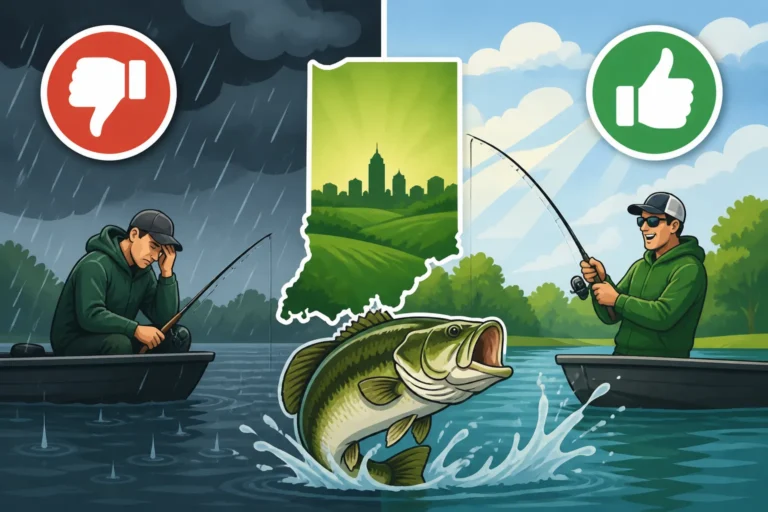
The weather, of course, plays an enormous role. A sudden cold front can shut down a bite faster than you can say "skunked," sending fish deep and making them lethargic. Conversely, a warm, stable weather pattern, especially after a cold snap, can ignite a feeding frenzy. Understanding How Weather Affects Fish Feeding Patterns is critical. Barometric pressure changes, wind direction and speed, and even cloud cover all have an impact. Overcast days, for instance, often extend those "golden hours" of low light, making midday more productive than on a bright, sunny day.
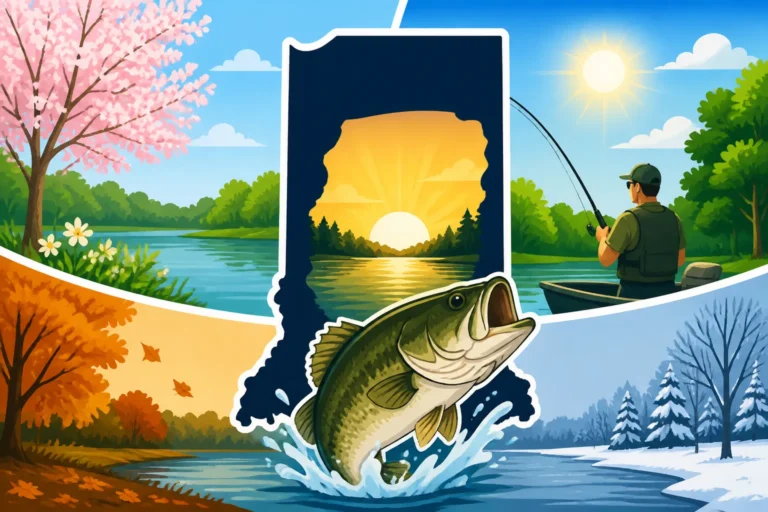
Then there are the seasons. Each season in Indiana brings its own set of challenges and opportunities. Spring often means fish moving shallow for the spawn, while summer pushes them deeper. Fall sees many species, like bass, becoming highly active as they feed heavily before winter, a strategy you can read more about in Best Season to Catch Largemouth Bass. Winter, especially ice fishing, requires completely different tactics. The How Water Temperature Affects Fish Activity factor is paramount through all these changes. For crappie, the spring spawn is legendary, as covered in Best Season to Catch Crappie Fishing, while catfish are most active in the warmer months, as detailed in Best Season for Catfish Fishing.
Water Clarity and Location
Water clarity is another huge factor. In clear water, fish tend to be more wary of bright light and boat traffic, often retreating to deeper water or dense cover during the day. In murky or stained water, however, fish may be more active throughout the day, as the reduced visibility makes them feel safer and provides more ambush opportunities. Your lure color choices will also change significantly with clarity. In clear water, natural colors often work best, while in stained water, brighter, more contrasting colors can be more effective.
Finally, location within the body of water is everything. Even if the time of day is theoretically "perfect," if you're not fishing where the fish are holding, you won't catch anything. This means understanding local structure – drop-offs, weed lines, submerged timber, rock piles, creek channels, and humps. Fish will relate to these features, using them for cover, ambush points, or temperature regulation. Combining your knowledge of the time of day with an understanding of these other variables will empower you to make smarter decisions on the water, leading to more successful and enjoyable fishing trips in Indiana.
Remember that while these are general guidelines, every day on the water is different. Conditions can change rapidly, and what worked yesterday might not work today. Stay adaptable, observe your surroundings, and don't be afraid to experiment.
Here's a quick summary to help you plan your next outing:
| Species | Best Time of Day (General) | Best Conditions (Beyond Time) | Notes |
|---|---|---|---|
| Largemouth Bass | Dawn, Dusk, Night | Overcast, pre-front, warm stable weather, clear to stained water | Look for cover, structure; topwater at low light. |
| Smallmouth Bass | Dawn, Dusk, Overcast Midday | Clear, flowing water, cooler temps, structure, rocky bottoms | Often more active in current; faster retrieves. |
| Walleye | Dawn, Dusk, Night | Overcast, choppy water, deeper structure, clear to stained water | Light-sensitive; prefer low light; target deep during midday. |
| Crappie | Dawn, Dusk, Overcast Midday, Night | Brush piles, docks, standing timber, stable weather | Follow baitfish; can be found shallow at night under lights. |
| Catfish | Dusk, Night, Overcast Midday | Muddy/stained water, after rain, deep holes, current breaks | Excellent sense of smell; bottom fishing is key. |
| Panfish (Bluegill, Sunfish) | Midday, Late Morning, Early Afternoon | Warm, sunny, calm conditions, weed edges, docks, shallow cover | Often bite well even in bright sun; great for beginners and kids. |
| Northern Pike | Dawn, Dusk, Overcast Midday | Cooler water, clear to stained water, weed beds, sudden drops | Aggressive predators; active in colder temps than bass. |
| Muskellunge | Dawn, Dusk, Overcast Midday | Cooler water, stable pressure, large structure/weed beds | Trophy fish; often bite during specific "windows" even on slow days. |
Disclaimer
This article is for general informational purposes only and does not constitute professional advice. Laws, prices and regulations vary by location and change over time. Consult a qualified professional for guidance on your specific situation.