Fishing the Tippecanoe River in Indiana
Oh, the Tippecanoe River! If you're an Indiana angler, you know the frustration of wanting to explore some of our state's incredible waterways, but sometimes it's hard to find really comprehensive information on where to go, what to expect, and how to actually catch fish. Well, you've landed in the right spot because this guide is going to take a deep dive into everything you need to know about fishing the beautiful Tippecanoe, helping you plan your next successful and enjoyable outing.
Why the Tippecanoe River is an Indiana Angler's Gem
There's something truly special about the Tippecanoe River. It's not just another waterway; it’s a living, breathing part of Indiana's natural heritage, flowing for over 160 miles from Lake Tippecanoe down to the Wabash River. Many anglers get caught up in the big lakes, but the river systems, especially one as vibrant and diverse as the Tippecanoe, offer a completely different, often more intimate, fishing experience. It's a place where the scenery can be as rewarding as the catch, and the opportunities for different species are surprisingly robust.
A River Steeped in History and Nature
The Tippecanoe River isn't just a fishing destination; it's a historical landmark, famous for the Battle of Tippecanoe, and it winds its way through some of the most picturesque landscapes in our state. From its headwaters in the northern glacial lakes region, it meanders south, transitioning from narrow, clear stretches to wider, slower pools. This varied topography creates a mosaic of habitats, from riffles and runs that oxygenate the water and create prime feeding lanes for smallmouth bass, to deep holes and undercut banks that offer sanctuary to larger fish like catfish and walleye. The largely undeveloped banks in many areas mean you're often surrounded by mature forests, giving you that peaceful, "away from it all" feeling, which is exactly what many of us are looking for when we head out with a rod and reel. This natural beauty, coupled with a healthy ecosystem, makes it a true Indiana gem.
Diverse Fish Species Call It Home
One of the biggest draws of the Tippecanoe River is its incredible diversity of fish. Unlike some waterways that are known predominantly for one or two species, the Tippy offers a smorgasbord for anglers. While it’s undeniably famous for its fantastic smallmouth bass fishing, you’ll also find robust populations of northern pike, walleye, sauger, various panfish like bluegill and crappie, and, of course, some truly impressive channel catfish. This means whether you prefer casting lures for aggressive predators, patiently waiting for a bite with live bait, or introducing a youngster to the joys of panfish, the Tippecanoe has something to offer. This diversity isn't just a treat for anglers; it's a sign of a healthy and thriving river system, one that the Indiana Department of Natural Resources (DNR) works hard to maintain through stocking programs and habitat conservation efforts.
Key Fish Species You'll Find in the Tippecanoe
Let's talk about the stars of the show! Knowing what you're likely to catch, and more importantly, how to identify them and what makes them tick, is half the battle. The Tippecanoe River is a fantastic mixed fishery, catering to a wide range of angling preferences.
Smallmouth Bass: The River's Premier Fighter
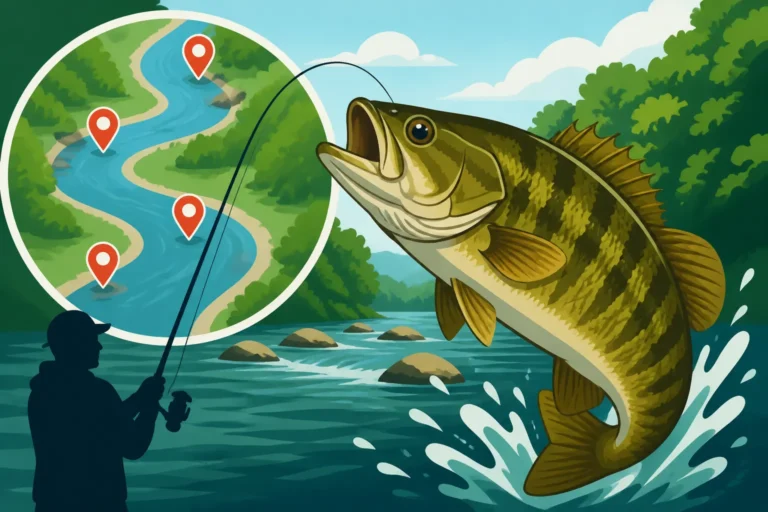
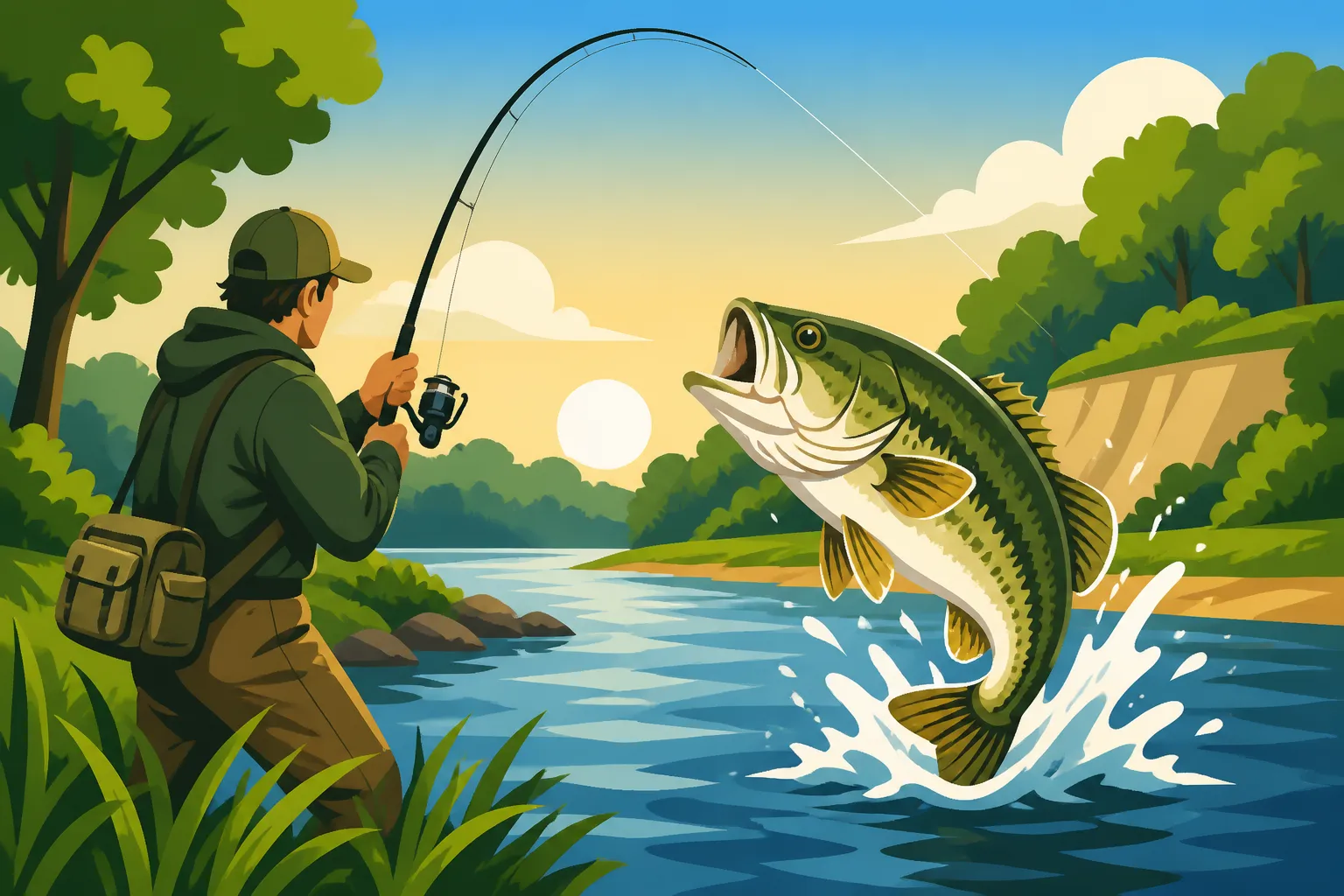
If there's one fish that truly defines the Tippecanoe River, it's the smallmouth bass. These bronze beauties are renowned for their aggressive strikes and powerful, acrobatic fights, often leaping clear out of the water. They thrive in the river's moving water, preferring rocky bottoms, current breaks, and areas with submerged timber or logjams. You'll find them holding in eddies behind boulders, at the tail-outs of riffles, and along transitional areas where faster water meets slower pools. Catching a good-sized smallmouth on light tackle in a river current is an experience that every angler should have. They typically run from 10 to 18 inches, but the Tippecanoe has been known to produce smallmouth exceeding 20 inches, offering a true trophy opportunity. Remember that the Smallmouth Bass Daily Limit in Indiana Rivers is important to follow to ensure these fighting fish remain abundant.
Walleye, Catfish, and Panfish Opportunities
Beyond the smallmouth, the Tippecanoe boasts excellent fishing for several other popular species. Walleye are a prized catch, particularly in the deeper, slower stretches and below the numerous dams along the river. These fish, known for their delectable white flesh, tend to be more active during low light conditions or at night. The DNR often stocks walleye in the Tippecanoe, contributing to a healthy population. Anglers targeting walleye will also find sauger, a close relative, particularly in the lower stretches of the river.
Then there are the catfish. The Tippecanoe is a fantastic river for channel catfish, which can grow to impressive sizes. These bottom-dwellers are abundant in the deeper holes and slower currents, often congregating around logjams and undercut banks. For many, catfish provide a reliable and often hearty meal. If you're looking for an excellent experience to catch them, read our Channel Catfish Fishing in Indiana: The Complete Guide.
And let's not forget the panfish! Bluegill, crappie, and various sunfish species are prevalent throughout the river, especially in slack water areas, backwaters, and around dense vegetation or submerged structure. These are perfect targets for a relaxed afternoon, especially if you're introducing kids to fishing. They offer consistent action and are often willing biters, making for a fun and engaging outing for all skill levels.
Unexpected Surprises: Muskie and Pike
While not as common as smallmouth or catfish, the Tippecanoe River also offers thrilling opportunities for apex predators like muskellunge and northern pike. The Tippecanoe, particularly its upper reaches and the lakes it connects to, is part of Indiana's muskie fishery. These "fish of 10,000 casts" are the ultimate challenge for many anglers, known for their immense size, powerful runs, and razor-sharp teeth. Catching a muskie from a river setting is a truly memorable accomplishment. Similarly, northern pike, identifiable by their light spots on a dark body, are present and can offer an exciting fight. While you might not specifically target them on every trip, it's wise to use a steel leader or heavy fluorocarbon when fishing for other toothy critters like walleye, just in case one of these giants decides to strike your lure. It's always a good idea to be prepared for these thrilling catches, and if you're really interested, our guide on Muskellunge Fishing in Indiana: What Anglers Need to Know offers even more insights.
| Species | Typical Size (Tippecanoe) | Preferred Habitat | Best Baits/Techniques | Notes |
|---|---|---|---|---|
| Smallmouth Bass | 10-18 inches (up to 20+) | Riffles, rocky runs, current breaks | Spinnerbaits, crankbaits, jigs, soft plastics, minnows | Aggressive fighters, often leap. |
| Walleye/Sauger | 14-22 inches | Deeper pools, below dams, slow currents | Jigs with minnows, nightcrawlers, crankbaits, trolling | Excellent table fare, often active at night. |
| Channel Catfish | 1-10 lbs (up to 20+) | Deep holes, logjams, undercut banks | Cut bait, chicken livers, stink baits, worms | Strong fighters, readily available. |
| Muskellunge | 30-50 inches (up to 50+) | Weed beds, submerged timber, deeper pools | Large crankbaits, bucktails, jerkbaits | Trophy fish, challenging to catch, require heavy tackle. |
| Northern Pike | 20-35 inches | Weedy areas, slack water, ambush points | Spinnerbaits, spoons, large minnows, swimbaits | Aggressive, sharp teeth, often found near muskie habitat. |
| Panfish | 5-10 inches | Backwaters, vegetation, docks, slower pools | Worms, crickets, small jigs, tiny spinners | Great for kids, consistent action. |
Prime Fishing Spots and Access Points Along the Tippecanoe
Knowing the types of fish is one thing, but knowing where to find them and how to get there is crucial. The Tippecanoe River is long, and its character changes quite a bit from its headwaters to its confluence with the Wabash. Having an idea of different sections can really help you narrow down your fishing strategy. If you're looking for even more ideas, our general guide on Best Fishing Spots in Indiana can give you broader inspiration.
Upper River: Clearwater Sections and Public Lands
The upper stretches of the Tippecanoe River, generally from its origin in Lake Tippecanoe down through Kosciusko, Marshall, and Fulton counties, are often characterized by clearer water, a narrower channel, and more consistent current. This is prime smallmouth bass territory! You'll find plenty of riffles, rocky beds, and overhanging vegetation that provide excellent cover. Public access in these areas can sometimes be a bit more limited to bridges and designated public lands, but there are several excellent launch points for canoes and kayaks.
For example, areas around Warsaw or Tippecanoe River State Park offer good access. Tippecanoe River State Park itself, located near Winamac, is a fantastic resource, providing canoe rentals, camping, and multiple access points to the river. These upstream sections are often wader-friendly, allowing anglers to get right into the current and present baits effectively. It’s also where you might encounter larger northern pike lurking in slower, weedy stretches. When planning a trip here, consider how water levels might affect wadeability and be mindful of private property along the banks.
Mid-River: Dams, Deeper Pools, and Boat Ramps
As the Tippecanoe flows south into counties like Pulaski and White, it generally widens, slows down in certain areas, and begins to feature more significant dams. These structures, while sometimes navigational challenges, create fantastic fishing opportunities. The turbulence and oxygenated water immediately below dams are magnets for walleye, sauger, and channel catfish, as well as holding large schools of baitfish. Think of places like the Norway Dam near Monticello or the Oakdale Dam, which forms Lake Shafer and Lake Freeman. These larger impoundments also offer deeper water and more extensive structure, making them ideal for boat fishing.
Public boat ramps become more common in the mid-river sections, making it easier to launch larger craft. Below the dams, particularly, you might find some excellent shore fishing access, which is a blessing for anglers without a boat. Always be extremely cautious around dams; the currents can be powerful and unpredictable. These sections also tend to hold larger smallmouth bass that have more extensive forage bases and deeper sanctuaries to retreat to. It’s a great area for diversified fishing, where you can switch from jigging for walleye to casting for bass with relative ease.
Lower River: Wider Waters and Confluence Areas
As the Tippecanoe River approaches its confluence with the Wabash River, typically in Tippecanoe County, it becomes significantly wider and often deeper, with a slower, more deliberate current. The water here might be a bit murkier due to sediment, but don't let that deter you; these sections can be incredibly productive, especially for large channel and flathead catfish. The deep holes and extensive logjams that accumulate in these wider, slower areas provide ideal habitat for these bottom-dwelling giants.
Access points in the lower river are often associated with larger public parks or river access sites closer to towns like Lafayette. While smallmouth are still present, you might find a higher concentration of larger largemouth bass in the slack water pockets and backwaters here, especially those with plenty of submerged vegetation. This is also where the influence of the mighty Wabash River starts to be felt, bringing with it some of the Wabash's fish species and characteristics. These confluence zones are transitions zones and can offer surprising catches, as fish from both rivers mingle. Using a service like FishingBooker can sometimes help you connect with local guides who specialize in these specific stretches, offering insights you might not get otherwise. For a general overview, our guide on Canoe and Fishing Access Points on the Tippecanoe River offers specific locations that can be incredibly useful.
Effective Techniques and Baits for Tippecanoe River Fishing
Once you know where to go, the next logical step is figuring out how to catch 'em! River fishing, especially in a dynamic system like the Tippecanoe, requires a slightly different approach than lake fishing. Current, structure, and water clarity all play significant roles in determining your success.
Targeting Smallmouth Bass in Current
Smallmouth bass in the Tippecanoe are opportunistic feeders and incredibly sensitive to current. They'll position themselves just out of the main current, in eddies or behind structure, waiting for baitfish, crayfish, or insects to be swept past. This means you need to present your lure or bait in a way that mimics natural drift.
Spinnerbaits, particularly those with willow leaf blades in natural colors like chartreuse, white, or firetiger, are deadly when retrieved cross-current or slightly upstream, allowing the blades to flutter enticingly. Smallmouth also can't resist crankbaits, especially those designed for shallow to medium depths (3-8 feet), mimicking crayfish or minnows. Cast these upstream and retrieve them with a stop-and-go action, letting the current work the lure. Jigs dressed with soft plastics like tubes, grubs, or creature baits in greens, browns, and black are also highly effective. Fish these by pitching them upstream and letting them tumble along the bottom with the current, imparting small twitches. Live bait, such as shiners, crayfish, or hellgrammites, fished under a bobber or on a bottom rig, is almost always a surefire way to tempt a hungry smallmouth. The key is to understand where the current creates natural ambush points.
Bottom Fishing for Catfish and Walleye
For the river's channel catfish and walleye, bottom fishing is often the most productive strategy, especially in the deeper pools, below dams, or around significant submerged cover. For catfish, simplicity often wins. A basic slip-sinker rig with a wide-gap hook, baited with cut bait (like shad or skipjack), chicken livers, nightcrawlers, or commercial stink baits, cast into a deep hole or near a logjam, is usually all it takes. Let the bait sit on the bottom and be patient. Night fishing can be particularly productive for catfish, especially during the warmer months when they are most active. Our guide on the Best Season for Catfish Fishing in Indiana can give you an idea of when to plan your trip.
Walleye also respond well to bottom presentations, but often prefer live bait or jigs. A jig tipped with a live minnow or a nightcrawler, fished slowly along the bottom, can be incredibly effective. Consider using a 1/8 to 1/4 ounce jig head, depending on the current, and work it with a lift-and-drop motion. Blade baits and bottom-bouncing rigs with spinnerbaits or stickbaits are also great choices, especially in areas with moderate current. Again, targeting deeper sections and the calmer water behind current breaks will increase your chances. Remember to check the Walleye Minimum Length North of State Road 26 as regulations vary.
Seasonal Considerations for Bait and Lures
Just like any fishery, the Tippecanoe River's fish behavior changes with the seasons, and so should your bait and lure choices.
- Spring: As the water warms, fish become more active. Smallmouth bass move shallower for the Best Time to Bass Spawn in Indiana, making crankbaits and jigs excellent choices. Catfish begin feeding heavily, so live or cut bait works wonders. Walleye will be active in pre-spawn and spawning areas, often concentrated below dams, making jigs and minnows prime.
- Summer: When the water is warm, smallmouth often feed during low light or seek shade and deeper water during the day. Topwater lures can be exciting at dawn and dusk. Catfish activity peaks, and night fishing is fantastic. Panfish are abundant and can be caught on worms and small jigs.
- Fall: As water temperatures cool, many species go on a feeding frenzy to prepare for winter. This is a fantastic time for aggressive smallmouth fishing with spinnerbaits and crankbaits. Walleye also become very active, and jigs or live bait fished in deeper holes can be highly productive. Larger northern pike and muskie might become more aggressive.
- Winter: Ice fishing isn't typically feasible on a flowing river like the Tippecanoe, but open-water fishing can still be done in milder conditions, especially in the deeper, slower sections or below dams. Fish will be less active, requiring slower presentations, smaller baits, and precise placement in deep wintering holes. Live minnows and small jigs are often best.
Navigating the Tippecanoe: Kayaks, Canoes, and Small Boats
The Tippecanoe River is incredibly diverse, offering experiences for just about every type of angler. However, the best way to tackle its waters really depends on which section you're fishing and what species you're after. While some areas are great for wading, much of the river is best explored from the water.
Paddling the Tippecanoe: Scenic and Productive
For many anglers, particularly those targeting smallmouth bass in the upper and middle reaches, a kayak or canoe is the ultimate vessel for navigating the Tippecanoe. These smaller, more maneuverable crafts allow you to stealthily approach prime fishing spots, slip into tight eddies, and explore shallow riffles that larger boats simply can't reach. The Tippecanoe is a popular destination for paddling, with numerous liveries offering rentals and shuttle services, especially around communities like Winamac, Rochester, and Monticello.
A quiet paddle allows you to truly immerse yourself in the river's natural beauty, often spotting wildlife like eagles, deer, and river otters. When choosing a kayak or canoe for fishing, stability is key, especially when casting or handling a lively fish. Sit-on-top kayaks have become incredibly popular for their ease of entry/exit and ample storage for gear. Remember to pack light, but bring all your essentials, including plenty of water, sunscreen, and a way to secure your gear. Make sure you check out our guide on Kayak Fishing Gear for Indiana Waters for a comprehensive packing list before you hit the water.
Motorized Boat Access and Limitations
While smaller boats are ideal for most of the Tippecanoe, there are sections where motorized boats are not only feasible but advantageous. The larger impoundments formed by the Norway and Oakdale Dams, namely Lake Shafer and Lake Freeman, are perfect examples. These lakes are wide enough for larger bass boats, pontoons, and even speed boats, and they offer extensive deep-water areas and large coves that are fantastic for walleye, muskie, and catfish. Here, you'll find plenty of public boat ramps and marina services.
However, as you move away from these impoundments and into the main river channel, especially upstream, the river quickly becomes too shallow, narrow, and obstacle-laden for anything more than a small Jon boat with a shallow-draft outboard or a powerful trolling motor. Fallen trees, rock gardens, and swift currents can be challenging, even dangerous, for inexperienced boaters or those with larger vessels. Always consult local maps, guides, or recent reports about water levels and navigation hazards before launching a motorized boat on an unfamiliar stretch of the Tippecanoe. The lower reaches of the river, closer to the Wabash confluence, also become wider and deeper again, allowing for larger motorized access.
Essential Gear for River Angling
Regardless of how you access the river, having the right gear is paramount.
- Rods and Reels: For smallmouth, a medium-light to medium-action spinning rod (6'6" to 7') with 6-10 lb test fluorocarbon or braid is versatile. For catfish, a medium-heavy spinning or baitcasting rod with 15-30 lb mono or braid is more appropriate. Muskie and pike require stout, heavy-action rods and reels with heavy line and leaders.
- Tackle Box Essentials: Beyond your species-specific lures and baits, always carry extra hooks (various sizes), sinkers (split shot, bullet weights, egg sinkers), swivels, and leader material (fluorocarbon for bass/walleye, steel for pike/muskie). A good pair of pliers for hook removal, line clippers, and a measuring tape are also crucial.
- Safety Gear: A properly fitted life jacket is a non-negotiable, especially on a river with current. A whistle or horn, a first-aid kit, and a dry bag for electronics and valuables are also highly recommended. If you're wading, felt-soled boots or boots with good traction are essential to prevent slips on slick rocks.
- Navigation: A good waterproof map of the river section you're fishing, or a reliable GPS unit on your phone or fish finder, can be invaluable for identifying access points, hazards, and prime fishing locations. Even if you're using a guide found through FishingBooker, it's always good to be prepared.
Conservation and Regulations on the Tippecanoe River
Responsible angling is about more than just catching fish; it's about preserving the resource for future generations and ensuring you're compliant with state laws. The Indiana DNR has specific regulations in place to protect the Tippecanoe River's fishery, and it's every angler's responsibility to know and follow them.
Indiana Fishing License Requirements
First and foremost, almost everyone needs a valid Indiana fishing license to fish the Tippecanoe River. There are very few exceptions, such as kids under 18 or specific free fishing days. Whether you're a resident or a nonresident, and whether you want an annual license or a short-term option, there's a license that fits your needs. You can purchase these easily online through the Indiana DNR website, at most bait and tackle shops, or at county clerks' offices. If you're planning a trip, make sure to read our comprehensive guide on Indiana Fishing License Requirements Explained to ensure you have all your bases covered before you even cast a line. It's a small investment that goes directly back into conservation efforts, helping to maintain the health and vitality of rivers like the Tippecanoe. Getting caught without one can result in fines and penalties, which is definitely not how you want to remember your fishing trip!
Species-Specific Bag Limits and Lengths
Beyond the license, it’s critical to understand the specific regulations for the fish you’re targeting on the Tippecanoe. Indiana has daily bag limits (the maximum number of fish you can keep in a single day) and minimum length limits for many species. These rules are put in place to ensure fish populations remain healthy and have a chance to reproduce. For example, while smallmouth bass are abundant, there's a daily bag limit to prevent overharvesting. Similarly, walleye often have a minimum length to protect younger fish.
It's vital to check the current Indiana Fishing Guide, available digitally on the DNR website or in print at license vendors, before each fishing season. Regulations can change, and what was true last year might be different this year. Pay close attention to any special regulations that might apply to specific sections of the Tippecanoe River, as sometimes unique rules are put in place for certain stretches or impoundments. Our guide on Indiana Fishing Regulations and Bag Limits Guide provides a comprehensive overview that can help you understand the nuances. Knowing these rules not only keeps you legal but also contributes directly to the sustainability of the fishery you enjoy.
Practicing Catch and Release and River Etiquette
While keeping a legal catch for dinner is a wonderful part of fishing, practicing catch and release, especially for larger breeding fish, is a fantastic way to ensure the Tippecanoe's populations thrive. If you plan to release fish, handle them gently, minimize their time out of water, and use appropriate de-hooking tools. For toothy fish like muskie and pike, specialized landing nets and long-nosed pliers are essential for safe release. Using single, barbless hooks can also make releasing fish much easier and less stressful for them.
Beyond catch and release, general river etiquette is crucial. This includes packing out all your trash, being respectful of private property boundaries (especially when wading or launching), and being courteous to other anglers and river users. Many parts of the Tippecanoe are popular for canoeing and kayaking, so share the water responsibly. Avoid disturbing spawning areas and be mindful of your wake if you're in a motorized boat. By respecting the river and those who use it, we all help ensure that the Tippecanoe remains a pristine and productive fishery for years to come.
Disclaimer
Please note that fishing regulations, conditions, and access points can change. Always consult the most current Indiana Department of Natural Resources fishing guide and local regulations before heading out. Fishing involves inherent risks; always prioritize safety and wear appropriate safety gear.