Wheelchair-Accessible Fishing Spots in Indiana
For many anglers, the dream of a peaceful day by the water, rod in hand, can often be met with a frustrating reality check. Finding fishing spots that are truly accessible for everyone, especially those using wheelchairs or with other mobility challenges, can feel like searching for a needle in a haystack. It’s not just about getting to the lake; it’s about navigating uneven terrain, finding stable footing, reaching a comfortable casting position, and having access to amenities that make the experience enjoyable, not just tolerable. This comprehensive guide will help you discover truly accessible fishing spots across the Hoosier State, offering practical advice and specific locations where you can cast your line with confidence and ease.
Understanding the Need for Accessible Fishing
The simple act of fishing offers immense therapeutic and recreational benefits, connecting us with nature, providing a sense of calm, and the thrill of the catch. However, for individuals with mobility challenges, accessing these experiences often comes with a unique set of hurdles. The traditional design of many fishing areas simply wasn't built with universal access in mind, leading to feelings of exclusion and missed opportunities.
The Challenges Faced by Anglers with Mobility Issues
Imagine finally arriving at a beautiful fishing destination, only to find the "accessible" parking lot is miles from the water's edge, or the path leading to the pier is a bumpy, unpaved trail completely impassable for a wheelchair. These are the kinds of frustrating realities many anglers with mobility issues face regularly. Steep banks, soft ground, high railings that block views or make casting difficult, and a complete lack of accessible restrooms are common barriers. It’s not just about the physical limitations; it's the mental toll of constant vigilance, the need to rely on others, and the disappointment when a highly anticipated outing falls short due to inadequate infrastructure.
Moreover, the information available about accessibility can often be vague or outdated. A website might claim a spot is "accessible" because it has a paved parking lot, but fail to mention the 100 yards of deep gravel between the lot and the fishing platform. This lack of reliable, detailed information makes pre-trip planning a gamble, often leading to wasted time, effort, and considerable frustration. Anglers deserve better than guesswork when it comes to enjoying their passion.
Benefits of Accessible Design in Fishing Areas
Creating truly accessible fishing spots goes far beyond simply complying with regulations; it’s about fostering a more inclusive community and enhancing the quality of life for countless individuals. When fishing areas are designed with universal access in mind, they empower anglers with mobility issues to enjoy the outdoors independently or with greater ease alongside their friends and family. This sense of independence and self-reliance can significantly boost mental well-being and confidence. Imagine the joy of a parent who can now take their child fishing, or a veteran who can once again find solace by the water, without worrying about physical barriers.
Furthermore, accessible design often benefits everyone. Paved paths, gentle slopes, and wider, lower railings make the experience more enjoyable and safer for young children, seniors, and even those temporarily recovering from injuries. It also opens up new economic opportunities for local communities, as more people are encouraged to visit, stay, and spend money on bait, tackle, food, and lodging. Embracing accessibility is about building a better, more welcoming environment for all outdoor enthusiasts, strengthening community bonds, and ensuring that the tranquility and excitement of fishing are available to every single person, regardless of their physical abilities.
Top Wheelchair-Accessible Fishing Spots in Indiana
Indiana has made significant strides in recent years to improve accessibility at many of its natural recreational areas. While not every spot is perfect, there are several standout locations where you can enjoy a fantastic day of fishing with enhanced accessibility. We're talking about places where you can confidently navigate, cast, and relax without unnecessary stress.
State Parks and Lakes with Enhanced Accessibility
Our state parks and larger reservoirs are often the best places to start when seeking accessible fishing experiences. These locations typically have more developed infrastructure and often receive funding for accessibility improvements.
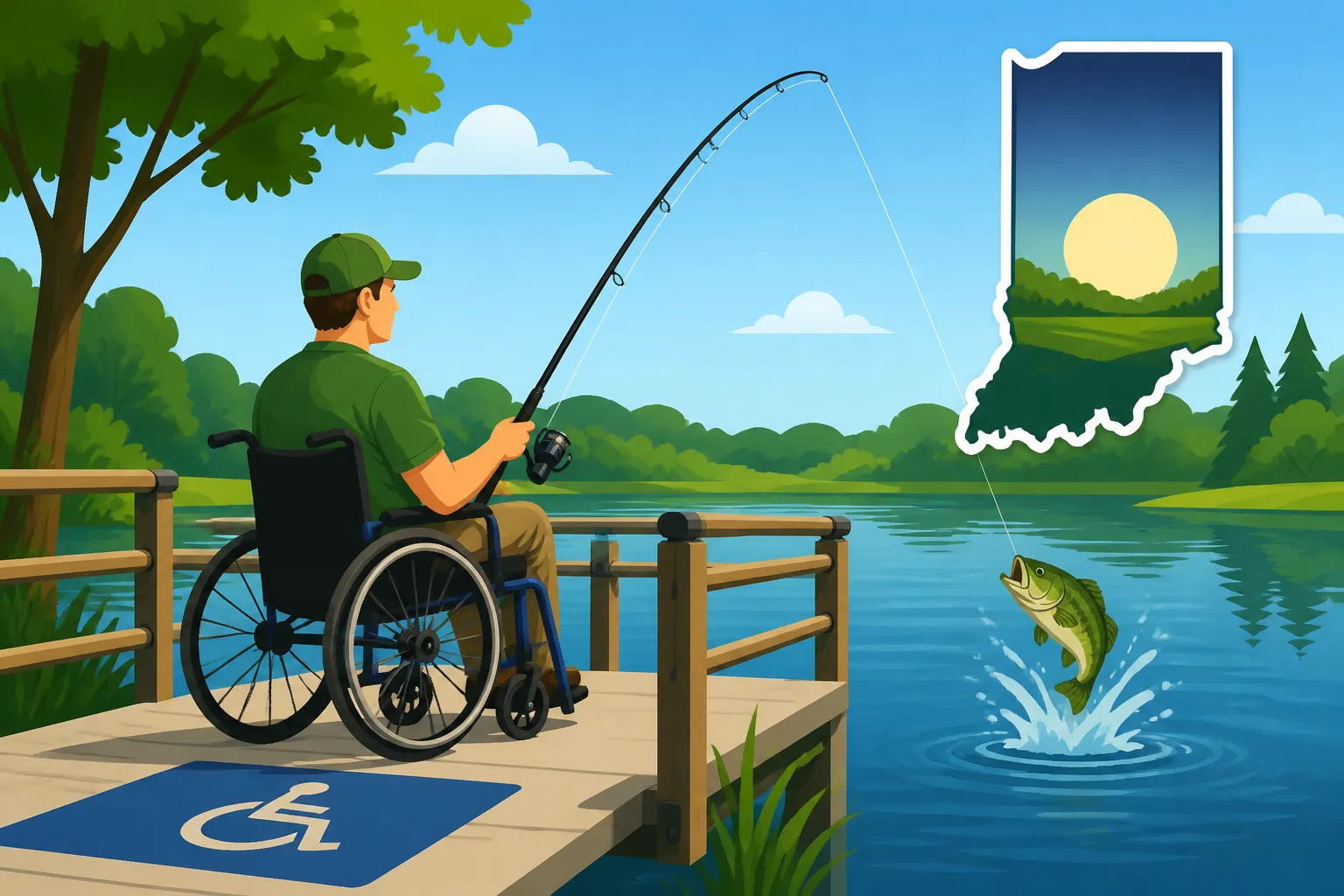
One prime example is Pokagon State Park near Angola, in the scenic northeast corner of Indiana. This park is renowned for its beautiful natural setting and offers an excellent accessible fishing pier on Lake James. The pier provides a wide, stable platform with low railings, making it ideal for wheelchair users to cast comfortably and safely. You’ll find paved paths leading directly to the pier from an accessible parking area, and accessible restrooms are conveniently located nearby. Lake James is a fantastic fishery, known for species like bluegill, crappie, yellow perch, and various bass species. You might even find success fishing for walleye here, although always remember to check the Indiana Walleye Length Limits by Lake before you head out.
Further south, Potato Creek State Park near North Liberty also offers impressive accessibility. Its accessible fishing pier on Worster Lake is a highlight, featuring a smooth, wide surface and railings designed to accommodate anglers in wheelchairs. The park prides itself on providing accessible trails and facilities, creating a truly inclusive outdoor experience. Worster Lake is teeming with bluegill, bass, and other panfish, making it a great spot for both beginners and experienced anglers. It’s a wonderful place to spend a day fishing with the family, knowing that access won't be an issue.
Then there’s Patoka Lake in Southern Indiana, a massive reservoir known for its excellent fishing. The Newton-Stewart State Recreation Area at Patoka Lake is particularly noted for its accessible boat ramps and fishing piers. These features include paved parking, wide, level paths leading to the water, and accessible restrooms. These improvements mean you can focus on the fishing rather than the logistics. Patoka is a fantastic destination for targeting largemouth bass, crappie, catfish, and even some walleye. Knowing that you can easily get your gear to the water's edge and fish comfortably makes the journey to this beautiful lake well worth it.
Finally, Monroe Lake, Indiana’s largest inland lake, located near Bloomington, also offers accessible features, particularly at its Fairfax State Recreation Area. While dedicated fishing piers specifically marketed as "accessible" may vary, many of the boat ramps and main access points at Fairfax feature paved surfaces and accessible restrooms, allowing for some accessible shore fishing or launching of accessible boats. For those who enjoy the thrill of casting for larger species like bass and crappie, Monroe Lake is a perennial favorite, and its accessible amenities are steadily improving. Remember, a valid Indiana Fishing License Requirements Explained is always required, so be sure to secure yours before your trip.
Urban Fishing Hubs with Easy Access
Sometimes, the best fishing spots are closer to home, right within our urban landscapes. Many city and county parks have invested in creating accessible fishing opportunities, making a quick trip to the water much more feasible.
In the heart of Indianapolis, Fort Harrison State Park offers some excellent accessible bank fishing along Fall Creek. While not a dedicated pier, the park features numerous paved trails that wind alongside the creek, providing stable, level spots from which to cast. These areas often have benches and accessible restrooms nearby, making it a comfortable outing. Fall Creek is a good spot for bass, catfish, and various panfish, offering a relaxing escape without leaving the city. It’s an ideal location for a spontaneous fishing session, proving that even in a bustling city, nature’s calm is just around the corner.
Another great option in Indianapolis is Eagle Creek Park. As one of the largest municipal parks in the country, Eagle Creek boasts extensive facilities, and while fishing access points vary, the main marina area and several boat ramps offer paved access and accessible restrooms. With proper planning, shore fishing from certain paved areas is certainly possible. The park is well-maintained, and its commitment to public recreation often includes considerations for accessibility. Species such as bass, crappie, catfish, and bluegill are abundant here, making it a rewarding experience for many anglers. When planning your visit, it’s always a good idea to check the park’s website or call ahead for the most current accessibility information on specific fishing locations.
Moving northeast, Franke Park in Fort Wayne often provides accessible amenities. Many municipal parks like Franke Park feature stocked ponds with paved walking paths around their perimeter, offering various points for accessible shore fishing. While specific accessible fishing platforms might not always be present, the general infrastructure makes it easier for wheelchair users to find a suitable, stable spot to cast. These urban ponds are typically stocked with panfish and catfish, making for an enjoyable and often productive outing.
Similarly, Pigeon Creek Park in Evansville offers accessible features that can facilitate fishing. Many community parks across Indiana, particularly those with popular fishing ponds, are continuously being upgraded with ADA-compliant pathways and accessible facilities. While they may not always have specialized fishing piers, the level ground, paved surfaces, and proximity to parking often make them viable options for a peaceful day of fishing. Checking with the local parks department is often the best way to get the most up-to-date information on these local gems.
Lesser-Known Accessible Gems
While state parks and major urban areas are fantastic resources, Indiana also has some smaller, lesser-known spots that offer surprising accessibility. These often include community-funded projects or improvements made by local conservation groups. These can be trickier to find information about online, so local inquiry is often the best approach.
For instance, many smaller county parks and local fishing ponds, especially those that participate in the Indiana Urban Fish & Wildlife Program, have begun to integrate accessible features. These might include short, paved spurs leading to concrete fishing pads, or even small, designated accessible fishing platforms. These often get stocked regularly, providing a great opportunity for an easy catch. Bluegill and panfish are usually plentiful in these smaller ponds, making them excellent spots for beginners or those seeking a relaxing, high-success outing. For a specific example, some local community fishing ponds, like those managed by city park departments in smaller towns, might have a single, well-maintained accessible dock.
A great strategy for finding these spots is to consult the Indiana Department of Natural Resources (DNR) website’s fishing guide or call local county parks and recreation departments directly. They often have unlisted gems that are perfectly suited for accessible fishing. These locations may not be large enough for a big fishing tournament, but they offer quiet, intimate settings perfect for enjoying the outdoors. Before heading out, make sure to review the Indiana Fishing Regulations and Bag Limits Guide to ensure you're compliant with all local rules for these smaller, community-managed waters.
Here's a quick overview of some of the top accessible spots in Indiana:
| Fishing Spot | Region | Key Accessible Features | Primary Fish Species |
|---|---|---|---|
| Pokagon State Park (Lake James) | Northeast Indiana | Paved path to fishing pier, accessible restrooms, parking | Bluegill, Crappie, Perch, Bass |
| Patoka Lake (Newton-Stewart SRA) | Southern Indiana | Accessible boat ramps, fishing piers, paved trails, restrooms | Bass, Crappie, Catfish, Walleye |
| Potato Creek State Park (Worster Lake) | North-Central Indiana | Accessible fishing pier, accessible trails, restrooms | Bluegill, Bass, Panfish |
| Fort Harrison State Park (Indianapolis) | Central Indiana | Paved trails, some accessible bank fishing along Fall Creek | Bass, Catfish, Panfish |
| Monroe Lake (Fairfax SRA) | South-Central Indiana | Accessible boat ramps, some paved paths (verify pier access) | Bass, Crappie, Catfish |
| Eagle Creek Park (Indianapolis) | Central Indiana | Paved marina areas, accessible restrooms, boat ramps | Bass, Crappie, Catfish, Bluegill |
Essential Gear and Planning for Accessible Trips
A successful and enjoyable accessible fishing trip isn't just about finding the right spot; it's also about having the right gear and planning effectively. Thoughtful preparation can make all the difference, transforming a potentially challenging day into a wonderfully relaxing and productive one.
Recommended Gear for Wheelchair Anglers
Having the right equipment can significantly enhance your comfort, independence, and success on the water. For anglers using wheelchairs, a few specialized items can be game-changers. Rod holders are absolutely essential. These can easily attach to your wheelchair or to pier railings, allowing for hands-free fishing. This is particularly useful when baiting hooks, reeling in, or simply relaxing while waiting for a bite. You might also want to look into specific rod holder designs that allow for easy adjustment of angle and height, maximizing your comfort and control.
Another critical piece of equipment is a long-handled net or gaff. Trying to reach a fish close to the water from a seated position can be difficult and even risky. A net with an extended handle allows you to safely and easily land your catch without excessive leaning or stretching. Look for lightweight, durable options that are easy to maneuver. Similarly, a specialized fishing vest or bag that can attach to your wheelchair can keep your tackle, bait, and personal items within easy reach, eliminating the need to constantly bend or reach for a distant tackle box. For specific tackle recommendations, you might find our guide on Best Panfish Tackle for Indiana Anglers very helpful, as many accessible spots are fantastic for bluegill and crappie.
Beyond specialized gear, don't forget the basics for any angler: comfortable, weather-appropriate clothing (layers are always a good idea in Indiana!), sun protection like a wide-brimmed hat and sunscreen, and plenty of hydration. If you're going to be out on a boat, even an accessible one, ensure you have a properly fitted life jacket. Our guide on Best Life Jackets for Indiana Boaters can help you choose the right one for safety. For those who might venture slightly off paved surfaces, specialized all-terrain tires for wheelchairs can also provide increased mobility and peace of mind, though always prioritize spots with paved or stable surfaces.
Planning Your Accessible Fishing Outing
Thorough planning is your best friend when organizing an accessible fishing trip. The first and most crucial step is pre-trip research and verification. Don't just rely on general website claims. Call the park office, marina, or local DNR office directly ahead of time. Ask specific questions about current conditions: Is the accessible pier open? Are the paved paths clear of debris? Are the accessible restrooms operational? Construction or seasonal changes can sometimes temporarily impact accessibility, so getting real-time information is invaluable.
Consider the time of year and weather forecast. Wet, muddy conditions can quickly render a supposedly accessible path impassable for a wheelchair, so dry, calm days are often ideal. Also, be mindful of the fishing season. Our article on Planning a Fishing Trip Around Indiana's Free Fishing Days could offer some great timing tips, as these days often see more people at accessible spots. Always check local weather conditions right before you leave.
It’s always a good idea to bring a buddy or family member along. Not only does it add to the enjoyment of the trip, but having an extra set of hands for assistance with baiting, casting, or landing a big fish can be incredibly helpful. Plus, sharing the experience makes the memories even sweeter.
Finally, ensure your fishing license is up to date. You can find detailed information on Indiana Fishing License Requirements Explained and what a Indiana Resident Annual Fishing License Cost generally entails. While most accessible spots are geared towards shore or pier fishing, if you're looking into guided boat trips, especially on larger waters like Lake Michigan, platforms such as FishingBooker can sometimes list operators who specifically advertise accessible boats or services, allowing you to filter for guides that can accommodate your needs. Always remember, the more prepared you are, the more relaxing and enjoyable your fishing adventure will be.
Tips for a Rewarding Accessible Fishing Experience
Once you've found your perfect accessible spot and gathered your gear, a few additional tips can help ensure your time on the water is not only successful but truly enjoyable and safe. It's all about maximizing comfort, minimizing potential issues, and embracing the serenity of nature.
Maximizing Comfort and Safety
Spending hours outdoors requires careful consideration of personal comfort and safety. Firstly, sun protection is paramount. Indiana summers can be scorching, and even on cloudy days, UV rays can cause harm. Always wear a wide-brimmed hat, apply high-SPF sunscreen regularly, and consider protective clothing like long-sleeved shirts. Sunglasses are also key for reducing glare and protecting your eyes. Secondly, staying hydrated is crucial. Bring plenty of water, and consider bringing snacks or a small cooler with refreshing drinks to keep your energy levels up throughout your outing.
Having an emergency plan is another vital safety measure. Always carry a fully charged cell phone, and ideally, let someone know where you're going and when you expect to return. A small, well-stocked first-aid kit can address minor cuts or scrapes. Even on a pier, close proximity to water means safety should be a priority. If you're near deep water or if there's any chance of falling in, wearing a life jacket, even on shore, can be a wise precaution, especially for those with limited mobility. Our guide on Best Life Jackets for Indiana Boaters covers various options that might be suitable for pier use.
Lastly, practice good fishing etiquette. Many accessible piers can become popular spots, especially on pleasant days. Be mindful of other anglers, respect their space, and try to keep your setup tidy to avoid obstructing pathways. This ensures a pleasant experience for everyone.
Finding Real-Time Accessibility Information
The best fishing spots for accessible access are constantly evolving as parks and recreation departments make improvements. Therefore, relying on up-to-date, real-time information is essential. The Indiana Department of Natural Resources (DNR) website is your primary resource. Their "Where to Fish" guide often includes details about accessible piers and facilities, and they frequently update park information. Look for sections specifically mentioning ADA compliance or accessible features.
Don't underestimate the power of local park websites and their social media channels. Smaller, county-level parks or city-managed fishing ponds often post updates more frequently on these platforms, detailing any recent improvements, closures, or temporary accessibility issues. A quick search for " Best Fishing Lakes Near Fort Wayne, Indiana" might lead you to municipal parks with excellent, well-documented accessible features.
Finally, online angler forums and social media groups dedicated to Indiana fishing can be a goldmine of first-hand information. Many experienced anglers, including those with mobility challenges, share their personal experiences, tips, and even photos of accessible spots. These communities can offer valuable insights into the true "fishability" of a location from a wheelchair-user's perspective. When in doubt, a direct phone call to the park office or specific facility remains the most reliable way to confirm current accessibility and plan your truly stress-free and rewarding fishing adventure.
Disclaimer
The information provided in this guide is for general informational purposes only and does not constitute professional advice. While we strive to offer accurate and up-to-date details regarding accessible fishing spots in Indiana, conditions at these locations can change without notice due to weather, maintenance, or other factors. Always perform your own due diligence by contacting the relevant park offices or authorities directly to confirm current accessibility, operating hours, and specific regulations before planning your trip. Fishing inherently involves risks, and engaging in this activity is at your own discretion. Please ensure you have all necessary licenses and comply with all state and local fishing regulations.