Fishing the St. Joseph River in Indiana
The St. Joseph River, winding its way through northern Indiana, presents a unique and often challenging puzzle for anglers who dream of catching hard-fighting salmon and steelhead. Many folks hear about these incredible fisheries but feel overwhelmed by where to start, what gear to use, or even how to navigate the ever-changing conditions. This comprehensive guide is here to untangle those complexities, offering practical advice and local insights to help you make the most of your St. Joe fishing adventure.
The St. Joseph River: A Northern Indiana Gem
The St. Joseph River, affectionately known as the "St. Joe," isn't just another waterway in Indiana. It's a lifeline for a vibrant and diverse fishery, particularly famous for its annual runs of Pacific salmon and steelhead trout that migrate from Lake Michigan. This river system offers an experience that feels distinctly different from much of the state's more traditional bass and panfish lakes, drawing anglers from all over the Midwest.
A River with a Rich Ecosystem
Flowing approximately 210 miles through Michigan and Indiana before emptying into Lake Michigan, the St. Joseph River boasts a varied habitat. You'll find everything from deep, slow pools to swift, rocky runs, as well as plenty of submerged timber and undercut banks. This diversity is precisely what makes it such a productive fishery. The river's character changes significantly as it moves through cities like South Bend, Mishawaka, and Elkhart, transitioning from more urban stretches with dams and concrete structures to quieter, more natural areas. These features create crucial holding spots and ambush points for a variety of fish species, from the smallest baitfish to formidable predators like muskie.
The Influence of Lake Michigan
What truly sets the St. Joseph River apart is its direct connection to Lake Michigan. This link facilitates the incredible anadromous runs of Chinook (King) salmon, Coho salmon, and steelhead (rainbow trout) that ascend the river from late summer through spring. The St. Joe is one of the premier tributaries in Indiana for these migratory species, offering thrilling opportunities that are hard to replicate elsewhere in the state. The success of these runs is heavily dependent on water levels, temperature, and seasonal timing, making local knowledge and up-to-date reports absolutely invaluable. Understanding the nuances of the Lake Michigan ecosystem and how it influences the river is key to unlocking its full potential as an angler.
Prime Species and Their Seasons
Fishing the St. Joseph River means you're in for a treat, as it hosts an incredible array of fish, each with its own peak season. While the migratory salmon and steelhead often steal the spotlight, there's plenty more to pursue year-round. Knowing what to target and when can dramatically increase your chances of success and help you plan your trips effectively.
Chasing Salmon and Steelhead
For many anglers, the St. Joseph River is synonymous with its incredible salmon and steelhead runs. These powerful fish provide some of the most exhilarating fights you can experience in freshwater.
- Chinook Salmon (King Salmon): These mighty fish begin their upstream migration from Lake Michigan usually in late August, with the run peaking through September and into early October. Anglers target them as they move into the river to spawn, often finding them holding in deeper pools and behind significant current breaks. The bite can be aggressive, and they're known for their powerful runs and headshakes. Check out our guide on the Fall Salmon Run Timing on Lake Michigan in Indiana to get a better sense of when these kings might be moving.
- Coho Salmon: Often running concurrently with Chinook, Coho salmon tend to be a bit smaller but are incredibly acrobatic fighters. Their run typically starts a bit later, peaking from September through November. They often prefer slightly shallower water and can be very aggressive towards bright, flashy lures.
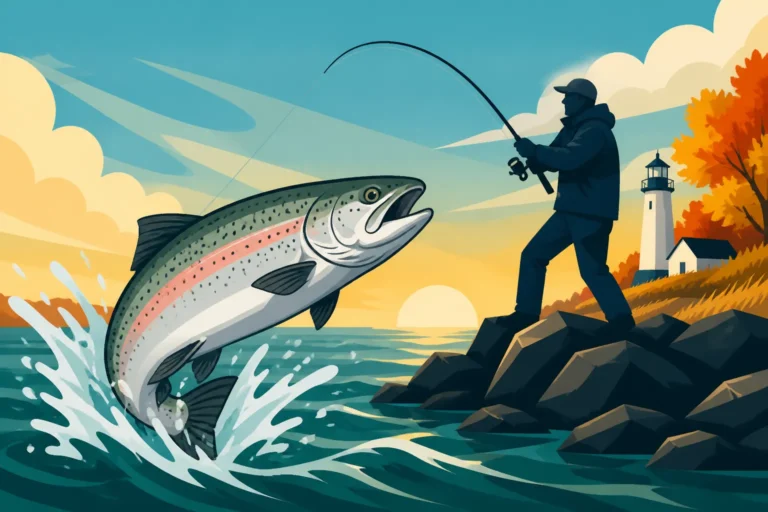
- Steelhead (Rainbow Trout): The steelhead fishery is perhaps the most celebrated on the St. Joe, offering multiple runs throughout the cooler months. The "fall run" starts in October and November, with fish moving in to overwinter. The "winter run" continues through December, January, and February, often slowing down with colder temperatures but still providing opportunities. The "spring run" is incredibly popular, typically beginning in March and continuing through April, as steelhead move to spawn. This is a fantastic time for active fish, and understanding Steelhead Fishing in Indiana: A Fall Run Guide can give you a significant advantage. These fish are renowned for their strength and aerial displays.
Beyond the Migratory Giants
While the glamour species attract a lot of attention, the St. Joseph River also holds an excellent resident population of other sport fish that offer great action when the salmon and steelhead aren't biting, or if you simply prefer a different challenge.
- Smallmouth Bass: The St. Joe is a fantastic smallmouth bass fishery, particularly in its rockier, faster-flowing sections. These aggressive bronze-backs are present year-round, but spring and fall offer the most consistent action. They love current seams, rocky drop-offs, and submerged timber. Topwater action in summer can be explosive, while jigs and crankbaits work well in cooler water. Our guide on Smallmouth Bass Daily Limit in Indiana Rivers has more details on regulations.
- Walleye: While not as abundant as in some of Indiana's glacial lakes, the St. Joseph River holds a respectable population of walleye, especially in the deeper pools and slower stretches. They are most active during low-light conditions, particularly at dawn, dusk, and even at night. Spring and fall are prime times to target these tasty fish, often with jigs, crankbaits, or live bait.
- Northern Pike and Muskie: These toothy predators are present, particularly in the slower, weedier sections of the river, especially downstream from Elkhart. While not the primary target for most St. Joe anglers, incidental catches are not uncommon, and dedicated muskie anglers do find success. Fishing for them requires heavy tackle and an understanding of their ambush tactics.
- Panfish: Bluegill, crappie, and rock bass provide excellent opportunities for family-friendly fishing, especially in the calmer backwaters and eddies. They are often plentiful and eager to bite, making them a great option for beginners or those looking for a relaxing day on the water.
This table gives you a quick overview of what you can expect to catch on the St. Joseph River throughout the year:
| Species | Prime Season (Indiana) | Common Baits/Lures |
|---|---|---|
| Chinook Salmon | Late August – Early October (Peak Sep) | Spawn bags, skein, large spoons, crankbaits, flies |
| Coho Salmon | September – November | Spoons, spinners, small crankbaits, flies |
| Steelhead | October – April (Peak Oct-Nov, Mar-Apr) | Spawn bags, beads, jigs, flies, small spoons, crankbaits |
| Smallmouth Bass | Spring (Apr-May), Summer (Jun-Aug), Fall (Sep-Oct) | Jigs, crankbaits, soft plastics, topwater |
| Walleye | Spring (Mar-May), Fall (Oct-Nov) | Jigs, crankbaits, nightcrawlers |
| Northern Pike / Muskie | Spring (Apr-May), Summer (Jun-Aug), Fall (Sep-Oct) | Large spoons, spinnerbaits, jerkbaits, large soft plastics |
| Panfish (Bluegill, Crappie) | Spring (Apr-May), Early Summer (Jun), Fall (Sep-Oct) | Worms, small jigs, crickets, spinners |
Top Fishing Spots and Access Points
Navigating a river system like the St. Joseph can be daunting, especially if you're new to the area. Knowing where to go and how to access the water is half the battle. Fortunately, the St. Joe offers numerous public access points, from bustling city parks to more secluded shorelines. Whether you prefer to fish from the bank or launch a boat, there are options for every style of angler.
Popular Shore Fishing Locations
Shore fishing on the St. Joseph River is incredibly popular, especially during the salmon and steelhead runs, as it allows anglers to target migratory fish moving upstream. You'll find a mix of developed urban access and more natural, trail-based spots.
- Downtown South Bend: The stretches around the Robert F. Green and Northside Dams in South Bend are legendary. While the dams themselves are restricted, the areas immediately downstream and upstream offer fantastic fishing. The East Race Waterway area, though it looks like an artificial channel, is part of the river system and can hold fish, especially steelhead. There's good bank access along parts of the riverwalk, and anglers often congregate near bridges and outflows. The St. Joseph River Steelhead Fishing Spots Near South Bend are well-known, drawing crowds, but the opportunity for a trophy fish makes it worthwhile.
- Mishawaka Riverwalk: Just downstream from South Bend, Mishawaka offers excellent public access, particularly along its beautiful riverwalk. There are several parks and paved paths that lead right to the water's edge, allowing for easy casting. This stretch often sees good numbers of salmon and steelhead, and it's also a productive area for smallmouth bass. The current can vary, providing diverse fishing opportunities.
- Elkhart Parks and Dams: In Elkhart, areas around the city's various dams and riverfront parks, such as Island Park and Jackson Park, provide ample shore fishing opportunities. These spots are excellent for intercepting migratory fish as they continue their journey upstream. Access points here are generally well-maintained and offer convenient parking. Further details can be found on specific St. Joseph River Salmon Fishing Spots Near South Bend, which often include locations further downstream like Elkhart.
- Twin Branch Dam (Mishawaka): This dam is a significant landmark and a natural choke point for migratory fish. While fishing directly below the dam can be productive, always be aware of and respect posted regulations regarding safe distances and no-fishing zones. The areas immediately downstream offer prime holding water for salmon and steelhead.
Boat Launch Access Points
For anglers with boats, kayaks, or canoes, accessing the St. Joseph River opens up even more water, allowing you to cover greater distances and reach less pressured spots. The river is navigable for a good portion through Indiana, though dams require portaging for continuous travel.
- Kelly Park Boat Launch (Mishawaka): Located right on the river in Mishawaka, this public ramp offers good access to prime fishing waters between South Bend and Elkhart. It's a popular spot during the salmon and steelhead runs and provides ample parking. From here, you can easily motor upstream or downstream to find your preferred fishing grounds.
- Riverbend Park Boat Launch (South Bend): Offering access to the upper stretches of the river in Indiana, Riverbend Park is a solid choice for those wanting to explore the waters north of the downtown dams. It's particularly good for smallmouth bass and resident walleye.
- St. Joseph River Public Access Sites: The Indiana Department of Natural Resources (IDNR) maintains several other access points along the river, often marked with signs. These can range from developed boat ramps to more rustic put-in spots suitable for canoes or kayaks. Searching for "public access St. Joseph River Indiana" on the IDNR website or using mapping apps can reveal more localized options. For those planning a trip and needing to coordinate with local guides, platforms like FishingBooker can also list charters that operate from specific boat launches on the St. Joe, making it easier to arrange a guided experience.
Choosing the right access point often depends on the species you're targeting and whether you prefer to fish from shore or a boat. Always check local signage for specific rules and regulations at each location.
Essential Gear and Techniques
Having the right gear and understanding effective techniques are crucial for success on the St. Joseph River, especially when targeting its powerful migratory fish. The diverse conditions—from swift currents to deep pools—demand versatility in your approach. Don't worry, we'll break down what you need to consider.
Rods, Reels, and Lines for the St. Joe
Your tackle setup will largely depend on what you're chasing. For the St. Joe, it’s best to err on the side of strength and sensitivity.
- For Salmon and Steelhead: These fish are powerful, so heavy-duty spinning or baitcasting setups are a must.
- Rods: Look for medium-heavy to heavy power rods, typically 8 to 10.5 feet long. The longer length helps with casting distance, line control, and fighting strong fish in current. A good "noodle rod" (a longer, lighter action rod) can be excellent for drift fishing with lighter baits.
- Reels: Choose reels with smooth, strong drags. Spinning reels in the 3000-5000 size range are common, while baitcasting reels should be capable of handling heavier lines and larger fish.
- Line: Mainline often consists of 15-20 lb braided line for its strength and sensitivity, with a fluorocarbon leader of 8-15 lb. The leader provides invisibility and abrasion resistance against rocks and logs. For direct monofilament, 10-15 lb test is usually sufficient.
- For Smallmouth Bass and Walleye: A more versatile medium to medium-heavy setup works well.
- Rods: 6.5 to 7.5-foot medium to medium-heavy spinning or baitcasting rods are ideal for casting a variety of lures.
- Reels: 2500-3000 series spinning reels or standard baitcasting reels are appropriate.
- Line: 8-12 lb fluorocarbon or monofilament, or 10-15 lb braid with a fluorocarbon leader.
- For a deeper dive into choosing the right equipment, our guide on Best Rods and Reels for Freshwater Fishing offers some excellent advice that applies well to the St. Joe.
Baits, Lures, and Flies
The choice of what to tie on is critical and often changes with water conditions, time of year, and target species.
- For Salmon and Steelhead:
- Natural Baits: Cured salmon eggs (roe) in spawn bags are king, especially for steelhead. Skein (chunks of salmon eggs) is also deadly. Nightcrawlers can work, especially after rain events.
- Artificial Lures: Jigs (often tipped with wax worms or a piece of plastic) in various colors (pink, chartreuse, white) are incredibly effective when drifted under a float. Small spoons (like Little Cleos, Koho, or Daredevils) and inline spinners (Rooster Tails, Mepps) can provoke aggressive strikes. Crankbaits (like Rapalas or Storm Wiggle Warts) can also entice strikes from aggressive fish. For fly anglers, egg patterns, stonefly nymphs, and streamer patterns are highly effective. You'll want to review Trolling Techniques for Salmon and Steelhead and How to Fish for Steelhead in Rivers for more specialized approaches.
- For Smallmouth Bass:
- Soft Plastics: Tubes, grubs, creature baits, and senkos rigged Texas or Carolina style are incredibly versatile.
- Hard Baits: Crankbaits (lipless and diving), jerkbaits, and topwater lures (poppers, walk-the-dog baits) are all proven producers.
- Jigs: Finesse jigs and swim jigs are excellent for targeting structure.
- For Walleye:
- Jigs: Jigs tipped with minnows, nightcrawlers, or soft plastics are hard to beat, especially when vertically jigged or slowly retrieved along the bottom.
- Crankbaits: Deep-diving crankbaits that mimic baitfish are effective, particularly when trolled or cast in deeper sections.
- Live Bait: Nightcrawlers, shiners, or leeches presented on a slip-bobber rig or a bottom bouncer can be very successful.
Fishing Techniques for the St. Joe
Understanding how to present your bait or lure in the river's current is often more important than the specific gear itself.
- Drift Fishing (Float Fishing): This is arguably the most popular and effective technique for salmon and steelhead on the St. Joe. It involves using a float (bobber) to present your bait or jig naturally downstream, letting it drift with the current close to the bottom. The key is to match your weight and float size to the current speed to achieve a natural, drag-free drift. This technique is especially important for How to Fish for Steelhead in Rivers.
- Casting and Retrieving: For smallmouth, walleye, and aggressive migratory fish, casting lures and retrieving them allows you to cover water and trigger reaction strikes. Vary your retrieve speed and depth until you find what the fish prefer.
- Bottom Bouncing/Slip Sinkers: For walleye and catfish, presenting live bait or soft plastics close to the bottom using a bottom bouncer or slip sinker rig can be highly effective, especially in deeper, slower areas.
- Trolling: While less common for the St. Joe's interior, trolling larger plugs or spoons can be effective in broader, deeper sections, particularly near the mouth of the river for salmon and steelhead before they make their full run. This is where those Trolling Techniques for Salmon and Steelhead really shine.
No matter your chosen method, pay close attention to water conditions. High, muddy water after heavy rains will require different approaches (often brighter baits, slower presentations) than low, clear water (finesse presentations, natural colors). Don't be afraid to experiment, and always observe what successful anglers around you are doing.
Regulations and Licenses for the St. Joseph River
Before you even think about wetting a line in the St. Joseph River, it's absolutely crucial to understand the rules and regulations. Indiana fishing laws are designed to protect fish populations and ensure fair chase, and ignorance is no excuse for a violation. The St. Joe, with its unique Lake Michigan fishery, sometimes has specific rules you need to be aware of.
Indiana Fishing License Requirements
First and foremost, you need a valid Indiana fishing license. There's no getting around this, even if you're just visiting.
- Who Needs One: Generally, Indiana residents and non-residents aged 18 and older must possess a valid fishing license. Children under 18 can fish without a license. Senior citizens in Indiana have special licensing options, including an affordable annual license and a one-time "Fish-for-Life" option.
- Types of Licenses: Options range from annual resident and nonresident licenses to shorter-term permits like the 1-day or 7-day nonresident licenses, perfect for a quick trip. You can find detailed information on Indiana Fishing License Requirements Explained and How to Get an Indiana Fishing License.
- Trout and Salmon Stamp: This is a big one for the St. Joe! If you plan to fish for salmon or trout in Indiana waters, including the St. Joseph River, you absolutely need to purchase an Indiana Trout and Salmon Stamp in addition to your regular fishing license. This stamp supports the state's trout and salmon stocking programs, which are vital for maintaining the St. Joe fishery. Don't overlook this; fines for fishing for these species without the stamp can be steep. You can learn more about Indiana Trout and Salmon Stamp Requirements.
You can purchase your license and stamp easily online through the Indiana Department of Natural Resources (IDNR) website, at authorized license vendors (like bait shops and sporting goods stores), or by phone. Always carry your license and stamp with you while fishing, either physically or digitally.
Specific Bag and Length Limits for the St. Joe
The St. Joseph River falls under Indiana's general fishing regulations, but certain species, especially the migratory ones, often have specific limits. Always consult the most current Indiana Fishing Regulations Guide, available on the IDNR website, before each trip, as rules can change.
- Salmon and Steelhead: These species typically have daily bag limits and sometimes minimum length requirements. For example, during certain seasons, there might be a combined daily bag limit for salmon and trout, or specific minimum sizes for Chinook or Coho. These rules are crucial for conservation.
- Smallmouth Bass: Indiana generally has a statewide daily bag limit and minimum length limit for bass species, including smallmouth. These are designed to protect breeding populations and ensure healthy fisheries. Refer to Indiana's Statewide Bass Daily Bag Limit for precise numbers.
- Walleye: While the St. Joe isn't primarily a walleye river, any walleye you catch will be subject to statewide regulations concerning length and daily bag limits.
- Panfish: Bluegill, crappie, and other panfish usually have generous daily bag limits, but it's always good practice to only keep what you'll eat and release the rest to maintain healthy populations. You can check Indiana Panfish Daily Limits by Species for specific details.
Remember that regulations can be quite granular, sometimes even varying by specific river stretches or seasons. For instance, Lake Michigan Fishing Rules for Indiana Anglers can be slightly different from inland waters, which directly impacts the St. Joe at its mouth. It’s your responsibility to know and abide by these rules.
Understanding Reciprocity
If you're fishing near the Indiana-Michigan border on the St. Joseph River, you might wonder about license reciprocity. The St. Joseph River flows through both states. Generally, an Indiana fishing license only allows you to fish in Indiana waters. If you cross into Michigan waters, you'll need a Michigan fishing license.
- Boundary Water Agreements: Sometimes, states have specific agreements for boundary waters that allow a license from one state to be valid in certain areas of another. For instance, there are agreements like Indiana Fishing License Reciprocity With Michigan, but it's vital to confirm if the St. Joseph River is covered under such a specific agreement, and precisely which stretches. Often, it's safer and simpler to have a license for whichever state's water you are actively fishing in.
- Know Your Location: Be very aware of state lines if you're fishing near them. Using a GPS-enabled mapping app on your phone or fish finder can help you stay on the right side of the law.
Following these regulations isn't just about avoiding fines; it's about being a responsible angler and contributing to the health and future of the incredible St. Joseph River fishery.
Planning Your St. Joseph River Fishing Trip
A successful fishing trip on the St. Joseph River, especially for the coveted salmon and steelhead, often comes down to good planning. From checking conditions to finding local resources, a little preparation can go a long way in ensuring a productive and enjoyable experience.
Local Bait Shops and Guides
One of the best resources for up-to-the-minute information is a local bait shop. These establishments are often the heartbeat of the local fishing community, and their owners and staff are usually avid anglers themselves.
- Bait Shop Wisdom: When you arrive in towns like South Bend, Mishawaka, or Elkhart, make your first stop a well-regarded bait and tackle shop. They can tell you what's biting, what baits and lures are working best, and where the fish have been caught recently. They'll also know about any sudden changes in river conditions that might affect your plans. Plus, they're the place to stock up on fresh spawn, nightcrawlers, and any tackle you might have forgotten. Ask about the Best Bait Shops to Visit During Salmon Season for specific recommendations.
- Hiring a Local Guide: For an unparalleled advantage, especially if you're new to the St. Joe or targeting specific species like salmon and steelhead, consider hiring a local fishing guide. A guide not only provides all the necessary gear and a boat but, more importantly, offers years of experience on the river. They know the subtle nuances of the water, where fish hold during different conditions, and the most effective techniques. Websites like FishingBooker can be an excellent resource for finding reputable local guides and charter services operating on the St. Joseph River, allowing you to compare options and book directly. This is particularly beneficial for non-residents or those unfamiliar with complex river systems.
Accommodations and Amenities
Northern Indiana offers a range of options for places to stay and things to do, making a fishing trip to the St. Joe a comfortable and convenient experience.
- Lodging: You'll find plenty of hotels and motels in South Bend, Mishawaka, and Elkhart, catering to various budgets. If you prefer a more rustic experience, there might be campgrounds in nearby state parks or privately owned facilities, though closer to the river, hotels are more common. Booking in advance, especially during peak salmon and steelhead runs, is always a good idea, as good rooms can fill up quickly.
- Dining and Entertainment: These cities boast a variety of restaurants, from casual diners to upscale eateries. You can enjoy a hearty breakfast before a long day on the water or celebrate your catch with a nice dinner. Beyond fishing, consider exploring local attractions like the University of Notre Dame in South Bend or the charming downtown areas.
- Other Supplies: Remember to pack essentials like warm, waterproof clothing (layers are key!), waders if you plan to get into the river, a net, a cooler for your catch, and plenty of snacks and water. Sunscreen and insect repellent are also often necessary, depending on the season.
Monitoring River Conditions
The St. Joseph River's conditions can change rapidly, significantly impacting fishing success. Being informed is vital.
- Water Levels and Flow: Heavy rains upstream can cause the river to rise quickly and become muddy, making fishing challenging. Conversely, very low water can concentrate fish but also make them spooky. Monitoring real-time stream gauges (often available through NOAA or USGS websites) can give you a critical edge. These gauges provide data on water height, flow rate (cfs), and often water temperature.
- Water Temperature: Water temperature is a huge factor, especially for migratory fish. Steelhead and salmon prefer cooler water. Knowing the temperature can help you decide where fish might be holding and what presentation they might favor. Local bait shops are usually a good source for current water temperature readings.
- Weather Forecast: Always keep an eye on the weather. Cold fronts, significant temperature swings, or prolonged periods of rain can all affect fish behavior and your comfort on the water. Dress appropriately and be prepared for changing conditions.
By dedicating time to planning and utilizing available resources, you can significantly enhance your St. Joseph River fishing experience. Whether you're chasing the mighty salmon and steelhead or enjoying a relaxed day targeting smallmouth, a well-prepared angler is a successful angler. And don't forget, using services like FishingBooker can simplify finding a guide to navigate these conditions with expert local knowledge.
Disclaimer
The information provided in this guide is for general informational purposes only and is subject to change. Fishing regulations, license requirements, and river conditions can vary and be updated frequently. Always consult the latest official Indiana Department of Natural Resources (IDNR) regulations and local ordinances before engaging in any fishing activities. The author and publisher are not responsible for any incidents or violations that may occur from the use of this information. Fish responsibly and safely.