Canoe and Fishing Access Points on the Tippecanoe River
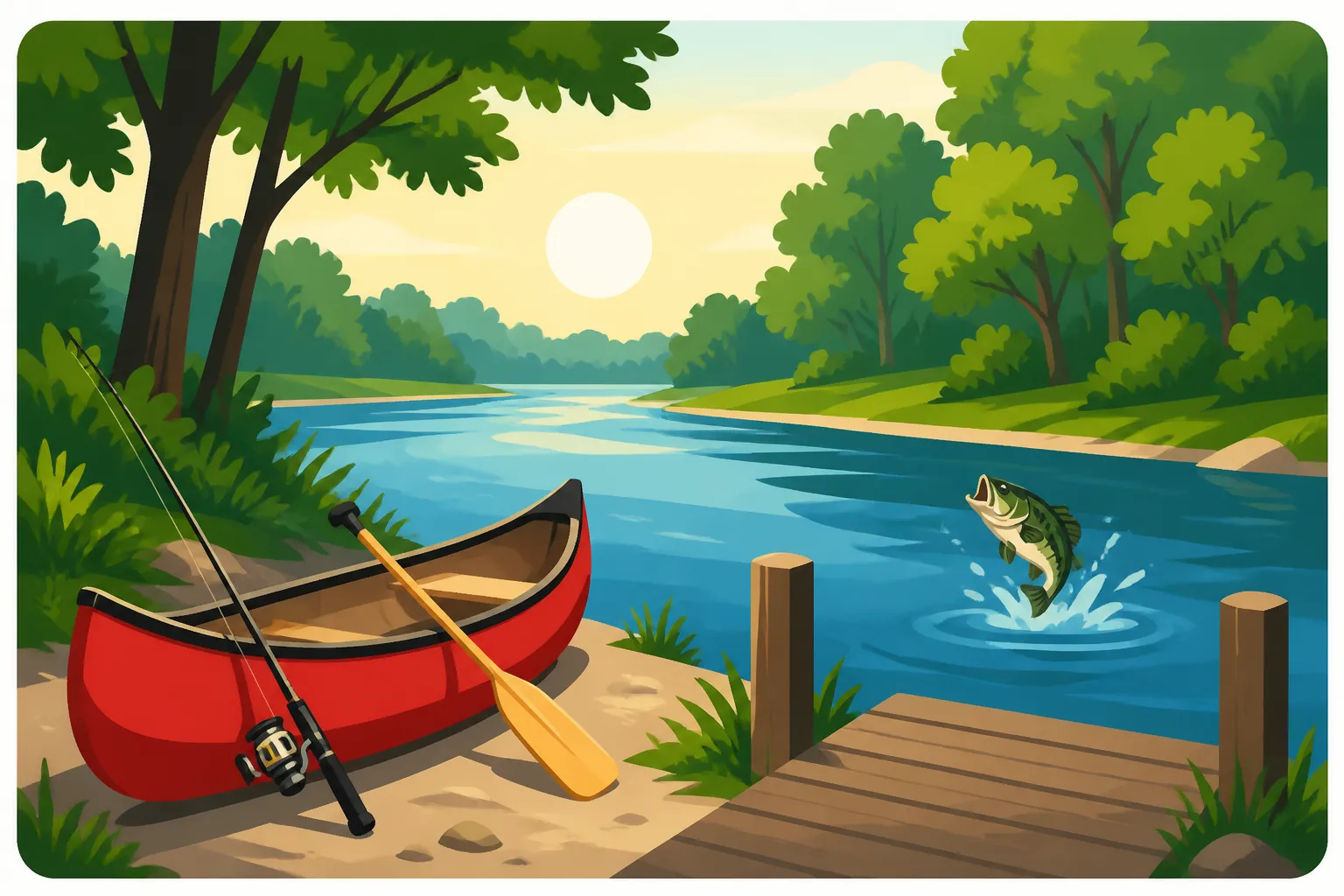
There’s nothing quite like the feeling of easing a canoe or kayak into the gentle current of a beautiful river, paddle dipping silently, with a fishing rod ready for action. But let's be honest, finding those perfect, easy-to-access spots on a river like Indiana's Tippecanoe can sometimes feel like searching for a hidden treasure. You want convenience, great fishing, and stunning scenery without a struggle. This guide is all about simplifying that quest, showing you exactly where to put in, what to expect, and how to make the most of your paddling and angling adventure on the magnificent Tippecanoe River.
Why the Tippecanoe River is a Paddler's and Angler's Paradise
The Tippecanoe River isn't just another waterway in Indiana; it's a living, breathing ecosystem that offers an incredible blend of natural beauty and fantastic fishing opportunities. Flowing over 160 miles from its origins in Tippecanoe Lake down to the Wabash River, it carves a path through diverse landscapes, from tranquil forests to productive farmland, offering something for every outdoor enthusiast. It's truly one of the Best Rivers for Fishing in Indiana, a real gem that deserves a spot on your must-visit list.
The River's Natural Beauty and Diverse Fish Population
Imagine towering sycamores and ancient oak trees lining the banks, their branches overhanging the water, creating cool, shaded tunnels. The sound of kingfishers rattling by, or the splash of a deer at the water's edge, often accompanies your journey. The Tippecanoe River boasts a remarkable level of biodiversity, recognized for its exceptional water quality and habitat, especially in its upper reaches.
From an angler's perspective, this river is a goldmine. It's renowned for its robust populations of smallmouth bass, a hard-fighting species that thrives in the river's rocky, current-rich sections. But it's not just about bass. You'll find healthy numbers of channel catfish, particularly in the deeper holes and slower currents, along with various panfish like bluegill and crappie in quieter backwaters. Upstream, you might even encounter the occasional walleye. The sheer variety means you can often target multiple species in a single trip, keeping things exciting whether you're fly fishing, casting lures, or soaking bait.
Ideal for Both Canoeing and Kayak Fishing
What makes the Tippecanoe so special for both paddlers and anglers is its perfect balance. The current is generally gentle enough for leisurely canoe trips, making it an excellent choice for families or those new to river paddling. Yet, it's strong enough to provide dynamic fishing environments, creating those riffles, runs, and eddies where game fish love to ambush prey.
For kayak anglers, the river offers fantastic versatility. A fishing kayak allows you to silently stalk fish in shallow areas, navigate tight bends, and reach spots that larger boats can't. The river's moderate flow means you can cover a good amount of water without exhausting yourself, paddling upstream against the current to fish a section thoroughly, then floating back downstream with ease. Whether you prefer a traditional canoe for stability and gear capacity or a nimble kayak for solo adventures, the Tippecanoe accommodates both beautifully. If you're considering a kayak, check out guides like Best Kayaks for Fishing Indiana Lakes for ideas on suitable models.
Key Public Access Points Along the Tippecanoe River
Knowing where to get on and off the river can make or break your trip. The Tippecanoe has several well-maintained public access points, largely managed by the Indiana Department of Natural Resources (IDNR) or local park departments. These spots are designed to accommodate paddlers and anglers, often with ample parking and easy put-in/take-out locations.
Upstream Access: From Tippecanoe River State Park to Winamac
The upper section of the Tippecanoe, particularly above the town of Winamac, is characterized by its wilder, more natural feel. This is where the river meanders through dense forests and less developed areas, offering a truly immersive experience.
- Tippecanoe River State Park (Winamac): This is arguably the most popular and comprehensive access point in the upper river. Located north of Winamac, the state park offers multiple launch sites suitable for canoes and kayaks. There’s a main boat launch, and several other points deeper within the park provide access to different stretches of the river. You can put in here and float downstream, or simply fish from the banks and wade in shallower areas. The park also features camping, hiking trails, and restrooms, making it a great base for a multi-day trip. Fishing here is fantastic, especially for smallmouth bass and various panfish. It's an ideal starting point for a float trip, offering convenience and amenities.
- Winamac Town Park (Winamac): Right in the heart of Winamac, this park offers another excellent public access point. It's a convenient spot for those looking for a shorter float from the state park or a direct launch into the mid-Winamac section of the river. You'll find good bank access here too, popular with local anglers looking to target catfish in the deeper pools often found near urban areas. Parking is generally plentiful, and the park has facilities like picnic areas and playgrounds, making it very family-friendly.
- Ora Access Site (Pulaski County): Further downstream from Winamac, the Ora Access Site is a more rustic option, but it provides crucial access to a less-traveled section of the river. It’s a favorite among experienced paddlers and anglers seeking solitude. While amenities might be limited to a gravel parking lot and a simple put-in, the fishing can be exceptional due to less pressure. This area is particularly good for smallmouth bass, as the river features more varied structure like fallen trees and rocky bottoms.
Mid-River Access: Around Rochester and Mentone
As the Tippecanoe flows south, it winds past several smaller towns and through a mix of agricultural and wooded lands. The character of the river here remains vibrant, offering continued excellent fishing and paddling.
- Rochester City Park (Rochester): While Rochester is situated somewhat east of the mainstem Tippecanoe, the city park can offer access to smaller creeks and tributaries that feed the river, or provide a launch point for Lake Manitou, which is part of the larger Tippecanoe watershed system. However, for direct Tippecanoe River access in this mid-section, anglers and paddlers typically look for more specific IDNR sites or bridge crossings that offer informal access. It’s worth checking local maps for bridge access points where the state often maintains small, unimproved areas for put-in. These can be great for quick trips or targeting specific stretches.
- Local Bridge Crossings and Informal Access: Throughout this section of the river, many road bridges offer informal, but often legal, access. Look for areas with clear paths to the water and enough space to safely park off the road. These can be fantastic for bank fishing or quickly launching a kayak for a short paddle. Always be respectful of private property and ensure you are on public easement. These spots are excellent for casting for Tippecanoe River Smallmouth Bass Fishing Spots and larger catfish.
- Tippecanoe River Public Access (South of SR 14): Located in Pulaski County, this site offers another solid option for accessing the middle river. It provides a good launch for kayaks and canoes, often serving as a take-out point for longer floats originating further upstream. The river here continues its gentle meander, with good habitat for bass, sunfish, and catfish. These mid-river sections often feature a mix of deeper pools and faster runs, offering varied fishing environments.
Downstream Access: Near Monticello and Norway Dam
The lower section of the Tippecanoe River, especially as it approaches Monticello, transforms somewhat as it enters the influence of Lake Shafer and Lake Freeman, which are impoundments of the river. This area offers a different kind of fishing and paddling experience, often with wider channels and deeper water, though still retaining much of its riverine charm.
- Monticello Area Access (Lake Shafer/Lake Freeman): While these are lakes, they are formed by damming the Tippecanoe. Access points for Lake Shafer and Lake Freeman (like the one near the Norway Dam) provide options for launching larger boats, but canoes and kayaks can also be launched here to explore the wider river-like sections before the dams. These areas are excellent for targeting a wider variety of species, including walleye, crappie, and even hybrid striped bass (wipers) in addition to the standard river fare. You'll find public boat ramps around Monticello and the surrounding lake areas, such as those mentioned in Best Boat Ramps on Lake Freeman.
- Norway Dam Public Access (Monticello): The area around Norway Dam, which separates Lake Shafer from the true river section below, offers interesting fishing opportunities. Below the dam, the river regains its flow, and the churning water can be a magnet for fish, especially during certain times of the year. Anglers often target walleye and catfish here, capitalizing on the concentrated fish populations. There are usually public areas for bank fishing or hand-launching small craft, but be mindful of strong currents directly below the dam.
- Tecumseh Trail Access: Further downstream before the confluence with the Wabash River, informal access points can be found along the Tecumseh Trail, which follows portions of the river. These are often more primitive access points, best suited for experienced paddlers and anglers who are comfortable with less developed put-in/take-out options. This is a great area for those seeking solitude and a chance to truly immerse themselves in nature.
Planning Your Trip: What to Consider for a Successful Day on the Water
A well-planned trip is a successful trip, especially when you're combining paddling with fishing. The Tippecanoe is generally forgiving, but a little preparation goes a long way.
Choosing Your Craft: Canoe, Kayak, or Small Boat
Your choice of watercraft depends on your priorities and the section of the river you plan to explore.
- Canoes: Great for stability and carrying capacity. If you're planning a longer trip, bringing along a cooler, or fishing with a partner, a canoe is often the way to go. They handle the Tippecanoe's gentle currents well, but can be a bit bulkier to maneuver in very tight spots or against stronger currents if you're not experienced.
- Kayaks: Excellent for solo anglers or those who want to be more nimble. Fishing kayaks offer specialized features like rod holders and stable platforms for casting. They're lighter and easier to transport and launch from informal access points. For navigating the river's twists and turns and getting into shallower water, a kayak is often superior. If you're targeting specific fish like bass in structure, a kayak offers stealth.
- Small Boats (Jon Boats, Small Aluminum V-Hulls): These are generally more suited for the wider, deeper sections of the lower Tippecanoe, especially closer to the lakes or larger dammed areas. They provide more power and capacity but can be restricted by shallow water, rapids, or narrow passages in the upper river. Always check local regulations and river conditions before launching a motorized boat.
Essential Gear and Safety Considerations
Safety first, always! Even on a relatively calm river like the Tippecanoe, conditions can change, and accidents happen.
- Life Jackets: This is non-negotiable. Everyone on board your craft should wear a properly fitted life jacket. Indiana law requires it, and it could save your life. For detailed rules, consult Indiana Life Jacket Requirements for Every Boater.
- Fishing License: Before you even think about casting a line, ensure you have a valid Indiana fishing license. The penalties for fishing without one can be hefty. Learn more about the process in How to Get an Indiana Fishing License.
- First Aid Kit: A basic kit for cuts, scrapes, and other minor injuries is essential.
- Water and Snacks: Hydration is key, especially on warm days. Pack enough water and easy-to-eat snacks.
- Sun Protection: Sunscreen, a hat, and sunglasses will protect you from the sun's harsh rays.
- Communication: A fully charged cell phone in a waterproof bag, or even a small marine radio, is vital for emergencies. Cell service can be spotty in remote areas, so be prepared.
- Trash Bag: Pack it in, pack it out! Leave no trace.
- Proper Footwear: Water shoes or old sneakers are best for wading and portaging.
Navigating the River: Understanding Currents and Obstacles
The Tippecanoe River, while gentle, still has its nuances.
- Current: The river's current is usually mild, but it's important to understand how it flows. It will be stronger in narrower sections, around bends, and after heavy rains. Always face upstream when approaching obstacles or other boats.
- Obstacles (Strainers, Log Jams): River currents can push debris into "strainers" (fallen trees or brush that act like a colander, letting water through but holding objects). These are dangerous and should be avoided at all costs by paddling around them well in advance. Always keep an eye out downstream for potential hazards.
- Shallow Spots: Especially during dry periods, some sections of the river can become quite shallow. Be prepared to potentially drag your craft over short distances. This is where lightweight kayaks shine.
- Eddies: These are calm spots behind obstacles or in bends of the river, where the current flows backward. They're great places to rest, regroup, or target fish, as many species like smallmouth bass will use them as ambush points.
Fishing the Tippecanoe: Species and Techniques
Now for the fun part – catching some fish! The Tippecanoe River offers diverse angling opportunities, making it one of the Indiana Fishing Spots for Every Angler.
Targeting Smallmouth Bass and Walleye
The Tippecanoe is a smallmouth bass angler's dream. These feisty fish love current and structure.
-
Smallmouth Bass:
- Where to find them: Look for smallmouth around current breaks, such as boulders, fallen logs, undercut banks, and gravel bars. Riffles and the pools directly below them are also prime locations.
- Best Baits and Lures: Small crankbaits that mimic crawfish or minnows are excellent. Spinnerbaits, soft plastic tubes, grubs, and jigs are also very effective. During summer, topwater lures like poppers or walking baits can be incredibly exciting at dawn and dusk. Live bait, such as crawfish or shiners, will also produce bites.
- Techniques: Cast upstream and let your lure drift naturally with the current, retrieving it just fast enough to impart action. Work structure thoroughly. When wading, approach quietly and cast to suspected holding spots.
-
Walleye:
- Where to find them: While not as prolific as smallmouth, walleye can be found, particularly in the deeper, slower pools of the river, especially in the lower sections and closer to the lakes. They often prefer low light conditions.
- Best Baits and Lures: Jigs tipped with minnows or soft plastic trailers are effective. Small crankbaits and stickbaits that dive to the appropriate depth can also work.
- Techniques: Fish jigs slowly along the bottom in deep holes. Trolling with crankbaits can be productive in wider, deeper stretches, though this is more applicable closer to the lake sections. Night fishing for walleye can be particularly rewarding.
Remember to always check the Indiana Fishing Regulations and Bag Limits Guide before you go, as limits can vary by species and location.
Pursuing Channel Catfish and Panfish
Beyond the predatory game fish, the Tippecanoe offers excellent fishing for accessible and delicious species.
-
Channel Catfish:
- Where to find them: Channel cats are abundant throughout the river. Look for them in deeper holes, around log jams, bridge pilings, and any area with slower current where food might accumulate. They are particularly active at night.
- Best Baits: Cut bait (like shad or bluegill), chicken livers, nightcrawlers, and commercially prepared stink baits are all highly effective.
- Techniques: Bottom fishing is the most common and effective method. Use a simple slip-sinker rig with a hook and bait resting on the bottom. Cast into likely areas and wait for a bite. Night fishing can be incredibly productive for larger cats.
-
Panfish (Bluegill, Crappie, Sunfish):
- Where to find them: These smaller, prolific fish are found in quieter waters, back eddies, slow-moving pools, and around submerged vegetation or fallen trees. They are a fantastic target for beginners and kids.
- Best Baits and Lures: Small worms (redworms, nightcrawler pieces), crickets, and small artificial lures like tiny jigs, spinners, or poppers.
- Techniques: A simple bobber rig with a small hook and bait is often all you need. Cast near structure or vegetation. Ultralight tackle makes catching panfish even more fun. For more details on these species, check out Indiana Panfish Guide: Crappie, Bluegill, and Sunfish.
Local Outfitters and Resources for Your Tippecanoe Adventure
Sometimes, the easiest way to enjoy the river is to let the pros handle some of the logistics. The Tippecanoe River area has several excellent resources for paddlers and anglers.
Canoe and Kayak Rentals and Shuttle Services
If you don't own your own boat or prefer not to haul it, local outfitters are your best friends. They typically offer:
- Rentals: Canoes and kayaks available for half-day, full-day, or multi-day trips. They'll often provide paddles and life jackets as part of the rental package.
- Shuttle Services: This is a huge convenience for river trips. You leave your vehicle at your take-out point, and the outfitter will shuttle you and your rented (or even your own) boat to an upstream launch point. This allows you to float downstream back to your vehicle without needing a second car or complex logistics.
For example, companies like Tippecanoe River Canoeing or local liveries around Winamac often provide these services, making it incredibly easy to plan a float trip. A quick search for "Tippecanoe River canoe rental" will yield current options.
Guided Fishing Trips and Local Expertise
If you're looking to learn the river quickly, target specific species, or simply want a hassle-free fishing experience, consider hiring a local fishing guide.
- Benefits of a Guide: Guides possess intimate knowledge of the river, including the best spots, current fishing patterns, and effective techniques. They can provide all the necessary gear, teach you new skills, and significantly increase your chances of success. They often know the nuances of Fishing the Wabash River in Indiana as well, which the Tippecanoe feeds into.
- Finding a Guide: You can often find local guides through fishing forums, bait shops in towns like Winamac or Monticello, or through online platforms. For instance, platforms like FishingBooker can connect you with experienced, local guides who specialize in the Tippecanoe River, offering various trip options tailored to your interests, whether it's a dedicated bass trip or a multi-species adventure. These guides can share invaluable insights into the river's character, its fish populations, and even the Best Bait and Lures for Fall Fishing on the Tippecanoe.
A guided trip is an excellent way to gain a deeper appreciation for the river and significantly improve your angling skills, especially if you're new to river fishing or targeting a specific species like smallmouth bass. Don't forget, even with a guide, you'll still need your Indiana Fishing License Requirements Explained.
| Access Point | Location | Primary Activities | Amenities / Notes | Fish Species Targeted |
|---|---|---|---|---|
| Tippecanoe River State Park | Winamac | Canoe, Kayak, Fishing | Camping, restrooms, hiking, multiple launch points | Smallmouth Bass, Panfish, Catfish |
| Winamac Town Park | Winamac | Canoe, Kayak, Fishing | Restrooms, picnic areas, easy bank access | Catfish, Smallmouth Bass, Panfish |
| Ora Access Site | Pulaski County | Canoe, Kayak, Fishing | Rustic, limited amenities, good for solitude | Smallmouth Bass, Catfish |
| Rochester Area (Informal) | Rochester Area | Fishing, Kayak | Primarily bridge crossings, minimal amenities | Catfish, Smallmouth Bass |
| Tippecanoe River Public Access (South of SR 14) | Pulaski County | Canoe, Kayak, Fishing | Parking, basic launch | Smallmouth Bass, Catfish, Panfish |
| Norway Dam Public Access | Monticello | Fishing, Kayak | Bank access, near Lake Shafer/Freeman, strong currents | Walleye, Catfish, Bass, Crappie |
| Tecumseh Trail Access | Lower River (Various) | Fishing, Kayak | Rustic, suitable for experienced paddlers | Smallmouth Bass, Catfish, Panfish |
Disclaimer
Please note that fishing regulations, access point conditions, and local services can change. Always check with the Indiana Department of Natural Resources (IDNR) or local authorities for the most current information before planning your trip. Practice safe boating and fishing habits, and always respect private property and the natural environment.