Why Walleye Length Limits Vary by Lake in Indiana
It can be incredibly frustrating to head out to your favorite Indiana fishing spot, only to realize the walleye regulations you learned for one lake don't apply to another just a few miles away. This isn't just a minor annoyance; it’s a critical piece of information that can make the difference between a legal catch and a costly citation. This guide will meticulously break down why Indiana's walleye length limits vary from lake to lake, helping you understand the logic behind these specific rules and how to navigate them effectively so you can fish with confidence.
Understanding Indiana's Walleye Management Philosophy
Indiana's Department of Natural Resources (DNR) doesn't just pull regulations out of a hat. There's a deep, science-based approach to managing our state's fisheries, especially for prized species like walleye. They're constantly studying the unique ecosystems of each body of water, from small glacial lakes to vast reservoirs, to ensure that fishing remains sustainable for future generations while still offering great opportunities for today's anglers. This sometimes means that a blanket rule simply won't work for every situation, leading to those confusing variations in regulations that can trip up even experienced fishermen.
Tailoring Rules for Unique Fisheries
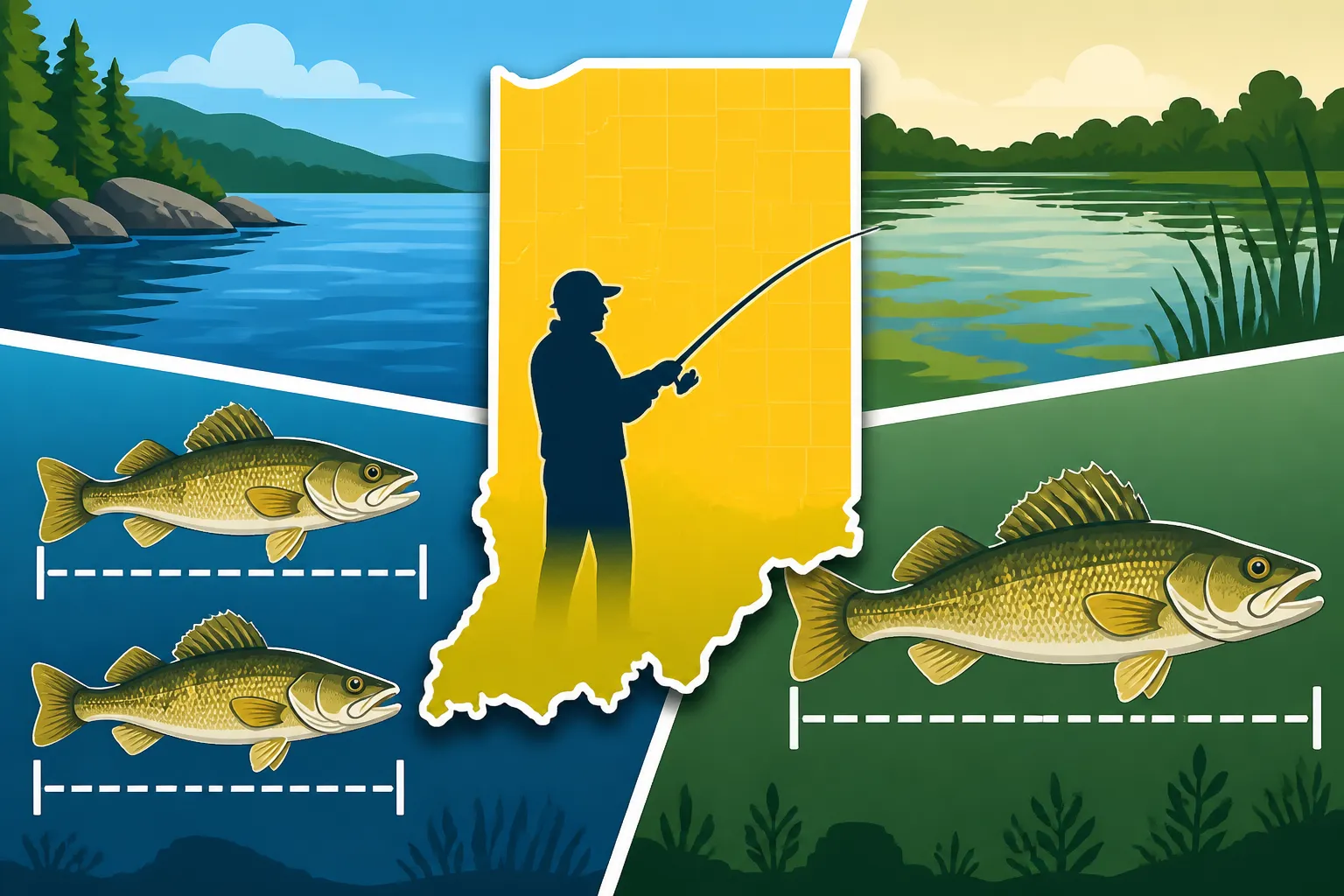
Think about it: a shallow, fertile natural lake in northern Indiana is a completely different world from a deep, clear reservoir in the south, or even the unique environment of Lake Michigan. Each of these bodies of water has distinct characteristics—different depths, varying forage bases, unique water chemistry, and even diverse genetics within the fish populations. What helps walleye thrive in one lake might hinder them in another. For instance, some lakes might have an abundance of smaller walleye that need protection to grow, while others might support a healthier population with faster growth rates, allowing for different harvest strategies. The DNR's job is to look at each specific fishery and determine the best course of action to maintain a healthy and robust walleye population, which often requires a tailored approach to length limits.
Because of these diverse conditions, the DNR has to be flexible. They can't simply apply one rule to all walleye fishing in Indiana and expect it to work everywhere. For example, a lake with high fishing pressure might need stricter limits to prevent overharvest, while a lake with excellent natural reproduction might be able to sustain a more liberal approach. It’s a complex balancing act, and these specialized rules are a testament to their efforts to manage each fishery on its own terms. This often explains why you might hear about Indiana Walleye Length Limits by Lake that seem to change from one county to the next.
Balancing Angler Harvest and Fish Population Health
Ultimately, all fishing regulations, especially those concerning length and bag limits, are designed to strike a delicate balance. On one hand, the DNR wants to provide ample opportunity for anglers to enjoy their sport and bring home a delicious meal. On the other, they have a critical responsibility to ensure the long-term health and sustainability of the walleye population. If too many young walleye are harvested before they have a chance to spawn, the entire population could decline. Conversely, if too many older, larger fish are kept, it could impact the genetic diversity or overall spawning efficiency of the lake.
So, when you see a minimum length limit, it’s usually to protect younger fish, allowing them to reach sexual maturity and reproduce at least once. A slot limit, where fish within a certain size range must be released, often aims to protect prime breeding-age fish while allowing for the harvest of smaller, younger fish (that haven't yet contributed significantly to reproduction) or larger, older fish that may have already contributed many times. These specific rules are not just arbitrary; they are carefully chosen tools to achieve specific conservation goals within each unique body of water. Understanding this underlying philosophy can help make sense of the sometimes-conflicting information you encounter in the Indiana Fishing Regulations and Bag Limits Guide.
Specific Lake Exceptions and Their Reasons
Indiana actually has a fairly standard walleye length limit across much of the state, but there are indeed some very important exceptions that every angler needs to be aware of. These exceptions are specifically designed to address unique biological or management challenges within those particular fisheries, and ignoring them can lead to serious consequences. It’s not about making things complicated; it’s about making sure the fish thrive where they live.
North of State Road 26: The Statewide Standard
For a significant portion of Indiana, particularly north of State Road 26, the standard walleye regulation is a minimum length of 16 inches, with a daily bag limit of six fish. This rule applies to a vast number of lakes and reservoirs, from the chain of lakes in northern Indiana to many of the larger impoundments further south. This 16-inch minimum is generally considered an effective length to ensure that walleye have had at least one, and often several, spawning cycles before they are harvested. This helps maintain a healthy reproductive base for the population, allowing for sustained fishing opportunities year after year.
This statewide rule is the baseline, the one you should expect unless you specifically know otherwise. It's built on a broad understanding of walleye biology and typical growth rates in many of Indiana's productive waters. However, it's crucial to remember that "statewide" doesn't mean "everywhere," which is where the specific lake exceptions come into play. When you're planning a trip to a new lake, always double-check if it falls under this general rule or one of the unique exceptions, especially if you're targeting walleye. More details on this standard can be found in the Walleye Minimum Length North of State Road 26 article.
Bass Lake's Unique Walleye Slot Limit
Now, let's talk about Bass Lake in Starke County. This lake is a prime example of a fishery with a very specific, and somewhat unusual, walleye regulation: a 14-inch minimum length limit, but only one walleye over 18 inches is allowed in your daily bag of six. This is what's known as a "protected slot limit" within the overall bag limit. This particular rule exists to protect the mid-sized, sexually mature walleye that are crucial for spawning. The thinking here is that by allowing anglers to keep fish under 18 inches (but still above 14), and then only one trophy-sized fish over 18 inches, they are safeguarding the "breeders" in that 14-18 inch slot.
Why this specific rule for Bass Lake? It likely stems from extensive surveys showing that a particular size class of walleye is vital for the lake's natural reproduction, or perhaps a desire to encourage the growth of larger fish while still allowing for some harvest. By protecting those mid-range fish, the DNR hopes to bolster natural recruitment and ensure a healthy future for the walleye population in Bass Lake. It’s a nuanced approach, acknowledging the specific dynamics of this particular body of water. Anglers often appreciate being able to keep some fish, but the one-fish-over-18 rule ensures that the biggest spawners aren't completely removed from the population. This specific rule is highlighted in articles like Bass Lake Walleye Length Limit Is Different From the Rest of the State.
Wolf Lake's Reciprocity and Walleye Regulations
Wolf Lake, straddling the Indiana-Illinois border in Lake County, presents another unique situation, though for slightly different reasons. For many years, Wolf Lake had its own unique walleye length limit of 14 inches with a daily bag of six, which was lower than the statewide Indiana standard. This specific rule was likely influenced by the fact that the lake is split between two states, and often, fishing regulations in such border waters are a result of agreements between the respective state agencies to create some level of reciprocity or consistency for anglers.
Historically, Wolf Lake's walleye limits often aimed to align with regulations on the Illinois side, or to manage a distinct population that might have different growth rates or population dynamics due to its urban setting and unique ecological characteristics. While specific details can change over time due to ongoing management, the general principle remains: border waters frequently have rules that account for the unique geographical and political circumstances, often prioritizing management consistency and angler experience across state lines. Always check the very latest regulations for Wolf Lake, as interstate agreements can sometimes be subject to review. You can find more specific information on this in the Wolf Lake Walleye Length Exception in Lake County post.
Lake George's Special Walleye Rules
Steuben County’s Lake George is yet another instance where the standard Indiana walleye regulations take a detour. This particular lake has a 15-inch minimum length limit and a daily bag limit of six walleye. While not as complex as Bass Lake’s slot limit, this 15-inch minimum is still an inch shorter than the common 16-inch rule found across much of northern Indiana. This slight difference, though seemingly small, is significant to fisheries biologists.
The rationale behind Lake George’s 15-inch minimum could be multi-faceted. It might reflect data indicating that walleye in Lake George reach sexual maturity and contribute to spawning at a slightly smaller size or earlier age compared to other nearby lakes. Alternatively, it could be a strategy to manage population density, allowing for a slightly higher harvest of mid-sized fish if the population is robust and abundant. Many of the glacial lakes in Steuben County, including Lake George, are highly productive walleye fisheries, and small adjustments to length limits can fine-tune the management to optimize both population health and angler satisfaction. For more specific information, consult resources detailing Lake George Walleye Minimum Length in Steuben County.
| Lake/Region | Minimum Length (Inches) | Bag Limit | Special Conditions |
|---|---|---|---|
| North of SR 26 (General) | 16 | 6 | Standard statewide rule |
| Bass Lake | 14 | 6 | Only one walleye over 18 inches |
| Wolf Lake | 14 | 6 | Often influenced by Illinois reciprocity |
| Lake George | 15 | 6 | Distinct rule for this specific lake |
The Science Behind Varied Length Limits
When fisheries biologists decide on specific regulations for a lake, they aren't just guessing. They're looking at a wealth of scientific data, collected through years of surveys, fish stockings, and ecological studies. These variations in length limits are a direct response to the specific biological, environmental, and even genetic characteristics of the walleye populations in those particular bodies of water. It's a nuanced field, and understanding these factors helps clarify why a "one-size-fits-all" approach simply wouldn't work for our diverse Indiana waterways.
Growth Rates and Forage Base Differences
One of the most significant factors influencing walleye length limits is the growth rate of the fish, which is directly tied to the available forage base. In lakes with an abundant supply of high-quality prey fish—like gizzard shad, alewives, or plentiful panfish—walleye tend to grow faster and reach larger sizes more quickly. In these highly productive waters, a higher minimum length limit might be appropriate to allow more fish to reach a substantial size, maximizing the trophy potential while still ensuring reproductive success. Conversely, in lakes with a more limited or less nutritious forage base, walleye might grow slower, taking longer to reach maturity. In such cases, a slightly lower minimum length limit might be set to allow for harvest while still protecting fish that have had a chance to spawn.
Consider a lake like Monroe Lake, which is a massive reservoir with a rich food chain, versus a smaller, less fertile natural lake. The walleye in Monroe might pack on inches and pounds much faster than their counterparts in a different body of water. The DNR collects data on fish size and age, assessing the "condition" of the fish and their growth trajectories. This information is crucial for setting effective length limits that reflect the reality of what the walleye are eating and how quickly they are maturing, ultimately ensuring a healthy and balanced fishery. These are the kinds of details that explain Why Walleye Length Limits Vary by Lake in Indiana.
Spawning Success and Recruitment Concerns
The success of natural reproduction, often referred to as "recruitment," is another cornerstone of walleye management. Some lakes have excellent natural spawning habitat and consistently produce a strong year class of walleye without much intervention. Other lakes might have limited spawning areas, fluctuating water levels that impact egg survival, or other environmental factors that make natural recruitment less reliable. In these cases, the DNR might rely more heavily on stocking programs to supplement the population.
Length limits play a critical role in managing spawning success. If a lake's natural reproduction is strong, regulations might be more focused on distributing harvest across different size classes. If natural reproduction is weak or inconsistent, stricter limits—such as slot limits—might be put in place to protect the key spawning population, ensuring that as many mature fish as possible are available to reproduce. The goal is always to have enough healthy, reproductive fish to perpetuate the species. It’s a careful calibration based on whether the fish are reproducing effectively on their own, or if they need a little help from the DNR's stocking efforts, a critical consideration when discussing Indiana's Walleye Minimum Length Rule and its exceptions.
Genetic Factors and Stocking Programs
Believe it or not, genetics can also play a role in why walleye regulations differ. While not as common a driver as growth rates or spawning success, distinct genetic strains of walleye might exist within different lake systems, potentially exhibiting variations in growth potential, disease resistance, or even behavior. When the DNR stocks walleye, they often use specific strains that are known to thrive in Indiana waters, sometimes even tailoring the strain to the particular lake environment.
For example, some of the walleye stocked in northern Indiana's glacial lakes might have genetic predispositions that differ from those found in southerly reservoirs, leading to different average sizes or growth patterns. These stocking programs, whether they involve native strains or hybrids like saugeye (a walleye-sauger cross), can influence the overall population structure and, consequently, the ideal length limits. Maintaining healthy genetic diversity and ensuring that stocked fish contribute effectively to the fishery are subtle but important considerations in the complex world of fisheries management. It’s why topics like Saugeye Fishing in Indiana: A Complete Guide become relevant in a broader discussion of walleye management.
How to Stay Informed About Walleye Regulations
Given the complexities and variations in walleye length limits across Indiana, staying informed is not just a good idea—it's absolutely essential for a responsible angler. Showing up to a lake unaware of its specific rules can ruin a great day of fishing and potentially lead to fines or penalties. Luckily, the Indiana DNR provides several reliable resources to help you always be in the know. Make it a habit to check before every trip, especially when venturing to a new body of water or if you haven't fished a particular lake in a while.
Checking the Indiana DNR Fishing Guide
Your absolute best friend for staying current on all Indiana fishing regulations is the official Indiana DNR Fishing Guide. This guide is updated annually and provides a comprehensive overview of all statewide rules, as well as specific exceptions for individual lakes and rivers. You can typically find a printed version at most bait and tackle shops, DNR offices, and even some sporting goods stores. More conveniently, a digital version is always available for free download on the Indiana DNR's website. It's mobile-friendly, so you can easily pull it up on your smartphone right on the water.
Before heading out, make it a non-negotiable step to glance through the section on walleye, paying close attention to any listed exceptions for your target lake. These guides are laid out clearly, often with tables or specific listings for lakes that deviate from the general rules. Don't rely solely on what you "heard" from a buddy or what applied last year. Regulations can change, and the official guide is always the most accurate source. This is especially true when rules change for specific bodies of water in areas like Kosciusko and Steuben Counties: Indiana's Best Pike and Walleye Water.
Local Bait Shops and Online Resources
Beyond the official DNR guide, local bait and tackle shops are invaluable resources for up-to-the-minute information. The folks working there are often avid anglers themselves, deeply connected to the local fishing scene. They can tell you not only about current regulations but also about recent changes, local nuances, and even what’s been biting. Don't hesitate to strike up a conversation and ask specific questions about the lake you plan to fish. They live and breathe this stuff!
Additionally, the internet offers a wealth of online resources. The Indiana DNR website, beyond hosting the digital fishing guide, often has news releases or specific lake pages that might detail regulation changes or stocking information. Fishing forums and local angling groups on social media can also be good sources for anecdotal information, but always cross-reference anything critical with the official DNR guide. While many anglers use online platforms, remember that information there can sometimes be outdated or incorrect. For purchasing your fishing license online, for example, stick to the official DNR channels. You can also explore options for Buying a Fishing License Online in Indiana directly through the DNR. For general fishing gear and informational books, online retailers like Amazon can be a good source, but always double-check official regulations for your state.
Conclusion
Understanding why walleye length limits vary from lake to lake in Indiana is more than just memorizing rules; it's about appreciating the dedicated work that goes into managing our incredible fisheries. These seemingly complex regulations are carefully crafted tools, designed by fisheries biologists to protect our walleye populations, ensure sustainable fishing for generations to come, and enhance the overall angling experience. From the standard 16-inch minimum that applies north of State Road 26 to the specific slot limit on Bass Lake, or the unique conditions governing Wolf Lake and Lake George, each variation has a scientific basis rooted in the distinct biology and environmental factors of that particular body of water.
As responsible anglers, it's our duty to stay informed. Always consult the latest Indiana DNR Fishing Guide before each trip, whether online or in print, and don't hesitate to tap into the local knowledge offered by bait shops. By respecting and adhering to these rules, we're not just avoiding a ticket; we're actively participating in the conservation efforts that keep Indiana's walleye fishing robust and exciting. So, grab your gear, check those regulations for your specific spot, and enjoy the thrill of chasing Indiana walleye!
Disclaimer
Please remember that fishing regulations, including length and bag limits, can change. While this guide provides detailed information, it is always your responsibility as an angler to consult the most current official Indiana Department of Natural Resources (DNR) Fishing Guide before heading out on the water. This ensures you are compliant with all applicable laws and regulations.