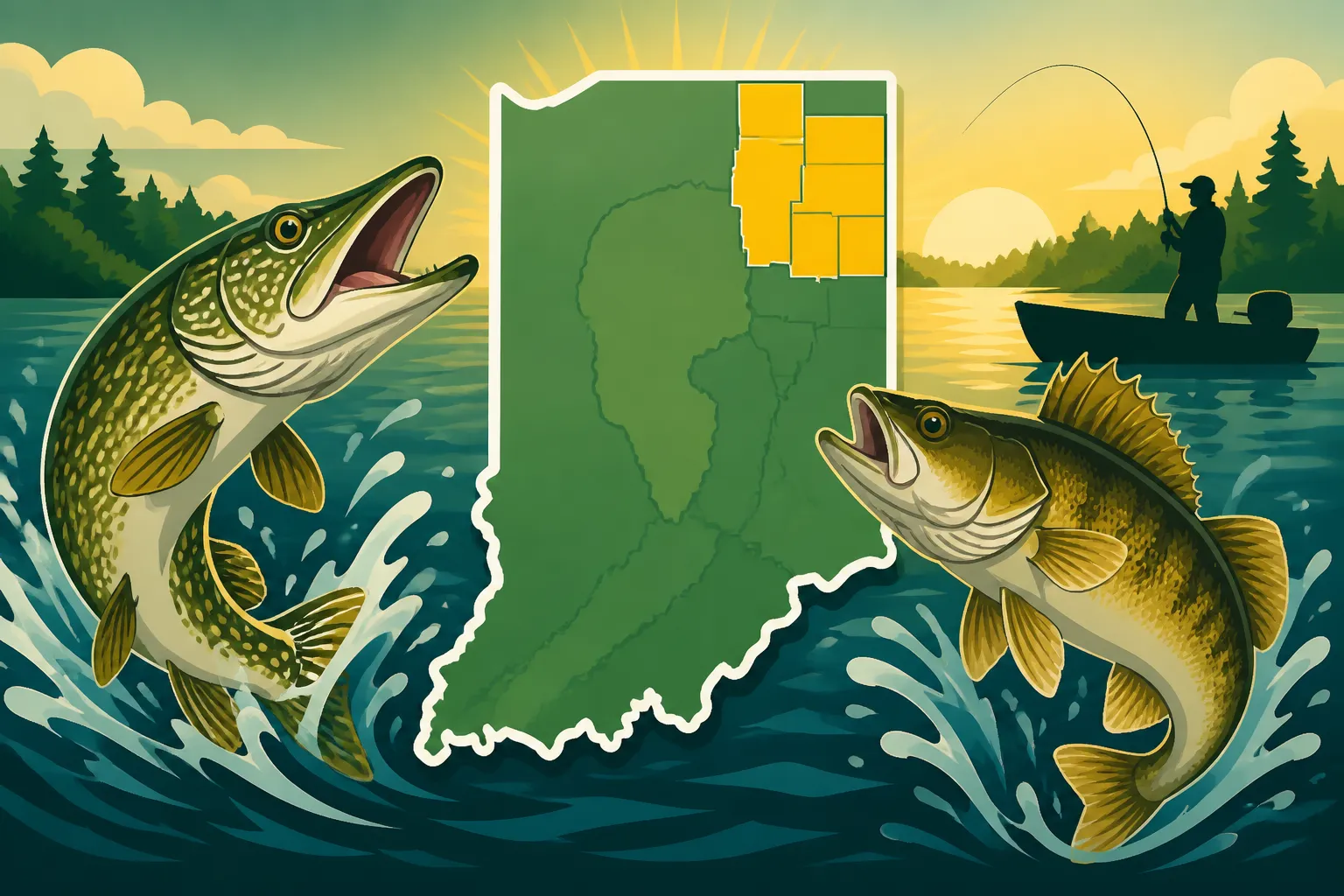
Kosciusko and Steuben Counties: Indiana’s Best Pike and Walleye Water
For many Indiana anglers, the dream of battling a powerful Northern Pike or outsmarting a cunning Walleye can feel like searching for a needle in a haystack. We spend countless hours on the water, trying new spots, swapping lures, and often come up empty-handed. But if you're serious about hooking into these prized freshwater giants, it's time to turn your attention north to the exceptional waters of Kosciusko and Steuben Counties. This guide will help you understand why these glacial lake regions are a true gem for pike and walleye enthusiasts, and how to maximize your chances of success.
Why Northern Indiana's Glacial Lakes Are a Walleye and Pike Haven
Northern Indiana's landscape is dramatically different from the flat, agricultural plains of the central and southern parts of the state. This region, particularly Kosciusko and Steuben Counties, was carved by glaciers, leaving behind a legacy of deep, clear, and cold natural lakes. This isn't just a scenic difference; it's a fundamental ecological distinction that creates perfect habitats for species like Northern Pike and Walleye, which thrive in cooler, oxygen-rich environments.
The Impact of Glacial Geology on Fish Habitat
Imagine colossal sheets of ice slowly grinding across the land thousands of years ago. As these glaciers retreated, they left behind depressions that filled with water, forming hundreds of lakes. These "glacial lakes" are characterized by their varying depths, steep drop-offs, hard bottom structures like gravel and rock, and abundant aquatic vegetation. This diverse topography provides exactly what predatory fish like pike and walleye need: deep, cool sanctuaries during summer, expansive shallow flats for foraging, and intricate cover for ambush. The complex bottom contours mean there's always an edge, a channel, or a hump for fish to relate to, offering endless opportunities for anglers who know how to read the water.
Strategic Stocking and Management Efforts
While the natural environment is ideal, the abundance of pike and walleye in these counties isn't purely accidental; it's also a testament to dedicated conservation efforts. The Indiana Department of Natural Resources (DNR) has long recognized the unique potential of these waters and actively manages fisheries to ensure healthy populations. This includes strategic stocking programs, particularly for Walleye, to supplement natural reproduction and provide ample angling opportunities. Strict regulations on length limits and daily creel limits are also enforced to protect trophy fish and allow younger fish to grow to maturity. This combination of prime natural habitat and proactive management creates a sustainable fishery that keeps anglers coming back year after year.
Unlocking the Northern Pike Mystery in Kosciusko County
Northern Pike are aggressive, toothy predators that offer an exhilarating fight. Kosciusko County, with its interconnected chain of natural lakes, is arguably the best place in Indiana to target these hard-hitting fish. While they can be elusive, understanding their preferred habitats and feeding habits will significantly increase your odds. If you're looking for a comprehensive overview, check out our guide on Northern Pike Fishing in Indiana: A Complete Guide.
Identifying Prime Pike Habitat and Behavior
Pike are ambush predators, meaning they love to hide and wait for unsuspecting prey to swim by. In Kosciusko County's lakes, this translates to dense weed beds, submerged timber, and the edges of sharp drop-offs. Think about areas where green, healthy weeds meet open water, or where a shallow flat suddenly plunges into deeper water. These "edge" areas are classic pike territory. During cooler months, you might find them shallower, lurking in sparse weeds or around docks. As water temperatures rise in summer, they'll retreat to deeper, cooler water, often still relating to cover, but perhaps 10-20 feet down instead of 5 feet. They are particularly active during low-light conditions, like dawn and dusk, but a cloudy, breezy day can also trigger a feeding frenzy.
Top Baits and Lures for Aggressive Pike
When it comes to baits, pike are not overly picky, but certain presentations are more effective. Large, flashy spoons are a classic choice, mimicking baitfish and reflecting light to attract attention. Spinnerbaits with big blades create a lot of vibration and flash, triggering aggressive strikes, especially when retrieved quickly along weed lines. Jerkbaits are fantastic for imitating injured baitfish, and their erratic action can provoke a reluctant pike into striking. For those who prefer live bait, large shiners or suckers fished under a bobber or slowly trolled can be deadly, particularly when pike are less active. Don't forget heavy leaders, as those sharp teeth will make short work of monofilament or fluorocarbon line. You can find a fantastic selection of these essential pike lures and more on platforms like Amazon, ensuring you're well-equipped for your next outing. For more detailed recommendations on what to throw, take a look at Best Bait for Northern Pike in Indiana Lakes.
Conquering the Elusive Walleye in Steuben County
Walleye have a reputation for being one of the most challenging, yet rewarding, freshwater game fish to catch. Their finicky nature and tendency to bite subtly make them a true test of an angler's skill. Steuben County's deep, clear lakes provide excellent walleye habitat, offering some of the best opportunities in the state to hook into these delicious fish. If you're looking to understand the regulations specific to these areas, our article on Walleye Minimum Length North of State Road 26 is a must-read.
Understanding Walleye Behavior and Feeding Times
Walleye are largely sight-feeders with excellent low-light vision, which means they are most active during dawn, dusk, and especially at night. During the day, particularly in clear waters, they tend to hold in deeper, darker areas, often near bottom structure like humps, rock piles, or channels. They’ll move shallower to feed under the cover of darkness or on overcast days when light penetration is reduced. Understanding these patterns is critical; if you're only fishing for walleye in the bright midday sun, you're missing out on their most active feeding windows. They are also highly sensitive to changes in water temperature and pressure, so pay attention to weather fronts.
Effective Walleye Techniques and Tackle
Successfully targeting walleye often requires a patient, methodical approach. Trolling with crankbaits or crawler harnesses is a popular and effective method, allowing you to cover large areas and present your bait at specific depths. Jigging with live bait (like minnows or nightcrawlers) or soft plastics is another go-to technique, especially when you've located a school of fish. Vertical jigging directly over structure or pitching jigs to points and drop-offs can be incredibly productive. When choosing your tackle, consider sensitive rods that can detect subtle bites, matched with lightweight spinning reels. Braided line with a fluorocarbon leader is a common setup, offering sensitivity and abrasion resistance. A good fish finder is invaluable for locating submerged structure and schools of baitfish, which are key to finding walleye. Many anglers find great deals on these specialized walleye baits and electronics on Amazon, making it easier to acquire the right tools for the job. For more insights on the ideal gear, you can also consult Walleye and Muskie Fishing in Indiana's Glacial Lakes.
Featured Lakes: Kosciusko and Steuben County Hotspots
While both counties offer excellent fishing, certain lakes stand out as prime destinations for pike and walleye. Each lake has its own character, presenting unique challenges and rewards. Understanding these nuances can significantly improve your success.
Kosciusko County: Lake Wawasee and the Tippecanoe Chain
Lake Wawasee, Indiana's largest natural lake, is a true multi-species haven and a phenomenal spot for Northern Pike and Muskie. Its extensive weed beds, deep channels, and diverse bottom structure make it ideal. Anglers often find pike cruising the edges of the expansive weed flats, particularly near the numerous points and bays. The lake's healthy baitfish population keeps the pike well-fed and growing to impressive sizes. It’s also home to a fantastic walleye fishery, with fish often holding on deeper humps and along the channels. If you want to know more about this amazing body of water, our guide on Lake Wawasee: Indiana's Largest Natural Lake and Its Fish offers a deeper dive.
The Tippecanoe Chain of Lakes, including Webster and Tippecanoe lakes, also in Kosciusko, are renowned for their incredible pike and even muskie fishing. These lakes are deep, clear, and offer abundant cover, from thick vegetation to submerged timber. Webster Lake, in particular, has a reputation for producing trophy pike. The interconnected nature of these lakes means fish can move freely, adding to the challenge and excitement. Look for pike in the shallower bays and weed lines, especially in spring and fall.
Steuben County: James Lake and the Chain O'Lakes
James Lake, part of the Pigeon River Chain O'Lakes in Steuben County, is another top-tier destination for walleye. This lake is known for its clear water, deep pockets, and excellent natural structure, including rocky points and subtle depth changes. Walleye here often congregate near these structures, especially during low-light periods. Anglers targeting James Lake frequently employ trolling tactics with deep-diving crankbaits or slow-jigging live bait presentations. The challenge here is the clear water, which often necessitates lighter lines and stealthier approaches.
The broader Chain O'Lakes in Steuben County, which includes Lakes Jimmerson, Snow, and Crooked Lake, offer similar excellent walleye opportunities. These lakes share the glacial characteristics that walleye love: cool, clear water and plenty of varied bottom structure. The key to success across these lakes is often to find the subtle transitions – where hard bottom meets soft, where a channel runs alongside a flat, or where a deep basin rises to a hump. These are the highways and dinner tables for hungry walleye. Understanding Steuben County Lakes for Walleye Fishing can provide further advantages.
Here's a quick comparison of the prime species and characteristics of these top lakes:
| Lake Name | County | Primary Target Species | Key Characteristics | Best Tactics |
|---|---|---|---|---|
| Lake Wawasee | Kosciusko | Northern Pike, Walleye | Indiana's largest natural lake, deep, clear, abundant weeds | Trolling, casting spoons/spinnerbaits, jigging |
| Webster Lake | Kosciusko | Northern Pike, Muskie | Deep, clear, excellent weed lines, known for trophy pike | Large jerkbaits, live bait, casting heavy lures |
| Tippecanoe Lake | Kosciusko | Northern Pike, Muskie | Deepest natural lake, complex structure, good baitfish | Trolling, jigging, exploring deep contours |
| James Lake | Steuben | Walleye, Pike | Clear water, deep pockets, rock piles, part of chain | Trolling crankbaits, vertical jigging, night fishing |
| Jimmerson Lake | Steuben | Walleye | Clear, deep, good structure, connected to other lakes | Live bait rigging, slow trolling, jigging structure |
| Crooked Lake | Steuben | Walleye | Deep, very clear, rocky points, good habitat diversity | Dawn/Dusk trolling, sensitive jigging, electronics use |
Essential Gear and Seasonal Strategies for Success
Having the right gear and understanding how to adapt your approach to the changing seasons are crucial for consistent success with pike and walleye in these northern Indiana lakes. These fish aren't always easy to catch, so every advantage helps!
Rods, Reels, and Line for Battling Big Fish
For Northern Pike, you'll want a medium-heavy to heavy-action casting or spinning rod, typically 6'6" to 7'6" in length, capable of handling heavier lures and the powerful runs of a pike. Match this with a sturdy baitcasting reel or a large spinning reel spooled with 30-50 lb braided line, often with a fluorocarbon leader (20-30 lb) or a steel leader to withstand their sharp teeth.
Walleye fishing, especially in the clear waters of Steuben County, often calls for a more finesse approach. A medium-light to medium-action spinning rod, around 6' to 7' in length, with a fast tip for detecting subtle bites is ideal. Pair this with a good quality spinning reel spooled with 8-15 lb braided line, tied to a 6-12 lb fluorocarbon leader. The sensitivity of this setup will help you feel those light walleye taps. When browsing for these specific rod and reel combos, checking retailers like Amazon can offer a wide range of options to suit your budget and fishing style.
Navigating Seasonal Patterns for Pike and Walleye
Understanding how pike and walleye behave throughout the year is key to consistent success.
- Spring: After ice-out, both pike and walleye move shallower. Pike will be in very shallow bays and weed lines for spawning, then become aggressively hungry. Walleye will also be shallow after spawning, often near rocky points or tributary mouths, eager to feed. This is a prime time for power fishing for pike with spinnerbaits and spoons, and slow-rolling jigs or trolling shallow crankbaits for walleye.
- Summer: As water temperatures rise, both species retreat to deeper, cooler water. Pike will relate to the deeper edges of weed beds, submerged structures, or main lake points. Walleye will be found on deep humps, along thermoclines, or in channels during the day, moving shallower at night. Trolling deep-diving crankbaits or vertical jigging become very effective for walleye, while targeting deep weed edges with large spoons or live bait works for pike.
- Fall: This is arguably the best time for trophy fish. As water temperatures cool, both pike and walleye go on a feeding binge to prepare for winter. They'll move shallower again, often feeding aggressively throughout the day. Pike will hammer large jerkbaits and swimbaits, while walleye will readily take larger crankbaits, jigging spoons, and live bait presentations. You can learn more about this exciting period in our article on the Best Time of Year for Muskie Fishing in Indiana, which often overlaps with pike activity.
- Winter (Ice Fishing): These northern lakes freeze solid, offering fantastic ice fishing opportunities. Pike can be caught on tip-ups rigged with large shiners or suckers, set near weed beds or drop-offs. Walleye are often caught jigging spoons or small minnow-imitating lures near bottom structure, especially at dawn and dusk.
Conservation, Regulations, and Responsible Angling
The excellent pike and walleye fishing in Kosciusko and Steuben Counties is a precious resource that requires careful management and responsible angling practices. Adhering to regulations and thinking about conservation ensures these opportunities remain for future generations.
Understanding Length and Bag Limits
Indiana has specific regulations in place to protect pike and walleye populations, and these can vary by species and even by individual water body. For walleye, there's typically a minimum length limit and a daily bag limit designed to allow fish to reach reproductive age and maintain healthy populations. Northern Pike also have length and bag limits, which sometimes differ from those of their close relative, the muskie. It is absolutely crucial to consult the current Indiana Fishing Guide before each trip, as regulations can change. Ignorance of the law is not an excuse, and violations can lead to significant penalties. Our article on Indiana Walleye Length Limits by Lake provides specific details you'll want to be aware of.
Practicing Catch and Release for Future Generations
While keeping a legal-sized pike or walleye for the dinner table is a time-honored tradition and perfectly acceptable within regulations, practicing selective harvest and catch-and-release is vital for sustaining these fisheries. Consider releasing larger, older fish – especially trophy-sized females – as they are crucial for successful reproduction and contribute the most to the gene pool. If you do plan to release fish, handle them with care. Use a large, knotless net, minimize their time out of water, and use de-hooking tools to remove hooks quickly and cleanly. Supporting organizations that focus on fishery conservation, even just by purchasing your fishing license, contributes directly to the health of these magnificent Indiana waters. Fishing in the Indiana's Glacial Lake Region Fishing Access Guide means being a steward of these unique environments.
Disclaimer
This article is for general informational purposes only and does not constitute professional advice. Laws, prices and regulations vary by location and change over time. Consult a qualified professional for guidance on your specific situation.