Fishing Tournament Rules for Nonresident Anglers
Heading to Indiana for a fishing tournament as a nonresident? It's easy to get caught up in the excitement of competition, but nothing throws a wrench into a perfectly planned trip faster than realizing you're not up to snuff on the local fishing regulations. Many nonresident anglers arrive, eager to cast their lines, only to discover that Indiana's specific rules, especially regarding licenses and unique tournament conditions, differ significantly from their home state. This comprehensive guide is here to walk you through everything you need to know about fishing tournament rules and general regulations for nonresident anglers in the Hoosier State, ensuring your focus stays on the fish, not the fines.
Understanding Indiana's Nonresident Fishing License Requirements
Before you even think about dropping a line in an Indiana fishing tournament, securing the correct fishing license is paramount. It’s not just a formality; it’s a legal requirement that protects Indiana’s fisheries and ensures everyone is contributing to conservation efforts. Don't assume your home state's license will cover you here, as reciprocity agreements are specific and often limited.
Standard Nonresident Licenses Available
Indiana offers a few different options for nonresident anglers, depending on how long you plan to stay and fish. It's really about finding the right fit for your tournament schedule and any extra fishing you might want to squeeze in.
First up, you have the Nonresident 1-Day Fishing License Cost in Indiana. This is often the go-to for a quick trip, perfect if your tournament is just a single day or you're only making a very short visit. It's convenient and economical for those in-and-out scenarios. Then there's the Nonresident 7-Day Fishing License Cost in Indiana, which gives you a full week of fishing access. This is ideal if your tournament spans a weekend or a few days, or if you plan to arrive early to scout some water or stay a bit longer for some recreational fishing after the competition.
For those who anticipate multiple trips to Indiana throughout the year, or if you're a serious tournament angler who frequents Indiana's waters, the Nonresident Annual Fishing License Cost might be the most cost-effective solution. While the initial outlay is more, it covers you from April 1st through March 31st of the following year, regardless of how many times you cross the border. Keep in mind that for certain species, like trout and salmon in specific waters, you might also need an additional stamp. You can learn more about these specifics in our Indiana Trout and Salmon Stamp Requirements guide.
Age Requirements and Exemptions
Understanding who needs a license and who doesn't can save you a headache. In Indiana, generally, all nonresidents aged 18 and older are required to possess a valid fishing license. This isn't just for adults; if you're 18, you're considered an adult in the eyes of the Indiana Department of Natural Resources (DNR) for licensing purposes.
However, there's a fantastic exemption for younger anglers. Kids can fish for free until they reach their 18th birthday! This means if you're bringing a junior angler along for a tournament or just a fun day on the water, they don't need to worry about purchasing a license until they're 18. This is a great way to introduce the next generation to the sport without the added cost. So, if your tournament partner is still under 18, they're all set without a license. Beyond this, there are very few other exemptions for nonresidents, so it’s always best to assume you need a license if you’re fishing.
Purchasing Your License
Gone are the days when you had to track down a bait shop or a specific government office to get your fishing license. While those options still exist, the easiest and most convenient way to purchase your Indiana nonresident fishing license is online.
You can visit the Indiana DNR website and purchase your license in minutes from the comfort of your home, even before you leave for your trip. This is a huge time-saver, especially when you're on a tight schedule for a tournament. Just make sure you have your personal information handy, and you can print a temporary license right then and there. Many anglers also appreciate the ability to store their license on their phone, although carrying a physical copy or a clear screenshot is always a good backup. Alternatively, you can find licensed retailers throughout Indiana, including many bait and tackle shops, sporting goods stores, and even some Walmart locations. These places can issue you a license on the spot. It's generally a smooth process, but knowing all your options helps immensely. You can find more details on how this process works in our comprehensive guide on Buying a Fishing License Online in Indiana.
Tournament-Specific Rules and General Regulations
Participating in a fishing tournament in Indiana adds another layer of rules on top of the standard state regulations. While the tournament organizers will have their own specific guidelines, you still need to be fully aware of Indiana's general fishing laws, as they supersede or run concurrently with tournament rules. Ignorance of the law is never an excuse, especially when prize money is on the line.
Do Tournaments Require a Special License?
This is a common question, and thankfully, the answer is usually straightforward: no, most fishing tournaments in Indiana do not require a separate, special tournament-specific license beyond your standard Indiana fishing license. Whether you're competing in a local bass club event on Monroe Lake or a larger open tournament on Patoka Lake, your valid nonresident annual, 7-day, or 1-day fishing license is typically sufficient to cover your participation.
However, it is absolutely critical to understand that while the state doesn't require an additional license for the tournament itself, the tournament organizers will have their own set of rules and entry requirements. These can include membership in specific fishing organizations (like Bass Anglers Sportsman Society (B.A.S.S.) or Major League Fishing (MLF)), entry fees, liability waivers, and specific rules regarding eligible species, boat inspections, and even specific types of gear. Always, always, thoroughly read the tournament rules package provided by the event organizers. If there's any ambiguity, contact the tournament director directly. They are the ultimate authority on their event's specific regulations. For a general overview of all requirements, take a look at our article, Indiana Fishing License Requirements Explained.
Key Regulations for Tournament Anglers
Beyond the license, a myriad of general fishing regulations apply to all anglers, including those participating in tournaments. These regulations are designed to manage fish populations and ensure sustainable fishing for everyone. Failing to adhere to these can result in disqualification from the tournament, fines, and even confiscation of your catch or gear.
The big ones to focus on are bag limits and length limits. These vary significantly by species and sometimes even by specific body of water. For example, if you're targeting bass, Indiana has a Combined Bass Limit for Indiana Lakes and Rivers of five fish per day, which applies to both Largemouth and Smallmouth Bass. There are also minimum length requirements, often 14 inches for Largemouth Bass, though this can vary. For walleye, the regulations can be even more nuanced. North of State Road 26, the general Walleye Minimum Length North of State Road 26 is typically 16 inches, but certain lakes like Bass Lake, Wolf Lake, and Lake George have specific exceptions. Always double-check the rules for the specific lake or river where your tournament is being held.
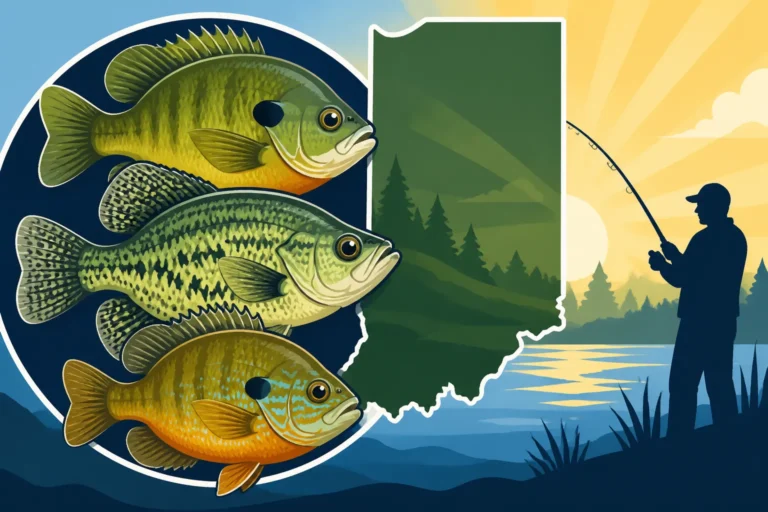
Panfish, like crappie and bluegill, also have daily bag limits, usually generous at 25 per species, but it's still crucial to be aware. Our Indiana Panfish Daily Limits by Species guide can provide more detail. You need to know these numbers cold, especially when trying to cull fish in your livewell during a tournament. Using a reliable measuring board, easily found on Amazon, and an accurate scale is essential to ensure you're compliant. For a comprehensive overview of all fishing rules, make sure you consult the Indiana Fishing Regulations and Bag Limits Guide.
Weigh-in and Livewell Considerations
Tournament fishing often involves keeping your catch alive in a livewell until weigh-in. Indiana has specific rules regarding the care and transport of live fish, particularly to prevent the spread of aquatic invasive species. Your livewell must be designed to keep fish alive and healthy. Tournament organizers will often have strict rules about the condition of your fish at weigh-in; dead fish usually result in penalties, sometimes even disqualification.
It’s your responsibility to ensure your livewell is properly aerated and maintained. This means having a good pump, adequate water circulation, and possibly adding livewell treatments, which you can also find readily available on Amazon, to reduce stress on the fish. After the tournament, when you leave the launch ramp, it is critical to drain all water from your livewell, bilge, and engine before transporting your boat. This "Drain Your Livewell" directive is a cornerstone of preventing the spread of undesirable plants and animals from one water body to another. Many tournaments will have officials checking this, so be prepared. Proper handling techniques, from landing a fish to placing it in the livewell and eventually on the weigh-in stage, are not just good sportsmanship; they are often part of the rules to ensure the fish's survival post-release.
Reciprocity and Avoiding Common Pitfalls
Understanding how Indiana interacts with its neighboring states regarding fishing licenses is vital for any nonresident angler, especially if you live close to the border or frequently fish interstate waters. Misunderstandings about reciprocity can quickly lead to legal trouble, even with the best intentions.
Neighboring State Reciprocity
Indiana shares borders with several states, and anglers often cross state lines for fishing opportunities. However, true fishing license reciprocity where one state's license is valid in another is quite limited. Generally, you need an Indiana fishing license to fish in Indiana waters, even if you hold a valid license from a neighboring state.
For instance, if you're an Ohio resident, you generally need an Indiana license to fish in Indiana. While there might be very specific, limited agreements on shared border waters for certain species, these are exceptions, not the rule. Our guide on Indiana Fishing License Reciprocity With Ohio delves into these specifics. The same principle applies to Michigan. If you're coming down from Michigan to fish Lake Michigan's Indiana waters or any inland Indiana lake, your Michigan license won't cut it. You'll need an Indiana nonresident license. You can read more about this in our Indiana Fishing License Reciprocity With Michigan article. The situation is similar for Illinois and Kentucky residents; while these states share parts of the Ohio and Wabash Rivers with Indiana, specific agreements dictate what is covered, and usually, it's best to assume you need an Indiana license when in Indiana's jurisdiction. Always consult the most current Indiana DNR regulations or directly contact them if you have questions about specific border waters. When in doubt, buy the Indiana license to be safe.
Common Misunderstandings and How to Avoid Them
It’s easy to make mistakes, especially when you’re fishing in unfamiliar territory with different rules. One of the most common misunderstandings is assuming that tournament rules somehow override state regulations. They don't. Tournament rules often add restrictions (e.g., "only Largemouth Bass count," or "minimum length 15 inches," even if the state minimum is 14), but they never nullify a state law. If the state says the daily bag limit is five bass, a tournament can't let you keep seven.
Another pitfall is not checking specific water body regulations. As mentioned, walleye limits can change from one lake to another. Some lakes might have specific slot limits or catch-and-release rules for certain species that are unique to that location. Always look up the regulations for the specific lake or river where your tournament is taking place. This information is usually available on the Indiana DNR website or in their annual fishing guide. Being prepared means knowing these details ahead of time. Printing out the relevant pages from the DNR guide or having them saved on your phone can be a lifesaver. Moreover, make sure your measuring devices are accurate and legal. A faulty measuring board bought online, even from Amazon, that’s off by an eighth of an inch could cause serious trouble at weigh-in.
Staying Compliant and Enjoying Your Tournament Experience
Ultimately, the goal is to have a fantastic and successful tournament experience in Indiana without any legal hiccups. Staying compliant with all the rules and regulations isn't just about avoiding penalties; it's about respecting the fisheries and the sport itself.
Essential Pre-Tournament Checklist
Before you even launch your boat, take a few moments to go through a mental, or better yet, a physical checklist to ensure you’re fully prepared. This proactive approach can save you a lot of stress and potential issues down the road.
First, confirm your Indiana fishing license is valid for the dates of the tournament. If you bought a 1-day or 7-day license, ensure it covers all competition days. If you have an annual license, remember that Indiana's fishing license year runs from April 1st to March 31st, so if your tournament is in March, and you haven't renewed for the new license year starting April 1st, you could be caught off guard. Next, review the specific tournament rules provided by the organizers. Print them out, highlight key sections like start/end times, boundaries, eligible species, length limits, and weigh-in procedures. Third, double-check Indiana DNR regulations for the specific body of water you’ll be fishing. Pay close attention to any special rules for that lake or river regarding species, bag, or length limits that might differ from statewide regulations. Finally, inspect your safety gear including life jackets, throwable devices, and a fire extinguisher. While this might seem separate, it ties into overall compliance and responsible boating, which often comes up in tournament inspections. Some tournaments require boat safety checks, so having all your gear up to snuff is smart.
| License Type | Cost (Approx.) | Duration | Best For | Notes |
|---|---|---|---|---|
| Nonresident 1-Day Fishing License | $9 | 1 calendar day | Short trips, single-day tournaments | Economical for quick visits. |
| Nonresident 7-Day Fishing License | $20 | 7 consecutive days | Weekend tournaments, short fishing vacations | Good for multi-day events or short explorations. |
| Nonresident Annual Fishing License | $60 | April 1 – March 31 | Frequent visitors, multiple tournaments | Most cost-effective for year-round access. |
| Trout & Salmon Stamp (add-on) | $11 | Annual | Targeting trout/salmon in specific waters | Required in addition to a fishing license where applicable. |
Costs are approximate and subject to change by the Indiana DNR.
Knowing Your Water and Species Regulations
Every body of water has its own personality, and with that, sometimes its own set of rules. As a nonresident, it's easy to overlook these hyper-local regulations. Don't just rely on general statewide rules; dig a little deeper for the specific lake or river hosting your tournament.
For instance, if your tournament is on Lake Michigan, the regulations are dramatically different than those for inland lakes. Lake Michigan Fishing Rules for Indiana Anglers are governed by interstate agreements and specific DNR mandates designed for a Great Lakes fishery. These rules cover everything from species like salmon and steelhead to specific bait restrictions and even boat equipment. Another example is the unique walleye length limits in certain lakes like Bass Lake, Wolf Lake, and Lake George that diverge from the statewide standard. Knowing these specific exceptions is crucial. Beyond the specific rules, understanding the typical fish species in that body of water, their habits, and what they feed on can give you a competitive edge. Local bait shops are often a fantastic resource for this kind of insight, offering advice not just on where to fish but also what gear or bait might be most effective. Many of them also carry great local maps and fishing reports, which can also be found online via services you can subscribe to through platforms like Amazon.
What Happens If You Break a Rule?
No one wants to think about the consequences of breaking rules, but it’s crucial for every angler, especially nonresident tournament participants, to understand the potential repercussions. Fishing without a license or violating regulations can lead to serious penalties.
The most immediate consequence for fishing without a valid Indiana fishing license is a citation. This can result in fines and court costs, which can quickly add up and significantly overshadow any tournament winnings. Our detailed guide on Penalties and Fines for Fishing Without a License explains the potential legal and financial ramifications. Beyond the financial penalties, you could face confiscation of your catch, fishing equipment, or even your boat in severe or repeated offenses. For tournament anglers, a rule violation almost certainly means immediate disqualification from the event, forfeiture of any prize money, and potentially a ban from future tournaments. It’s simply not worth the risk. Always carry your license on you, either physically or electronically, and be prepared to present it to any conservation officer upon request. The Indiana DNR enforcement officers are highly visible on major tournament waters, so expect to be checked. Their job is to ensure fair play and conservation, and they take it seriously.
Disclaimer
The information provided in this guide is intended for general informational purposes only and is not a substitute for official legal advice or current Indiana DNR fishing regulations. While we strive to keep our content up-to-date, regulations can change. Always consult the most recent official Indiana Department of Natural Resources (DNR) fishing guide or website, and tournament-specific rules, before fishing or participating in any event.