Indiana Nonresident Fishing License: What It Covers
Planning a fishing trip to Indiana can be exciting, but if you're coming from out of state, the whole "what license do I need and what does it actually cover?" question can feel like a tangled fishing line. It's a common frustration, trying to make sure you're legal on the water without overpaying or missing a crucial endorsement. This comprehensive guide will untangle that confusion, clearly outlining what your Indiana nonresident fishing license covers, what it doesn't, and how to make sure you're fully prepared for a fantastic angling adventure in the Hoosier State.
Understanding the Basics of Your Nonresident License
When you purchase an Indiana nonresident fishing license, you're essentially buying your ticket to explore the vast majority of the state's incredible waterways. It’s designed to be straightforward, but like anything, there are a few important details to grasp so you don't find yourself in a bind.
Statewide Fishing Privileges
Your standard Indiana nonresident fishing license provides extensive access to public waters throughout the state. This means from the tranquil farm ponds in Southern Indiana to the expansive reservoirs like Monroe Lake and Patoka Lake, or the winding rivers such as the Wabash River and the White River, you're covered for most conventional fishing pursuits. You can cast for popular species like largemouth bass, smallmouth bass, a variety of panfish including bluegill and crappie, and even the plentiful channel catfish.
The beauty of this statewide coverage is its simplicity. You don't generally need to worry about purchasing different county-specific permits or additional licenses for different lakes, which can be a real headache in other states. For a visiting angler, this means more time planning your fishing spots and less time navigating bureaucracy. Imagine pulling up to a new lake, ready to drop a line, knowing your single nonresident license has you good to go for that bucketmouth bass or a stringer of bluegill. It really frees you up to explore the Best Fishing Spots in Indiana If you're targeting the typical warmwater species in Indiana's inland lakes and rivers, your nonresident license is your golden ticket.
Duration and Validity of the License
Indiana offers a few different options for nonresident anglers, designed to fit various trip lengths. You can choose from an annual license, a 7-day license, or even a 1-day license. This flexibility is great, whether you're planning a full season of visits or just a quick weekend getaway. It's important to remember that Indiana's fishing license year runs from April 1st through March 31st of the following year. This is a crucial detail because it's not a calendar year license. If you buy an annual license in, say, September, it will still expire on March 31st.
This distinction is particularly important for nonresidents who might be used to a calendar year system in their home state. A 7-day or 1-day license offers a cost-effective solution for shorter trips, ensuring you only pay for the days you'll actually be fishing. For instance, if you're just driving through for a single day of fishing, a Nonresident 1-Day Fishing License Price: $9 is a perfect fit. If you plan on coming back multiple times within the same license year, the annual option might be more economical in the long run. Always double-check the expiration date when you purchase to avoid any unexpected surprises while out on the water.
What's NOT Included and Requires an Extra Stamp
While your general nonresident license covers a wide array of fishing, there's one significant exception you need to be aware of: the Indiana Trout and Salmon Stamp. If your angling plans involve targeting trout or salmon in Indiana waters, you absolutely need this additional stamp. It's not included with your standard fishing license, resident or nonresident.
The reason for this separate stamp is largely rooted in conservation and the specific management of these coldwater fisheries. Funds generated from the sale of the Trout and Salmon Stamp go directly towards stocking programs and habitat improvement for these species, particularly in Lake Michigan and its tributaries, as well as various put-and-take trout streams across the state. Without this stamp, even if you have a valid fishing license, possessing or attempting to take trout or salmon is a violation. It’s a small extra cost, currently Indiana Trout and Salmon Stamp Cost: $11, but it's essential for specific types of fishing. Don't forget to factor in this additional expense if you're heading up to the Northwest corner for a shot at a Steelhead or a King Salmon. It’s better to be prepared than to face the disappointment (and potential fine) of having to release a prized catch because you weren't properly licensed. Knowing the Total Cost of an Indiana Fishing License With the Trout Stamp upfront helps with budgeting your trip.
Navigating Specific Water Bodies and Species Regulations
Indiana's diverse aquatic environments mean that while your nonresident license provides general access, the specific rules for what you can catch and how much you can keep can vary significantly depending on where you're fishing. It's not enough to just have the license; understanding the localized regulations is key to a successful and legal trip.
Lake Michigan and Tributary Fishing
If you're planning to fish Lake Michigan from Indiana's shoreline or its tributary streams, listen up: this region operates under a different set of rules compared to the rest of the state. Your nonresident fishing license is still required, but the bag limits, length limits, and even some gear restrictions for species like Chinook salmon, Coho salmon, steelhead (rainbow trout), and brown trout are unique to this magnificent Great Lake. This is why the Lake Michigan Fishing Rules for Indiana Anglers are so important to review separately.
For many nonresident anglers, a trip to Lake Michigan in Indiana means targeting the exciting Fall Salmon Run Fishing on Lake Michigan in Indiana or chasing steelhead. These fish are powerful, plentiful, and a huge draw. However, imagine reeling in a beautiful Coho salmon only to realize you're over the limit for that specific species, or that it's undersized for the current regulations. It's a crushing feeling. Always check the current Indiana Department of Natural Resources (DNR) guide for Lake Michigan specifically, as these rules are often updated. The difference isn't just about the Trout and Salmon Stamp; it's also about specific management zones and species-specific rules that reflect the unique ecology and high fishing pressure of the Great Lakes fishery.
Inland Lakes and Rivers: Common Catches
For the vast majority of Indiana's inland lakes and rivers, your general nonresident fishing license combined with the statewide regulations will cover your catches. You can expect to find good populations of largemouth bass, smallmouth bass, bluegill, crappie, redear sunfish, and channel catfish in most public waters. These are the bread and butter species for many anglers, offering consistent action and delicious table fare.
The good news is that for these common species, the rules are fairly uniform. For example, the Indiana's Statewide Bass Daily Bag Limit is generally 5 fish combined for largemouth and smallmouth, but always verify for any specific water body. Similarly, Indiana Panfish Daily Limits by Species are generous, usually 25 per species, making it easy to put together a family fish fry. However, there can be exceptions, especially in smaller, managed lakes or certain reservoirs that have special regulations to enhance fish populations or create trophy fisheries. Before you head out, it’s always a wise move to quickly check the DNR's fishing guide for the specific lake or river you plan to visit. This small step can save you a lot of hassle and ensure you're fishing responsibly and legally.
Special Cases: Walleye and Muskie Zones
Beyond the general statewide rules, some specific fisheries in Indiana have highly localized regulations that are crucial for nonresidents to understand. Walleye, for instance, are a highly prized sport fish, and Indiana manages these populations carefully. While there's a general Walleye Minimum Length North of State Road 26 rule, several lakes have unique length limits. For example, Bass Lake, Wolf Lake, and Lake George each have their own specific walleye length limits that differ from the statewide standard, often to protect specific spawning populations or encourage growth to trophy sizes. This is a perfect example of why Indiana Walleye Length Limits by Lake is such an important resource. The state has invested a lot in creating these trophy walleye fisheries, and anglers need to respect the rules that help them thrive.
Muskellunge, or Muskie, are another species that require specific knowledge. These "fish of 10,000 casts" are found in a handful of Indiana's glacial lakes, particularly in the northern part of the state. While your nonresident license covers them, successful muskie fishing often requires specialized heavy tackle and a deep understanding of their behavior. When planning a trip for these toothy predators, make sure you understand the nuances of Muskellunge Fishing in Indiana: What Anglers Need to Know. You wouldn't want to finally hook into one of these magnificent fish only to realize you didn't know the specific rules for that lake. Knowing Why Walleye Length Rules Change From Lake to Lake helps you understand the conservation efforts at play and makes you a more informed angler.
Practical Considerations for Nonresident Anglers
Fishing in a new state can sometimes feel like navigating a maze of unfamiliar rules and regulations. But with a little preparation and understanding, your nonresident fishing trip to Indiana can be seamless and stress-free. Let's cover some practical tips to ensure you're ready to hit the water.
Reciprocity with Bordering States
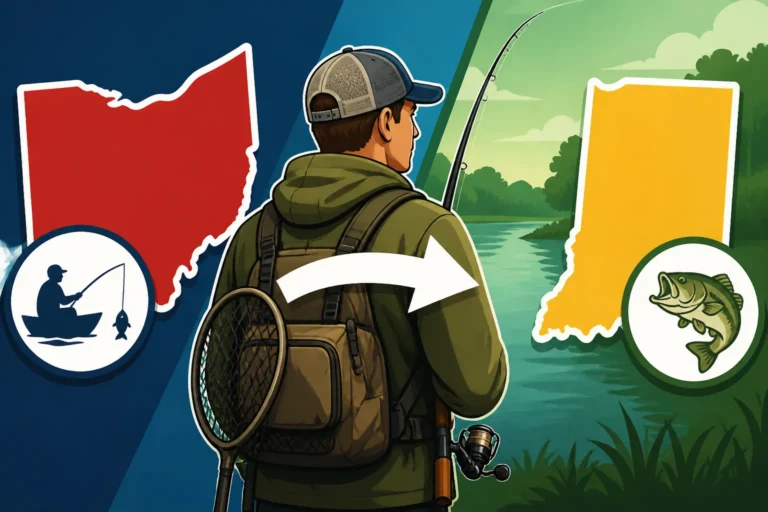
One of the most common questions from nonresident anglers is about license reciprocity with neighboring states. It makes sense, especially if you're fishing shared border waters like the Ohio River or even Lake Michigan. Generally, an Indiana nonresident fishing license is valid only in Indiana waters. This means that if you have an Ohio fishing license, it does not automatically grant you the right to fish in Indiana waters, even if you're on a shared body of water like the Ohio River. The same applies to Indiana Fishing License Reciprocity With Michigan, Indiana Fishing License Reciprocity With Ohio, or any other neighboring state.
There are very few, specific reciprocal agreements for certain shared waters, and these are usually clearly outlined by the DNR for very limited scenarios. For instance, sometimes certain parts of the Ohio River have specific agreements, but it's not a blanket rule for the entire border. It's crucial not to assume reciprocity. If you plan to fish in both Indiana and a neighboring state during your trip, you will almost certainly need a valid fishing license for each state. Always check the specific regulations for any shared border waters you intend to fish, as rules can be complex and jurisdictional lines can be subtle. Don't let a misunderstanding of state lines ruin your fishing day!
Carrying Your License and Avoiding Penalties
It might seem obvious, but it bears repeating: always have your Indiana nonresident fishing license with you while you're fishing. Conservation Officers can and do check licenses regularly. Whether you prefer a physical copy that you can tuck into your wallet or tackle box, or an electronic version on your smartphone, ensure it's readily accessible. Most states, including Indiana, recognize electronic versions of licenses, but it's wise to have it downloaded or a screenshot saved in case you lose cell service out on the lake.
The consequences of fishing without a valid license, or without the necessary stamps, can range from a warning to significant fines, and even confiscation of your gear. Penalties and Fines for Fishing Without a License can be quite steep, making the cost of a license seem negligible in comparison. Nobody wants their fishing trip to end with a citation! So, before you even make your first cast, do a quick "license check." It's a simple habit that ensures peace of mind and keeps your angling adventure on the right side of the law. Once you're set with your nonresident license, you might head to a place like Amazon to stock up on new lures or a comfortable fishing hat for your trip, ensuring you have everything you need before you even leave home.
Where and How to Purchase Your License
Purchasing your Indiana nonresident fishing license is surprisingly easy, making it simple to get compliant before you even arrive in the state. The most convenient method for many is buying it online directly from the Indiana Department of Natural Resources (DNR) website. This allows you to purchase and print your license from the comfort of your home, or save it to your phone, well in advance of your trip. The process for Buying a Fishing License Online in Indiana is straightforward and takes just a few minutes.
Alternatively, if you prefer to buy in person or need to grab a license on the fly, you can find authorized license retailers throughout Indiana. These include many Walmart stores, sporting goods shops, bait and tackle stores, and even some county clerks' offices. Just look for locations displaying "Indiana Hunting & Fishing Licenses Sold Here." This option can be handy if you forgot to purchase online or if you want to chat with local experts about current fishing conditions when you pick up your license. Many of these retailers also sell essential gear like bait and tackle, which is perfect if you’re looking for local recommendations. While you can find specific gear at a local shop, for a broader selection or competitive pricing on larger items, many anglers also check out Amazon before their trip to compare options and ensure they have everything from a new net to specialized tackle. Remember to choose the correct duration for your needs – the annual, 7-day, or 1-day nonresident license. You can even consider picking up a gift card from a major retailer like Amazon for a friend who loves fishing, so they can get their own license or gear!
| License Type | Coverage | Includes Trout/Salmon Stamp? | Typical Nonresident Cost (approx.) |
|---|---|---|---|
| Annual All-Species | Statewide general fishing for warmwater species (bass, panfish, catfish) | No | $60 |
| 7-Day All-Species | Statewide general fishing for warmwater species for 7 consecutive days | No | $20 |
| 1-Day All-Species | Statewide general fishing for warmwater species for 1 single day | No | $9 |
| Trout/Salmon Stamp (add-on) | Required for possession/targeting trout and salmon in Indiana waters | N/A (add-on) | $11 |
| Nonresident + T/S Stamp Combo | Full statewide coverage, including trout/salmon | Yes | $71 (Annual) |
Costs are approximate and subject to change. Always verify current prices with the Indiana DNR.
Disclaimer
Please remember that fishing regulations, license requirements, and costs can change. While this guide provides comprehensive information, always consult the official Indiana Department of Natural Resources (DNR) website or their current fishing guide for the most up-to-date and legally binding information before heading out on your fishing trip.