Resident Fishing License: What It Covers
Many anglers, especially those new to the Hoosier State or returning to the sport after some time away, find themselves scratching their heads when it comes to understanding exactly what their Indiana resident fishing license entitles them to. It can feel like navigating a maze of rules and regulations, leaving you wondering if you're truly covered for that spontaneous fishing trip. This comprehensive guide is here to untangle that confusion, detailing precisely what your annual resident fishing license in Indiana covers, what additional stamps you might need, and how to make sure you're always fishing legally and confidently.
Understanding Your Indiana Resident Fishing License
Purchasing an Indiana resident fishing license is your golden ticket to enjoying the state's incredible waterways, but it’s crucial to understand the specifics. It's not just a piece of paper; it’s a commitment to supporting conservation efforts and adhering to the guidelines that protect our fish populations for future generations.
What "Resident" Really Means in Indiana
First things first, let's clarify what it means to be an "Indiana resident" in the eyes of the Department of Natural Resources (DNR). This isn't just a casual definition; it's a legal one that determines your eligibility for resident pricing and licenses. To qualify as an Indiana resident for a fishing license, you must have lived in the state continuously for at least 60 consecutive days immediately preceding the date you purchase your license. This period must be without any intent of establishing residency in another state.
This means if you've recently moved here from Illinois for a new job, for example, you'd need to establish that 60-day residency before you can buy a resident license. Simply owning property here or having a P.O. Box isn't enough; your primary dwelling, where you pay taxes, receive mail, and typically register your vehicle, should be within Indiana. For students attending college in Indiana, even if they maintain a permanent residence out of state, they can sometimes qualify if they meet specific criteria, typically involving proof of enrollment and continuous physical presence. The DNR aims to ensure that those benefiting from Indiana's natural resources are also contributing to their upkeep as true residents. If you're unsure, it's always best to check directly with the Indiana DNR to confirm your status to avoid any potential Penalties and Fines for Fishing Without a License.
The Basics: What the Annual License Covers
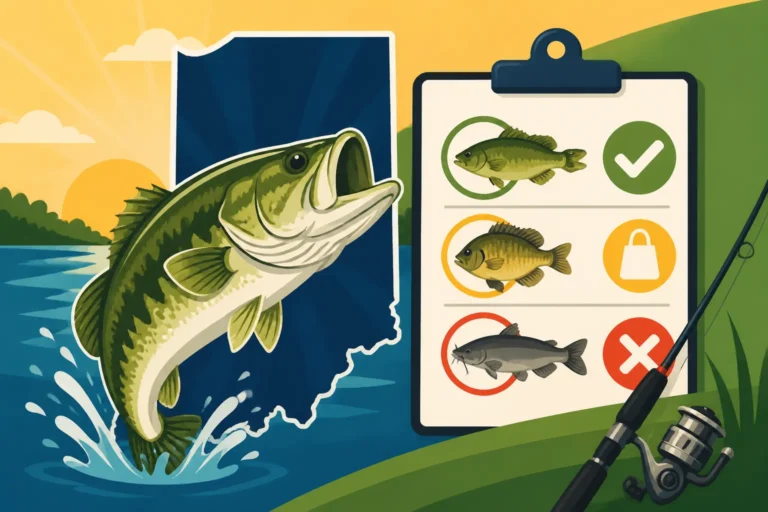
Once you've established your residency, your annual Indiana resident fishing license is a fantastic value, offering broad coverage across a vast array of fishing opportunities. For a relatively low cost, which you can read more about in Indiana Resident Annual Fishing License Cost, this license generally permits you to fish for most native and introduced freshwater fish species in Indiana's public lakes, rivers, streams, and reservoirs. This includes some of the most popular sportfish, such as largemouth bass, smallmouth bass, crappie, bluegill, catfish, walleye (in designated inland waters), northern pike, and even muskellunge.
Essentially, for the overwhelming majority of your freshwater angling adventures in Indiana, your standard resident annual fishing license is all you need. You can cast a line in Monroe Lake, chase smallmouth in the Tippecanoe River, or enjoy some panfish action on a quiet farm pond (with permission, of course) without needing anything extra. However, this base license doesn't cover everything. It's crucial to understand that it's a foundation, and certain specialized fishing, particularly for specific species or in unique locations, might require an additional permit or "stamp."
Beyond the Basics: Species and Waters Covered
Indiana boasts an incredible diversity of fish species and aquatic habitats, offering something for every type of angler. Your resident fishing license is your passport to exploring much of this natural richness.
Freshwater Species You Can Target
With your Indiana resident fishing license in hand, you're cleared to pursue a wide variety of freshwater game fish and panfish that populate our lakes, rivers, and ponds. This includes the ever-popular largemouth bass, a staple for many anglers found in nearly every body of water. Smallmouth bass offer a thrilling fight in the state's rivers and larger lakes, while catfish, including channel, flathead, and blue catfish, provide excellent opportunities for trophy hunters and those looking for a delicious meal. Crappie, bluegill, and various other sunfish species are abundant and provide fantastic action, especially for family outings or beginners. You can often find a good selection of gear for these species on sites like Amazon, making it easy to stock up before your trip.
Beyond these common species, the license also covers you for targeting walleye in many inland reservoirs and natural lakes, northern pike, and the formidable muskellunge in Indiana's glacial lakes region. Each species comes with its own set of rules regarding Indiana's Statewide Bass Daily Bag Limit or Indiana Panfish Daily Limits by Species, so it's always smart to consult the current Indiana Fishing Guide before you head out. These regulations are in place to ensure sustainable fishing and healthy fish populations for years to come. Understanding these limits is just as important as having your license.
Navigating Indiana's Diverse Waters
Indiana's landscape offers a rich tapestry of fishing environments, and your resident license is generally valid across the board for public access points. You can explore the vast expanses of large reservoirs like Patoka Lake or Brookville Lake, known for their excellent bass and crappie fishing. The serene natural lakes of northern Indiana, such as Lake Wawasee, provide opportunities for everything from bluegill to muskie. Don't forget the state's numerous rivers and streams, including the Wabash River, White River, and Tippecanoe River, which are teeming with smallmouth bass, catfish, and various panfish.
Even smaller community ponds and state park lakes are typically covered, offering convenient fishing spots close to home. The beauty of the resident license is its broad applicability, allowing you to sample different types of fishing throughout the year without needing a separate permit for each location. Whether you prefer the solitude of a quiet stream or the bustling activity of a popular lake, your Indiana resident license provides the necessary authorization, assuming you respect private property boundaries and follow all local access rules. Remember, even if you’re fishing a private pond, the owner’s permission is paramount, and your state license is still required unless it's a completely closed system with no connection to public waters.
The Important "What's Not Included" — Stamps and Special Cases
While your standard Indiana resident fishing license covers a broad spectrum of angling opportunities, there are a few notable exceptions where an additional "stamp" or specific regulations come into play. It's essential to be aware of these to avoid any unexpected citations.
The Trout and Salmon Stamp: A Mandatory Add-on
One of the most common areas of confusion for Indiana anglers is the requirement for a Trout and Salmon Stamp. This isn't just an optional purchase; it's a mandatory add-on if you plan to target or possess trout or salmon anywhere in the state. This includes both the famed waters of Lake Michigan and its tributaries during the salmon and steelhead runs, as well as any inland waters that are regularly stocked with trout by the DNR.
Think of it this way: your standard fishing license covers you for most fish, but trout and salmon are special. They represent a significant stocking program and unique fishery that requires additional funding and management. Therefore, if you're heading to the St. Joseph River during the steelhead run, or trying your luck for rainbow trout in one of the state's put-and-take streams, you absolutely need this stamp. For a deeper dive into this, you might want to check out Do You Need a Trout and Salmon Stamp to Fish for Trout?. The cost for this stamp, which you can find details on in Indiana Trout and Salmon Stamp Cost: $11, is separate from your annual license fee and contributes directly to the management of these specific fisheries. It's an investment in keeping those exciting trout and salmon opportunities thriving across Indiana.
Lake Michigan Specifics and Reciprocity
While your Indiana resident fishing license is valid for fishing Lake Michigan from Indiana waters, it's crucial to understand that Lake Michigan itself operates under a unique set of regulations that can differ significantly from inland waters. These rules often pertain to specific species, bag limits, and even gear restrictions, reflecting the distinct ecosystem and multi-state management of the Great Lake. Always consult the latest Lake Michigan Fishing Rules for Indiana Anglers before heading out to the big lake. Fishing for salmon and trout in Lake Michigan, as mentioned, also requires that additional Trout and Salmon Stamp.
Furthermore, fishing license reciprocity with neighboring states can be a bit of a tricky subject. While some border waters might have specific agreements, your Indiana resident fishing license generally does not allow you to fish in the main waters of another state, like Michigan or Ohio, even if you're just a stone's throw away. For example, if you plan a fishing trip that crosses into Michigan waters of Lake Michigan, you'll need a Michigan fishing license. There are specific agreements for certain border rivers, but these are exceptions rather than the rule. If you're planning a trip near a state border, always verify the specific reciprocity agreements for that exact body of water. You'll typically find an Indiana fishing license only covers you for Indiana waters, unless a specific, often very localized, reciprocity agreement is explicitly stated by both states' DNRs.
Getting and Maintaining Your Resident License
Securing your Indiana resident fishing license is a straightforward process, designed to be as convenient as possible so you can spend less time on paperwork and more time on the water. Knowing when and how to get it can save you a last-minute scramble.
How to Purchase Your Indiana Resident License
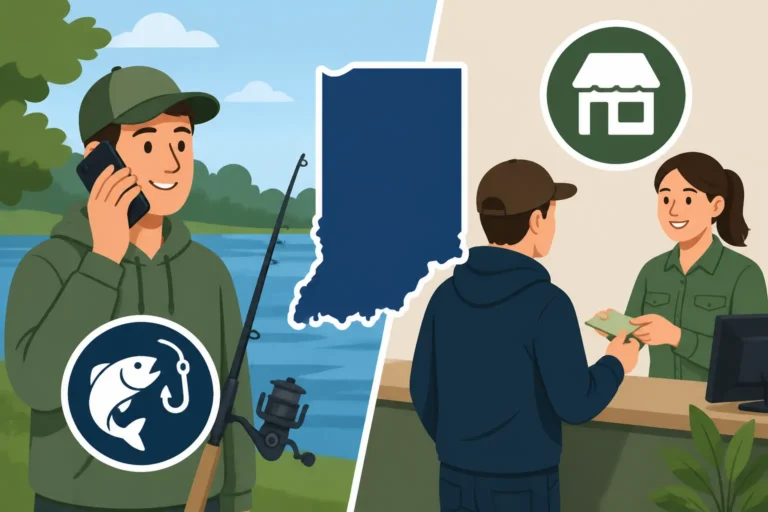
The process for purchasing your Indiana resident fishing license is simpler than ever, thanks to modern technology. The most convenient method for many anglers is to purchase it directly online through the Indiana Department of Natural Resources (DNR) website. This allows you to buy your license from the comfort of your home, print it out immediately, or keep a digital copy on your phone. It's a quick, secure way to get legal before your next fishing trip. For step-by-step guidance, check out Buying a Fishing License Online in Indiana.
If you prefer a more traditional approach, or need some new tackle anyway, you can also purchase your license in person at various authorized license vendors across the state. These include many bait and tackle shops, sporting goods stores, and even some larger retailers like Walmart. Just look for the signs indicating they are an official Indiana DNR license agent. While you can typically find fishing accessories and even some helpful gear reviews on platforms like Amazon, you’ll need to visit the official DNR site or an authorized retailer for the actual license purchase. Don't forget to have a valid Indiana driver's license or state ID handy, as it's often required for proof of residency.
License Year and Renewal Details
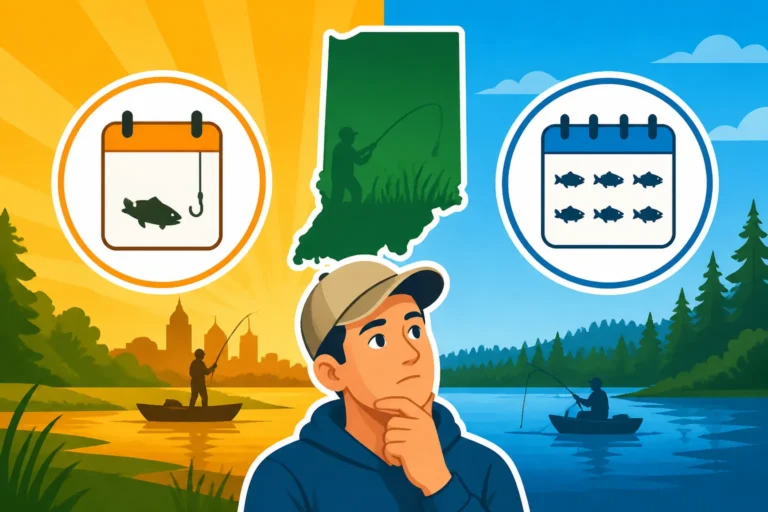
One common point of confusion for anglers is Indiana's fishing license year, which doesn't align with the calendar year. Instead, all annual Indiana fishing licenses run from April 1st through March 31st of the following year. This means that regardless of when you purchase your annual license, it will always expire on March 31st. So, if you buy your license in July, it will still expire the following March 31st, not the following July. This also means Indiana Anglers Need a New License Every April 1 if they want to continue fishing.
It’s easy to forget this unique timeline, especially if you only fish seasonally. Many anglers make it a habit to renew their license around the start of spring, coinciding with the beginning of the fishing season for many popular species. Fortunately, renewing your Indiana fishing license is just as easy as purchasing it initially, with online options available to streamline the process. You can find more details on Renewing an Indiana Fishing License Online. For those who are 65 and older, Indiana offers some fantastic senior options, including the annual senior license and the extremely popular Indiana Senior Fish-for-Life License Cost: $23 One-Time, which is a one-time purchase that covers you for life. Planning ahead for renewal ensures you're never caught off guard and can always hit the water legally when the mood strikes.
Indiana Resident Fishing License Coverage at a Glance
To quickly summarize what your Indiana resident fishing license does and doesn't cover, here's a helpful table. This will give you a clear overview of when you're good to go and when you might need that extra stamp.
| License Type | Cost (Resident) | Covers Freshwater Fish (Bass, Crappie, Catfish, Walleye, Pike) | Covers Trout & Salmon (Inland & Lake Michigan) | Valid in Lake Michigan (Indiana Waters) | Valid in Neighboring States | Requires Separate Stamp |
|---|---|---|---|---|---|---|
| Annual Resident Fishing License | ~$23 (current) | YES | NO | YES (but not T&S) | NO | YES (for Trout/Salmon) |
| Annual Resident Fishing License + Trout & Salmon Stamp | ~$34 (current) | YES | YES | YES | NO | NO |
| Senior Annual License (65+) | ~$3 (current) | YES | NO | YES (but not T&S) | NO | YES (for Trout/Salmon) |
| Senior Fish-for-Life License (65+) | ~$23 (current, one-time) | YES | NO | YES (but not T&S) | NO | YES (for Trout/Salmon) |
| Free Fishing Days | FREE | YES | NO (T&S stamp usually still required) | YES (but not T&S) | NO | YES (for Trout/Salmon) |
Note: Costs are approximate and subject to change by the Indiana DNR. Always check the official DNR website for the most current pricing and regulations.
Disclaimer
The information provided in this guide is for general informational purposes only and is subject to change. While we strive to provide accurate and up-to-date content, fishing regulations, license costs, and residency requirements can be updated by the Indiana Department of Natural Resources (DNR) at any time. It is always the angler's responsibility to consult the current Indiana Fishing Guide and the official Indiana DNR website before engaging in any fishing activities to ensure full compliance with all applicable laws and regulations.