Species You Won’t Find Outside Indiana’s Northwest Corner
It's easy to think of Indiana as primarily an "inland" fishing state, full of amazing reservoirs, rivers, and ponds teeming with bass, crappie, and catfish. And for the most part, you'd be right! But if you don't explore our state's far northwest corner, you're missing out on a truly unique angling experience that feels a world away from the rest of the Hoosier state. This guide is all about shedding light on those special fish species that you really won't find thriving anywhere else in Indiana, helping you understand what makes them so special and how you can target them.
Understanding Indiana's Northwest Corner Fishery
When we talk about Indiana's fishing scene, most folks picture serene lakes or winding rivers. But then there's the northwest corner, a place that absolutely flips that script. This area boasts a fishery that is distinct, vibrant, and utterly captivating, primarily because it's deeply tied to one of the world's greatest freshwater resources: Lake Michigan. It's an entirely different ballgame up there, offering opportunities that inland anglers can only dream of.
The Unique Influence of Lake Michigan
The sheer presence of Lake Michigan transforms the entire ecosystem of Indiana's northwest corner. Unlike our inland lakes and reservoirs, which are generally shallower, warmer, and often nutrient-rich, Lake Michigan is a massive, deep, and perpetually cold body of water. This unique environment creates the perfect conditions for a whole host of species that simply can't survive or thrive elsewhere in the state. Think of it as a freshwater ocean right on our doorstep!
The deep, cold waters of Lake Michigan are crucial. They provide the necessary habitat for cold-water species like salmon and various trout, which require consistent low temperatures and high oxygen levels throughout the year. Our inland waters, while fantastic for warm-water fish, just don't offer that kind of stable, chilly environment, especially during the long summer months. This thermal stratification, with layers of cold water remaining at depth, is what allows these incredible game fish to call Indiana home, at least in this one special region.
Geographic Boundaries and Key Locations
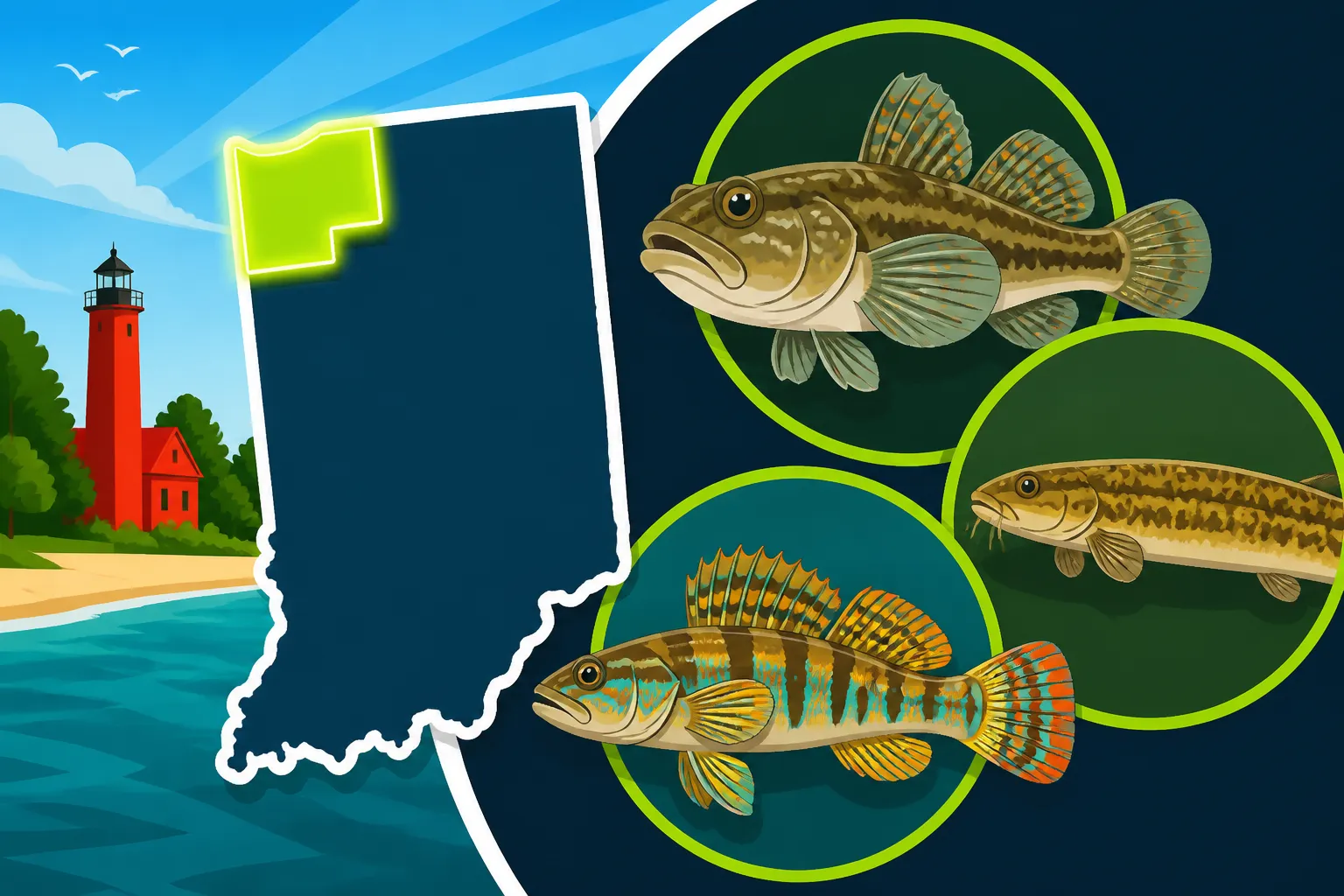
When we refer to "Indiana's Northwest Corner," we're primarily talking about the counties that directly border Lake Michigan: Lake, Porter, and LaPorte counties. This includes the extensive Indiana Dunes National Park coastline and the dynamic urban and industrial areas that hug the shore. While the lake itself is the star, the rivers and streams that flow into it are equally vital, especially during spawning runs.
Specific locations are key here. The shoreline itself, from Hammond to Michigan City, offers incredible access. Piers in places like Portage, East Chicago, and Michigan City are popular spots. But don't overlook the tributaries! Rivers like Trail Creek in Michigan City, the Little Calumet River, and Salt Creek become bustling hubs during the seasonal salmon and steelhead runs. These waterways act as crucial migration paths, drawing fish from the vastness of Lake Michigan into more accessible areas for shore and river anglers. Understanding these specific locales is the first step to unlocking the unique fishing experiences found only here.
Salmon and Trout: The Crown Jewels of the Northwest Corner
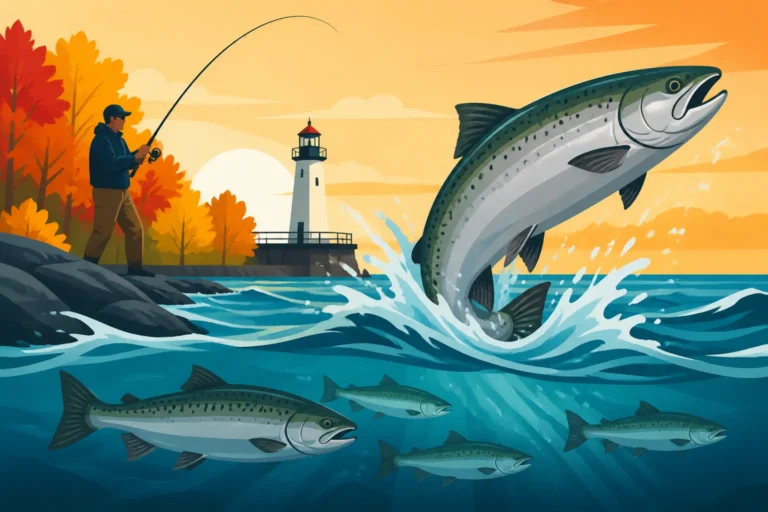
If there's one family of fish that truly defines the unique angling experience in Indiana's northwest corner, it's the salmon and trout. These are powerful, acrobatic fish that provide some of the most thrilling battles an angler can hope for. Their presence is a direct gift from Lake Michigan, making them species you absolutely won't find in self-sustaining, catchable populations anywhere else in Indiana.
Chinook Salmon: The King of Lake Michigan
The Chinook salmon, often called the "King Salmon," lives up to its regal name. These magnificent fish are the largest of the Pacific salmon species introduced into the Great Lakes, and they offer an unparalleled angling challenge. They spend most of their lives growing fat and powerful in the deep, cold waters of Lake Michigan, feeding on abundant alewives and other baitfish. When they decide to make their spawning run, usually in the late summer and fall, they are a sight to behold.
Targeting Chinook salmon is a serious affair, often requiring specialized gear for trolling in the open lake. Anglers might use downriggers and planer boards to present their lures at precise depths. But during the fall, as they stage near river mouths and eventually enter tributaries like Trail Creek, they become accessible to shore and pier anglers. Hooking into a 20-pound-plus Chinook is an unforgettable experience—they'll peel line off your reel like a freight train and make incredible jumps. If you want a shot at these giants, Indiana's Lake Michigan shoreline is your only play. For more on catching these giants, check out Chinook Salmon Fishing on Indiana's Lake Michigan Shore.
Coho Salmon: A Silver Flash
While not quite as large as their Chinook cousins, Coho salmon offer an incredibly exciting fishing experience, known for their aggressive strikes and acrobatic fights. They are often among the first salmon to arrive in significant numbers during the fall run, sometimes even making an appearance in late summer. Cohos typically range from 5 to 12 pounds, though larger specimens are certainly caught, and they possess a silvery sheen that makes them particularly beautiful fish.
Coho salmon share similar habits to Chinooks, spending their lives in Lake Michigan before returning to tributary streams to spawn. Anglers often find success targeting Cohos by trolling spoons or body baits in the open lake, especially in the upper water column. As the fall progresses, they move closer to shore and into the rivers, where casting spoons, spinners, or even drifting spawn sacs can be highly effective. They're a fantastic species for both boat and shore anglers to target, offering consistent action during their migratory periods. Learn more about their migration timing in Coho Salmon Run Timing in Indiana.
Steelhead (Rainbow Trout): River Runners
Steelhead are, quite simply, migratory rainbow trout. But don't let the "trout" part fool you; these fish are absolute warriors. Unlike rainbow trout that might be stocked in some of Indiana's inland ponds and lakes and live out their lives there, Great Lakes Steelhead spend years growing large and powerful in Lake Michigan before making epic spawning runs up the tributary rivers. They are renowned for their incredible strength, blistering runs, and spectacular aerial displays once hooked.
These magnificent fish typically begin their runs into rivers like Trail Creek and the Little Calumet in the fall, following the salmon, and then have another strong run in the spring. During these periods, river anglers use a variety of techniques, including drift fishing with spawn sacs, beads, or small jigs, and sometimes casting small spoons or spinners. It’s an immersive experience, often requiring wading and precise presentations. To learn more about targeting these incredible fish, read our Steelhead Fishing in Indiana: A Fall Run Guide.
Brown Trout: Elusive Lake Dwellers
Brown trout are famous for their elusiveness and their potential for massive size, making them a prized catch for many anglers. In Indiana, these magnificent fish are primarily found in Lake Michigan, preferring the cooler, deeper waters, especially around structure or near river mouths. While brown trout are stocked in some inland waters in Indiana, these are typically put-and-take fisheries. The wilder, larger, and truly challenging brown trout fishing is exclusively found in Lake Michigan and its immediate influence.
These fish are known for their beautiful spotted patterns, which can vary widely depending on their habitat and diet. They often stick to specific temperature zones and structure, making them a challenge to locate. Lake Michigan anglers typically target brown trout by trolling with spoons, crankbaits, or stickbaits, particularly during the cooler months of spring and fall when they may be found closer to shore. Shore anglers can also find success from piers or rocky points, especially in low light conditions, casting a variety of lures. Proper identification is key, and you can learn more about their unique markings in Brown Trout Identification: Spots and Coloring.
Lake Trout: Deepwater Giants
Among the diverse salmonid populations of Lake Michigan, the lake trout stands out as a true deepwater specialist. These ancient fish are native to the Great Lakes and represent a significant part of the ecosystem, thriving in the cold, dark depths that other species might only visit. Catching a lake trout from Indiana's waters is a testament to patience, proper technique, and having the right gear to plumb those significant depths.
Identifying Lake Trout in Indiana
Lake trout are distinctly different from their salmon and other trout cousins found in Lake Michigan. They possess a long, sleek body, often dark gray or green with pale spots, and a deeply forked tail. Unlike the migratory salmon and steelhead that make dramatic runs into rivers to spawn, lake trout primarily spawn on rocky shoals and reefs within the lake itself. They are slow-growing and can live for many years, reaching impressive sizes. A trophy lake trout can easily weigh over 20 pounds, and fish much larger have been pulled from Lake Michigan's depths.
Their preference for very cold water means they spend most of their lives in the deepest parts of the lake, especially during warmer months. This makes them a bit more challenging to access for the average angler, often requiring specialized boats and equipment. However, the reward of battling one of these powerful, deepwater giants is well worth the effort. They are a true symbol of the enduring power and unique biology of the Great Lakes.
Fishing Techniques for Deepwater Lake Trout
Given their preference for deep, cold water, fishing for lake trout requires specific strategies and gear. Anglers typically target them from boats, employing methods that allow lures to be presented at depths ranging from 50 to 200 feet or more. The most common technique is trolling with downriggers. These devices use heavy weights to send multiple fishing lines down to precise depths, allowing lures to run right through the feeding zones of lake trout.
Heavy tackle is often necessary to handle the large weights and to fight powerful fish from such depths. Long, stout rods, large capacity reels spooled with strong braided line, and heavy spoons or large crankbaits are standard. Fish finders become indispensable tools, helping locate structure, baitfish, and the lake trout themselves. While the initial investment in this type of gear might seem steep, many dedicated Lake Michigan anglers find that sourcing specialized items like deep-diving lures or heavy trolling weights can be done efficiently through online retailers like Amazon, offering a wide selection.
Yellow Perch: Lake Michigan's Beloved Panfish
While the salmon and trout get a lot of attention for their size and fight, another species holds a special place in the hearts (and fry pans) of many Northwest Indiana anglers: the yellow perch. These delicious panfish were historically a cornerstone of the Lake Michigan fishery, and while their populations have seen their ups and downs, they remain a highly sought-after species unique to this part of the state.
The Lake Michigan Perch Fishery
Yellow perch in Lake Michigan are typically larger and often more robust than their counterparts in inland Indiana lakes. They are schooling fish, which means when you find one, you're likely to find many! This schooling behavior makes them a favorite for both seasoned anglers and families, as the action can be fast and furious once a school is located. They prefer cooler, clearer waters and are often found near structure like drop-offs, reefs, or even piers and harbor walls.
The perch fishery has a deep cultural history in Northwest Indiana, with generations of anglers heading to the piers and harbors with buckets and minnows. While the dynamics of the fishery have changed over the years, the joy of catching a stringer of Lake Michigan perch remains a quintessential local experience. They are easily identifiable by their distinctive vertical bars and golden sides. To get better at spotting them, check out Yellow Perch Identification: Vertical Bars and Golden Sides.
Tactics for Catching Perch from Shore and Boat
Yellow perch are relatively easy to catch once you locate a school, making them fantastic for anglers of all skill levels. From shore, particularly on piers and breakwalls, a simple setup works wonders: a light to medium-light spinning rod, a small hook, and live bait like minnows, worms, or pieces of nightcrawler. Many anglers use a simple bottom rig or a small jig tipped with bait. The key is to fish near the bottom or just above it, where perch often cruise.
From a boat, locating perch schools using a fish finder is a game-changer. Once found, anglers can anchor up or drift over the school, using similar light tackle. Small spoons, hair jigs, or minnow-imitating lures can also be highly effective, especially when tipped with a small piece of live bait. The beauty of perch fishing is its accessibility; you don't need fancy gear. For beginners looking to get started, a basic light tackle combo and a variety of small hooks and weights can be easily found on platforms like Amazon, offering convenience and affordability. Patience, observing other successful anglers, and experimenting with depth are all part of the perch fishing fun.
Why These Species Don't Roam Inland
It's a fair question to ask why these incredible salmon and trout, along with the specific populations of yellow perch, are so localized to Indiana's northwest corner. The answer lies squarely in their specific environmental needs. Unlike the adaptable species that thrive throughout the state, these fish are finely tuned to a very particular set of conditions that only Lake Michigan provides.
Habitat Requirements: Cold, Deep Water
The primary reason salmon and trout don't establish self-sustaining populations in Indiana's inland waters is their absolute dependence on cold, deep, oxygen-rich water. Lake Michigan offers vast expanses of this critical habitat year-round. Our inland lakes, while beautiful and productive, tend to be shallower and warm up significantly during the summer months. These warmer temperatures, coupled with lower dissolved oxygen levels that can occur in deeper parts of smaller lakes, are simply intolerable for species like Chinook, Coho, Steelhead, and Lake Trout.
Furthermore, these species require specific conditions for spawning. Many are anadromous (or, in the case of Great Lakes salmonids, potamodromous, meaning they migrate from a large lake into rivers to spawn). They need clean, gravelly stream beds with good current and cool water to successfully lay and fertilize their eggs. While Indiana has many rivers, few offer the consistent cold water, natural flow, and gravel composition needed to support large, self-sustaining wild populations of these species beyond the immediate influence of Lake Michigan. Even if they were stocked inland, they wouldn't thrive or reproduce naturally.
The Great Lakes Connection
These species are intrinsically linked to the Great Lakes ecosystem. They are either native residents (like lake trout and yellow perch) or have been successfully introduced and managed within this massive freshwater system. While some individual trout (like rainbow or brown trout) are periodically stocked in various Indiana ponds and rivers for recreational put-and-take fishing, these are isolated populations and do not represent the migratory, self-sustaining fisheries found in the northwest corner.
The flow of water, the food web, and the migratory patterns of these fish are all governed by their connection to Lake Michigan. For example, when salmon and steelhead "run" up Indiana's tributaries, they are migrating from Lake Michigan, not from some distant inland lake. They return to the Great Lakes after their spawning efforts (or perish), completing a life cycle that is entirely dependent on this immense body of water. This unique dependency is why you'll only experience these specific, vibrant fisheries in Indiana's special northwest corner. It’s truly a different world of fishing up there! If you're curious about how this corner differs, take a look at Lake Michigan Fishing Regulations Are Different From the Rest of the State.
Preserving the Northwest Corner's Unique Fishery
Having such unique and robust fisheries in Indiana's northwest corner is a privilege, and it comes with the responsibility of protecting them. Anglers play a crucial role in ensuring these populations remain healthy and accessible for future generations. This isn't just about catching fish; it's about being good stewards of a truly special resource.
Understanding and Following Specific Regulations
Because the Lake Michigan fishery is so distinct, it's vital to remember that its rules and regulations often differ significantly from those for inland Indiana waters. There might be different size limits, bag limits, and even tackle restrictions for certain species or in certain areas (like specific river stretches during spawning runs). These regulations are designed to manage fish populations sustainably, allowing enough fish to reproduce and maintain a healthy ecosystem.
Before you cast a line, always, always check the current Indiana fishing regulations specific to Lake Michigan and its tributaries. These can change year to year based on population assessments and management goals. Ignorance of the rules is no excuse, and violating them can lead to fines and penalties. It's a small step that makes a huge difference in the long run. Don't take chances; make it a habit to look up the rules before heading out. We have a helpful guide that covers this, Check Lake Michigan Fishing Rules Before You Cast. You might also find Lake Michigan Fishing Rules for Indiana Anglers useful for more detailed information.
Supporting Conservation Efforts
The health of the Lake Michigan fishery is a result of ongoing conservation efforts by state and federal agencies, as well as dedicated angler groups. Stocking programs, habitat restoration projects, and research into fish populations all contribute to the vibrant fishing opportunities we enjoy today. As anglers, we have a vested interest in supporting these initiatives.
Responsible angling practices, such as proper catch-and-release techniques for fish you don't intend to keep, minimizing stress on fighting fish, and not wasting your catch, are all part of conservation. Buying your Indiana fishing license and any required stamps (like the Trout and Salmon Stamp, if you're targeting those species) directly supports the Indiana Department of Natural Resources (IDNR) and their efforts to manage and enhance our state's fisheries. By being informed, responsible, and engaged, you contribute to the continued prosperity of Indiana's incredible and unique northwest corner fishing opportunities.
| Species | Primary Habitat | Key Features | Best Fishing Time |
|---|---|---|---|
| Chinook Salmon | Deep Lake Michigan, Rivers (Fall) | Largest, powerful runs, acrobatic jumps | Late Summer – Fall (Spawning) |
| Coho Salmon | Lake Michigan, Rivers (Fall) | Aggressive strikes, strong fighters, silvery | Late Summer – Fall (Spawning) |
| Steelhead | Lake Michigan, Rivers (Fall/Spring) | Migratory Rainbow Trout, incredible speed & jumps | Fall & Spring (Spawning Runs) |
| Brown Trout | Lake Michigan | Elusive, large size potential, distinct spots | Cooler months (Spring/Fall) |
| Lake Trout | Deep Lake Michigan | Native, deep-dwelling, large, forked tail | Year-round (deepwater methods) |
| Yellow Perch | Nearshore Lake Michigan, Harbors | Schooling, delicious, distinctive vertical bars | Spring, Fall, Winter (Ice) |
Disclaimer
This article is for general informational purposes only and does not constitute professional advice. Laws, prices and regulations vary by location and change over time. Consult a qualified professional for guidance on your specific situation.