Growing Up Fast: Largemouth Bass Size Expectations in Indiana
It's incredibly exciting to hit the water, cast your line, and feel that satisfying tug, especially when you're hoping for a good-sized largemouth bass. But often, anglers in Indiana wonder, "How big can these fish really get here, and what influences their growth?" It can be frustrating to hear tales of giant bass from other states and not know what to realistically expect in your local waters. This guide aims to demystify the growth rates of largemouth bass in Indiana, exploring the factors that help them grow big and strong, and offering strategies to help you connect with those larger lunkers right here in the Hoosier State.
The Largemouth Bass Life Cycle and Growth Stages in Indiana
Understanding the journey of a largemouth bass from a tiny fry to a formidable predator helps us appreciate the factors that contribute to its size. Their early life is a race against time and circumstance, where growth is incredibly rapid but survival is often a challenge. As they mature, other elements come into play, shaping their ultimate potential.
From Fry to Fingerling: The Early Days
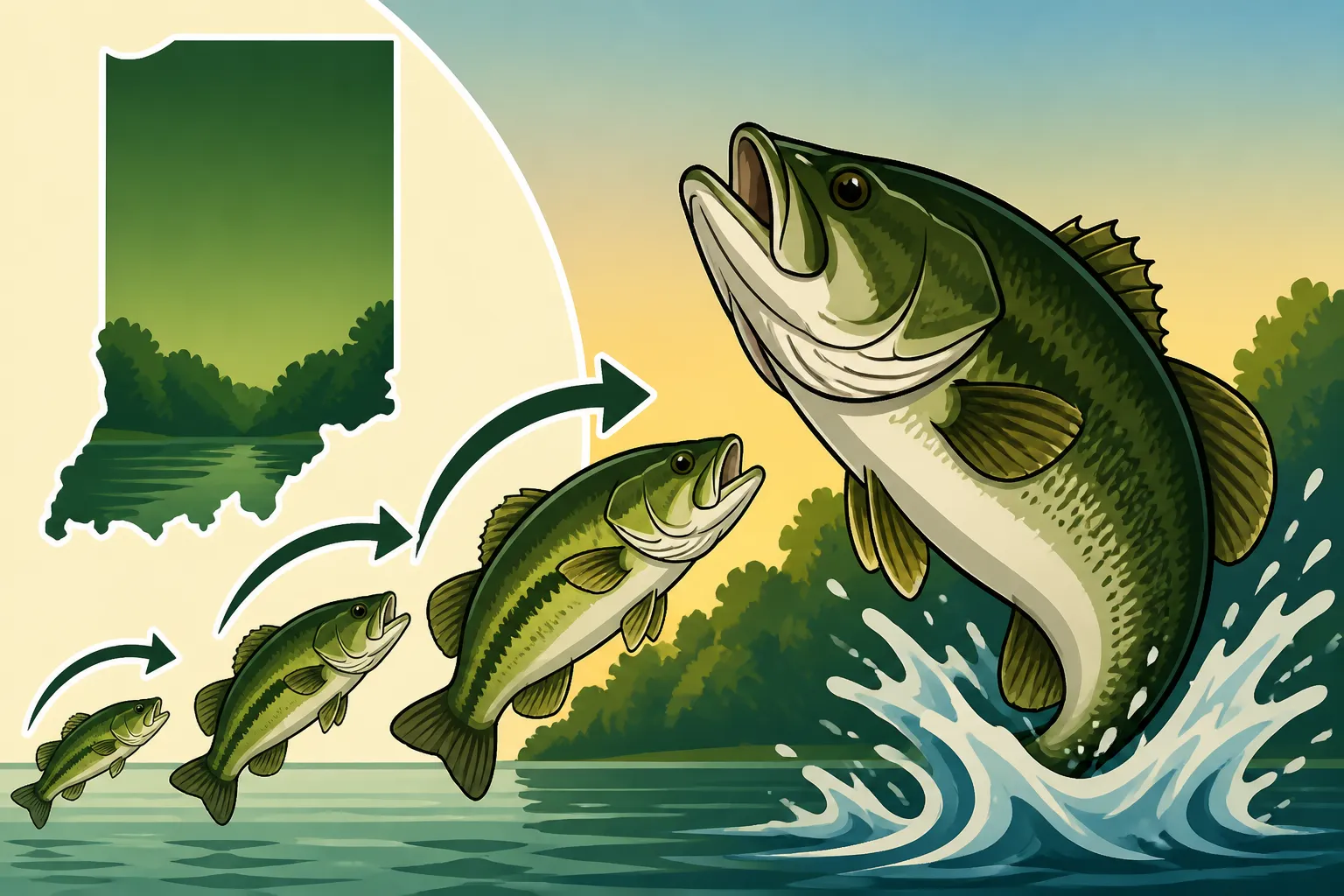
When largemouth bass first hatch, they are incredibly small, often less than a quarter-inch long. These tiny fry, barely visible, are highly vulnerable. Their primary goal is to eat constantly and grow as quickly as possible to avoid being prey for larger fish, birds, or even insects. They feed on zooplankton and other microscopic organisms, growing at an astonishing rate if food is abundant and water conditions are favorable.
Within a few weeks to a couple of months, these fry transition into what we call fingerlings, typically reaching a few inches in length. This stage is crucial. Lakes and ponds with ample shallow, weedy cover offer protection from predators and a rich nursery of invertebrates for them to consume. A healthy, diverse aquatic environment means more food and more hiding spots, directly contributing to a higher survival rate and faster initial growth for these young bass. If a body of water lacks this kind of protective environment or sufficient food, the growth of these young fish will be stunted, or they simply won't survive.
Juvenile to Adult: Hitting Their Stride
Once largemouth bass reach the juvenile stage, usually around 4-6 inches, their diet shifts dramatically. They move from microscopic organisms and tiny invertebrates to small fish, crayfish, and larger insects. This is where the real growth potential begins to show. A juvenile bass with a steady supply of protein-rich meals can pack on weight and length rapidly. In well-managed Indiana ponds and lakes, it's not uncommon for a bass to reach 8-10 inches within its first year, especially if it hatched early in the season and had a long growing period.
As they mature into adults, typically starting around 10-12 inches, their growth rate might slow somewhat compared to their explosive juvenile phase, but they continue to gain size, particularly weight. At this point, the individual's genetic predisposition for size, combined with the abundance of large forage, truly determines how big it will ultimately become. A bass that survives multiple seasons, learns to hunt effectively, and lives in a fertile environment has the best chance of reaching trophy dimensions. You can learn more about their identification and diet in What Does a Largemouth Bass Look Like? and Best Bait for Largemouth Bass in Indiana Lakes.
Key Factors Influencing Largemouth Bass Size in Hoosier Waters
The size a largemouth bass ultimately reaches isn't just a matter of age; it's a complex interplay of environmental conditions, genetics, and even human influence. In Indiana, these factors vary widely from the deep glacial lakes of the north to the sprawling reservoirs of the south, leading to different growth patterns across the state.
Food Availability and Forage Base
Perhaps the most critical factor dictating a bass's size is the availability of food. Just like us, bass need a consistent, high-quality diet to grow large and healthy. In Indiana, the ideal forage base consists of abundant populations of baitfish such as gizzard shad, emerald shiners, and various species of sunfish like bluegill and crappie. Crayfish are also a prime food source, packed with protein and a favorite meal for bigger bass.
Lakes and reservoirs with thriving populations of these prey species, often referred to as a rich "forage base," consistently produce larger bass. For example, some of Indiana's larger reservoirs, like Monroe Lake or Patoka Lake, are known for their strong shad populations, which directly translates to excellent growth rates for their bass. Conversely, a small, overpopulated pond with limited food resources will likely have a high number of stunted bass, even if they are several years old. Anglers looking to catch bigger bass will often seek out waters known for their healthy forage.
Water Quality and Habitat
Beyond food, the overall health of the aquatic environment plays a profound role. Good water quality means stable oxygen levels, appropriate pH, and minimal pollution, all of which reduce stress on fish and allow them to allocate more energy to growth. A robust habitat, featuring a variety of underwater structures and cover, is equally vital. This includes dense beds of submerged vegetation (which provide ambush points and shelter for baitfish), fallen timber, rock piles, and old creek channels.
Healthy vegetation, for instance, not only offers cover for juvenile bass but also supports a thriving insect and invertebrate population that forms the base of the food chain. Deeper water, especially in reservoirs, provides thermal refuges during hot summer months, allowing larger bass to stay comfortable and active. Lakes that boast diverse and intact habitats, offering both feeding grounds and sanctuary, are much more likely to support a healthy population of sizable largemouth bass. To find some of these prime locations, check out guides like Best Fishing Spots in Indiana.
Genetics and Angler Pressure
While environmental factors are paramount, genetics also play a role, albeit a less controllable one for the average angler. Some bass simply have the genetic predisposition to grow larger and faster than others. This is often observed in certain strains of bass that are known for their trophy potential. However, even with great genetics, without ample food and optimal habitat, that potential will never be fully realized.
Angler pressure, surprisingly, can also influence the average size of bass in a given body of water. In lakes and ponds that experience heavy fishing pressure and high harvest rates, it's possible for the population to lean towards smaller fish. If larger, faster-growing bass are consistently removed, the gene pool for "trophy" size may diminish over time. Conversely, in waters where catch-and-release is widely practiced, especially for larger fish, bass have a greater chance to live longer, grow bigger, and pass on those desirable growth genes to future generations. This is why understanding Indiana Fishing Regulations and Bag Limits Guide is crucial, as they are designed to protect and enhance fish populations.
Average vs. Trophy: What to Expect in Indiana
The term "big bass" means different things to different anglers. For some, a 3-pounder is a fantastic catch, while others are perpetually chasing that elusive double-digit lunker. In Indiana, knowing what to realistically expect can help shape your fishing goals and strategies.
Typical Largemouth Bass Sizes Across Indiana
For many anglers across Indiana, a "good" largemouth bass typically falls into the 1-3 pound range, often measuring between 12 and 18 inches. These are healthy, actively feeding fish that provide excellent sport on standard tackle. You'll find bass of this size in almost any fishable water body in the state, from small farm ponds to large reservoirs and natural lakes.
However, the average size can vary regionally. Southern Indiana's larger reservoirs, with their extensive shad populations and warmer growing seasons, often yield a higher percentage of bass in the 2-4 pound range, and 5-pounders are not uncommon. Up in the northern glacial lakes, while they might not produce as many giants, a solid 2-pound bass is still a great catch, and the occasional 4-pounder will turn heads. This table offers a general idea of what to expect for largemouth bass growth in Indiana under good conditions:
| Age (Years) | Typical Length (Inches) | Typical Weight (Pounds) | Notes |
|---|---|---|---|
| 1 | 8 – 12 | 0.5 – 1.5 | Rapid initial growth, depends heavily on forage and growing season. |
| 2 | 12 – 15 | 1.5 – 2.5 | Reaching "keeper" size, becoming more aggressive predators. |
| 3 | 14 – 18 | 2.5 – 4 | Strong, healthy adults, often found guarding beds or hunting aggressively. |
| 4+ | 17 – 22+ | 4 – 8+ | True "lunkers," often residing in prime, unpressured habitats. |
Remember, these are general expectations, and individual fish can grow faster or slower depending on the specific lake and conditions. You can delve deeper into How Big Do Largemouth Bass Get in Indiana? for more insights.
Chasing the Indiana Largemouth Bass Records
For the truly dedicated angler, the pursuit of a "trophy" largemouth bass—typically defined as anything over 5 pounds—is a lifelong quest. A 5-pound bass is an exceptional fish in most Indiana waters, representing significant age and favorable growing conditions. Double-digit bass, while rare, do exist in the state, with the state record currently sitting at an impressive 14 pounds, 12 ounces. These colossal fish are the stuff of legends and require a unique combination of luck, skill, and persistent effort in very specific locations.
Lakes like Monroe, Patoka, and some of the larger natural lakes in northern Indiana consistently produce bass in the 5-8 pound range, offering the best chance to land a true lunker. To target these giants, you often need to commit to larger baits, heavier tackle, and long hours on the water. It's a game of patience and strategy, often waiting for that one big bite. Many anglers dedicate themselves to understanding the specific habits of these larger fish in their chosen waters. For insights into where these monsters might reside, you might want to explore articles like Indiana's Best Lakes for Trophy Largemouth Bass.
Strategies for Targeting Larger Bass in Indiana
If your goal is to consistently put bigger largemouth bass in your net, you'll need to adapt your approach. It's not just about fishing harder; it's about fishing smarter, understanding the bass's seasonal movements, and using the right tools for the job.
Understanding Seasonal Patterns and Water Temperatures
Big bass are often creatures of habit, their behavior dictated by the changing seasons and, more specifically, by water temperature. As a veteran angler, I can tell you that ignoring the thermometer is like ignoring the weather report—it just doesn't make sense!
- Pre-Spawn (Spring): This is often the prime time for targeting big bass. As water temperatures climb into the 50s and low 60s (Fahrenheit), female bass gorge themselves, packing on weight before they move to shallow spawning beds. They're aggressive and vulnerable. Focus on transition areas where bass move from deep wintering holes to shallow spawning flats. You can learn more about this crucial period in Indiana Bass Spawn Timing and Pre-Spawn Patterns.
- Spawn (Late Spring): Once water temps reach the mid-60s, bass are on their beds. While you can catch them, it's often best to leave them undisturbed to ensure a successful spawn for future generations.
- Post-Spawn (Early Summer): After the spawn, bass are often exhausted and scattered. They'll recuperate in nearby cover, often slightly deeper than the beds, and then start feeding aggressively again to regain strength.
- Summer: During the heat of summer, especially when water temperatures climb into the 80s, big bass often move to deeper, cooler water. Look for them around offshore humps, deep points, and submerged timber. Early morning, late evening, and night fishing can be highly effective. Best Water Temperature for Bass Fishing in Indiana offers valuable context here.
- Fall: As water temperatures drop, bass embark on a "fall feeding frenzy" to bulk up for winter. They often chase schools of baitfish into shallower coves and creek arms, making them highly catchable. This is another excellent time to target quality fish.
By paying attention to these patterns, you can anticipate where big bass will be and what they'll be willing to eat.
Selecting the Right Gear and Techniques
To catch larger bass, you often need to upgrade your arsenal. While a small bluegill rig might get a bite, it won't reliably land a 5-pound lunker.
- Rods and Reels: Opt for medium-heavy to heavy action rods, typically 6'6" to 7'6" in length. These provide the backbone needed to cast larger baits and effectively fight big fish, pulling them out of heavy cover. Pair these with baitcasting reels spooled with stout line – 15-20 lb fluorocarbon or monofilament, or even heavier braided line (30-50 lb) for punching through thick mats. Finding a quality setup is easier than ever, with many reputable brands available through retailers like Amazon.
- Baits and Lures: Large bass prefer larger meals. Ditch the tiny panfish jigs and reach for bigger presentations.
- Jigs: Heavy football jigs or flipping jigs, tipped with a bulky trailer, are deadly around structure.
- Crankbaits: Deep-diving crankbaits that mimic shad or crayfish can tempt bass holding in deeper water.
- Swim Baits: Large paddle-tail swimbaits or multi-jointed swimbaits are excellent imitations of big baitfish and can draw savage strikes from trophy bass.
- Topwater: In low-light conditions, large walking baits or hollow-body frogs can be irresistible.
- Spinnerbaits: Bigger blade combinations and heavier weights work well for covering water and triggering reaction strikes.
- For specific recommendations, consider reading articles like Best Lures for Summer Fishing and Best Bait for Spring Bass Fishing. When you're ready to stock up, sites like Amazon offer a massive selection to choose from, often with helpful reviews from other anglers.
Locating Prime Big Bass Habitats
Big bass are survivors, and they didn't get big by being easy targets. They often inhabit specific areas that offer a combination of food, cover, and favorable environmental conditions.
- Structure and Cover: Look for changes in depth (drop-offs, humps, ledges), submerged timber (brush piles, standing trees), rock piles, and points that extend into deeper water. These are classic ambush points where a large bass can hide and wait for prey.
- Weed Lines: Healthy, green weed lines, especially those with deeper edges, are magnets for big bass. They provide cover, oxygen, and attract baitfish.
- Shallow Spawning Areas: During the pre-spawn and early post-spawn, big bass will be found near shallow, protected coves and flats, often with a hard bottom, where they prepare to spawn or recover afterward.
- Inflow and Outflow: Areas where creeks or rivers feed into a lake, or where water exits, can create current breaks and deliver fresh nutrients, attracting both baitfish and the bass that feed on them.
- Remote Coves: Sometimes, the best spots for big fish are the ones that are harder to reach or get less pressure. Exploring less accessible areas, like Remote Coves on Monroe Lake Away From the Crowds, can often pay off with bigger catches. A quality fish finder, which you can easily research and purchase on Amazon, can be an invaluable tool for locating these hidden big bass habitats.
Conservation and Ethical Angling for Indiana's Largemouth Bass
As passionate as we are about catching big bass, it's equally important to consider the long-term health of our fisheries. Practicing responsible angling ensures that future generations of Hoosier anglers can also experience the thrill of a hard-fighting largemouth.
Practicing Catch and Release Effectively
If your primary goal is to target trophy bass, then catch and release should be your mantra, especially for the larger, older fish. These bigger bass are often the best spawners, contributing significantly to the lake's population health. However, simply tossing a fish back isn't enough; proper handling is critical to ensure its survival.
When you land a large bass, try to minimize the time it spends out of the water. Handle it gently, supporting its body horizontally rather than vertically by the jaw, which can damage its internal organs or jaw structure. Use a wet hand or a rubberized landing net to protect its slime coat. If possible, use needle-nose pliers to quickly remove the hook. Barbless hooks can also make removal much easier and less traumatic for the fish. Once hooked, don't play the fish to exhaustion. Get it to the boat or shore as quickly as possible, unhook it, and release it gently, allowing it time to recover before swimming off. This careful approach helps ensure that fish can grow even larger and continue to contribute to the fishery.
Understanding Regulations and Bag Limits
Indiana's fishing regulations and bag limits are not arbitrary; they are carefully designed by fisheries biologists to manage fish populations, protect spawning stock, and ensure sustainable fishing for everyone. For largemouth bass, Indiana typically has a statewide daily bag limit and minimum length restrictions, though these can vary by specific lake or river.
It's absolutely essential to be familiar with the current Indiana Fishing Regulations and Bag Limits Guide before you head out. These regulations might specify a maximum number of fish you can keep in a day (the "bag limit") and a minimum length for any fish you intend to harvest. For instance, Indiana's Statewide Bass Daily Bag Limit usually restricts the number of bass you can keep to encourage conservation. By adhering to these rules, you're doing your part to maintain a healthy bass fishery. Remember, regulations can change, so always check the latest guide from the Indiana Department of Natural Resources (DNR) to ensure you're fishing legally and responsibly.
Disclaimer
This article is for general informational purposes only and does not constitute professional advice. Laws, prices and regulations vary by location and change over time. Consult a qualified professional for guidance on your specific situation.