Is Grass Carp Good to Eat?
Many Indiana anglers find themselves in a bit of a quandary when they reel in a grass carp. There's a persistent rumor floating around that carp, in general, aren't good table fare – often branded as "rough fish" or "muddy." But when it comes to the grass carp, specifically, a lot of folks wonder if that's really true, or if they're missing out on a perfectly good meal. It's a valid question, especially when you're looking for sustainable, fresh protein right from our local waters. This guide is here to cut through the hearsay and give you the real scoop on whether grass carp is good to eat, how to prepare it, and what to expect from your catch.
The Verdict: Is Grass Carp Really Good to Eat?
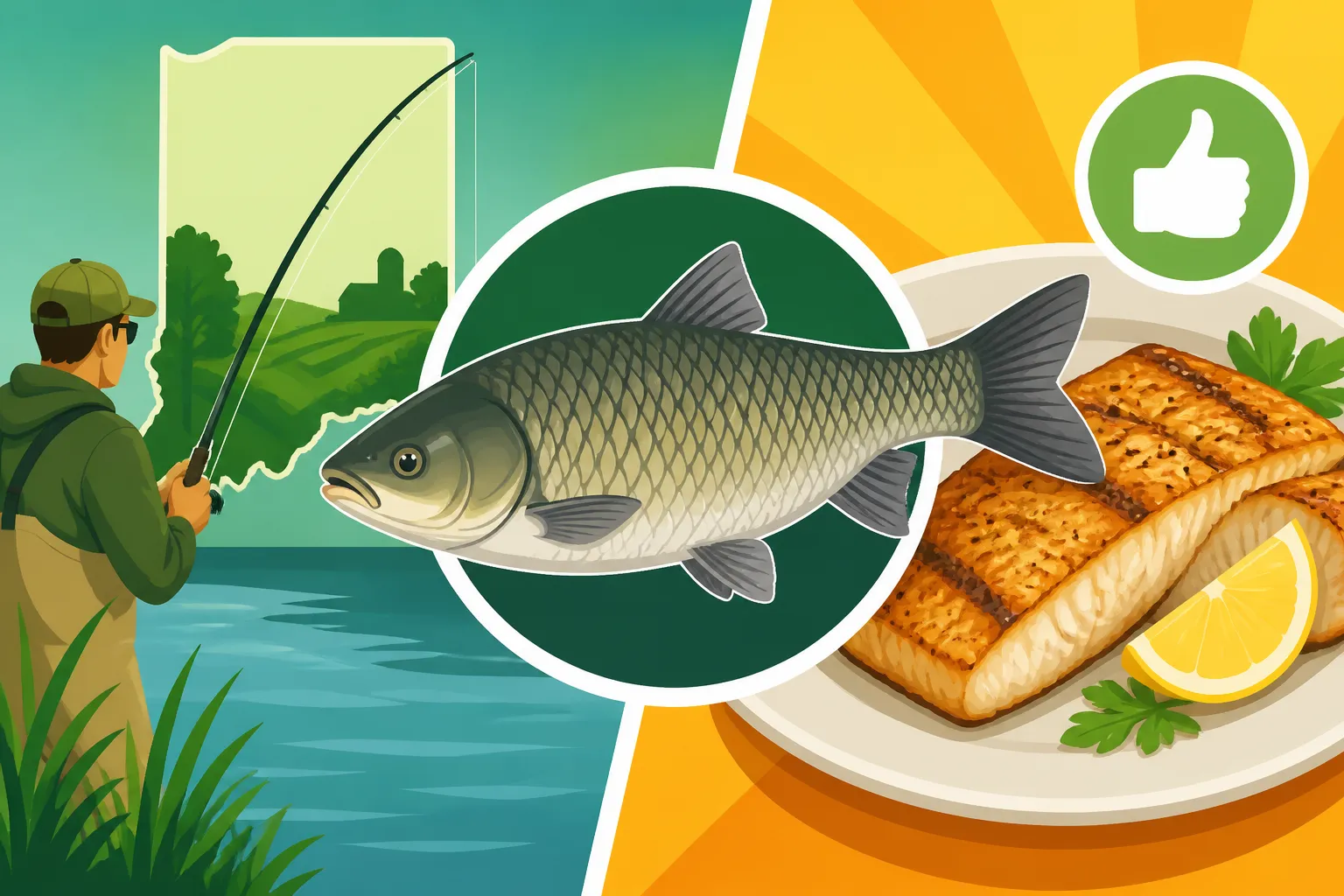
Let's get straight to it: Yes, grass carp can absolutely be good to eat! The perception that all carp are undesirable for the dinner table often stems from experiences with common carp, which can sometimes have a softer, fattier, or more "muddy" taste, especially if caught from murky waters. However, grass carp, or Ctenopharyngodon idella, are a different breed with distinct dietary habits that directly influence their flavor and flesh quality.
Grass carp are primarily herbivorous, meaning their diet consists almost entirely of aquatic vegetation. This plant-based diet gives them a much cleaner, milder flavor compared to their omnivorous cousins. Their flesh is typically white, firm, and flaky, with a taste that many compare to tilapia or cod. It's a far cry from the "muddy" reputation often unfairly assigned to the entire carp family. So, if you've been hesitant to try it, it's time to reconsider and give this often-overlooked fish a chance.
Taste and Texture Profile: What to Expect
When properly prepared, grass carp offers a delightful eating experience. The flesh is lean and white, with a firm texture that holds up well to various cooking methods. It's not overly oily or greasy, which contributes to its mild flavor. You won't find the strong, sometimes earthy taste associated with common carp, making it a versatile ingredient for many dishes.
Think of it this way: a fish's diet is often reflected in its flavor. Since grass carp graze on plants, their meat tends to be clean and light. It's truly a blank canvas for your culinary creations, readily absorbing the flavors of marinades, seasonings, and cooking liquids. This makes it an excellent choice for those who might be wary of "fishy" tastes. Many anglers who have tried it are pleasantly surprised, often remarking that it tastes like a completely different species than what they originally imagined.
Overcoming Common Misconceptions About Carp
The biggest hurdle for many anglers and home cooks is the general stigma against carp. It's true that some bottom-feeding fish can accumulate undesirable flavors from their environment. However, grass carp don't primarily root around in the mud like common carp or certain catfish. While they will forage closer to the bottom, their main food source is vegetation higher in the water column or along the edges.
Another common concern is the presence of bones, specifically the "Y-bones" found in many carp species. While grass carp do have these intermuscular bones, they are typically larger and easier to remove from the firmer flesh than in common carp. With a bit of practice and the right filleting technique, these bones can be managed or even removed entirely. Don't let the fear of bones deter you; countless delicious fish have small bones that are easily navigated or cooked around.
Identifying Your Catch: What is a Grass Carp?
Before you start planning your dinner, it's absolutely crucial to correctly identify your catch. Not all carp are created equal, and mistaking a grass carp for another species might lead to a different culinary experience, or worse, issues with local regulations. Indiana Fish Identification: A Quick Reference Guide can be a great resource for anglers looking to hone their ID skills.
Grass carp were introduced to many Indiana waters (and other states) primarily for aquatic weed control, so it's not uncommon to encounter them. They are generally welcome by those managing ponds and lakes, as they help keep overgrown vegetation in check. Knowing what you've caught ensures you're getting the clean-eating experience you're looking for, and that you're adhering to any specific regulations regarding their harvest.
Key Identification Features of Grass Carp
Distinguishing a grass carp from other carp species is relatively straightforward once you know what to look for. Here are some key characteristics:
- Body Shape: Grass carp have a long, torpedo-shaped body, which is more slender and elongated than the common carp's deeper, heavier body.
- Coloration: Their color is typically silvery-green to brownish-gold on the back, fading to a lighter, silvery belly. They lack the dark blotches or spots often seen on common carp.
- Scales: Their scales are large and prominent, but unlike common carp, they do not have the barbels (whisker-like appendages) around their mouth.
- Mouth: The mouth of a grass carp is terminally located (at the very front of the head) and lacks the distinctive fleshy lips of common carp, which are adapted for bottom feeding.
- Fins: All their fins are typically grayish or slightly dusky.
A quick visual check for barbels is often the easiest way to differentiate them. If it has whiskers, it's likely a common carp. If it's sleek, silver, and whisker-free, you've probably got a grass carp! For a detailed understanding of their role in our ecosystem, you might find Why Grass Carp Are Stocked in Local Ponds an interesting read.
Grass Carp in Indiana Waters
Grass carp are considered an invasive species in many parts of the United States, but sterile triploid grass carp are often stocked strategically in Indiana ponds and lakes to control nuisance aquatic vegetation. This means you might find them in smaller private ponds, urban fishing lakes, and even some larger reservoirs. Because of their invasive potential, strict rules usually apply to their transport and release, so always check local regulations before moving any fish you catch.
When fishing for them, they can be a bit challenging but rewarding. They are often caught on various plant-based baits or even artificial lures designed to imitate vegetation. You can often find them cruising near weed beds, making for exciting sight-fishing opportunities. Remember, always check Indiana Fishing Regulations and Bag Limits Guide to ensure you're compliant with all rules regarding your catch, including any special conditions for grass carp.
Preparing Your Grass Carp for the Table
So, you've identified your grass carp, and you're ready to turn it into a delicious meal. The preparation process is key to maximizing its flavor and making it enjoyable. Don't let the thought of bones intimidate you; with a good knife and a bit of patience, you'll be filleting like a pro.
One important tip before you even start filleting: keep your fish on ice immediately after catching it. This helps preserve the quality of the flesh and ensures the best flavor. A quality cooler, perhaps one you picked up from Amazon, filled with ice will do the trick. The colder you keep your catch, the firmer the meat will be, which actually makes the filleting process easier.
Cleaning and Filleting Tips
Cleaning a grass carp is similar to cleaning other large freshwater fish, but with a few nuances, especially regarding those Y-bones.
- Scale Removal: Start by scaling the fish. You can use a fish scaler, the back of a knife, or even a spoon. Work against the grain of the scales under cold running water.
- Gutting: Make an incision along the belly from the anal vent to the gills. Carefully remove all internal organs, making sure to scrape out the kidney line along the backbone for a cleaner taste. Rinse the cavity thoroughly.
- Filleting: This is where the Y-bones come in. You can fillet a grass carp in a couple of ways:
- Standard Fillet with Y-bone Removal: Lay the fish on its side and cut behind the gill plate down to the backbone. Turn the knife flat and run it along the backbone towards the tail, separating the fillet. Once you have the main fillet, you'll notice the Y-bones running through the upper portion. You can carefully cut around these, or if you're skilled, make two parallel cuts to remove the entire section containing the bones. Many anglers find a dedicated Best Fillet Knives for Cleaning Your Catch from brands available on Amazon makes this job much easier.
- Steaks: Some prefer to cut larger grass carp into steaks. After gutting, simply cut cross-sections, about 1-inch thick, across the fish. The Y-bones will be present in these steaks, but they are often large enough to be easily picked out while eating. This method is often quicker and leaves more meat on the fish.
- Skinning: The skin of a grass carp can be tough and might impart a stronger flavor, so many people choose to remove it. Lay the fillet skin-side down, make a small cut at the tail end, grip the skin firmly, and slide your knife between the skin and the flesh at a shallow angle.
Practicing a few times will make you much more efficient at removing those bones. Don't be discouraged if your first attempt isn't perfect!
Popular Cooking Methods and Recipes
Once you have those beautiful, white fillets or steaks, the culinary possibilities are endless! The mild flavor of grass carp makes it incredibly versatile.
- Frying: This is a classic for a reason. Cut your fillets into manageable pieces, dip them in an egg wash, then dredge them in seasoned cornmeal or flour mix. Fry in hot oil until golden brown and flaky. This method creates a crispy exterior and a tender interior, perfect for fish tacos or a simple fish fry.
- Baking/Roasting: Place fillets on a baking sheet, season with lemon, garlic, herbs (dill, parsley), salt, and pepper. You can also add a pat of butter or a drizzle of olive oil. Bake at 375°F (190°C) until the fish flakes easily with a fork, usually 15-20 minutes depending on thickness. This is a healthier option that lets the natural flavor of the fish shine.
- Grilling: Marinate grass carp fillets in your favorite marinade (teriyaki, lemon-herb, or a spicy blend) for at least 30 minutes. Grill over medium-high heat until cooked through. The firm flesh holds up well on the grill, preventing it from falling apart. Consider using a fish basket you might find on Amazon to make flipping easier.
- Smoking: For those who love smoked fish, grass carp takes to it beautifully. Brine the fillets overnight, then smoke them low and slow with your favorite wood chips (hickory, apple, or alder work well) until cooked and imbued with smoky flavor. This results in a truly unique and delicious treat.
- Fish Cakes/Patties: If you have smaller, bonier pieces, or just want a different presentation, cooked grass carp flakes easily. Mix with mashed potatoes, herbs, breadcrumbs, and an egg, then form into patties and pan-fry until golden. This is also a great way to use up any smaller bits of meat left after filleting.
Many anglers compare it to the texture and versatility of a freshwater drum or even some species of cod. It truly can be a delightful addition to your dinner rotation.
Maximizing Flavor: Tips for a Delicious Meal
Even with a fish as naturally mild as grass carp, a few extra steps can elevate your meal from good to outstanding. These tips help ensure the best possible flavor and texture, addressing any lingering concerns about freshwater fish.
Think about how you prepare other freshwater catches like Is Largemouth Bass Good to Eat? or Is Walleye Good to Eat?. Many of the same principles apply to ensure the best possible taste. It all comes down to careful handling and thoughtful seasoning.
Soaking and Seasoning for Optimal Taste
While grass carp generally doesn't have a strong "fishy" or "muddy" taste, some anglers prefer to take extra precautions, especially if the fish came from a warmer or less pristine body of water.
- Milk or Brine Soak: A common trick for many freshwater fish is to soak the fillets in milk or a mild saltwater brine (about 1 tablespoon of salt per quart of water) for 30 minutes to an hour in the refrigerator. The milk is believed to draw out any residual "muddy" flavors, while the brine can help firm up the flesh and season it slightly from the inside. Just remember to pat the fish dry thoroughly before cooking to ensure proper searing or crisping.
- Acidic Marinades: Lemon juice, lime juice, or vinegar-based marinades are excellent for grass carp. The acidity helps tenderize the meat slightly and brightens the flavor. Even a simple squeeze of lemon juice before cooking can make a big difference. Combine acid with herbs, garlic, and a touch of oil for a fantastic pre-cook flavor boost.
- Bold Seasoning: Don't be shy with your seasonings! Because grass carp has a mild flavor, it can stand up to a variety of spices. Cajun seasoning, lemon-pepper blends, dill, paprika, garlic powder, and onion powder are all great choices. Experiment to find your favorite combinations. Consider a variety pack of seasonings from Amazon to expand your culinary toolkit.
Pairing and Serving Suggestions
The versatility of grass carp means it pairs well with a wide range of sides and accompaniments.
- Classic Comfort: For a fried grass carp meal, think classic American sides: coleslaw, french fries, hushpuppies, and a generous squeeze of tartar sauce or hot sauce.
- Fresh & Zesty: For baked or grilled fillets, consider lighter, fresher options. A vibrant salad with a vinaigrette dressing, steamed asparagus, roasted vegetables (like bell peppers and zucchini), or a rice pilaf would be excellent. A squeeze of fresh citrus over the finished dish is always a good idea.
- Asian Inspired: Given its clean flavor, grass carp can be fantastic in Asian-inspired dishes. Think stir-fries with plenty of fresh ginger, garlic, soy sauce, and sesame oil, served over jasmine rice. It could also work well in a simple fish curry.
- Tacos & Sandwiches: Flaked, seasoned grass carp makes for incredible fish tacos with a vibrant slaw and a creamy sauce. It's also delicious in fish sandwiches, served on a toasted bun with lettuce, tomato, and your favorite condiments.
Here's a quick comparison of various cooking methods for grass carp:
| Cooking Method | Flavor Profile | Texture | Preparation Complexity | Best for |
|---|---|---|---|---|
| Frying | Crispy, savory | Flaky, tender | Medium | Quick meals, classic fish fry |
| Baking/Roasting | Mild, allows seasoning | Moist, flaky | Easy | Healthy options, meal prep |
| Grilling | Smoky, robust | Firm, holds shape | Medium | Outdoor cooking, marinades |
| Smoking | Deeply smoky, rich | Firm, somewhat dry | High | Unique flavor, preserving fish |
| Steaming | Delicate, pure fish | Very moist, tender | Easy | Light meals, showcasing natural flavor |
Ultimately, whether you catch it yourself in Indiana's waters or source it elsewhere, grass carp offers a delicious and often overlooked opportunity for a fantastic meal. Don't let old wives' tales deter you from trying this excellent freshwater fish!
Disclaimer
This article is for general informational purposes only and does not constitute professional advice. Laws, prices and regulations vary by location and change over time. Consult a qualified professional for guidance on your specific situation.