Remote Coves on Monroe Lake Away From the Crowds
There’s nothing quite as frustrating as heading out to your favorite fishing spot on a beautiful Indiana morning, only to find it packed with other anglers, jet skis, and recreational boaters. That dream of a peaceful day on the water, just you and the fish, can quickly disappear in a cacophony of engines and chatter. If you’re yearning for those serene moments, away from the crowds, where the only sounds are the dip of your paddle and the splash of a rising fish, then Monroe Lake’s remote coves are calling your name. This guide will walk you through how to discover and successfully fish these hidden havens, offering the tranquility and untouched fishing opportunities you crave.
Why Seek Out Remote Coves on Monroe Lake?
Monroe Lake is Indiana's largest inland lake, a sprawling body of water in southern Indiana that attracts countless visitors each year. While its size offers plenty of room, many popular spots, especially near boat ramps and developed recreation areas, can get incredibly busy. That’s where the magic of its remote coves comes into play. They offer a completely different experience for the angler willing to put in a little effort.
Escaping the Weekend Warriors
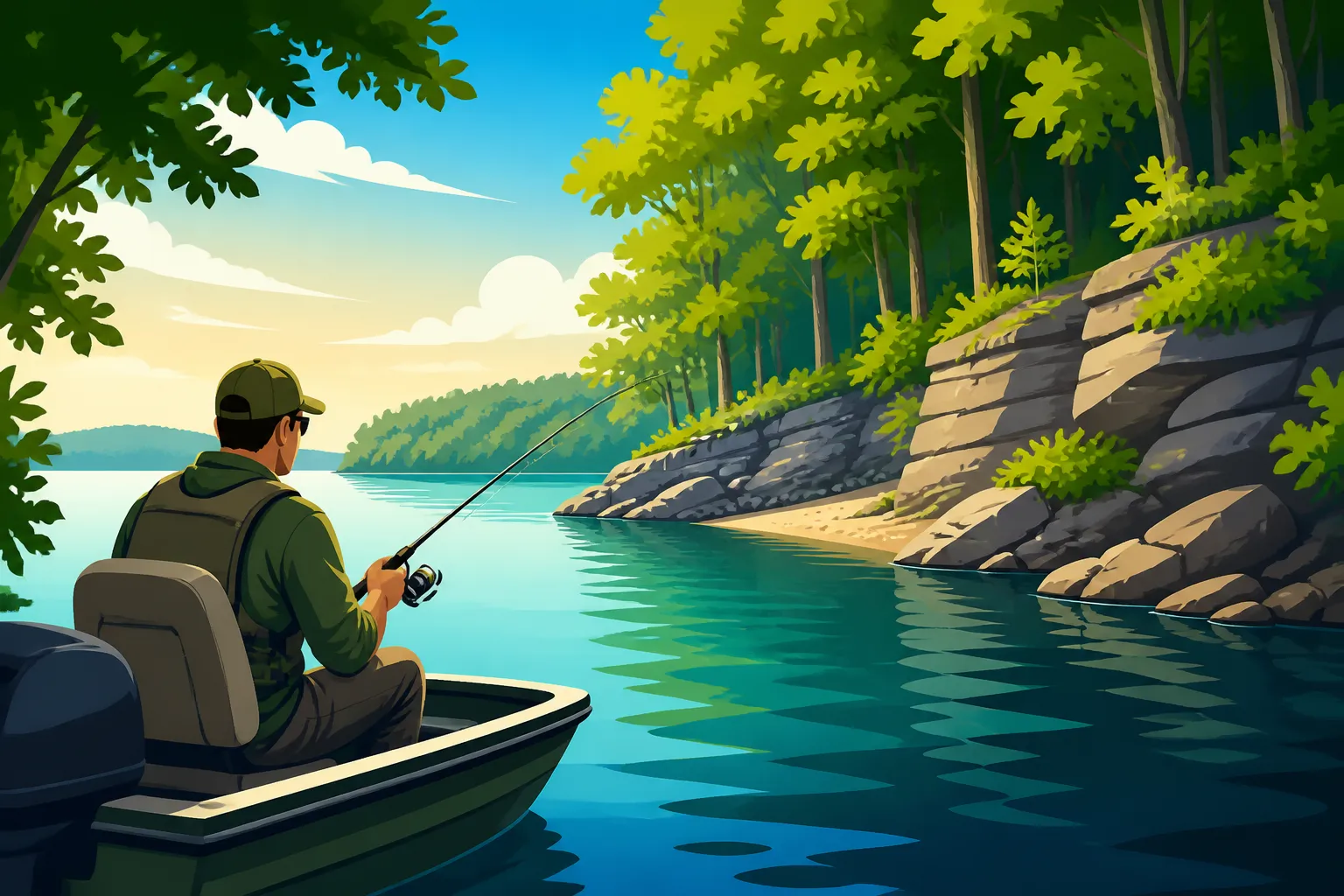
Imagine this: the sun is just peeking over the horizon, painting the sky in hues of orange and pink. You’re gliding silently in your kayak, the mist still clinging to the water's surface, and the only sound is an osprey calling in the distance. This isn't just a fantasy; it's the reality you can find in Monroe Lake's less-traveled corners. These remote coves are where you can genuinely escape the hustle and bustle. Forget the blaring radios, the constant wakes from speed boats, and the crowded shorelines. Here, you can truly unplug, focus on your technique, and immerse yourself in the natural beauty of the Hoosier National Forest that surrounds much of Monroe. It’s an opportunity for introspection, a chance to reconnect with nature, and a much-needed break from the demands of modern life.
Unpressured Fish Await
Fish, especially larger, more wary game fish like largemouth bass, learn quickly. When a particular area sees constant fishing pressure, these fish become "educated." They learn to avoid certain lures, shy away from boat noise, and become incredibly difficult to tempt. Remote coves, by their very nature, see significantly less human activity. This means the fish living there are often less pressured, more aggressive, and more willing to strike. You might find bass that haven't seen a crankbait in weeks or crappie that readily attack a jig without hesitation. This can lead to more consistent bites, more exciting fights, and ultimately, a more rewarding day on the water. It’s not just about catching more fish, it's about catching fish that behave naturally, making the experience all the more authentic.
Discovering Hidden Gems
There's a unique thrill that comes with exploration. Every remote cove holds the promise of a new discovery – a submerged log pile you didn't know existed, a secret brush pile teeming with panfish, or a rocky ledge where a lunker walleye might be lurking. Taking the time to explore these uncharted territories allows you to develop your own private honey holes, spots that only you and a few trusted friends might know about. This adds an element of adventure to your fishing trip, transforming a simple outing into an expedition. You become a pioneer, mapping out the lake's secret nooks and crannies, and building a deeper, more personal connection with Monroe Lake itself.
Navigating Monroe Lake's Vastness to Find Seclusion
Monroe Lake covers over 10,000 acres at summer pool, with nearly 140 miles of shoreline. Its size can be daunting, but with the right approach and tools, finding those serene, out-of-the-way fishing spots becomes a strategic and rewarding endeavor.
Understanding Monroe's Layout and Geography
To effectively find remote coves, you first need a good grasp of Monroe Lake's unique structure. The lake is fed by two main tributaries, the North Fork and South Fork of Salt Creek, which create distinct arms stretching into the landscape. These arms are often shallower, windier, and contain more standing timber and brush, making them ideal for finding secluded spots away from the main lake channels. Areas further up these forks, where the water narrows and becomes more riverine, often hold some of the most untouched waters. Look for areas with significant bends, fingers of land, and dead-end pockets that offer natural protection from wind and boat traffic. Monroe Lake also features numerous small inlets and pockets that aren't always obvious from a quick glance at a standard map, but these are often the best places to hide. Consider exploring the "Monroe Lake: Indiana's Largest Lake for Bass Fishing" guide for more details on the lake's overall layout.
Tools for Identifying Remote Coves
Gone are the days when you needed only a paper map and a compass, though those are still incredibly valuable. Modern technology provides an incredible advantage for scouting out remote fishing spots:
- High-Quality Lake Maps and Charts: Start with detailed bathymetric (depth contour) maps. These maps reveal submerged structures, drop-offs, humps, and old creek channels that are invisible from the surface but are magnets for fish. Look for areas where contours tighten up, indicating steep breaks, or where they spread out, suggesting shallow flats near a channel. The Indiana Department of Natural Resources (DNR) often provides good contour maps for public lakes.
- Satellite Imagery (Google Maps, etc.): This is your secret weapon. Before you even launch your boat, spend time zooming in on Google Maps or other satellite imaging services. Look for areas with dense tree cover extending to the waterline, indicating less bank access. Identify narrow channels, flooded timber, lily pad fields, and brush piles that might only be visible from an aerial view. These visual cues can point you to coves that are difficult to reach or navigate, making them inherently more remote. You can even use the historical imagery feature to see how water levels change seasonally, revealing submerged structure that’s usually hidden.
- Dedicated Fishing Apps: Apps like Navionics, Fishbrain, or even those integrated with your fish finder unit, offer incredibly detailed maps with user-generated data points. While some popular spots might be marked, you can use the high-resolution maps to identify uncharted territory based purely on geographical features. Many professional fishing guides on platforms like FishingBooker use similar tools to scout new areas, so leveraging technology is a smart move.
Accessing Secluded Spots
Once you've identified a promising remote cove, the next challenge is getting there. The method of access often dictates how truly remote a spot remains.
- Kayaks and Canoes: These are arguably the best tools for reaching truly remote coves. Their shallow draft allows them to navigate skinny water, paddle through submerged timber, and access areas where motorboats can't go. They are silent, allowing for stealthy approaches that won't spook fish. You can easily launch them from undeveloped shorelines or even carry them a short distance through the woods if necessary. "Kayak Fishing Gear for Indiana Waters" provides excellent recommendations for outfitting your paddlecraft.
- Small Motorboats (Jon Boats, Small Bass Boats): If you have a small outboard, a jon boat or a smaller bass boat can get you deeper into the lake's arms. However, you'll need to be mindful of water depth, especially further up the creeks, and navigate slowly to avoid submerged hazards. These boats offer more carrying capacity for gear and can cover greater distances faster than a paddlecraft.
- Hiking and Shore Access: While much of Monroe Lake is surrounded by the Hoosier National Forest, direct shore access to truly remote coves can be challenging. Many areas are steep, overgrown, or require long hikes. However, if you're an avid hiker and don't mind carrying your gear, scouting out hidden trails or bushwhacking to a secluded bank might lead you to a fantastic, unpressured spot. Always check land ownership and access rules before venturing off-trail. "Monroe Lake Shore Fishing Access Points" offers some starting points, but remember, the more remote you want to go, the more you'll have to stray from designated points.
When planning your trip, consider the time of year. During periods of lower water, some coves might become too shallow to access by boat, potentially opening up new hiking opportunities. Conversely, higher water levels can make navigating through flooded timber easier.
Key Characteristics of Productive Remote Coves
Not all remote coves are created equal. Some will be barren and lifeless, while others will teem with fish. Learning to read the water and identify key features will dramatically increase your chances of success.
Structure and Cover that Attract Fish
Fish, especially bass and crappie, are inherently lazy and seek out areas that offer both food and protection. Productive remote coves often boast an abundance of natural structure and cover.
- Submerged Timber and Laydowns: Monroe Lake, being a reservoir, has many areas of flooded timber, especially in the upper reaches of the creek arms. Trees that have fallen into the water (laydowns) provide excellent ambush points for bass and cover for crappie. Look for intricate branches that create shaded pockets.
- Rock Piles and Ledges: Rocky areas, especially those with sharp drop-offs or underwater ledges, attract crawfish and baitfish, which in turn attract game fish. These can be particularly good for smallmouth bass if present, and walleye if you venture into the main lake.
- Lily Pads and Aquatic Vegetation: Healthy beds of lily pads or other aquatic plants offer crucial cover, shade, and oxygen, making them prime real estate for bass and panfish. Fish will often hold on the edges or in pockets within these beds.
- Old Creek Channels: Before the lake was impounded, ancient creek beds wound through the landscape. These submerged channels, particularly where they intersect with points or humps, create highways for fish movement and offer distinct depth changes that attract them.
- Docks (if any, though rare in truly remote spots): While rare in truly remote spots, even a dilapidated, old dock structure can hold fish. If you do stumble upon one, it’s worth investigating.
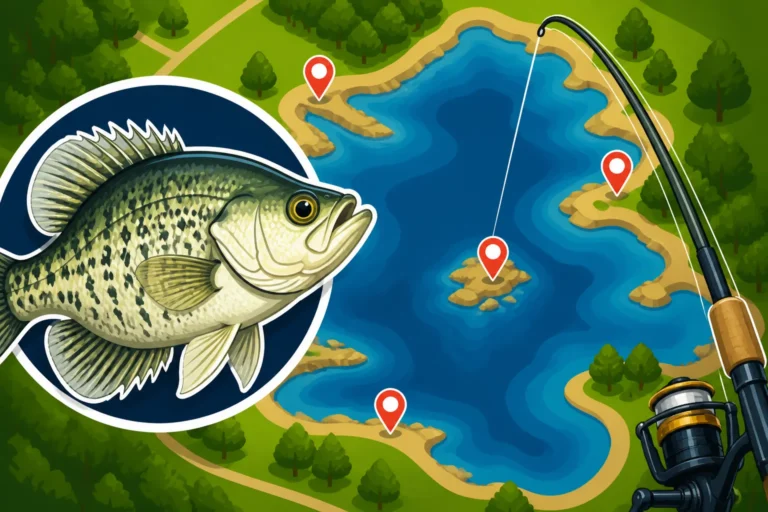
Understanding these features is critical. For instance, an isolated brush pile in an otherwise featureless cove can be a magnet for a school of crappie. Learning where "Best Crappie Spots on Monroe Lake" are often means finding these types of structures.
Water Depth and Clarity Considerations
The depth and clarity of the water within a remote cove play a huge role in fish behavior.
- Depth: Fish will often relate to specific depths depending on the season, water temperature, and time of day. In warmer months, fish might hold in deeper sections of a cove, seeking cooler, more oxygenated water. During spring and fall, they might move shallower. A good depth finder, even a portable one, can be invaluable for identifying these changes within a cove. A fishing trip planned using a service like FishingBooker often starts with understanding these environmental factors.
- Clarity: Water clarity dictates how fish feed and how visible your lure needs to be. In clearer water, fish are often more sight-dependent and wary, requiring lighter lines and more natural presentations. In murkier water, fish rely more on lateral lines and scent, making noisier lures or scented baits more effective. The clarity can change drastically within Monroe Lake, especially between the main lake and the upper creek arms after heavy rains. The "Best Time of Year to Fish Monroe Lake in Indiana" article can help you gauge seasonal clarity changes.
Identifying Forage and Baitfish Presence
Ultimately, fish are where the food is. A remote cove, no matter how scenic, won't hold fish if there's no forage.
- Observe Surface Activity: Look for schools of baitfish flickering on the surface, especially at dawn and dusk. Watch for predatory fish busting the surface, feeding on these baitfish.
- Indicators of Invertebrates: Crayfish, insects, and other invertebrates are crucial food sources. Rocky bottoms often indicate crawfish habitat, while overhanging trees can drop insects into the water.
- Subtle Signs: Even subtle clues, like small ripples or nervous baitfish, can tell you a lot about the activity below the surface. A truly productive cove will have a healthy ecosystem supporting a robust food chain.
Best Practices for Fishing Remote Coves on Monroe Lake
Fishing these secluded spots isn't just about finding them; it's about approaching them with respect and skill to maximize your chances of success and preserve their pristine nature.
Stealth and Presentation
Because fish in remote coves are less pressured, they might be more aggressive, but they’re not necessarily less wary. Loud noises, excessive movement, or clumsy casts can still spook them.
- Quiet Approach: If you're using a kayak or canoe, paddle silently. If you're in a motorboat, cut your engine well outside the cove and use your trolling motor at its lowest setting, or even better, paddle in. Avoid dropping gear loudly in your boat.
- Accurate Casting: Remote coves often have abundant cover. Being able to accurately cast your lure or bait into tight spots, under overhanging branches, or along a submerged log, is crucial. This often means skipping lures under docks or trees or making precise pitches.
- Vary Your Presentation: Even unpressured fish might be picky. Experiment with different retrieve speeds, pauses, and lure actions until you find what triggers a bite. Don't be afraid to try something unexpected.
Target Species and Techniques
While you might encounter a variety of fish, remote coves on Monroe Lake are often fantastic for certain species.
- Largemouth Bass: These are often the kings of the coves. Look for them holding tight to cover – fallen trees, brush piles, lily pads. Topwater lures like frogs or poppers can be explosive in the early morning or late evening. Jigs, Texas-rigged worms, and spinnerbaits are excellent choices for working through dense cover. Our "Largemouth Bass Fishing in Indiana: The Complete Guide" offers a wealth of information.
- Crappie: Crappie also love structure and can be found schooling around submerged brush piles, standing timber, or even deep docks. Small jigs (1/16 to 1/8 oz) tipped with a soft plastic grub or a live minnow are usually irresistible. Vertical jigging or slow trolling can be very effective. Check out "Crappie and Panfish Fishing Techniques for Beginners" for more in-depth tips.
- Panfish (Bluegill, Redear Sunfish): These smaller but abundant fish are often found in numbers in remote coves, especially around aquatic vegetation and shallow wood. They are perfect targets for light tackle, using small worms, crickets, or tiny artificial baits under a bobber. They make for excellent table fare and are a blast to catch.
Leave No Trace Principles
Fishing remote coves comes with a responsibility to protect these pristine environments.
- Pack It In, Pack It Out: Whatever you bring with you – snack wrappers, empty bait containers, broken fishing line – make sure you take it back out. Leave the cove cleaner than you found it.
- Minimize Disturbance: Avoid damaging vegetation, disturbing wildlife, or altering the natural landscape. These areas thrive because they are untouched.
- Practice Catch and Release (or Selective Harvest): Consider releasing larger, breeding fish to help sustain healthy populations. If you plan to keep fish, only take what you need and adhere strictly to Indiana's fishing regulations and bag limits.
- Be a Steward: If you discover a truly exceptional spot, consider keeping its exact location to yourself. Part of the joy of remote fishing is the sense of discovery and solitude, which can quickly vanish if a spot becomes widely known.
Ultimately, seeking out remote coves on Monroe Lake is an investment in a different kind of fishing experience – one that prioritizes peace, exploration, and the raw thrill of connecting with nature and less-pressured fish. It might take a bit more effort, but the rewards are immeasurable.
| Access Method | Pros | Cons | Ideal For |
|---|---|---|---|
| Kayak/Canoe | Silent, shallow draft, highly maneuverable, excellent stealth | Slow, limited gear capacity, susceptible to wind, requires physical effort | Exploring very shallow, tight, or timbered coves |
| Small Motorboat | Faster, greater range, more gear capacity, less physical effort | Can be noisy, limited by depth, risk of damaging propeller in shallow/timbered areas, requires trailer/ramp | Reaching coves further down creek arms |
| Hiking (Shore) | Ultimate stealth, access to truly unreachable banks, great exercise | Very limited range, difficult to carry gear, potentially strenuous, limited to shoreline access | Exploring small, shallow pockets near hiking trails |
Disclaimer
Fishing in the wilderness, especially in remote areas, carries inherent risks. Always prioritize your safety by informing someone of your float plan, checking weather conditions, wearing a U.S. Coast Guard-approved life jacket, and understanding your limitations. Be aware of local regulations, wildlife, and potential hazards. This guide is for informational purposes only and does not assume responsibility for individual safety or actions.