Why the Northwest Corner Gets Its Own Rulebook
It’s incredibly frustrating when you’re planning a fishing trip, you’ve checked all the statewide regulations, only to discover that the rules change entirely the moment you hit Indiana’s northwest corner. Many anglers find themselves scratching their heads, wondering why this region seems to operate under its own distinct set of guidelines. This guide is here to untangle that confusion, explaining precisely why the Northwest Corner gets its own rulebook and how these unique regulations are designed to protect and enhance the incredible fishing opportunities available there.
Understanding Indiana's Unique Northwest Corner Fishery
You’d be forgiven for thinking that fishing regulations would be consistent across a single state, but Indiana's geography throws a curveball, especially in its far reaches. The northwest corner isn't just another part of the Hoosier State; it's a distinct ecological zone, fundamentally shaped by one of the world's largest freshwater lakes.
Defining the Northwest Corner's Boundaries
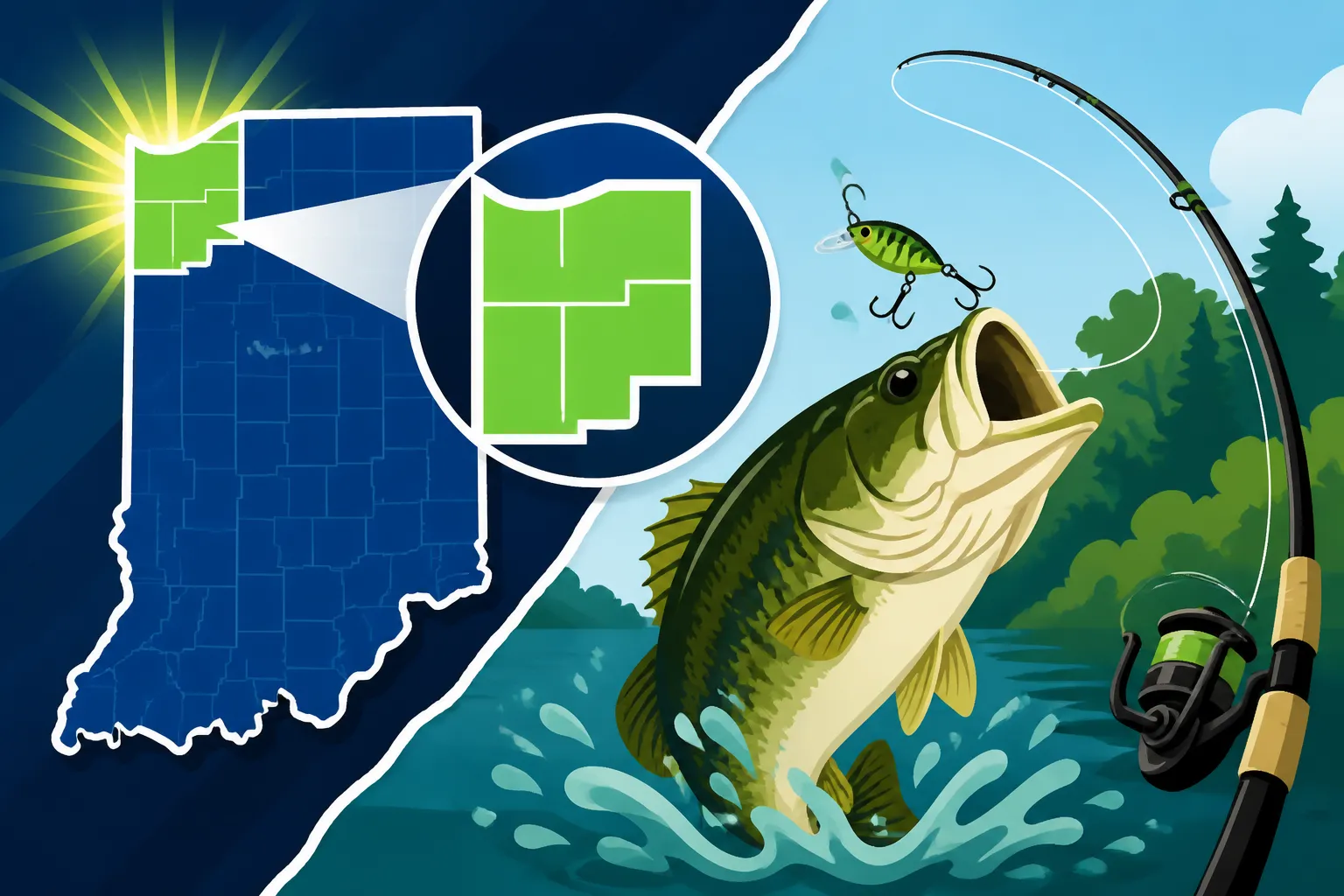
When we talk about the "Northwest Corner" in the context of Indiana fishing, we're primarily focused on the counties directly bordering Lake Michigan: Lake, Porter, and LaPorte. However, the influence of this unique fishery isn't strictly limited to the coastline. It extends inland, affecting rivers and certain lakes that are part of the Great Lakes basin. This includes significant bodies of water like Wolf Lake, which spans the Indiana-Illinois border in Lake County, Bass Lake in Starke County, and parts of the St. Joseph River system which flows north into Lake Michigan.
Anglers often make the understandable mistake of assuming the same rules they follow on large inland reservoirs like Monroe Lake or Patoka Lake will automatically apply here. This oversight can lead to genuine confusion and, unfortunately, potential run-ins with conservation officers. The key takeaway is that the ecosystem here is fundamentally different, and the regulations reflect that difference, often making the northwest corner feel like its own little world.
The Overwhelming Influence of Lake Michigan
The primary reason for this distinct rulebook is the sheer, overwhelming presence of Lake Michigan itself. This isn't just a big lake; it's an inland freshwater sea, vast and deep, supporting a completely different array of fish species and a complex ecosystem that contrasts sharply with Indiana's other waterways. You won't find the diverse populations of salmon and trout in southern Indiana that thrive in Lake Michigan's cold, deep waters.
This isn't merely an Indiana waterway either. Lake Michigan is a shared resource, managed cooperatively by Indiana, Michigan, Illinois, and Wisconsin. This interstate and sometimes international collaboration means that regulations are often harmonized across state lines to ensure the sustainability of shared fish stocks. This coordinated management prevents one state's actions from negatively impacting the fishery across the border. For instance, stocking programs for salmon and trout, as well as harvest regulations, are often agreed upon by multiple states, adding another layer of complexity that necessitates a separate set of rules for Indiana’s piece of this grand puzzle. The sheer scale and shared nature of the lake are the biggest drivers behind its unique regulatory framework.
Specific Regulations That Differ in Northwest Indiana
Now that we understand the 'why,' let's dive into the 'what.' Many anglers encounter these differences firsthand, often leading to moments of confusion on the water. It's crucial to be aware of these specifics before you cast your line.
Distinct Walleye Length and Bag Limits
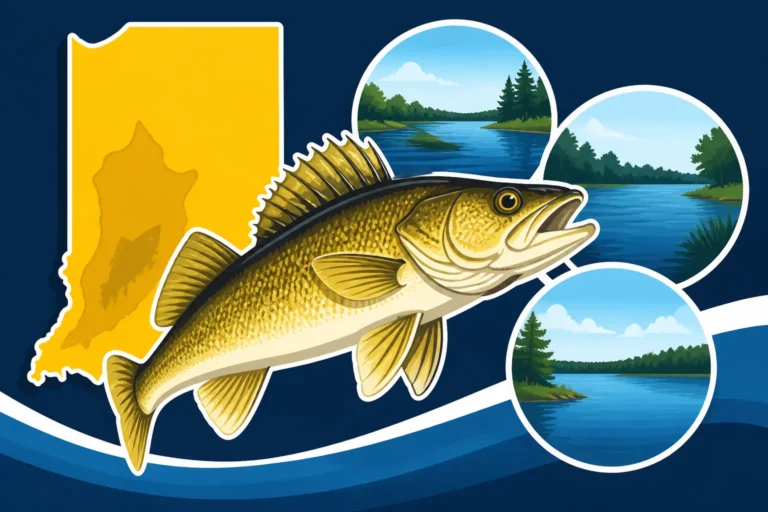
One of the most common points of divergence for anglers is the regulation surrounding walleye. While much of Indiana adheres to a statewide walleye minimum length rule, certain lakes in the northwest corner are exceptions to this. For example, if you're fishing on Bass Lake, Wolf Lake, or Lake George in Steuben County, you'll find that the walleye length limits can be quite different from the standard. For much of northern Indiana, the Walleye Minimum Length North of State Road 26 is typically 16 inches. However, specific exceptions like the Bass Lake Walleye Length Limit Is Different From the Rest of the State or the Wolf Lake Walleye Length Exception in Lake County might impose lower minimums or slot limits. Similarly, Lake George Walleye Length Exception in Steuben County also has its own specific rule.
Imagine the surprise of an angler who's used to the 16-inch minimum elsewhere, only to find a legal-sized fish they've just caught is actually undersized in Wolf Lake! These localized rules are put in place to manage specific fish populations that may grow differently or face unique pressures in those particular bodies of water. Always check the Indiana Walleye Length Limits by Lake before you head out, as these specific regulations are critical to avoid accidentally breaking the law.
Salmon and Trout Rules Exclusive to Lake Michigan
This is arguably the most significant regulatory departure. If your target species include Chinook salmon, Coho salmon, Steelhead (rainbow trout), Brown trout, or Lake trout, you are almost certainly fishing in Lake Michigan or its direct tributaries. These cold-water species are largely absent from Indiana's inland lakes and, consequently, come with a completely unique set of regulations designed specifically for the Great Lakes fishery.
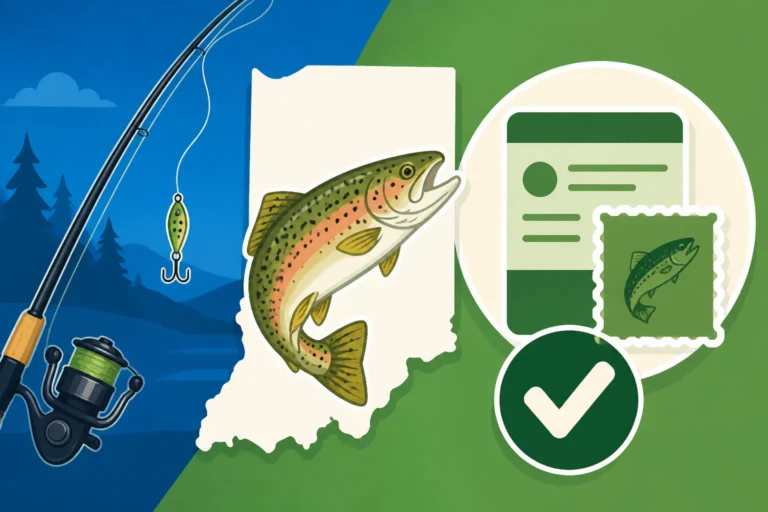
Beyond a standard Indiana fishing license, anglers targeting these prized fish in Lake Michigan and its tributaries are required to purchase an additional endorsement: the Indiana Trout and Salmon Stamp Requirements. This stamp is not optional if you intend to harvest these species. Furthermore, the daily bag limits and length restrictions for salmon and trout are entirely separate from general Indiana game fish, reflecting the specialized conservation needs of the Great Lakes fishery. Our comprehensive guide on Lake Michigan Fishing Rules for Indiana Anglers provides an in-depth look at these specifics, covering everything from seasonal runs to daily creel limits. These are hard-fighting, sought-after fish, and their dedicated rules aim to sustain the incredible fishing opportunities they provide, especially during the thrilling Fall Salmon Run Fishing on Lake Michigan in Indiana.
Other Species Considerations and Reciprocity
While walleye, salmon, and trout highlight the biggest differences, it's worth noting that other species in the Northwest Corner might also have localized rules. For instance, while Indiana Panfish Daily Limits by Species often adhere to a standard 25 per species, there can be specific nuances in certain local waters. The proximity to other states also brings up questions of reciprocity. Many anglers wonder about Indiana Fishing License Reciprocity With Michigan or Indiana Fishing License Reciprocity With Illinois and Kentucky when fishing border waters like Lake Michigan. While some reciprocal agreements exist for specific river sections, for the vast expanse of Lake Michigan, you generally need the fishing license for the state whose waters you are actively fishing. This means if you launch from an Indiana port and cross into Michigan waters, you’d typically need a Michigan license. It's a complex area, and it's always best to consult the current Indiana DNR regulations or directly contact them if you have questions about specific border water scenarios. Don't take chances; a simple phone call can save you a hefty fine.
Why These Differences Exist: Ecology, Management, and History
It might seem like the Indiana DNR is just trying to complicate things, but rest assured, these distinct rulebooks are not arbitrary. They are the result of careful scientific study, inter-state cooperation, and a deep understanding of unique ecological systems. These regulations serve vital purposes for conservation and to maximize angler opportunities.
The Unique Lake Michigan Ecosystem
The fundamental reason for different rules lies in the dramatically different ecosystem of Lake Michigan compared to most of Indiana's inland waters. Lake Michigan is a vast, deep, and predominantly cold-water environment. This allows it to sustain fish species like various salmon, lake trout, and certain populations of walleye that simply would not thrive in the warmer, shallower, and often more turbid waters of Indiana's central and southern reservoirs.
The entire food web is distinct. For example, invasive alewives play a critical role as a forage fish for many salmon and trout species in Lake Michigan, a dynamic largely absent from inland Indiana lakes. This complex interaction of native species, introduced species, and environmental factors like water temperature, depth, and clarity necessitates specialized management approaches. The Indiana DNR, along with its partner agencies, continuously monitors these intricate biological relationships. They understand that a blanket regulation designed for a largemouth bass fishery would be completely ineffective, and potentially harmful, to a cold-water salmonid fishery. The goal is always to tailor regulations to the specific biological needs and pressures of each unique aquatic environment.
Interstate and International Management Agreements
As mentioned, Indiana doesn't manage its segment of Lake Michigan in isolation. This enormous lake is a shared natural resource among four U.S. states (Indiana, Michigan, Illinois, Wisconsin) and is part of the larger Great Lakes system, which is jointly managed with Canada. This means that many fisheries management decisions, particularly for migratory species like salmon and trout, are the product of extensive collaboration among state DNRs, the U.S. Fish and Wildlife Service, and even international bodies like the Great Lakes Fishery Commission.
These multi-jurisdictional agreements are absolutely crucial for ensuring the long-term health and sustainability of shared fish populations. Without coordinated management, inconsistent regulations in one state could lead to overfishing or mismanagement that negatively impacts fish stocks across the entire lake. For instance, stocking levels for various salmon species are often coordinated to maintain a healthy balance between predator and prey fish. Similarly, harvest limits are harmonized to prevent localized depletion. These cooperative efforts lead to regulations that might appear unique or complex to an angler focused solely on Indiana, but they are essential for effective, system-wide conservation. They demonstrate a commitment to preserving this incredible shared resource for future generations of anglers.
Targeted Conservation and Angler Opportunity
Ultimately, the bedrock reason for these distinct rulebooks is a dual commitment to targeted conservation and enhancing diverse angler opportunities. By implementing specific length and bag limits for certain walleye lakes in the northwest, the DNR can precisely manage those particular fish populations. This ensures that enough fish reach maturity to spawn, contributing to robust future generations. These aren't just arbitrary numbers; they're based on scientific data about growth rates, mortality, and reproductive success within those specific bodies of water.
Similarly, the detailed rules for salmon and trout fishing are designed to protect these highly valued sport fish, which generate significant economic benefits through recreational fishing and tourism in the region. Maintaining a thriving Best Salmon Fishing Spots on Lake Michigan in Indiana, for example, requires careful regulation to allow sufficient numbers of fish to complete their spawning runs while still providing exhilarating angling experiences. Without these finely tuned, localized, and species-specific regulations, these unique and valuable fisheries could quickly become depleted, losing both their ecological integrity and their immense appeal to the thousands of anglers who travel to experience them. These rules are about balance: protecting the resource while still allowing people to enjoy it responsibly.
Navigating the Northwest Corner Rules with Confidence
Feeling a little overwhelmed by all the nuances? Don't be! Navigating these rules successfully is entirely manageable with a bit of preparation. By taking a few proactive steps, you can confidently explore the fantastic fishing opportunities that Indiana's Northwest Corner offers.
Always Check the Latest Indiana Fishing Regulations
This is, without a doubt, the most important piece of advice for any angler heading to Northwest Indiana. Fishing regulations are not static; they are living documents that can change annually based on biological surveys, population assessments, and input from anglers and scientists. Before every trip, especially to a unique or new area like the Northwest Corner, make it a habit to review the most current rules for the specific body of water you plan to fish.
The Indiana DNR publishes a comprehensive fishing guide each year, which is readily available online and at most license vendors. Instead of relying on memory or outdated information, dedicate a few minutes to either browse the DNR website or download the PDF guide to your phone. For quick reference on the water, you might even consider purchasing a waterproof phone case from Amazon, ensuring your digital copy of the regulations remains safe and accessible, even in a downpour. Searching specifically for terms like "Indiana Fishing Regulations and Bag Limits Guide" will lead you directly to the latest official document.
To help visualize some of these differences, here's a table comparing general Indiana rules with some specifics for the Northwest Corner:
| Regulation Aspect | General Indiana Rule (Inland) | Northwest Corner (Lake Michigan & specific lakes) |
|---|---|---|
| Walleye Minimum Length | 14-inch (south of SR 26), 16-inch (north of SR 26) | Varies by lake (e.g., Bass Lake, Wolf Lake, Lake George often have specific, sometimes lower, limits) |
| Trout & Salmon Stamp | Not required for inland waters | REQUIRED for harvesting trout/salmon from Lake Michigan and tributaries |
| Primary Target Species | Bass, Crappie, Catfish, Bluegill, Walleye, Pike | Bass, Crappie, Catfish, Bluegill, Walleye, Pike, Salmon (Chinook, Coho), Steelhead, Brown Trout, Lake Trout |
| Reciprocity | Limited, specific border waters only | Generally requires Indiana license for Lake Michigan, even near state lines |
| Unique Gear Needs | Standard freshwater tackle | Often requires specialized Great Lakes trolling gear (downriggers, planer boards) |
Essential Gear Considerations for Lake Michigan
Given the significant differences in species and environment, your fishing gear might need some serious adjustments when venturing to Lake Michigan. If you’re accustomed to a lighter setup for bass or panfish in inland lakes, you'll find that a trophy Chinook salmon or Steelhead will quickly overwhelm it. Many anglers targeting salmon and trout on Lake Michigan use robust trolling gear, including heavy-duty rods and reels capable of handling powerful runs, often spooled with strong braided or monofilament line. Specialized equipment like downriggers and planer boards are common for effectively presenting lures at specific depths over vast areas.
Even for shore anglers, longer, heavier rods capable of casting large spoons or crankbaits a considerable distance are often necessary to reach deeper water where these fish feed. Before your trip, consider browsing for specialized Great Lakes fishing gear on Amazon, where you can find everything from magnum spoons and deep-diving crankbaits to heavy-duty rod holders for your boat. Don't forget crucial safety equipment too; the weather on Lake Michigan can be unpredictable, so a quality set of rain gear and appropriate life jackets are absolute necessities.
Respecting the Resource and Fellow Anglers
At the heart of all fishing regulations is the goal of preserving the natural resource for everyone. By taking the time to understand and adhere to the specific rules of the Northwest Corner, you're doing much more than just avoiding a fine. You’re actively contributing to the health and sustainability of these unique fisheries for future generations of anglers.
Beyond the letter of the law, always practice good angling etiquette. Be mindful of other boaters, shore anglers, and even wildlife. Pack out everything you pack in, and never leave trash behind. If you’re ever unsure about a specific regulation while on the water, it’s always better to err on the side of caution. Don't hesitate to ask a local bait shop owner—they are often a fantastic source of local knowledge—or contact a DNR official. They are generally happy to clarify any confusing points. Whether you're casting for walleye on Bass Lake or pursuing a record-breaking Chinook salmon off the Michigan City pier, a little knowledge, preparation, and respect for the resource will ensure a more enjoyable and successful fishing experience.
Disclaimer
Please remember that fishing regulations can change. While every effort has been made to provide accurate and up-to-date information, it is always your responsibility to consult the official Indiana Department of Natural Resources (DNR) fishing guide or website for the most current rules and regulations before you go fishing.