Panfish Rules for Crappie, Bluegill, and Sunfish in Indiana
It's easy to get tangled up in the rules when you're just trying to enjoy a peaceful day on the water, especially when it comes to panfish. These smaller, abundant species like crappie, bluegill, and sunfish are some of the most popular catches in Indiana, but knowing exactly how many you can keep can be surprisingly confusing. This guide will unravel those regulations, helping you confidently fill your cooler while staying within the law.
Understanding Indiana's General Panfish Daily Limits
Indiana is a fantastic state for panfishing, offering abundant opportunities for anglers of all skill levels. From the smallest farm ponds to the largest reservoirs, these feisty little fish provide endless entertainment and make for some truly delicious meals. However, even with their abundance, the Indiana Department of Natural Resources (DNR) has established clear guidelines to ensure these populations remain healthy for generations to come. It’s not just about what you catch, but how you manage your harvest.
The Statewide 25-Fish Rule Explained
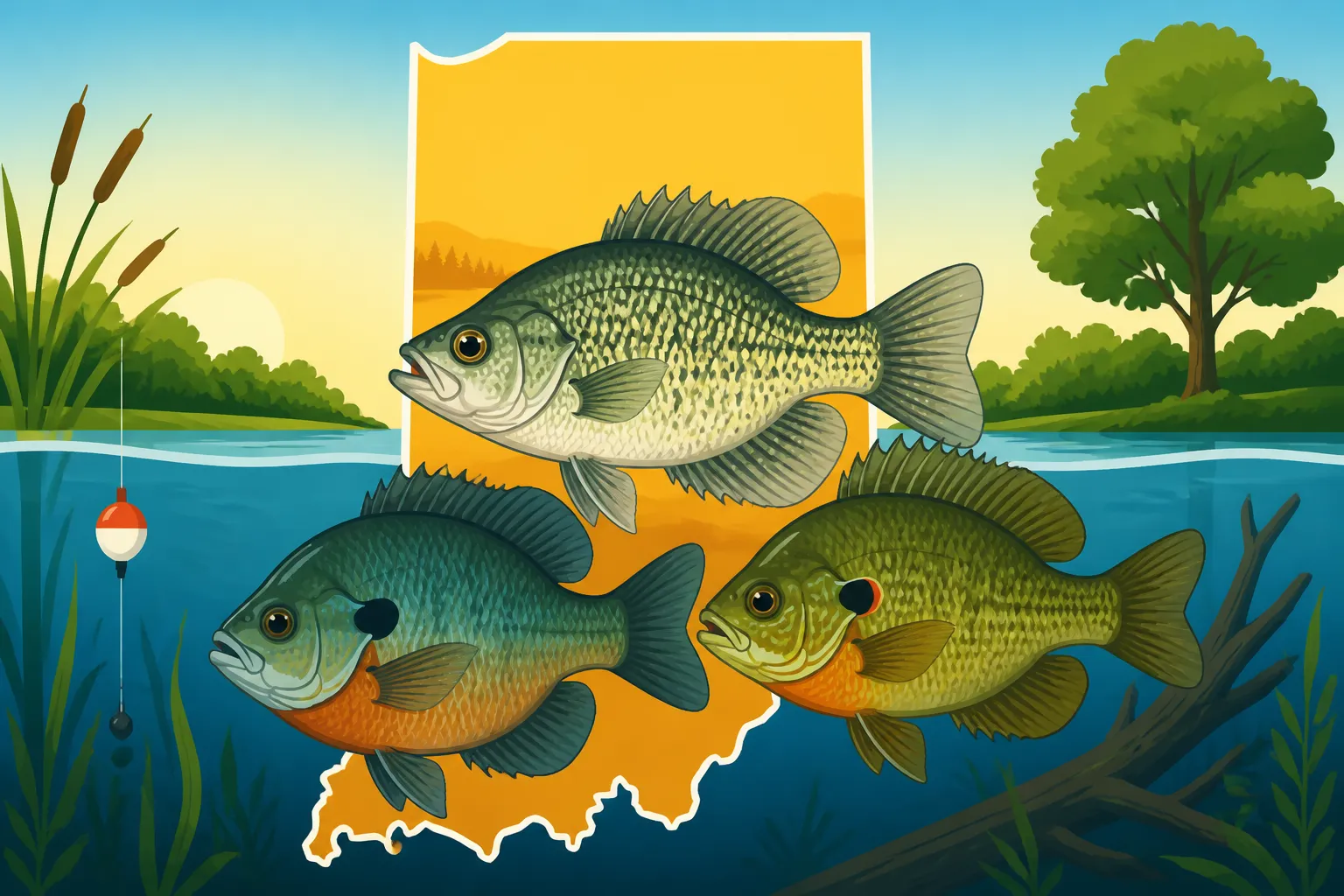
When you're out chasing those delicious crappie, bluegill, or redear sunfish, the main rule you'll encounter across most Indiana waters is a statewide daily bag limit of 25 fish per species. That's right, it's per species, which is a crucial distinction that often trips up even seasoned anglers. This isn't a combined limit of 25 panfish total, but rather 25 individual crappie, 25 individual bluegill, and 25 individual redear sunfish. For example, if you have a banner day and manage to catch both 25 crappie and 25 bluegill, your cooler is perfectly legal. If you added 25 redear sunfish to that mix, you'd be sitting pretty with 75 panfish, all within the legal limits! This generous allowance reflects the prolific nature of these species and the DNR's confidence in their ability to bounce back, provided we all follow the rules. This is also covered in more detail in the comprehensive guide on Indiana Panfish Daily Limits by Species.
This "per species" clarification is a game-changer for many anglers, enabling them to enjoy a bountiful harvest without fear of breaking the law. Imagine you’re at your favorite pond, and the bluegill are just hammering everything you throw at them. You can confidently keep reeling them in until you reach your 25 for the day, and then, if the crappie bite picks up, you can switch gears and start filling a separate count for them. It allows for a diversified fishing experience and acknowledges that different species might be biting better at different times or in different locations. It's truly a thoughtful approach by the DNR to support recreational fishing while still upholding conservation principles.
While the "25 per species" rule is widely applicable, it's always important to remember that this is a statewide general rule. Just like with other fish species, there are sometimes localized exceptions or special regulations that can supersede these general guidelines for specific lakes, reservoirs, or rivers. These exceptions are put in place for very good reasons, often to protect specific fisheries that might be under more pressure or to allow certain populations to recover and grow. Always, and I mean always, double-check the local regulations for the specific body of water you're fishing.
Why Panfish Limits Matter for Sustainable Fishing
Panfish, encompassing species like crappie, bluegill, and sunfish, play an incredibly vital role in Indiana's aquatic ecosystems. They are often the prey base for larger game fish like bass and pike, forming a critical link in the food chain. Beyond their ecological importance, they are also a beloved food source for many Hoosier families, providing countless delicious meals throughout the year. The abundance and relatively easy catchability of panfish make them an ideal target for beginner anglers and families, fostering a love for fishing from an early age.
However, even with their fast reproduction rates, panfish populations aren't limitless. Unchecked harvesting could lead to localized depletion, affecting not only the panfish themselves but also the larger predatory fish that rely on them. The DNR sets these daily bag limits, such as the 25-fish rule for crappie, bluegill, and sunfish, to ensure that anglers can enjoy a generous harvest while still leaving enough fish in the water to reproduce and maintain healthy, thriving populations. It's a delicate balance between providing recreational opportunities and upholding ecological responsibility.
These limits are a key component of sustainable fishing practices. By adhering to them, we, as anglers, contribute directly to the long-term health of our fisheries. Imagine a scenario where everyone kept every panfish they caught; it wouldn't take long for the numbers to dwindle, and future generations might not experience the same abundance we enjoy today. The DNR continuously monitors fish populations through surveys and scientific research, adjusting regulations as needed to respond to environmental changes, fishing pressure, and species health. So, when you follow that 25-fish limit for How Many Crappie Can You Keep in a Day?, you're doing your part to keep Indiana's fishing vibrant and productive.
Diving Deeper into Specific Panfish Species Regulations
While the general "25 per species" rule covers most panfish, understanding the nuances for individual species like crappie, bluegill, and redear sunfish can make your fishing trips even more successful and compliant. Each of these species has its own characteristics that make them unique targets, and sometimes, those characteristics warrant specific, localized regulations.
Crappie Fishing Limits and Considerations
Crappie, both black and white varieties, are a favorite among Indiana anglers for their willingness to bite and their excellent table fare. The standard statewide daily bag limit for crappie is indeed 25 fish, allowing for a fantastic day of fishing and a bountiful feast. Many anglers specifically target crappie during their spring spawn when they congregate in shallower waters, making them easier to locate and catch. The excitement of finding a slab crappie honey hole is truly something special.
However, as we touched on earlier, this 25-fish limit can sometimes vary by specific water bodies. Certain lakes or reservoirs in Indiana might have special regulations for crappie, often to protect larger, trophy-sized fish or to address specific population dynamics. These might include reduced daily limits (e.g., 10 or 15 crappie per day) or even minimum length limits (e.g., crappie must be at least 9 or 10 inches long to be kept). These localized rules are typically found in the annual Indiana Fishing Guide or posted at public access points. For serious crappie enthusiasts, understanding these specific lake rules, along with Crappie Size Limits and Regulations in Indiana, is paramount.
Failing to check these specific regulations can lead to an unexpected and unwelcome citation from a conservation officer. Imagine spending a glorious day on Patoka Lake, filling your livewell with what you believe are perfectly legal crappie, only to find out at the boat ramp that there was a 10-inch minimum length limit you overlooked. It’s a frustrating situation that’s entirely avoidable. That's why keeping a current copy of the fishing guide, either digital on your phone or a physical one in your tackle box, is always a smart move. If you're looking for more general guidance on how to catch them, check out these Crappie and Panfish Fishing Techniques for Beginners.
Bluegill and Redear Sunfish Regulations
Bluegill are arguably the most iconic panfish in Indiana, if not the entire country. Their vibrant colors, feisty fight on light tackle, and delicious taste make them a perennial favorite for anglers of all ages. Similarly, redear sunfish, often called shellcrackers for their habit of eating snails, offer a thrilling catch and are also highly prized for their flavor. For both bluegill and redear sunfish, the statewide daily bag limit is also 25 fish per species. This means you can keep 25 bluegill and 25 redear sunfish on the same day, should you be lucky enough to catch both. This generous limit allows for plenty of fun, especially when fishing with kids.
These species are often the first fish many children catch, sparking a lifelong passion for angling. There's nothing quite like watching a child's face light up as they reel in their first bluegill, a universal experience that connects generations of fishermen. The simplicity of bluegill fishing – a bobber, a hook, and a worm – makes it incredibly accessible. For tips on how to catch these little fighters, especially for younger anglers, consider looking into Bluegill and Panfish: A Great Starter Fish for Kids in Indiana. You can find some fantastic beginner setups, often including lightweight rods and reels, on platforms like Amazon, which are perfect for smaller hands.
Like crappie, it's always prudent to be aware that while the 25-fish rule is standard, isolated special regulations could apply to specific lakes or ponds for bluegill and redear. While less common than with crappie, some smaller, heavily fished ponds or those managed for specific outcomes might have different rules. For instance, a pond managed by a local park department might impose a "catch and release only" rule for certain species, or a lower daily limit. Always check local signage and the Indiana Fishing Guide before you start casting. If you're fishing in a farm pond, which are fantastic places for bluegill, you might also want to look into Best Bait for Bluegill Fishing in Farm Ponds.
Navigating Exceptions and Local Panfish Rules
The statewide regulations provide a solid baseline for Indiana panfish, but the savvy angler knows that the devil is often in the details. What applies generally across the state might have specific carve-outs for particular bodies of water, and understanding these exceptions is crucial for a legal and stress-free fishing experience. Nobody wants a great day on the water to end with a conversation with a conservation officer!
Special Regulations on Certain Indiana Waters
While the statewide daily bag limit of 25 panfish per species is a great starting point, it's really just that—a starting point. Indiana has a diverse range of aquatic habitats, from large reservoirs to small, intimate community ponds, and each can have its own unique management goals. Because of this, the DNR implements special regulations on certain Indiana waters to protect specific fish populations, manage angling pressure, or enhance fishing opportunities. These can include reduced daily limits, minimum length limits, or even slot limits that require you to release fish within a certain size range.
For instance, you might find a lake where crappie have a 10-fish daily limit instead of the usual 25, or perhaps a reservoir where bluegill must be at least 7 inches long to be kept. These rules are usually enacted after careful study by DNR biologists who have identified a specific need for conservation or population enhancement in that particular body of water. If you happen to be fishing a new lake, or even one you haven't visited in a while, it's always best practice to pull out your Indiana Fishing Guide or check the DNR website before your first cast. You can often find a current copy of the guide, even in print, if you search on platforms like Amazon.
Imagine pulling up to a picturesque lake, excited to try out some new panfish tackle you just ordered from Amazon. You've got your ultralight rod, your tiny jigs, and you're ready to go. You catch a few nice crappie, measure them against your tackle box, and they seem perfectly legal by statewide standards. Then, later, you notice a small sign at the boat ramp that you somehow missed, stating a 9-inch minimum length limit and a 15-crappie daily bag limit for this specific lake. It’s a gut-wrenching feeling to realize you’ve inadvertently broken a rule. This scenario perfectly illustrates why checking local regulations is not just a suggestion, but a necessity for responsible angling.
The Importance of the Indiana Fishing Guide
Given the potential for specific, localized rules to override statewide regulations, the single most important resource an Indiana angler can have is the official Indiana Fishing Guide. This annual publication, put out by the Indiana Department of Natural Resources, is the definitive source for all fishing regulations in the state. It details not only the general statewide rules for species like panfish but also lists any and all special regulations that apply to particular lakes, rivers, and reservoirs. Think of it as your fishing bible – comprehensive and absolutely essential.
You can typically find the Indiana Fishing Guide in a few formats. It's readily available for free download as a PDF on the Indiana DNR's website, making it easy to keep on your smartphone or tablet for quick reference while you're out on the water. Many sporting goods stores, bait shops, and even some county government offices will also have physical copies available during the spring and summer months. Having a copy, whether digital or print, is a non-negotiable part of responsible fishing in Indiana, especially when dealing with specific limits like Redear Sunfish Daily Limit: 25 per Day.
Seriously, don't leave home without consulting it. Even if you've been fishing the same spot for years, regulations can and do change. New length limits might be introduced, or bag limits adjusted, to respond to changes in fish populations or environmental conditions. A quick five-minute scan of the relevant section for your chosen body of water can save you a lot of headaches, potential fines, and ensure you're always complying with the Indiana Fishing Regulations and Bag Limits Guide. It's a small investment of time for a much more confident and enjoyable fishing trip.
Practical Tips for Panfish Anglers
Beyond just knowing the rules, applying them effectively and thoughtfully can enhance your fishing experience and contribute to the health of our panfish populations. Responsible angling isn't just about avoiding a ticket; it's about being a good steward of our natural resources.
Keeping Track of Your Catch
When those bluegill are biting hot and heavy, it's easy to lose count, especially if you're engrossed in conversation or enjoying the peaceful surroundings. Before you know it, you might accidentally go over that 25-fish daily limit. To avoid this common predicament, it's smart to have a system for keeping accurate tabs on your catch. This is particularly important for species like crappie where local regulations might impose a lower limit or a minimum length requirement, as discussed in How Many Crappie Can You Keep in a Day?.
Many anglers use simple tools to help them keep count. A clip-on fish counter, available affordably on Amazon, is a fantastic little gadget that allows you to click a button for each fish you keep. It’s unobtrusive and makes it easy to see your running total at a glance. Another method is to use a stringer with marked sections or to simply group your fish in your livewell or cooler in batches of five or ten, making a visual count much simpler. For those who frequently fish with different family members, each person should be aware of their own individual limit and keep track accordingly. Remember, the limit applies per licensed angler, not per boat.
Beyond just counting, knowing the size of your fish is equally important, especially if a lake has a minimum length limit for crappie or other panfish. A small, retractable measuring tape or a fish ruler permanently affixed to your tackle box or boat is invaluable. Always measure from the tip of the snout to the end of the tail with the tail pinched. If a fish is undersized, release it immediately and gently. It's a bit of extra effort, but it ensures you're fishing legally and contributing to the conservation of future trophy panfish. If you're looking for Best Panfish Tackle for Indiana Anglers, you'll find that many kits include a small ruler or measuring device for this exact purpose.
Ethical Angling and Conservation
Beyond simply obeying the letter of the law, ethical angling practices are crucial for maintaining healthy panfish populations and ensuring that fishing remains a sustainable pastime for everyone. Catch-and-release is a huge part of this, especially if you've already met your daily limit or if you happen to catch a particularly large panfish that you'd rather see reproduce. A big crappie or bluegill is often an older fish, and allowing it to return to the water helps maintain genetic diversity and ensures future generations of anglers have a chance at similar trophy catches.
When practicing catch-and-release, handling the fish gently is paramount. Wet your hands before touching the fish to protect its slime coat, which is vital for disease prevention. Use a de-hooking tool if the hook is deep, or simply cut the line if the fish is too far gone. Return the fish to the water quickly, allowing it to swim off on its own power. Avoid dropping fish onto hard surfaces or leaving them out of water for extended periods. These small actions make a huge difference in the fish's survival rate.
Ultimately, being an ethical angler means understanding that we are temporary stewards of these natural resources. By respecting the panfish regulations in Indiana, practicing careful catch-and-release, and staying informed through resources like Indiana Fishing License Requirements Explained and the DNR guide, we ensure that the joy of panfishing can be shared for many years to come. Every responsible action contributes to a vibrant and healthy fishery for all Hoosiers.
Here's a quick reference table to summarize Indiana's general panfish limits:
| Panfish Species | Statewide Daily Bag Limit (per angler) | Common Notes/Considerations |
|---|---|---|
| Crappie (Black & White) | 25 fish per species | Check specific lake regulations for potential reduced limits or minimum length limits (e.g., 9 or 10 inches). |
| Bluegill | 25 fish per species | Generally consistent statewide. Excellent for beginners and family fishing. |
| Redear Sunfish | 25 fish per species | Also known as "Shellcrackers." Generally consistent statewide. |
| Other Sunfish Species | 25 fish per species | This includes species like green sunfish, pumpkinseed sunfish, and warmouth. |
| Combined Total | No combined total limit, only per species. | You can keep 25 of each species you catch, up to the individual limit. |
Disclaimer
Please note that fishing regulations are subject to change. While every effort has been made to provide accurate and up-to-date information, it is the angler's responsibility to consult the most current Indiana Fishing Guide published by the Indiana Department of Natural Resources (DNR) before fishing. This guide is for informational purposes only and should not be considered legal advice.