Coho Salmon Identification: Spotting the Fall Run
The crisp autumn air starts to roll across Lake Michigan, bringing with it a special kind of excitement for Indiana anglers. If you've ever found yourself on the shoreline or in a boat during this magical time, you know the thrill of the salmon run. But here's the thing: those shimmering, powerful fish can be tricky to tell apart, especially when they're transitioning from their silvery lake phase to their vibrant spawning colors. This guide is dedicated to helping you master Coho salmon identification, so you can confidently spot these incredible fish during Indiana's exhilarating fall run.
The Allure of Indiana's Coho Salmon Fall Run
There's something truly primal about the fall run along Indiana's Lake Michigan shoreline and its tributaries. It's a time of year when nature puts on a spectacular show, and as anglers, we get a front-row seat to one of the most incredible migrations in the freshwater world. The Coho salmon, also known as silver salmon, are a cornerstone of this annual event, offering fantastic sport and a beautiful sight.
Understanding the Annual Migration Event
For months, these Coho salmon have been growing and feeding out in the vast, cold depths of Lake Michigan. They're strong, vibrant, and packed with energy. But as summer fades and the water temperatures begin to drop, an ancient instinct kicks in. The fish feel the undeniable pull of their spawning grounds, driving them closer to shore and into the rivers and streams where they will attempt to reproduce. This mass movement is what we call the "fall run," and it's a window of opportunity for anglers that's too good to miss. Understanding Fall Salmon Run Timing on Lake Michigan in Indiana can make all the difference in planning your trip. It's not just about catching fish; it's about being part of a natural phenomenon, watching the salmon leap, and feeling that incredible connection to the cycle of life in our incredible Indiana waters.
Where to Find Coho Salmon in Indiana
When the fall run truly kicks into gear, Coho salmon concentrate in specific areas as they stage for their journey upstream. Your best bet for encountering these fantastic fish in Indiana will be along the Lake Michigan shoreline itself, particularly around major river mouths and harbor areas. Think about places like Trail Creek in Michigan City, the St. Joseph River near South Bend, or the Burns Waterway near Portage. Piers and breakwalls become prime real estate for anglers targeting these fish as they move into shallower water. The shallower nearshore waters of Lake Michigan are excellent staging areas, and as the run progresses, you'll find them venturing further into the rivers. Knowing Where to Catch Coho Salmon on Indiana's Lake Michigan Shore can significantly improve your chances of a successful outing. Even if you don't have a boat, many of these spots offer fantastic shore fishing opportunities.
Key Visual Cues for Identifying Coho Salmon During the Run
Identifying Coho salmon during the fall run can be a bit of a challenge because their appearance changes so dramatically from their time in the open lake. That sleek, silvery look they have for most of the year transforms into something far more striking as they prepare to spawn. Learning to spot these specific characteristics will help you confirm your catch and appreciate the unique beauty of these fish.
Distinctive Physical Features
Let's start with their general build. Coho salmon tend to have a more slender and torpedo-shaped body compared to the bulkier Chinook salmon, especially when they're fresh out of the lake. Their dorsal fin is relatively tall and pointed. One of the most telling physical features, even before the color changes, is their tail fin. Coho salmon typically have a more moderately forked tail, and crucially, they have spots only on the upper lobe of their caudal (tail) fin. Many other salmonids will have spots distributed differently or not at all. Their jawline is also key: while male salmon can develop a prominent "kype" (hooked jaw) during the spawn, female Coho and those not as far along in the spawning process will have a more subtle mouth shape.
The Striking Color Transformation
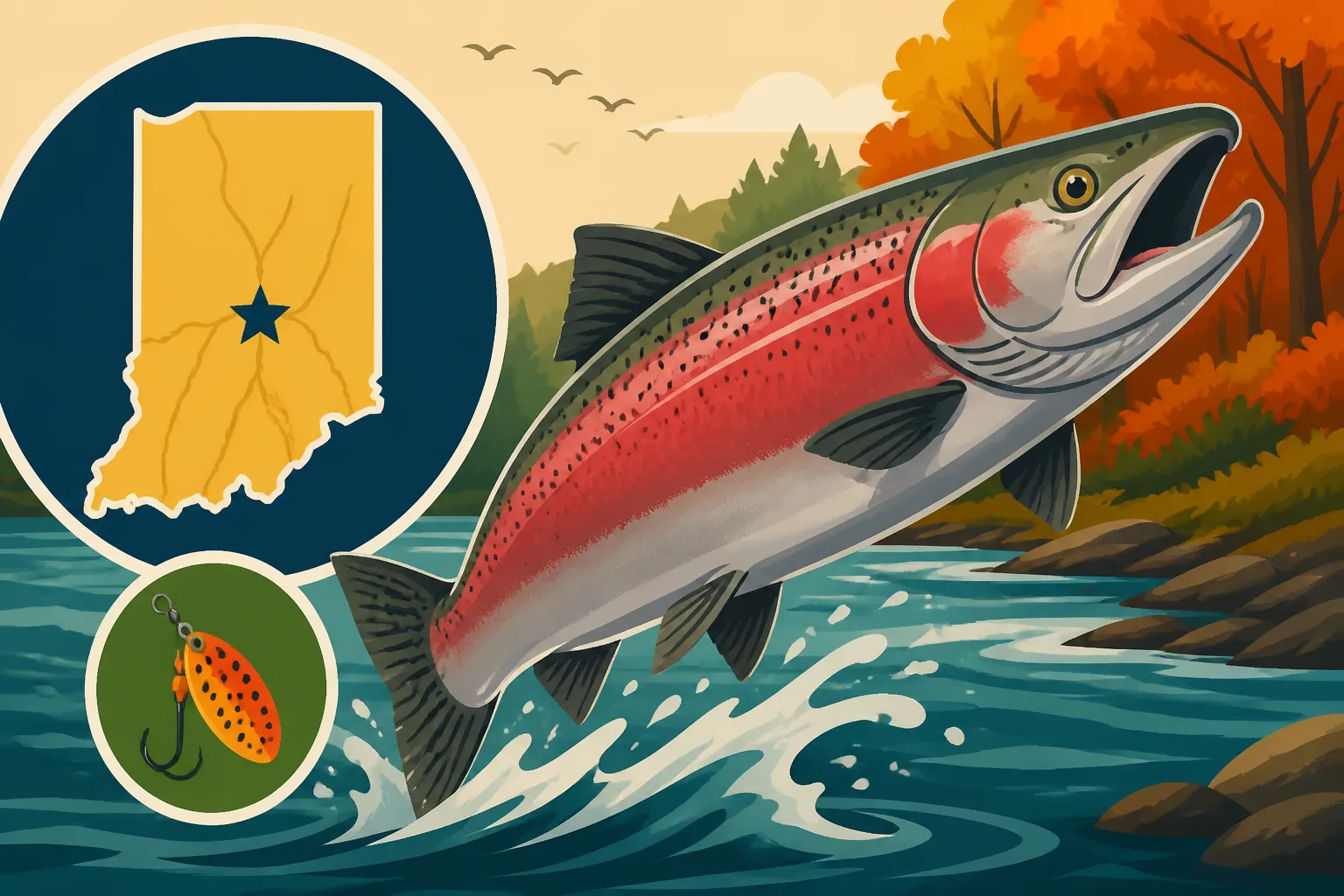
This is where Coho salmon truly stand out during the fall run. When they first enter the nearshore waters from the deep, they retain much of their bright, chrome-silver flanks with a dark blue or greenish back. However, as they linger in the warmer, shallower waters and begin to move into the rivers, their bodies undergo a dramatic metamorphosis. The silvery sheen starts to dull, and their sides take on a beautiful, mottled reddish or brick-red hue. This red coloration becomes particularly intense in males, sometimes even developing a vibrant rose-pink stripe along their sides. The backs darken further, often becoming olive-brown or even blackish. Their bellies, which were once pearly white, can also take on a grayer or dirtier appearance. This striking change is precisely why anglers need to understand What Does a Coho Salmon Look Like During Spawning Season? to correctly identify them.
Mouth and Gum Characteristics
Beyond the body shape and color, the inside of a salmon's mouth offers some of the most reliable identification clues, especially when comparing Coho to Chinook salmon. Gently open the mouth of your catch (carefully, of course!) and observe the gums. For Coho salmon, you'll find that their gums are white or pale along the base of their teeth, both on the upper and lower jaw. This is a consistent and incredibly helpful characteristic. When you're out on the water, sometimes with less-than-ideal lighting, having a small, waterproof laminated identification guide (you can often find these on Amazon) can be a real game-changer for quickly checking these subtle but critical details.
Coho Salmon vs. Other Lake Michigan Salmonids: Avoiding Misidentification
It's easy to get confused when you're looking at a flurry of fish during the fall run. Lake Michigan is home to several species of salmon and trout, and many of them share similar habitats and behaviors during this time of year. Knowing the subtle differences between them is not only satisfying for the angler but also important for adhering to specific regulations.
Comparing Coho to Chinook Salmon
The most common misidentification during the fall run is often between Coho and Chinook salmon, sometimes called "Kings." While both are powerful and thrilling to catch, they have distinct features. Here’s a quick comparison:
| Feature | Coho Salmon (Silver Salmon) | Chinook Salmon (King Salmon) |
|---|---|---|
| Tail Spots | Spots primarily on the upper lobe of the tail. | Spots on both upper and lower lobes of the tail. |
| Gum Line | Gums are white or pale at the base of the teeth. | Gums are typically dark or black at the base of the teeth. |
| Body Shape | More slender, torpedo-shaped (especially in the lake). | Generally bulkier, more robust build. |
| Spawning Color | Brick-red, often mottled, with a distinct red stripe (males). | Darker, bronze, olive-brown, or almost black (males). Often less vibrant red. |
| Mouth Length | Upper jaw usually extends to or slightly past the eye. | Upper jaw often extends well past the eye. |
This table highlights the main points of Chinook Salmon vs Coho Salmon: Key Differences for Anglers. Always check the gums and tail spots for the most reliable identification. If you're ever in doubt, remember that the gum line is a fantastic tell-tale sign that usually holds true even when colors are similar.
Distinguishing Coho from Steelhead and Brown Trout
While Chinook are the most common mix-up, Coho can also be confused with steelhead (rainbow trout) and brown trout, especially earlier in the run when Coho are still quite silvery.
- Steelhead (Rainbow Trout): Steelhead are renowned for their silvery, chrome appearance, similar to lake-phase Coho. However, steelhead typically have many small, distinct spots covering their entire body, including the head, dorsal fin, and often the entire tail. Their tail is usually less forked than a Coho's. During spawning, steelhead develop a broad, pinkish-red stripe along their sides, which can resemble a male Coho's coloration, but the consistent spotting pattern is usually a reliable differentiator. You might also find that their mouth is less pronounced than a salmon's.
- Brown Trout: Brown trout, especially large lake-run "football" browns, can also be confused, particularly due to their aggressive nature and size. Brown trout are characterized by distinct dark spots, often ringed with a lighter halo, scattered over their sides and fins. Their tail is usually square or only very slightly forked, and they rarely develop the intense red spawning colors of a Coho. Instead, they often take on a bronze or golden hue with reddish-orange spots during their spawning phase.
Careful observation of spot patterns and overall body shape is crucial when differentiating these species. Don't be afraid to take a moment to look closely at your catch before deciding what you have.
Why Accurate Identification Matters
Beyond the personal satisfaction of knowing exactly what you've caught, accurate identification is incredibly important for several practical reasons. First and foremost, fishing regulations are often species-specific. Daily bag limits, minimum length limits, and even seasons can vary between salmon species. Misidentifying a fish could lead to accidental violations, and nobody wants that! Understanding Indiana Fishing Regulations and Bag Limits Guide is crucial for all anglers. Secondly, knowing your catch helps you refine your techniques. Different species respond to different lures and presentations, and recognizing what's biting allows you to adapt. Finally, it simply adds to your appreciation of the diverse fishery Lake Michigan provides. Every fish tells a story, and knowing its species helps you understand that narrative a little better. You might even find yourself looking for detailed field guides on Amazon to carry with you!
Gear Up for the Fall Coho Run: Maximizing Your Chances
Once you've got your identification skills honed, it's time to think about how to actually get these magnificent Coho salmon onto your line. The fall run requires specific tackle and techniques to maximize your success, whether you're casting from a pier or trolling from a boat.
Recommended Tackle and Lures
Coho salmon are aggressive feeders, especially when they first enter the staging areas before their final push upstream. This means you can often entice them with a variety of artificial lures. For pier and shore anglers, casting spoons like the familiar Little Cleo or Krocodile, in vibrant colors like orange, red, chartreuse, or even classic silver/blue, are incredibly effective. Their erratic flutter mimics injured baitfish, which Coho can't resist. Stickbaits and crankbaits that imitate alewives or smelt are also fantastic choices. For those fishing rivers or streams, drift fishing with skein (salmon eggs) or small spawn bags under a float can be deadly.
Having a variety of colors and weights is always a good idea, as fish preferences can change throughout the day. Consider picking up a multi-lure kit from Amazon to cover your bases. What to Bring for Indiana's Fall Salmon Run is a great resource for a comprehensive packing list.
Popular Fishing Methods for Fall Coho
The tactics you employ will often depend on whether you're fishing from shore or a boat.
- Shore and Pier Fishing: If you're casting from a pier or the shoreline, a medium-heavy spinning rod (8-10 feet is often ideal for longer casts) paired with a good quality spinning reel spooled with 10-15 lb monofilament or braided line is a solid setup. Cast your spoons or stickbaits out as far as you can, let them sink to the desired depth, and retrieve them with a varying cadence—incorporating pauses, twitches, and speed changes to make your lure look alive. Early mornings and late evenings are often the most productive times.
- Boat Fishing (Trolling): For boat anglers, trolling is arguably the most effective method for covering water and finding active fish, especially in the lake's nearshore areas. Downriggers are frequently used to get spoons, plugs, or flashers and flies down to precise depths where Coho are holding. Planer boards can help spread out your lines, covering a wider swath and making your presentation look more natural. Speed is crucial, and experimenting with different trolling speeds until you find what the fish prefer is key. Trolling Techniques for Salmon and Steelhead offers excellent insights that apply directly to Coho. Remember to always keep your boat well-maintained and have all your Indiana Boater Safety Gear Checklist items on board.
No matter your preferred method, being prepared with the right identification skills and the appropriate gear will make your Indiana Coho salmon fall run an unforgettable experience.
Disclaimer
This article is for general informational purposes only and does not constitute professional advice. Laws, prices and regulations vary by location and change over time. Consult a qualified professional for guidance on your specific situation.