How to Catch Catfish After Heavy Rain
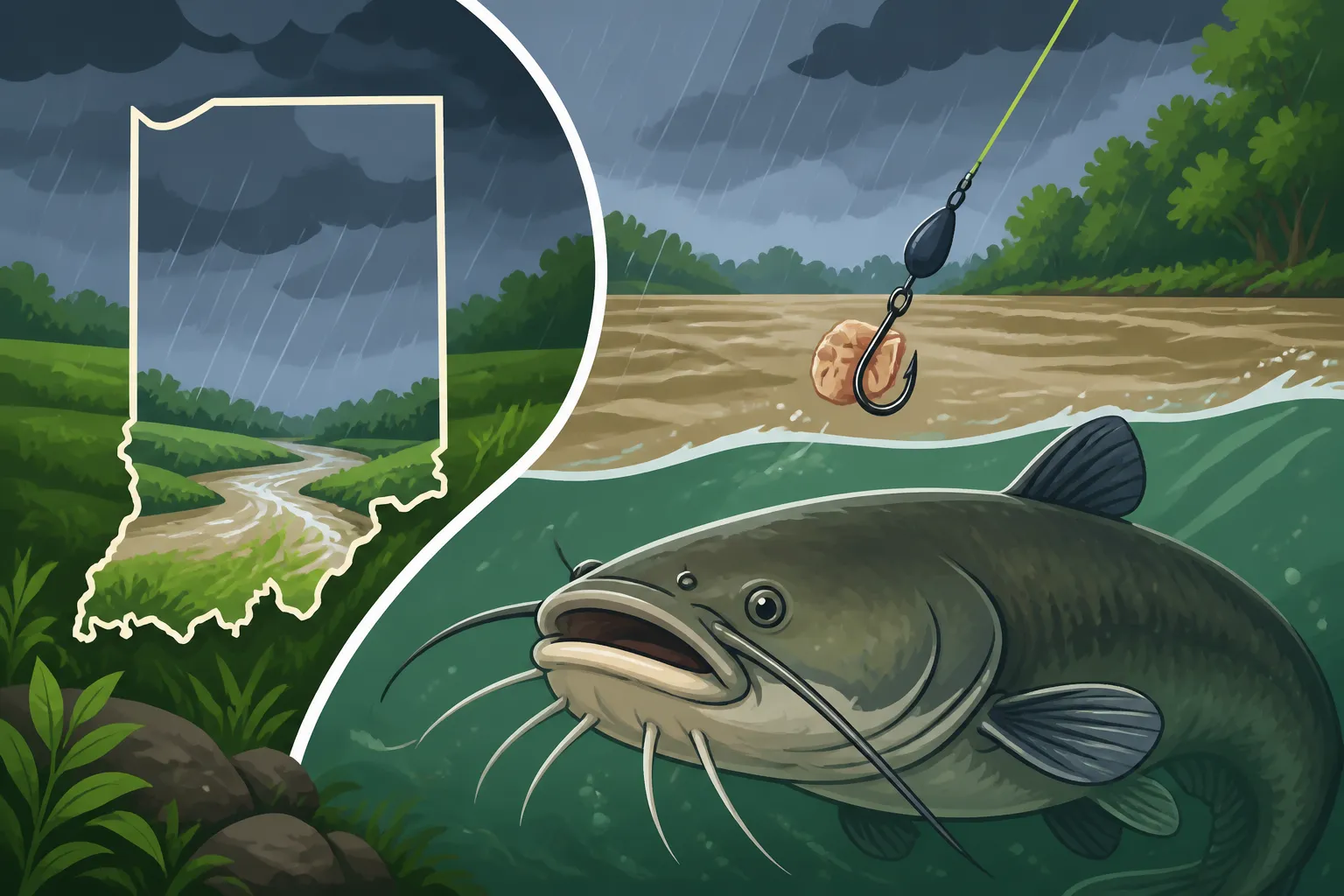
There's nothing quite as frustrating as planning a fishing trip, only for Mother Nature to throw a wrench in your plans with a torrential downpour. You get out to your favorite spot and see the water is high, muddy, and roaring, making you wonder if the fish have all packed up and left. But for us catfish anglers in Indiana, heavy rain isn't always a bad thing; in fact, it can create some of the best fishing conditions if you know how to adapt. This guide will dive deep into how to transform those post-rain challenges into incredible opportunities to land some big Hoosier cats.
Understanding Catfish Behavior After Heavy Rain
When the skies open up and the rain comes down hard, it fundamentally changes the aquatic environment. Rivers swell, lakes rise, and water clarity often goes from gin-clear to chocolate milk. While this might deter some fish species, it's often a call to action for catfish. Their entire world is built around scent and opportunistic feeding, and a big rain event amplifies both.
Why Catfish Become More Active
Imagine a giant dinner bell ringing across the water, but instead of a sound, it's a surge of new smells and food. That's essentially what heavy rain does for catfish. As runoff pours into rivers and lakes, it washes all sorts of terrestrial goodies into the water – think worms, insects, larvae, and other organic debris that were previously on dry land. These sudden influxes of protein are like a buffet line opening up, and catfish, being the ultimate scavengers, are quick to capitalize.
Furthermore, the increased current and turbulence caused by heavy rain stir up the bottom sediment. This isn't just mud; it's a cloud of disturbed detritus, microorganisms, and even smaller invertebrates that get dislodged. All of this creates a pungent, nutrient-rich plume that catfish can detect from surprisingly far away, thanks to their highly developed olfactory senses. For species like channel catfish, which rely heavily on scent, this is a prime feeding opportunity.
Where Catfish Relocate Post-Downpour
One of the biggest mistakes anglers make after heavy rain is fishing the same spots they would on a calm, clear day. Catfish are smart; they won't fight a raging current unnecessarily. Instead, they strategically move to areas where they can ambush food without expending too much energy.
You'll often find them congregating in current breaks – places where the fast-moving water meets slower water. This could be behind a large rock, a fallen tree, or along the inside bend of a river. The mouths of tributaries, creeks, and even drainage ditches that are dumping fresh, muddy water into a larger body are absolute gold mines. These inflows bring both fresh food and slightly warmer or cooler water, depending on the rain's temperature, creating a dynamic zone that catfish love. Newly flooded areas, like submerged fields, grassy banks, or brush piles, also become temporary feeding grounds. The water might be shallower, but the influx of food and cover makes them irresistible. Anglers who learn to pinpoint these subtle current changes and new food sources will significantly increase their success. For more general advice on where to find them, check out our guide on Best Catfish Fishing Spots in Indiana.
The Impact of Water Temperature and Clarity
While the scent trail is paramount, water temperature and clarity also play roles in catfish behavior. Generally, a warm rain on cooler water can sometimes kick-start their metabolism, making them more aggressive. Conversely, a sudden cold rain might initially put them off, but the food influx usually overrides this initial shock.
The muddy, turbid water is actually a huge advantage for catfish. Unlike sight-feeding fish, catfish don't rely on their eyes as much. The reduced visibility means their incredible sense of smell and touch (via their barbels) become their primary tools for hunting. This puts them on a more even playing field with their prey and can make them less wary of anglers. However, it also means your bait needs to be highly potent and placed directly in their strike zone, as they won't be chasing anything down visually. Understanding these nuances helps you choose the right bait and presentation, which we'll discuss later.
Prime Locations and Techniques for Post-Rain Catfishing
Now that we understand why catfish behave differently after heavy rain, let's talk about where to find them and how to catch them. This isn't your everyday fishing, so you'll need to adjust your approach.
Targeting Inflow and Current Breaks
The absolute best places to start looking for catfish after heavy rain are where new water is entering a system. Think about the smaller creeks, drain tiles, or even roadside ditches that flow into rivers like the Fishing the Wabash River in Indiana or the Fishing the White River in Indiana, or into larger lakes and reservoirs like Monroe or Patoka. These areas are funneling in all that washed-out food and often create a distinct current break.
Position your boat or cast from the bank just downstream of where this new water enters. Look for visible signs of a current seam – a line where faster, murkier water meets slower, slightly clearer (or at least less turbulent) water. Catfish will sit in that slower water, waiting for the current to deliver a meal right to them. You might also find them in eddies, which are circular currents of water often found behind obstacles. These areas offer respite from the main flow while still providing access to drifting food. Anchoring upstream of an eddy and letting your bait drift into it can be incredibly effective.
Fishing Submerged Structures and Overrun Banks
Heavy rain often leads to rising water levels, which can flood normally dry areas or submerge new structures. These newly inundated zones become instant catfish magnets. Overrun banks, fields, and brushy areas that are now under a few feet of water provide both cover and a fresh source of terrestrial food. Think about tree lines, fence rows, or even just patches of tall grass that are now underwater.
Casting into these submerged structures can be tricky due to the increased risk of snags, but the reward can be substantial. Use stout gear to muscle fish out of heavy cover. If you're fishing from a boat, you might even consider slowly drifting parallel to these newly flooded shorelines, allowing your bait to bump along the bottom where catfish are likely foraging. Just be mindful of submerged debris that might not be visible on the surface.
Effective Rigging and Bait Presentation
When dealing with strong currents and muddy water, your rigging and bait presentation become critical. The goal is to get your bait directly to the catfish, keep it there, and ensure it's pumping out a maximum scent trail.
A slip-sinker rig, often called a Carolina rig, is a fantastic choice. It allows the fish to take the bait without feeling the weight of the sinker, and it's less prone to snagging than a fixed-weight rig. For heavier currents, a Santee Cooper rig, which uses a small float a few inches above the hook to lift the bait slightly off the bottom, can prevent your bait from getting buried in muck. When learning how to set up your lines, refer to our guide on Catfish Bottom Fishing Techniques.
Use heavier sinkers than you normally would to ensure your bait stays put. Pyramid or no-roll sinkers are excellent for holding bottom in current. As for the bait, remember that visibility is low, so scent is king. You want a bait that will create a strong, appealing plume in the water. We'll get into specific bait choices in the next section. Your presentation should be fairly static – cast your bait, let it settle, and then wait. Catfish aren't likely to chase a fast-moving lure in these conditions; they're waiting for food to come to them.
Essential Gear and Scented Baits for Muddy Waters
Having the right tools for the job can make all the difference, especially when you're battling strong currents and wary fish in less-than-ideal conditions. Don't skimp on your setup when targeting catfish after a deluge.
Rods, Reels, and Line for High Water
You're going to need a robust setup to handle the challenges of post-rain catfishing. That means moving beyond your typical medium-action bass rod.
- Rods: Opt for a medium-heavy to heavy action rod, typically 7 to 9 feet long. The extra length helps with casting heavier weights and controlling fish in current. The strong backbone is essential for setting hooks in tough mouths and steering powerful catfish away from snags. Look for rods designed for catfish or even heavy-duty surf fishing rods if you're targeting really big fish in raging rivers. Our article on Best Catfish Rods for Indiana Rivers has some great recommendations.
- Reels: A sturdy baitcasting reel with a good drag system is often preferred for its power and line capacity, especially if you're using heavy mono or braid. However, a robust spinning reel in the 4000-6000 size range can also work, especially for channel cats. Ensure your reel can hold at least 150-200 yards of 20-30lb test line.
- Line: For muddy, high-water conditions, I usually recommend a good quality monofilament line in the 20-30lb test range, or braided line of 30-65lb test. Monofilament offers some stretch, which can be forgiving when a big cat makes a sudden run, and it's generally more abrasion-resistant against submerged debris. Braided line offers superior sensitivity and incredible strength-to-diameter ratio, allowing for more line capacity and better hook sets, but it has no stretch. If using braid, consider a monofilament leader for added abrasion resistance and knot strength. You can find excellent options for all these categories on platforms like Amazon.
The Power of Scent: Best Baits Post-Rain
As we've emphasized, scent is everything in muddy water. You need baits that practically scream "eat me!" to a catfish.
- Cut Bait: This is arguably the king of catfish baits in these conditions. Fresh cut bait, like shad, skipjack herring, or even bluegill, releases powerful oils and blood into the water, creating an irresistible scent trail. Cut the fish into chunks or strips. The fresher, the better. Many anglers swear by the effectiveness of local baitfish.
- Stink Baits: These specially formulated baits are designed to be incredibly pungent and are fantastic for channel catfish. They come in various forms – dough balls, dips, or punch baits – and are packed with potent odors. Brands like Whisker Seeker Tackle and Catfish Charlie offer excellent options that are readily available at most tackle shops and often on Amazon.
- Chicken Livers: A classic for a reason. Chicken livers are messy but incredibly effective due to their strong scent and soft texture, which allows them to "bleed" scent into the water. They can be a bit challenging to keep on the hook in strong current, but special bait holders or mesh can help.
- Nightcrawlers: While not as potent as cut bait or stink bait, a large wad of nightcrawlers can still be effective, especially for bullheads and smaller channel cats, as they mimic worms washed in by rain.
For a deeper dive into bait selection, check out our guide on Best Cut Bait for Catfish Fishing and Best Bait for Channel Catfish in Indiana Rivers. Remember, the goal is to create the strongest possible scent signature in the turbid water.
Terminal Tackle for Strong Currents
Your terminal tackle needs to be as robust as your rod and reel.
- Hooks: Circle hooks are highly recommended for catfish, especially when using larger baits. They virtually guarantee a hook set in the corner of the fish's mouth, minimizing gut-hooking and making releases easier if you're practicing catch and release. Sizes 4/0 to 8/0 are common, depending on your target size.
- Weights: You'll need heavier sinkers to combat the current and keep your bait on the bottom where catfish are feeding. Pyramid sinkers, flat no-roll sinkers, or even heavy bank sinkers are good choices. Don't be afraid to go up to 2-4 ounces or even more in very strong currents. Our piece on Best Catfish Rigs for Muddy Water offers more insights into managing weight.
- Swivels: High-quality barrel or snap swivels are crucial to prevent line twist, especially when using cut bait that might spin in the current. They also provide a strong connection point between your main line and leader.
Safety Considerations and Common Mistakes to Avoid
Fishing after heavy rain can be incredibly rewarding, but it also comes with increased risks. Safety should always be your top priority.
Water Safety and Awareness
High water levels and strong currents are no joke. What might look like a calm stream on a normal day can become a raging torrent after a significant rain.
- Current Strength: Never underestimate the power of fast-moving water. Even shallow, swift currents can knock you off your feet. If you're fishing from the bank, be aware that the ground might be soft and unstable, especially near the water's edge.
- Submerged Debris: Heavy rain washes all sorts of debris into the water, from small branches to entire trees. This can create unseen hazards for boats and can snag your lines relentlessly if you're not careful. Always wear a life jacket if you're on or near the water, especially in unfamiliar or high-current areas. Inform someone of your fishing plans and expected return time. Check local river gauges or water level reports before heading out.
- Wading Dangers: Wading in high or fast-moving water is extremely dangerous and should generally be avoided. The bottom can be uneven, slippery, and unseen drop-offs are common. Stick to solid ground or a stable boat.
Avoiding Common Post-Rain Pitfalls
Beyond safety, there are several common mistakes anglers make that can lead to frustration when fishing after heavy rain.
- Fishing the Main Current: As mentioned, catfish will seek refuge from the strongest currents. Casting directly into the fastest water is often a waste of time and will likely result in your bait being washed away or snagged. Focus on the edges, eddies, and slower pockets.
- Using Light Tackle: Attempting to fish with ultralight gear is a recipe for disaster. The combination of heavy weights, strong currents, and potentially large, powerful fish will quickly overwhelm light rods and reels. You'll lose tackle and fish.
- Neglecting Scent: If your bait isn't giving off a strong scent in muddy water, catfish will struggle to find it. Don't rely on visual appeal; focus on the olfactory. Make sure your bait is fresh, pungent, and creating a good scent trail.
- Impatience: Fishing in these conditions can require more patience. The fish are there, but you might need to give them time to find your bait in the murk. Don't reel in and recast every few minutes. Let your bait soak for a good 15-20 minutes before checking it.
Checking Regulations and Licenses
Even when the fishing is hot, all state regulations still apply. Before you head out, make sure your Indiana Fishing License Requirements Explained are up to date. Be aware of daily bag limits for species like channel catfish and flatheads, as well as any length limits that may be in effect for particular bodies of water. A quick check of the Indiana DNR website will give you the most current information. Ignoring regulations can lead to fines and spoil an otherwise great day on the water.
Fishing after heavy rain for catfish in Indiana can be an incredibly exciting and productive experience, far from the washout many anglers fear. By understanding how catfish react to these changes, focusing on the right locations, using potent baits, and prioritizing safety, you'll be well on your way to a successful day on the water, turning those muddy waters into a catfish angler's paradise.
Post-Rain Catfish Bait Selection
Here's a quick look at some of the most effective baits for enticing catfish in the murky, post-rain conditions.
| Bait Type | Primary Scent/Feature | Best for Species | Application in Muddy Water | Availability |
|---|---|---|---|---|
| Fresh Cut Bait (Shad, Bluegill) | Oily, bloody, natural scent | Channel, Flathead | Releases strong scent plume; large pieces stand out | Local bait shops, caught fresh |
| Prepared Stink Baits | Highly pungent, formulated | Channel | Designed to maximize scent dispersion in turbid water | Tackle shops, Amazon |
| Chicken Livers | Strong blood scent | Channel, Bullhead | Soft texture allows rapid scent dispersal; use bait holders | Grocery stores, some bait shops |
| Nightcrawlers (Wad) | Earthy, natural worm scent | Channel, Bullhead | Mimics washed-in terrestrial food; use multiple worms | Tackle shops, gardens, Amazon |
| Pre-Treated Baits (Dough, Punch) | Concentrated scent, sticky | Channel | Stays on hook well, slowly dissolves releasing scent | Tackle shops, specialty stores |
Disclaimer: Fishing regulations, conditions, and fish behavior can change. Always check the latest Indiana Department of Natural Resources regulations before fishing. Exercise caution and prioritize safety when fishing near water, especially after heavy rain.