Best Tackle Box Organizers for Anglers
Oh, the dreaded tangled mess at the bottom of the tackle box! We've all been there, fumbling around, trying to untangle a treble hook from a spinnerbait while the fish are biting, or worse, finding that your favorite, perfectly painted crankbait has a rusty hook because it was left sitting in a puddle. It's frustrating, it's inefficient, and it can absolutely ruin a perfectly good day on the water. But fear not, fellow Hoosier anglers! This guide is all about helping you conquer the chaos and get your gear organized, so you can spend less time untangling and more time catching.
The Frustration of a Disorganized Tackle Box
Let's be real: there's nothing romantic about a messy tackle box. It's a source of anxiety, lost opportunities, and sometimes, even minor injuries from rogue hooks. We invest good money and time into our fishing gear, and seeing it in disarray just doesn't sit right.
The True Cost of Clutter: Time, Money, and Missed Fish
Think about it: you're out on your favorite Indiana lake – maybe Monroe or Patoka – and the bass are busting shad on the surface. You know you have that perfect topwater lure somewhere, but it's buried under a pile of soft plastics, tangled with a spinnerbait, and the hooks are snagged on a stray bobber. By the time you dig it out, untangle it, and get it tied on, those fish have vanished, and the moment is gone. That's the real cost of clutter: missed opportunities.
Beyond the lost fish, there's the monetary drain. How many times have you bought a new pack of hooks or a specific lure, only to discover later, buried deep in your tackle box, that you already owned three of them? Guilty as charged! Disorganization leads to duplicate purchases because you can't quickly see what you have. Then there's the wear and tear. Lures rattling around, hooks getting bent, soft plastics getting crushed or melting together in the heat – it all shortens the lifespan of your gear, forcing you to replace items more frequently. A well-organized tackle box protects your investment and ensures your gear is ready when you are.
Beyond the Basics: What a Good Organizer Really Does
A good tackle box organizer isn't just about putting things in neat rows; it's about optimizing your entire fishing experience. For starters, it provides vital protection for your lures and terminal tackle. Those expensive crankbaits with their delicate bills and razor-sharp hooks need to be separated and protected. Imagine reaching for a jig and finding the hook point dulled because it's been bouncing around with a lead weight. A quality organizer prevents this kind of damage.
Secondly, it dramatically increases your efficiency on the water. When you know exactly where every jig, every hook, every swimbait is, you can make quick lure changes, adapt to changing conditions, and spend more time with your line in the water. This is especially crucial during a hot bite or in tournament situations where every second counts. Whether you're targeting big bass on Lake Wawasee or crappie on a smaller pond, quick access to your gear can make all the difference. Finally, a good organizer helps prolong the life of your gear by minimizing corrosion and physical damage. Many modern utility boxes offer watertight seals, which are a godsend for preventing rust, especially when you're dealing with the damp conditions often found near water.
Types of Tackle Box Organizers: Finding Your Perfect Match
Just like there are different types of fishing, there are different types of tackle box organizers, each with its own strengths and weaknesses. What works for a casual bank angler might not cut it for a dedicated tournament bass fisherman.
Classic Tray Boxes: The Old Standby
Ah, the classic tray box. Most of us probably started with one of these. You know the kind: a hard plastic shell with hinged trays that fan out when you open the lid. They're iconic, almost nostalgic, and for many anglers, they still get the job done.
These boxes typically feature multiple tiers of trays, each with fixed or sometimes adjustable compartments. The biggest pro here is familiarity and immediate visibility; you open it up, and everything is laid out before you. They're great for generalists who carry a wide variety of tackle for different species or for beginners who are just building their collection. They offer a simple, straightforward way to separate hooks from sinkers, and bobbers from small lures.
However, they do have their downsides. Classic tray boxes can be quite bulky and, because of their hinged design, often aren't very customizable or watertight. Items can shift around easily, especially if you're bouncing across the lake in a boat or carrying it through dense brush to a remote fishing spot. That perfectly organized tray can quickly turn into a chaotic jumble after a bumpy ride, leading back to those rusty hook frustrations we talked about. They're not usually the best choice if you have a lot of specialized gear or need robust waterproofing.
Utility Boxes and Soft-Sided Bags: Modern Versatility
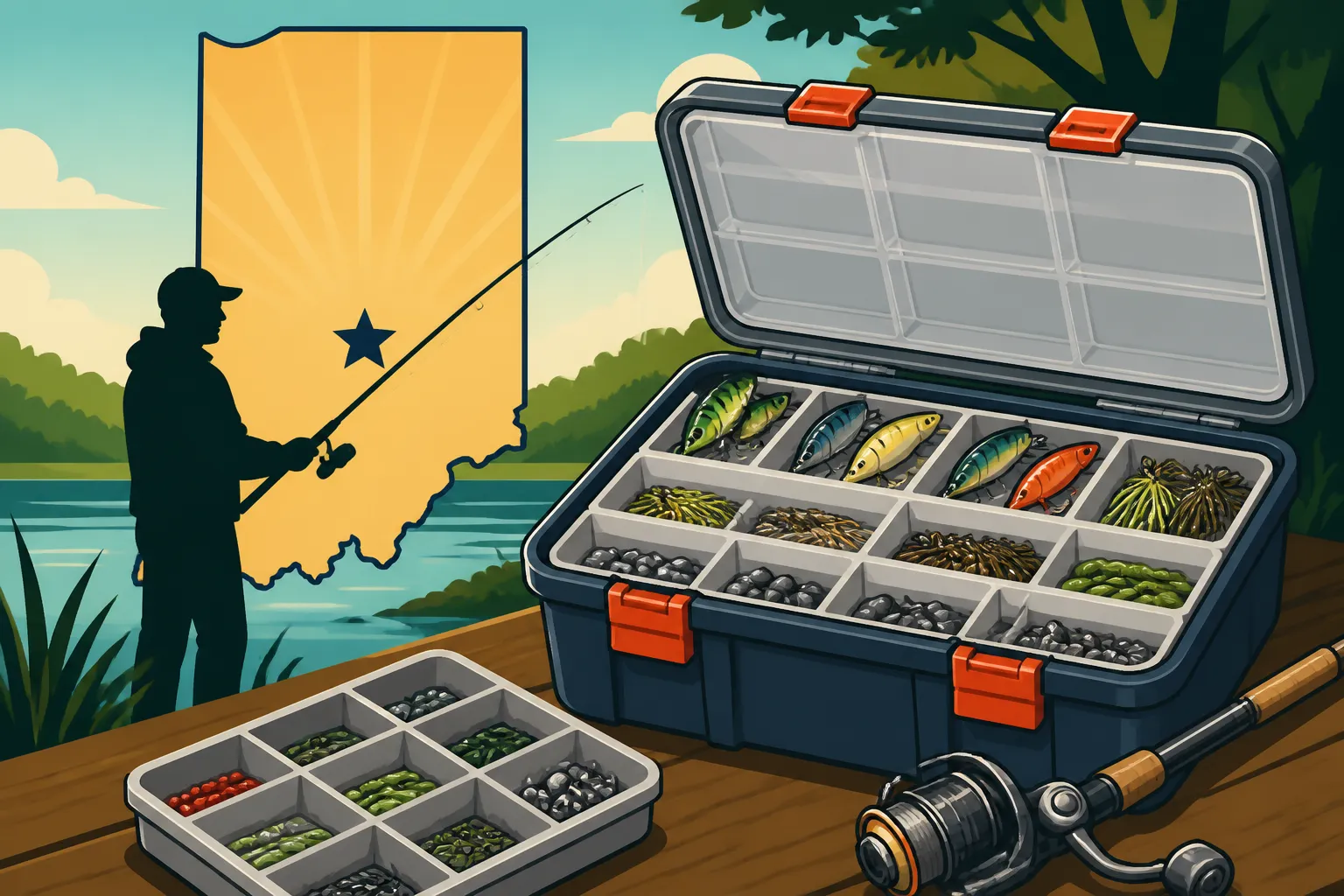
This is where things get really interesting for many serious anglers today. Utility boxes, often referred to as "3700 series" or "3600 series" (referring to standard dimensions), are individual, usually clear plastic boxes with customizable dividers. These are the workhorses of the modern tackle organization world.
The beauty of utility boxes lies in their modularity and customization. You can dedicate one box entirely to crankbaits, another to jigs, and a third to soft plastics. This allows you to really dial in your setup for a specific trip or species. Many utility boxes come with watertight seals, which is a huge bonus for keeping moisture out and preventing rust on hooks and lures. Brands like Plano, a staple in the fishing world, offer a wide array of these boxes. You can often find great deals on multi-packs on Amazon.
Soft-sided tackle bags are designed to hold multiple utility boxes, often stacked vertically. These bags offer easy transport, often featuring shoulder straps, external pockets for tools, and padded protection. They're fantastic for anglers who carry a lot of gear, like those pursuing muskie on James Lake, or for kayak anglers who need to secure their tackle. Kayak Fishing Setup Tips for Indiana Anglers often highlight the importance of these compact, protected systems. The main con? While the individual utility boxes can be very watertight, the bags themselves aren't always fully waterproof, and carrying multiple loaded boxes can get quite heavy.
Specialty Organizers: Designed for Specific Needs
Beyond the general-purpose options, there's a whole world of specialty organizers designed for niche tackle and techniques. These are often the unsung heroes of a truly organized system.
- Worm Binders: These are soft-sided folders with clear, zippered pages, perfect for storing soft plastic baits. They keep your plastics flat, prevent them from melting together, and allow you to see your entire selection at a glance. No more digging through bags of plastics!
- Jig Boxes: Specifically designed with individual slots or foam inserts to hold jigs upright and prevent their delicate skirts or hair from getting crushed. This is particularly useful for ice fishing or crappie fishing with dozens of tiny jigs. If you're looking into Best Tackle for Ice Fishing on Indiana Lakes, a good jig box is essential.
- Fly Boxes: For the fly angler, these slim, usually clear boxes with foam inserts protect delicate flies and keep them perfectly organized by size, pattern, or type.
- Leader Wallets: Compact folders with zippered compartments, ideal for keeping pre-tied leaders or spools of leader material neat and tangle-free. This is invaluable when you're fishing for wary species or need quick leader changes.
These specialty organizers are a game-changer when you're really dialing in a particular technique or targeting a specific species. While they add to the overall bulk, the efficiency and protection they offer for your most specialized gear are often worth it.
What to Look for in a Great Tackle Box Organizer
Choosing the right organizer isn't just about picking the first one you see. It involves considering several factors that will impact its effectiveness and longevity.
Durability and Material Matters: Protecting Your Investment
You wouldn't buy a flimsy rod, so why settle for a flimsy tackle box? The durability of your organizer is paramount. Look for models made from impact-resistant plastics, like polypropylene, which can withstand drops and bumps without cracking. Strong, reliable latches are also non-negotiable. There's nothing worse than a tackle box popping open when you pick it up, spilling hooks and weights everywhere. Many anglers swear by the robust latches found on higher-end utility boxes you can find at stores like Bass Pro Shops.
Waterproofing and water resistance are also critical, especially here in Indiana where you can encounter anything from a sudden downpour to heavy morning dew. A good watertight seal, often indicated by a rubber gasket, will protect your hooks and lures from rust and corrosion. Even if your entire bag isn't submersible, having individual utility boxes with good seals will save you countless dollars in ruined tackle. Furthermore, if you fish with plastic lures, consider organizers that offer UV protection, as prolonged exposure to sunlight can degrade soft plastics and even cause some colors to bleed.
Customization and Compartments: Tailoring to Your Tackle
This is arguably the most important feature for serious anglers. The ability to customize your compartments is key. Most modern utility boxes come with a plethora of adjustable dividers, allowing you to create compartments perfectly sized for your specific lures, whether they're tiny panfish jigs or bulky deep-diving crankbaits.
Look for organizers with a variety of compartment sizes, or at least a system that allows you to configure them in many different ways. Clear lids are another huge plus, enabling you to quickly identify the contents of each box without having to open it. This saves precious time when you're searching for that specific Best Lures for Summer Fishing or just doing a quick inventory. For soft plastics, consider boxes with dedicated, separate compartments or the aforementioned worm binders to prevent different plastic types from leaching chemicals and melting together, which can happen with certain brands.
Portability and Ergonomics: Easy to Carry, Easy to Use
Your tackle organizer needs to be practical to carry and use, especially if you're hiking to shore fishing spots or navigating a crowded boat. For soft-sided bags, look for comfortable, padded shoulder straps and sturdy carrying handles. If you often carry multiple utility boxes, consider a bag with external pockets for quick-access items like pliers, line cutters, or your fishing license.
For utility boxes, consider their stackability. Many are designed to interlock or stack neatly, which is great for storing them in a boat compartment or garage. Also, think about the overall weight when fully loaded. While it's tempting to bring every lure you own, a heavy, unwieldy tackle system can quickly become a burden, especially if you're doing a lot of walking or moving around in a small boat. Sometimes, bringing fewer, but well-chosen, items in a compact, well-designed organizer is the smarter play.
Organizing Your Tackle for Indiana Waters: Practical Strategies
Now that we've covered the different types and features, let's talk strategy. How can you effectively organize your tackle specifically for fishing Indiana's diverse waters?
Species-Specific Organization: Focus Your Efforts
One of the most efficient ways to organize your tackle is by targeting specific species. This means you can grab the "bass box" or the "walleye box" and know you have everything you need for that particular outing.
- Bass Box: For a dedicated bass angler, you might have one utility box for crankbaits, separated by diving depth or color. Another could be for jigs (flipping jigs, football jigs, swim jigs), and a third for all your soft plastics – worms, creatures, flukes. For more detailed setup, check out How to Set Up a Tackle Box for Bass Fishing. This approach ensures you have the right tools for Largemouth Bass Fishing in Indiana: The Complete Guide at your fingertips.
- Panfish Box: This would be a smaller, perhaps classic tray box or a few compact utility boxes. It would hold an assortment of small jigs, tiny spinners, bobbers, hooks (sizes 6-10), split shot, and maybe some small artificial baits. For tips on how to use them, read Crappie and Panfish Fishing Techniques for Beginners.
- Walleye Box: If you're after walleye in places like the glacial lakes, your box might include blade baits, various jig heads, soft plastic paddle tails, and a selection of crankbaits for trolling or casting. Don't forget your bottom bouncers and spinner rigs! This tailored approach is perfect for Indiana Walleye Fishing: A Complete Guide.
- Lake Michigan Salmon/Trout Box: This is a whole different beast! You'd need specific spoons, flashers, dodgers, and perhaps some specialized terminal tackle. If you're planning for the Fall Salmon Run Timing on Lake Michigan in Indiana, having a dedicated box for these larger, heavier lures is a must.
By creating these species-specific kits, you reduce clutter and ensure you're always prepared for the fish you're chasing.
Seasonal Setup: Adapting to Changing Conditions
Fish patterns change with the seasons, and so should your tackle box! What works in spring won't necessarily be effective in the dead of summer or the chill of winter.
- Spring: Focus on pre-spawn and spawn patterns. This means lighter jigs, jerkbaits, and slow-moving baits for bass, or smaller plastics for crappie. Your tackle box should reflect this, with an emphasis on baits that imitate baitfish or slow-moving forage.
- Summer: As waters warm, fish become more active, but also often seek deeper, cooler water during the day. Your summer box might feature topwater lures for early morning and late evening, deep-diving crankbaits, heavier jigs for punching through vegetation, and a wide array of soft plastics. Consider brighter colors for active fish or clear colors for clear water conditions.
- Fall: This is prime time for many species, including muskie and the salmon run on Lake Michigan. Your fall tackle might include larger baits, reaction lures, and gear appropriate for chasing aggressive fish. If you're heading to the St. Joseph River for steelhead, you'll need different setups entirely. Check out Muskellunge Fishing in Indiana: What Anglers Need to Know for specific lure advice.
- Winter: For those brave enough to venture out on the hard water, your ice fishing tackle box will be completely different. It will contain small jigs, tip-ups, specialized ice fishing line, and compact tools. A dedicated box for these tiny, specialized lures is crucial, as covered in Best Tackle for Ice Fishing on Indiana Lakes.
Periodically reviewing and rotating your tackle based on the season will keep your primary boxes lean, mean, and ready for action.
Maintenance and Best Practices: Keeping Your Gear Pristine
Even the best organizer is only as good as the angler maintaining it. A little proactive care goes a long way in protecting your gear and ensuring it performs when it matters most.
First, always rinse your lures with fresh water after a saltwater trip (if you ever take a road trip to the coast!) or even after a day on a heavily mineralized lake. This helps remove corrosive elements. Secondly, always dry your soft plastics before putting them back in their compartments, especially if they've been sitting wet in a bait bag. Moisture can lead to mold and also make plastics stick together.
Regularly lubricate hooks and check for rust. If you find rusty hooks, replace them immediately. A dull or rusty hook will cost you fish. Consider carrying a small hook file or sharpener to keep your points needle-sharp. Periodically, take everything out of your organizers, clean the boxes themselves, and do an inventory. This is a great time to declutter, get rid of broken lures, tangled line scraps, or items you haven't used in years. It’s also an excellent opportunity to make sure your Best Rods and Reels for Indiana Largemouth Bass or Best Tackle for Crappie Fishing in Indiana are properly paired with the right lures and terminal tackle in your newly organized boxes.
Maintaining a clean and organized tackle box isn't just about neatness; it's about being prepared, efficient, and ultimately, a more successful angler.
Here's a quick comparison of popular tackle box organizer types:
| Organizer Type | Best For | Pros | Cons |
|---|---|---|---|
| Classic Tray Box | Generalists, beginners, basic tackle | Intuitive, multi-tiered access, familiar | Bulky, less customizable, items can shift, often not waterproof |
| Utility Boxes | Specialized techniques, modular systems | Highly customizable, many waterproof options, stackable, clear lids | Can get heavy, requires multiple boxes, may need a carrying bag |
| Soft-Sided Bags | Mobile anglers, kayak fishing, carrying many | Easy transport, padded protection, spacious, external pockets | Items can shift without internal organization, bags not always waterproof |
| Specialty Boxes | Specific lures (worms, jigs, flies, leaders) | Perfect fit for niche tackle, optimized protection | Limited versatility, often single-purpose, adds to overall bulk |
Remember, the best tackle box organizer isn't necessarily the most expensive one, but the one that best suits your fishing style, the species you pursue, and how you access and transport your gear. Happy organizing, and tight lines, Hoosier anglers!
Disclaimer
This article is for general informational purposes only and does not constitute professional advice. Laws, prices and regulations vary by location and change over time. Consult a qualified professional for guidance on your specific situation.