Best Piers for Salmon Fishing in Northwest Indiana
Finding prime salmon fishing spots along Indiana's Lake Michigan shoreline can feel like a real treasure hunt, especially if you're like many anglers who don't have a boat. The frustration of watching others head out while you're left on shore is real, but thankfully, Northwest Indiana offers some fantastic piers that put you right in the thick of the action. This comprehensive guide will walk you through the very best piers for salmon fishing in this corner of the Hoosier State, detailing everything from location specifics to the gear and techniques that will give you the best shot at landing a magnificent Chinook or Coho.
Why Pier Fishing for Salmon in Northwest Indiana is a Game Changer
There’s a unique charm and undeniable advantage to pier fishing for salmon, particularly in an area like Northwest Indiana where the big lake can be intimidating for shore-bound anglers. It's not just about convenience; it's about strategic positioning.
The Accessibility Advantage of Piers
Let's be honest, not everyone has access to a boat, and for many, that can feel like a huge barrier to serious fishing, especially when targeting prized species like salmon. This is where piers truly shine. They offer unparalleled accessibility, allowing you to walk right out into deeper water that would otherwise be unreachable from shore. You don't need a fancy rig, a boat launch, or even extensive boating experience. Just grab your rod, tackle box, and a cooler, and you're ready to go.
Many of these piers are located within well-maintained parks, like the ones managed by Indiana Dunes National Park or local municipalities, offering amenities such as ample parking, clean restrooms, and sometimes even bait shops or concession stands nearby. This makes pier fishing an incredibly family-friendly activity, a perfect way to introduce kids to the thrill of a big fish fight without the complexities of a boat trip. For those looking to plan a trip, a quick search on sites like FishingBooker can often reveal local guides who focus on pier techniques or even boat charters for those who decide to venture further out on Lake Michigan.
Prime Locations for Salmon Migration
Piers aren't just convenient; they are strategically located structures that act as natural bottlenecks and congregation points for salmon. As Chinook and Coho salmon prepare for their annual spawning runs in the fall, they cruise along the shoreline of Lake Michigan, often following temperature breaks, current seams, and food sources. Piers, extending far out into the lake, effectively intercept these migratory paths.
Think of them as long fingers reaching into the salmon highway. The deeper water accessible from the end of a pier often holds cooler temperatures and provides a sanctuary for these fish before they push into tributary streams. When the salmon are "staging" – gathering near the mouths of rivers and streams before their final push upstream – these piers become hot spots. The concrete and rock structures also create eddies and current breaks where baitfish gather, which in turn attracts hungry salmon. Understanding this dynamic is key to successful pier fishing, as these fish aren't just randomly swimming by; they're often following predictable patterns influenced by the pier itself.
Top Piers for Salmon Fishing in Northwest Indiana
Northwest Indiana boasts several excellent piers that consistently produce salmon, especially during the peak fall run. Each offers a slightly different experience and set of opportunities, so let's dive into what makes them stand out.
Michigan City Lighthouse Pier
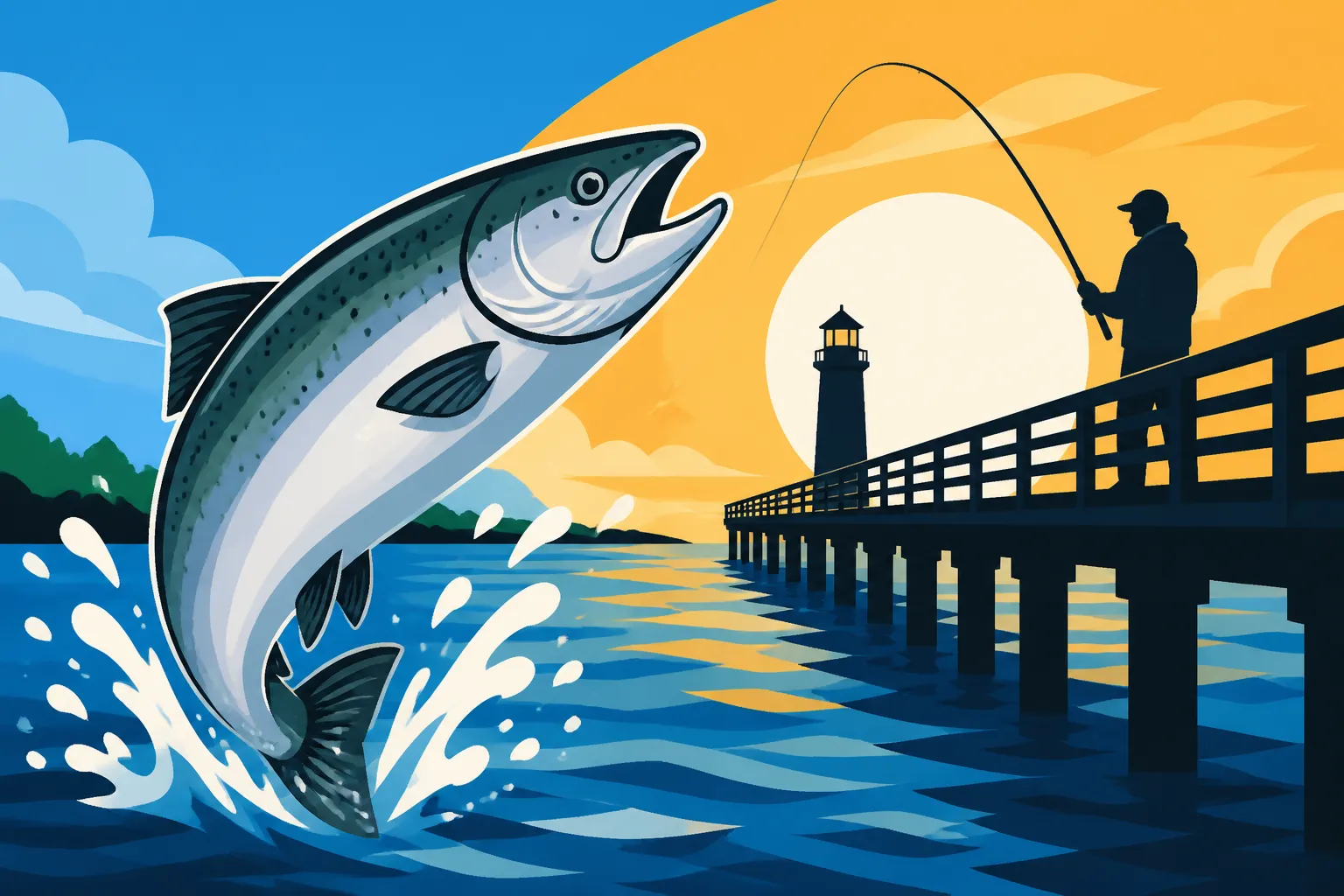
If you've ever heard anyone talk about salmon fishing in Indiana, the Michigan City Lighthouse Pier is almost certainly one of the first places they'll mention. This iconic pier, located in Michigan City, Indiana, is practically legendary. It stretches a significant distance into Lake Michigan, offering access to deep water and strong currents that are ideal for intercepting both Chinook and Coho salmon.
During the late summer and fall, this pier becomes a bustling hub of activity. Anglers line up, sometimes shoulder-to-shoulder, casting a variety of spoons, stickbaits, and even drifting spawn under bobbers. The pier’s length means you can often find different fishing conditions along its span; closer to shore, you might find some brown trout or steelhead, while the far end is prime real estate for cruising salmon. The sheer amount of fish that pass by this pier during the Fall Salmon Run Fishing on Lake Michigan in Indiana is incredible. Be prepared for crowds, especially on weekends and during the peak of the run, but the payoff can be worth it. Many anglers specifically seek out Chinook Salmon Fishing Access in Michigan City, Indiana due to the pier's reputation.
Portage Lakefront and Riverwalk Park Pier
Further west, in Portage, you'll find the Portage Lakefront and Riverwalk Park Pier. This spot offers a unique advantage due to its proximity to the mouth of the Burns Waterway, a major conduit for migratory fish. The pier itself extends out into Lake Michigan, but the surrounding area, including the calmer waters inside the harbor and along the riverwalk, also provides excellent opportunities.
Salmon, especially Coho, will stage outside the Burns Waterway and often move in and out with the currents, making the pier an ideal vantage point. You might find success casting spoons and crankbaits off the pier into the open lake, or if the fish are closer to the mouth of the waterway, drifting spawn sacs or casting smaller jigs. This location also offers good potential for steelhead, which often follow the salmon runs into the tributaries. The park facilities are excellent, with a beautiful beach, a pavilion, and plenty of parking, making it a comfortable spot for a full day of fishing. Sometimes, booking a local guide through FishingBooker can help you understand the nuances of fishing near a river mouth like this.
East Chicago Marina Pier
The East Chicago Marina boasts a robust pier system that provides excellent shore access to Lake Michigan's migratory fish. This location is particularly appealing due to its accessibility and generally well-maintained surroundings. The pier extends into prime salmon territory, and the breakwall sections also offer varied fishing opportunities.
While not as universally famous as Michigan City, the East Chicago Marina Pier can be a real sleeper hit, especially if you're looking for a slightly less crowded experience than some of the more well-known spots. Anglers here often target Chinook and Coho salmon using similar techniques—casting spoons, retrieving stickbaits, and setting up bottom rigs with spawn or cut bait. Beyond salmon, you might also hook into brown trout or even yellow perch here, adding some diversity to your catch. The marina facilities are top-notch, with good parking and services, making it a convenient option for a day trip. Always remember to check the Lake Michigan Fishing Rules for Indiana Anglers before heading out, as regulations can differ from inland waters.
Hammond Marina Pier Perkinston Park
For anglers in the far western part of Northwest Indiana, the Hammond Marina Pier at Perkinston Park is a fantastic option. This area offers substantial pier and breakwall access, extending into deeper lake waters known to hold migrating salmon. It's often a bit less crowded than the Michigan City pier, which can be a huge plus, especially during the busiest times of the fall run.
The multi-faceted structure of the Hammond Marina area means you have several angles to fish from. You can cast off the main pier into the open lake, or work the protected waters within the marina walls. This flexibility allows you to adjust your approach based on wind direction, wave action, and where the fish are holding. Chinook and Coho are the primary salmon species targeted here, but lake trout and brown trout are also common catches, particularly early and late in the season. Like other municipal piers, the facilities are typically good, making it a comfortable and productive spot to spend a day chasing salmon. For insights into the best gear to use, consider checking out articles like "What to Bring for Indiana's Fall Salmon Run."
Essential Gear and Techniques for Pier Salmon Fishing
Successfully landing a powerful salmon from a pier requires more than just showing up; it demands the right gear and an understanding of effective techniques. These fish are strong, fast, and often quite wary.
Rods, Reels, and Line Choices
When you’re staring down the possibility of hooking into a 15-pound Chinook or a feisty Coho, your tackle needs to be up to the task. Light tackle won't cut it.
- Rods: You'll want a medium-heavy to heavy power spinning or baitcasting rod, typically 8 to 10 feet long. This length is crucial for casting longer distances, reaching deeper water, and providing leverage to steer a big fish away from pier pilings or other anglers' lines. A fast action tip is beneficial for detecting subtle bites, while the powerful backbone helps set the hook and fight the fish. Brands like Ugly Stik or St. Croix often offer durable, sensitive rods perfect for this application.
- Reels: A sturdy spinning reel in the 4000 to 6000 size range, or a baitcasting reel with a good drag system, is essential. Look for reels with smooth, reliable drags that can handle sustained runs from powerful fish. Line capacity is also key; you need enough line to let a salmon run without getting spooled.
- Line: For your main line, 20-30 pound braided line is a popular choice due to its sensitivity, strength, and thin diameter, which aids in casting distance. However, braid is highly visible, so you'll want to use a fluorocarbon leader of 15-25 pound test, typically 3 to 6 feet long. Fluorocarbon is nearly invisible in water and more abrasion-resistant, crucial for fish with sharp teeth or fighting around pier structures. Some anglers prefer 15-20 pound monofilament for its stretch and shock absorption, which can be forgiving when a big salmon makes a sudden run.
Best Baits and Lures for Pier Salmon
Salmon are opportunistic feeders, but they can also be finicky. Having a variety of baits and lures in your tackle box is a smart move.
- Spoons: Metal spoons are perhaps the most popular and effective lures for pier salmon. Brands like Little Cleo, Krocodile, and K.O. Wobblers in sizes from 1/2 to 1 ounce are staples. Silver, gold, blue/silver, orange/gold, and chartreuse are perennial favorites. Cast them out, let them sink to your desired depth, and retrieve steadily, varying your speed.
- Crankbaits and Stickbaits: These lures imitate baitfish and are incredibly effective, especially when fish are actively chasing. Rapala Husky Jerks, Storm ThunderSticks, and Cotton Cordell Red-Fins are great choices. Silver, blue, black, and firetiger patterns work well. They're excellent for covering water and targeting fish higher in the water column.
- Natural Baits: During the spawn, salmon are often more aggressive towards natural scents. Cured salmon or steelhead spawn sacs, tied in small mesh bags, can be deadly. Drifted under a bobber or fished on the bottom with a simple egg sinker rig, they offer a natural presentation. Live or cut emerald shiners, if legal and available, can also be highly effective. Remember, the best bait choices often depend on the specific conditions and what the fish are feeding on that day, so don't be afraid to experiment!
Effective Pier Fishing Techniques
Successful pier fishing isn't just about what you throw, but how you throw it and present it.
- Casting and Retrieving: This is the most common technique. Cast your spoon or crankbait as far as you can, let it sink for a few seconds (counting down can help you reach different depths), then retrieve with a steady retrieve, adding occasional jerks or pauses to impart an erratic action. Work different depths until you find where the fish are holding.
- Drifting under a Bobber: This technique is fantastic for presenting natural baits like spawn sacs or live bait. Use a slip bobber rig that allows you to adjust your depth. Cast your setup out, and let the current carry your bait naturally along the pier or into a desired current seam. This is especially effective when fish are staging closer to river mouths or in areas with slower currents.
- Jigging: While less common for active salmon, vertical jigging with heavier spoons or lead head jigs tipped with plastics can be effective when salmon are holding directly beneath the pier or in deeper pockets. Drop your jig to the bottom and use sharp, upward lifts followed by controlled drops to entice a strike. This can be especially good for targeting Lake Michigan's Salmon and Trout when they're less active and sitting on structure.
Navigating the Challenges of Pier Fishing
Pier fishing, especially for popular species like salmon, isn't always a walk in the park. There are specific challenges that experienced anglers learn to navigate.
Dealing with Crowds and Etiquette
The fall salmon run is a major event in Northwest Indiana, and as a result, popular piers can get incredibly crowded. It's not uncommon to arrive before dawn and find anglers already lined up, sometimes with only a few feet separating them. This can be a source of frustration, but a little understanding and good etiquette go a long way.
- Respect Personal Space: Try to maintain a reasonable distance from other anglers. Don't cast over their lines or encroach on their established fishing area.
- Communicate: If you need to walk past someone, give them a heads-up. If you get tangled, calmly work it out. A polite "Excuse me" or "Mind if I cast here?" can prevent a lot of tension.
- Be Patient: Sometimes you just have to wait for a spot to open up. If you arrive late and the pier is packed, consider exploring a different pier or coming back at a less busy time, like a weekday morning.
- Share Information (Sometimes): While some anglers are notoriously secretive, many are willing to share tips on what's biting. A friendly chat can sometimes lead to valuable insights. Remember, everyone is out there for the same reason: to enjoy the sport.
- Clean Up Your Area: Always pack out everything you pack in. No one wants to fish in someone else's trash.
Weather and Water Conditions
Lake Michigan is a vast body of water, and its conditions can change rapidly, significantly impacting both fishing success and safety.
- Wind and Waves: Strong winds can make casting difficult, create dangerous waves that crash over the pier, and make it hard to feel bites. Always check the forecast before you go. West winds generally make the lake rougher, while east winds can calm it.
- Water Clarity: Salmon, especially Coho, often prefer cleaner water. After heavy rains, river mouths can become muddy, pushing fish further out into the lake or making them harder to find. Clearer water often means better visibility for the fish, and for you to spot them if they're cruising near the surface.
- Water Temperature: This is critical, particularly during the fall run. As lake temperatures drop, salmon are triggered to move closer to shore and into tributaries. Too warm, and they'll stay offshore; too cold, and they might become sluggish. A sudden cold front can sometimes shut down the bite temporarily. Understanding water temperature and fish feeding patterns is key. Always prioritize safety; if conditions look too dangerous, it’s always best to pack up and try another day.
Regulations and License Requirements
Ignorance of the law is no excuse, and getting a ticket while you're trying to relax is no fun. Indiana has specific regulations for fishing Lake Michigan.
- Indiana Fishing License: All anglers 18 years and older need an Indiana fishing license. Non-residents also need a specific license. Make sure you understand all the Indiana Fishing License Requirements Explained.
- Trout and Salmon Stamp: In addition to a general fishing license, you will also need an Indiana Trout and Salmon Stamp if you plan to fish for, or possess, trout and salmon. This applies to Lake Michigan and its tributaries. Details on this can be found in the "Indiana Trout and Salmon Stamp Requirements" guide.
- Bag and Size Limits: Pay close attention to daily bag limits and minimum size limits for each species. These can vary not only by species but sometimes by specific bodies of water. For example, Walleye Length Limits by Lake can differ, and while salmon rules are more consistent on Lake Michigan, it's always good to double-check. These regulations are in place to ensure sustainable fish populations for everyone to enjoy for years to come.
- Check DNR Website: The most up-to-date and accurate information will always be on the Indiana Department of Natural Resources (DNR) website or in their current fishing guide. Don't rely on word-of-mouth for regulations.
Maximizing Your Salmon Catch from Indiana Piers
With the right knowledge, gear, and a bit of persistence, you can significantly increase your chances of success when chasing salmon from Indiana's piers.
Timing is Everything: Best Seasons and Times
When it comes to salmon fishing, timing is paramount. These fish follow fairly predictable seasonal and daily patterns.
- The Fall Run: The absolute best time for pier salmon fishing in Northwest Indiana is during the fall run, typically from late August through November, with peak action often in September and October. This is when Chinook and Coho salmon migrate from the open lake towards the tributaries to spawn. The Fall Salmon Run Fishing on Lake Michigan in Indiana is an annual spectacle that draws anglers from all over.
- Dawn and Dusk: Just like many other predatory fish, salmon are often most active during low-light conditions. The first hour or two after sunrise and the last hour or two before sunset are prime feeding windows. Fish are more willing to venture into shallower water and less wary of human presence during these times. This is often cited as the Best Time of Day to Catch Salmon on Lake Michigan.
- Pre-Frontal Conditions: Pay attention to weather forecasts. Just before a cold front moves in, fish can often go on a feeding frenzy. The dropping barometric pressure seems to trigger them to feed aggressively. Conversely, fishing can be tough immediately after a strong front passes.
- After Big Waves: Sometimes, a few days after a period of heavy waves and rough water, the fishing can really turn on. The wave action can stir up baitfish and dislodge food, making salmon more active.
Reading the Water for Salmon
Developing an eye for "fishy" water can make a huge difference. You can't just cast blindly and expect consistent results.
- Look for Structure and Current Breaks: Piers themselves are structure, but look for subtle features like underwater rocks, changes in depth, or current seams caused by the pier. Salmon often hold in these areas, especially where moving water brings them food.
- Spotting Baitfish: If you see schools of baitfish (like emerald shiners or alewives) flipping on the surface or showing up on your fish finder (if you have a portable one), you can bet predatory fish like salmon aren't far behind.
- Observing Other Anglers: While respecting their space, observe what successful anglers are doing. What lures are they using? How are they retrieving? What depth are they targeting? Sometimes, simply noticing a pattern can unlock the bite for you.
- Use Polarized Sunglasses: These are invaluable for cutting glare off the water, allowing you to see deeper into the water column and potentially spot cruising fish or bait schools.
Beyond the Hook: Landing and Handling Salmon
Once you hook into a large salmon, the fight is just beginning, and getting it to the pier safely requires a bit of skill and the right tools.
- Use a Proper Landing Net: For large salmon, a long-handled, large-hoop landing net is absolutely essential. Trying to hoist a heavy salmon onto a pier with just your line is a recipe for disaster (and a broken line!). Make sure your net has a rubberized or knotless mesh to protect the fish if you plan to release it.
- Plan Your Fight: When you have a fish on, try to steer it away from other lines and pier pilings. Keep your rod tip up and let the drag do its job. Don't try to horse the fish in too quickly; let it tire itself out.
- Handle with Care: If you plan to release the fish, minimize its time out of the water. Support its belly, and avoid touching its gills. If you're keeping it, dispatch it quickly and humanely.
- Cleaning Your Catch: If you're successful and decide to keep your fish, be sure to bring a cooler with ice to keep your salmon fresh. Many anglers head straight home to fillet their catch, preparing it for the dinner table. Remember to always check the size and bag limits before you decide to keep a fish!
Table: Northwest Indiana Salmon Piers at a Glance
| Pier Name | Location | Primary Salmon Species | Peak Season | Key Features |
|---|---|---|---|---|
| Michigan City Lighthouse Pier | Michigan City | Chinook, Coho | Sep-Oct | Iconic, very long, deep water access, crowded |
| Portage Lakefront & Riverwalk Park Pier | Portage | Chinook, Coho, Steelhead | Sep-Nov | Near Burns Waterway mouth, excellent facilities, good for diverse species |
| East Chicago Marina Pier | East Chicago | Chinook, Coho, Brown Trout | Sep-Oct | Accessible, less crowded than Michigan City, good general lake fishing |
| Hammond Marina Pier (Perkinston Park) | Hammond | Chinook, Coho, Lake Trout | Sep-Oct | Varied fishing angles, good for multiple species, can be less crowded |
No matter which pier you choose to fish, remember that patience and persistence are your greatest assets. Sometimes the fish bite, sometimes they don't, but the opportunity to cast a line into Lake Michigan and potentially hook into a powerful salmon from the comfort of a pier is an experience many anglers cherish. Don't hesitate to check out resources like FishingBooker to scout locations or even find a local expert who can offer even more specific pier advice.
Disclaimer
The information provided in this guide is for general informational purposes only and does not constitute legal advice regarding fishing regulations. Fishing laws and regulations, including license requirements, bag limits, and size restrictions, can change frequently. Always consult the official Indiana Department of Natural Resources (DNR) website or their current fishing guide for the most up-to-date and accurate regulations before engaging in any fishing activities. Adherence to all local, state, and federal laws is the responsibility of the angler.