Are There Any Good Fishing Spots Open at Night in Indiana?
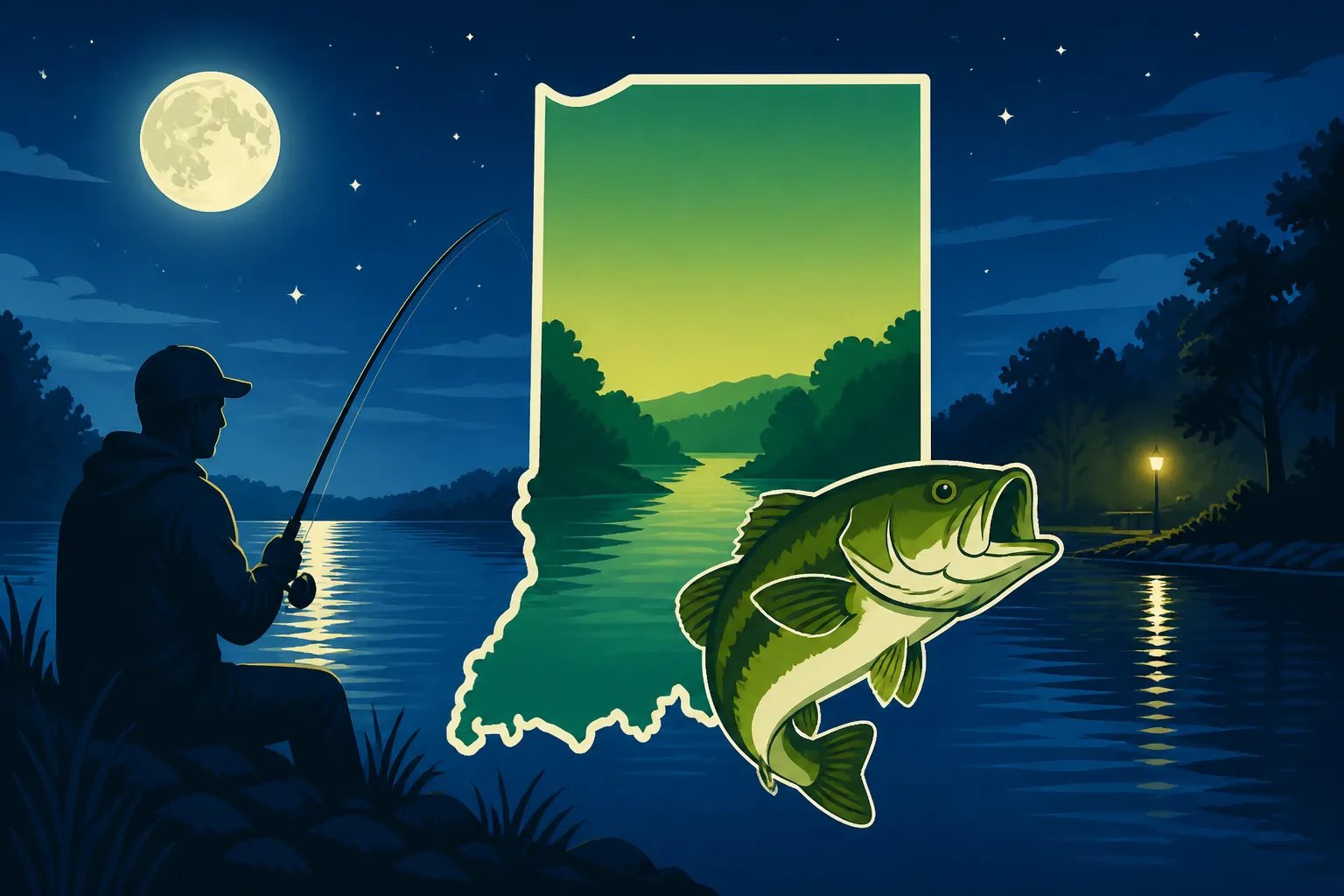
It can be incredibly frustrating when you’re itching to cast a line, but the summer sun is scorching, or your busy schedule only leaves you with evenings free. Many anglers wonder if it's even worth heading out after sunset in Indiana, or if there are truly any good fishing spots open at night. The good news is, Indiana offers fantastic opportunities for nocturnal angling, and this guide is here to help you navigate the darkness to find some of the best fishing action under the stars.
Why Night Fishing in Indiana is a Game Changer
Daytime fishing can be a blast, but it often comes with its own set of challenges: relentless heat, crowded boat ramps, and weary fish hiding in deeper, cooler water. Night fishing, however, flips the script, offering a tranquil and often more productive experience. It's a whole different world out there, and once you get a taste for it, you might just find yourself preferring the moonlit waters.
Beating the Heat and Crowds
Let's be real, summer in Indiana can get hot. Trying to enjoy a peaceful day of fishing when the sun is beating down, and the humidity is stifling, can quickly turn into a sweaty, uncomfortable ordeal. And who hasn't pulled up to a popular boat ramp on a Saturday morning only to find a line of trailers stretching down the road? It’s enough to make you reconsider your whole trip. This is where night fishing truly shines. The air cools down significantly once the sun dips below the horizon, making for a much more pleasant experience, especially from June through September. Plus, most recreational boaters and fair-weather anglers have packed it in for the day, leaving you with significantly less competition and a more serene environment. You can often have entire sections of a lake or river practically to yourself, allowing for a level of peace and quiet that's hard to find during daylight hours.
Imagine casting your line without a half-dozen other boats buzzing around, or being able to choose your spot on a pier without jockeying for position. This reduction in pressure can also make the fish less wary. They’re not constantly dealing with boat traffic or lines dropping right on their heads. It’s a win-win situation, providing both comfort for the angler and less stress for the fish, potentially leading to more bites. For anyone who cherishes solitude and cooler temperatures while pursuing their passion, night fishing becomes not just an alternative, but a preferred method.
Tapping into Nocturnal Predators
Many of Indiana's most sought-after game fish become significantly more active after dark. Just like us, some fish prefer to avoid the harsh midday sun, retreating to deeper, cooler, or heavily shaded areas. But once twilight settles, they often move into shallower waters to feed, taking advantage of the reduced visibility to ambush prey. This shift in behavior means that targeting certain species at night can be incredibly productive, often yielding bigger fish and more consistent action than during the day.
Think about species like catfish – they are famously nocturnal hunters. As soon as dusk hits, they start patrolling the shallows, using their keen sense of smell to locate food. Walleye, too, are known for their excellent low-light vision, making them formidable predators in dim conditions, and you'll find them actively feeding through the night in many Indiana lakes. Even bass, which are often thought of as daytime hunters, will cruise shallow structure and weed lines under the cover of darkness, especially during warmer months. This nocturnal feeding frenzy can create some truly memorable angling experiences, making the effort of fishing through the night entirely worthwhile. Understanding these natural patterns is key to unlocking the full potential of Indiana's night fishing opportunities.
Prime Indiana Lakes for Night Fishing Success
Indiana boasts a variety of waterways perfect for night fishing, from expansive reservoirs to intimate local ponds. Knowing where to go is half the battle, and some spots are simply better suited for after-dark adventures than others. The key is to look for locations with good public access, ample shoreline, or boat ramps that allow for late-night use, and of course, a healthy population of nocturnal feeders.
Large Reservoirs Offer Abundant Opportunities
When it comes to big water and big fish after dark, Indiana's large reservoirs are often the go-to. These sprawling lakes offer vast expanses of water, diverse structures, and deep channels where fish can retreat during the day, only to emerge and feed in the shallows at night. They’re also typically large enough that you can find quieter coves and stretches away from any remaining activity.
Monroe Lake, Indiana's largest inland lake near Bloomington, is a prime example. Known for its excellent bass fishing, Monroe also offers fantastic night fishing for catfish and crappie, especially around brush piles and submerged timber. You can find more information in our guide on Monroe Lake: Indiana's Largest Lake for Bass Fishing. Anglers often target channel catfish and flathead catfish in its various bays and the main lake basin. Locals often suggest focusing on creek channels and points that extend into deeper water, especially those with some kind of cover. Crappie will often move shallower, congregating around lighted docks or submerged structures, providing exciting opportunities for jigging. The sheer size of Monroe means there are countless spots to explore, and a good fish finder can certainly help you locate promising areas before darkness fully settles. For those specifically looking for Night Fishing Spots on Monroe Lake, Indiana, there are plenty of isolated coves that get very little pressure after sunset.
Another stellar option is Patoka Lake in Southern Indiana. This massive reservoir is a crappie and bass paradise during the day, but it transforms into a catfish and walleye hotspot at night. Our detailed Patoka Lake Fishing Guide for Bass and Crappie offers insights into its daytime potential, but much of that structure holds fish that become active at night. The lake’s numerous coves, flooded timber, and rocky points provide ideal ambush points for nocturnal predators. Anglers often drift baits like cut shad or nightcrawlers along the bottom for catfish, or troll crankbaits for walleye over humps and flats. The quiet hum of an electric trolling motor under a blanket of stars at Patoka is an experience every angler should try. Many serious anglers use services like FishingBooker to scout out guides who specialize in night trips on these larger bodies of water, leveraging their local knowledge for a more successful outing.
Smaller Lakes and Ponds for Quieter Excursions
While the big reservoirs offer scale and variety, sometimes you're looking for something a bit more accessible or less overwhelming. Indiana's numerous smaller lakes and farm ponds can be absolute gems for night fishing, often providing excellent action closer to home. These spots tend to have less boat traffic even during the day, making them even more peaceful at night.
Consider many of Indiana's state park lakes. Places like Brookville Lake or Mississinewa Lake, while still sizable, often have quieter coves and more structured shorelines that are perfect for bank anglers at night. You can find details on various Best State Park Lakes for Fishing in Indiana that often offer public access. These lakes are usually well-stocked and managed, meaning healthy populations of catfish, crappie, and even bass are present. For instance, Brookville Lake offers excellent opportunities for various species, including striped bass and wipers that can be very active at night. Anglers using services like FishingBooker sometimes find localized guides who know the specific night patterns on these middle-sized lakes.
Even local county parks and privately-owned ponds (with permission, of course!) can be fantastic for night fishing. These smaller bodies of water often warm up faster and hold good numbers of panfish, catfish, and bass. Bluegill and redear sunfish, while not strictly nocturnal, will often feed in low light, especially if there's an underwater light source attracting baitfish. For catfish, simply casting a piece of cut bait or a stink bait off the bank into a deeper hole can yield surprising results. The key here is often stealth and scent. Without the glare of the sun, fish rely more on their other senses, making scented baits incredibly effective.
Essential Gear and Safety for Night Anglers
Night fishing brings a unique set of challenges and demands specific gear and a heightened awareness of safety. You're operating in low visibility, which means you need to be well-prepared to not only catch fish but also to ensure a safe and enjoyable experience for everyone on board or along the bank. Don't let the excitement of a potential big bite overshadow the importance of preparation.
Lighting, Navigation, and Communication
When you're out on the water after dark, good lighting isn't just a convenience; it's a necessity for both safety and practical fishing. A reliable headlamp is paramount. Look for one with a red light option to preserve your night vision, which is crucial for seeing fishing line, tying knots, and spotting subtle bites without blinding yourself or your companions. I recommend checking out guides on Best Headlamps for Night Fishing on Indiana Lakes to choose the right one for you. Beyond personal lighting, if you're in a boat, make sure your navigation lights are fully functional and properly displayed according to Indiana regulations. A stern light and bow lights are not just for show; they prevent collisions with other vessels, even if there are few out there.
Navigation tools become even more critical when you can't rely on visual landmarks. A GPS unit (either standalone or on your fish finder) with pre-marked waypoints of hazards, productive spots, and your launch point is invaluable. Many modern fish finders come with excellent GPS capabilities, allowing you to trace your path and return safely. Furthermore, always have a fully charged cell phone for emergencies. However, cellular service can be spotty on some lakes, so consider a VHF marine radio if you're on a larger body of water like Lake Michigan or the biggest reservoirs, especially if you're exploring more remote areas. Communication is key if something unexpected arises.
Specialized Baits and Techniques for Darkness
Fishing in the dark requires a slight shift in your approach compared to daytime angling. Fish rely less on sight and more on their lateral line (to detect vibrations) and their sense of smell. This means certain baits and techniques become much more effective.
For many nocturnal species, especially catfish, scented baits are king. Stink baits, cut bait (like shad or skipjack herring), chicken livers, and nightcrawlers are all fantastic choices. These baits release powerful odors that travel through the water, attracting fish from a distance, which is particularly effective in low visibility. When fishing for species like walleye or crappie, don't shy away from glow-in-the-dark lures or those with rattles. A small glow jig tipped with a minnow or a scented soft plastic can be incredibly enticing. You can easily charge these lures with a flashlight or a headlamp to give them a radiant glow underwater.
In terms of technique, a slower, more deliberate retrieve is often best. Fish may not see your lure darting by as easily, so giving them more time to locate it by feel or scent can increase your hook-up ratio. Bottom fishing rigs for catfish are practically made for night fishing, allowing you to present bait directly where these scavengers are feeding. For crappie, slow jigging around submerged lights or brush piles can be deadly. You might also want to explore How to Catch Catfish at Night for specific rig setups. Remember, stealth matters even at night; try to minimize unnecessary noise and vibrations that could spook wary fish.
Prioritizing Safety on the Water
Safety should always be your number one priority, especially when fishing at night. The lack of visibility amplifies risks, so it's crucial to be extra cautious and prepared.
First and foremost, wear your life jacket. It doesn't matter if you're an experienced swimmer or on a calm lake; accidents happen quickly and silently in the dark. Having a life jacket on (not just stowed away) can be the difference between a minor scare and a tragedy. It’s a simple rule, but one that’s often overlooked. Second, know your fishing spot intimately before you venture out at night. Spend some time scouting during the day to identify hazards like submerged stumps, rock piles, or shallow bars. If you're on a new lake, it's generally a good idea to stick to areas you've explored in daylight.
Always fish with a buddy when possible. There's safety in numbers, and an extra set of hands or eyes can be invaluable in an emergency. If fishing alone, make sure someone knows where you are going and when you expect to return. This "float plan" is a non-negotiable step for solo night anglers. Carry a first-aid kit, bug spray (mosquitoes love night anglers!), and extra batteries for your lights. Also, be mindful of changing weather conditions. A sudden storm is much harder to navigate in the dark. A little extra planning and caution go a long way in ensuring your night fishing adventure is memorable for all the right reasons.
Species You'll Target Under the Stars in Indiana
Night fishing isn't just about the atmosphere; it's about connecting with fish that are often more active and aggressive once the sun goes down. Indiana waters are home to several species that truly come alive after dark, offering unique angling experiences and often, larger catches. Knowing which fish to target can help you tailor your gear and techniques for maximum success.
Catfish: The Undisputed Night King
If there's one species synonymous with night fishing in Indiana, it's the humble yet powerful catfish. Channel catfish, blue catfish, and flathead catfish are all highly nocturnal, relying on their incredible sense of smell and barbels to locate food in the darkest of waters. They move into shallower feeding grounds as soon as twilight hits, making them prime targets for bank and boat anglers alike.
Targeting catfish at night often involves bottom fishing with strong-smelling baits. For channel and blue catfish, common baits include cut shad, chicken livers, hot dogs, stink baits, and nightcrawlers. These fish are opportunistic scavengers and will readily snap up anything that smells appealing. Flathead catfish, on the other hand, are strictly predatory and prefer live bait, such as small sunfish or creek chubs. The best spots for night catfishing are often around river bends, deep holes, submerged timber, or the mouths of feeder creeks on lakes. Many experienced anglers swear by the magic of a full moon for catfish, believing it draws them out to feed even more aggressively. Our Channel Catfish Fishing in Indiana: The Complete Guide has even more tips for landing these whiskered giants. The tranquility of sitting by the water, waiting for that tell-tale tug on your line, truly encapsulates the appeal of night fishing for catfish. You can also explore How to Catch Catfish at Night for specific strategies.
Walleye, Crappie, and Bass After Dark
While catfish might dominate the night fishing scene, several other popular Indiana game fish also offer excellent opportunities after hours. Their keen senses and predatory instincts make them formidable nocturnal hunters, providing thrilling action for those willing to brave the dark.
Walleye are renowned for their incredible low-light vision, which gives them a significant advantage over their prey once the sun sets. They will often move from deeper, cooler water onto shallow flats, humps, and points to feed on baitfish. Trolling crankbaits that dive to the appropriate depth or jigging with glow lures or scented soft plastics can be highly effective. The key is to present your lure slowly and deliberately, allowing the walleye to hone in on it. You'll find that Do Walleye Bite at Night in Indiana Reservoirs? is a resounding yes! For more insights into these elusive fish, check out our Indiana Walleye Fishing: A Complete Guide and consider the Best Time of Day to Catch Walleye, which often includes dusk and dawn transitions, and throughout the night in summer. FishingBooker lists several local guides who excel at putting anglers on walleye after dark, especially on larger glacial lakes in Northern Indiana.
Crappie are another fantastic species for night fishing, particularly during the warmer months. They are often attracted to light, which makes them a popular target around lighted docks or boats using submersible lights. These lights draw in plankton, which then attract baitfish, and the crappie follow suit. Vertical jigging with small jigs tipped with minnows or scented plastics directly under these lights can lead to non-stop action. Even without artificial lights, crappie will often move shallower to feed on insects and small baitfish, congregating around submerged brush piles, standing timber, or weed lines. You can learn more about Crappie and Panfish Fishing Techniques for Beginners for daytime tactics that can be adapted for night.
Even largemouth and smallmouth bass will feed actively at night, especially during the peak of summer when water temperatures are high. They often patrol the edges of weed beds, rocky shorelines, and structure in shallower water, ambushing baitfish or frogs. Topwater lures like poppers, buzzbaits, or noisy walking baits can be incredibly exciting at night, as the surface explosions are heart-stopping in the dark. Spinnerbaits with large thumping blades or dark-colored jigs and worms can also be highly effective when retrieved slowly near cover. The key to bass fishing at night is often focusing on noise, vibration, and scent to help the fish locate your presentation. These fish are known for their aggressive strikes, and a bass hitting a topwater lure in the dead of night is an unforgettable experience. All these species contribute to the vibrant night fishing opportunities across Indiana, making it a diverse and exciting pursuit for any angler.
Here's a quick look at some top night fishing locations and what you might find:
| Lake/River System | Primary Night Target Species | Recommended Approach | Key Features for Night Fishing |
|---|---|---|---|
| Monroe Lake | Catfish (Channel, Flathead), Crappie, Bass | Bottom fishing, jigging, slow retrieve crankbaits | Extensive coves, submerged timber, good boat ramps |
| Patoka Lake | Catfish (Channel, Flathead), Walleye, Crappie | Drifting cut bait, trolling, vertical jigging | Flooded timber, deep channels, rocky points, good boat ramps |
| Brookville Lake | Catfish, Striped Bass, Walleye | Live bait for stripers, bottom rigs for catfish | Diverse structure, deep water, good shoreline access |
| Mississinewa Lake | Catfish, Crappie, Walleye | Bottom fishing, jigging around brush | Numerous coves, standing timber, popular for tournaments |
| Wabash River | Catfish (Channel, Flathead, Blue) | Bottom fishing with cut bait/live bait | Deep holes, log jams, tributary mouths, public river access |
| Lake Wawasee | Walleye, Crappie, Muskie | Trolling crankbaits, jigging lights for crappie | Largest natural lake, varied depths, good structure for walleye |
Disclaimer
Please remember that fishing regulations, including specific rules for night fishing, can change. Always consult the latest Indiana Department of Natural Resources (IDNR) fishing guide before heading out. Safety should be your top priority, especially when fishing after dark.