Night Fishing Spots on Monroe Lake, Indiana
There’s nothing quite like the allure of the water as the sun dips below the horizon, but for many anglers, the idea of night fishing can feel a bit daunting. You’re trading familiar daylight for shadows, navigating in the dark, and trying to outsmart fish that operate on a whole new schedule. It’s a challenge, for sure, but also an incredible opportunity to escape the crowds, beat the summer heat, and experience a completely different side of your favorite lake. This guide will shine a light on the best spots, essential gear, and proven techniques for making your night fishing expeditions on Monroe Lake not just successful, but truly unforgettable.
Why Night Fishing on Monroe Lake is a Game Changer
Daylight hours on Monroe Lake, especially during peak season, can be a flurry of activity. Boaters, swimmers, jet skis – it’s a vibrant but often noisy and crowded scene. When the sun goes down, however, a profound calm settles over Indiana's largest inland lake. This shift creates a unique environment that savvy anglers can leverage for some of the most productive fishing trips of the year.
Escaping the Daytime Crowds and Heat
Let's be real, trying to fish in 90-degree heat with a hundred other boats zipping around can be more frustrating than fun. The constant wakes can make it hard to present your bait properly, and the sheer volume of activity can spook even the most aggressive fish. This is where night fishing truly shines. As twilight deepens, the recreational boat traffic dwindles, leaving you with a serene, often glassy lake. Not only is the surface calmer, but the air temperature drops, making for a much more comfortable experience. You can finally focus on the subtle bites without battling waves or sweating through your shirt. This peaceful solitude is a reward in itself, allowing for a deeper connection with the water and the rhythm of nature. It’s a chance to truly unwind and enjoy the tranquility that Monroe Lake offers.
Understanding Nocturnal Fish Behavior
Fish, like many creatures, have distinct activity patterns, and for some species, the night is when they truly come alive. Largemouth bass, for instance, often become more aggressive and less cautious under the cover of darkness. They move out from deeper, cooler water into the shallower feeding grounds they might avoid during bright daylight. Catfish are classic nocturnal predators, relying on their keen sense of smell and barbels to root out food along the bottom. Crappie and other panfish will often school up around underwater lights, drawn to the plankton and baitfish that also gather there. Understanding these shifts in behavior is key. Fish that might be lethargic during the day due to heat or pressure become active hunters at night, presenting fantastic opportunities for anglers willing to embrace the dark. It’s a whole new game with different rules, and learning them can dramatically increase your catch rate.
The Thrill of the Unknown
There's an undeniable excitement that comes with fishing in the dark. Every splash, every tug on the line, is amplified by the silence and the limited visibility. You're relying more on your other senses – the feel of the rod, the sound of the line, the scent of the water. It forces you to slow down, pay closer attention, and really tune into what's happening beneath the surface. Plus, the cooler temperatures and reduced boat traffic mean fish often feel more secure, leading to bolder bites and often larger catches. Many trophy-sized fish are caught after dark because they're less wary and actively feeding. The mystery of what's going to hit your line next, combined with the peaceful atmosphere, makes night fishing an adventure that every angler should experience. It’s a unique way to deepen your appreciation for Monroe Lake and the incredible fishing it offers.
Top Night Fishing Spots on Monroe Lake
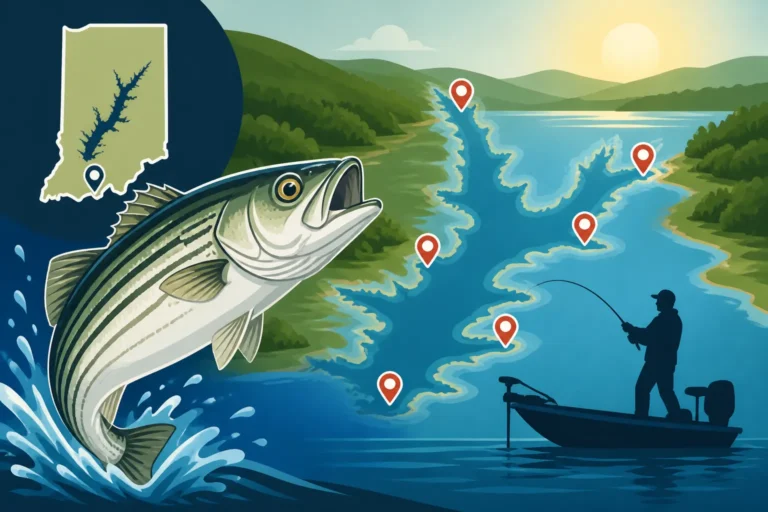
Monroe Lake is vast, covering over 10,750 acres, which means finding the "right" spot can be overwhelming. For night fishing, you're generally looking for areas that offer a combination of accessible structure, baitfish presence, and safe navigation. Remember, while the lake is quieter at night, it's still a big body of water, and knowing your way around is crucial.
Prime Coves and Channels for Catfish and Crappie
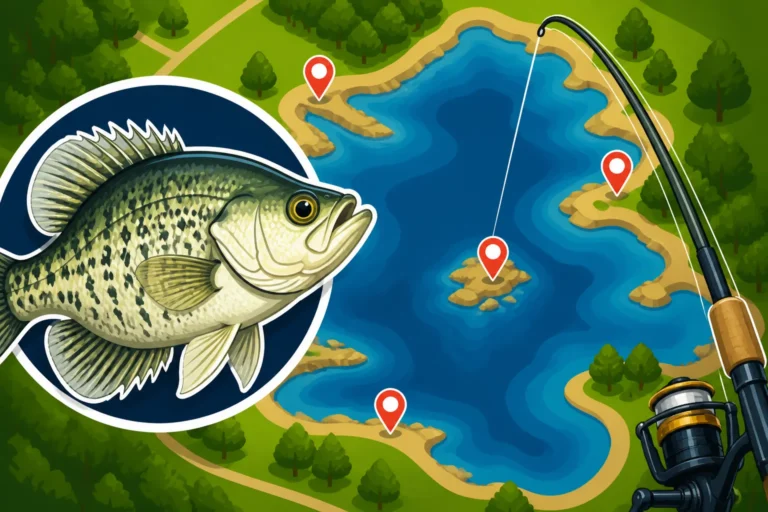
When the sun goes down, many species, especially crappie and catfish, will move into shallower areas to feed. Look for the many coves and channels that dot Monroe Lake's extensive shoreline. Areas like the Paynetown State Recreation Area or the Fairfax State Recreation Area, particularly around their many coves and submerged timber, are excellent starting points. For crappie, specifically, you'll want to target areas where you can deploy underwater lights. These lights attract plankton, which in turn draws in baitfish, creating a feeding frenzy that crappie can't resist. Docks and piers within these recreation areas that have permanent lighting can also be hotspots.
For catfish, especially channel catfish, the deeper cuts and channels leading into major coves are prime. They’ll patrol these areas, often hugging the bottom, looking for easy meals. The larger creek arms feeding into the main lake, like Salt Creek or the Middle Fork of Salt Creek, are also fantastic. These areas often have muddy bottoms and plenty of submerged structure where catfish love to ambush prey. Using potent, smelly baits in these locations is often the ticket.
Targeting Bass Around Submerged Structure
Largemouth bass are opportunistic predators, and at night, they’ll often move to feed along shallow weed lines, submerged points, and near prominent structures that provide cover and ambush points. Consider areas like the vast timber stands that are prominent in many parts of Monroe Lake, especially near the causeways. These areas, which can be challenging to navigate during the day, become bass havens at night as fish move up to feed. Focus on the edges of these timber fields or around isolated stump rows.
Points that extend into deeper water, especially those with rock or brush piles, are also excellent. Bass will use these as highways to move between deep and shallow water, and they make perfect ambush points under the cloak of darkness. Areas around the causeways and bridges that cross parts of Monroe Lake can also hold bass, especially if there are underwater lights from nearby roads or homes illuminating the water. A good fish finder can help identify these structures, even in the dark, allowing you to cast precisely. You might find some useful information about the best locations by checking out articles on topics like Monroe Lake: Indiana's Largest Lake for Bass Fishing.
Accessible Shoreline and Pier Locations
Not everyone has a boat, and that's perfectly fine! Monroe Lake offers several excellent shoreline and pier fishing opportunities that are just as productive after dark. The fishing pier at Paynetown State Recreation Area is a popular spot, often equipped with lighting that can draw in baitfish and subsequently, crappie and other panfish. The shoreline access points within both Paynetown and Fairfax SRA, particularly those with a gradual slope and some submerged cover nearby, can be great for targeting catfish and even some shallow-cruising bass.
Another area to consider is the shorelines near any public or private docks, provided you have permission to fish there. Dock lights are natural attractors for fish. Always be respectful of private property and ensure you’re fishing in legally accessible public areas. For those looking to combine a camping trip with some late-night angling, many of the campgrounds at Monroe Lake have shoreline access that can be ideal for a relaxed night fishing session. Just make sure to bring your headlamp! For details on getting your official fishing pass, you'll want to review the Indiana Fishing License Requirements Explained.
Here's a quick look at some potential night fishing hot spots and their typical targets:
| Location Type | Target Species | Best Baits/Lures | Key Features for Night Fishing |
|---|---|---|---|
| Deep Coves & Creek Arms | Catfish, Crappie | Cut bait, Dough baits, Minnows, Small Jigs | Muddy bottoms, submerged timber, gradual slopes, current breaks |
| Submerged Points & Humps | Largemouth Bass, Walleye | Dark-colored Jigs, Crankbaits, Soft Plastics, Spinnerbaits | Rock piles, brush piles, access to deep water, baitfish schools |
| Lighted Docks & Piers | Crappie, Panfish, Bass | Small Jigs, Minnows, Worms | Attracts plankton/baitfish, provides structure and shelter |
| Causeway/Bridge Areas | Bass, Crappie | Jigs, Worms, Small Crankbaits | Rip-rap, concrete structure, subtle current, ambient light |
| Timber Stands (Edges) | Largemouth Bass | Dark Jigs, Worms, Topwater (noisy) | Abundant cover, ambush points, often near drop-offs |
Essential Gear and Safety Tips for Night Fishing
Night fishing isn't just about bringing your usual daytime tackle. The lack of light introduces new challenges, making specialized gear and a strong emphasis on safety absolutely paramount. Being prepared can be the difference between a memorable night on the water and a frustrating, or even dangerous, experience.
Lighting, Navigation, and Communication Essentials
First and foremost, you need reliable light. A good quality headlamp is indispensable, leaving your hands free for tying knots, rigging baits, or unhooking a fish. Look for models with different brightness settings and, ideally, a red light option, which helps preserve your night vision and is less likely to spook fish. Beyond personal lighting, if you're in a boat, navigational lights are legally required and absolutely non-negotiable. Ensure your bow and stern lights are functioning perfectly before you even consider launching. A spotlight or powerful flashlight is also a great idea for scanning the water, spotting buoys, or locating landmarks.
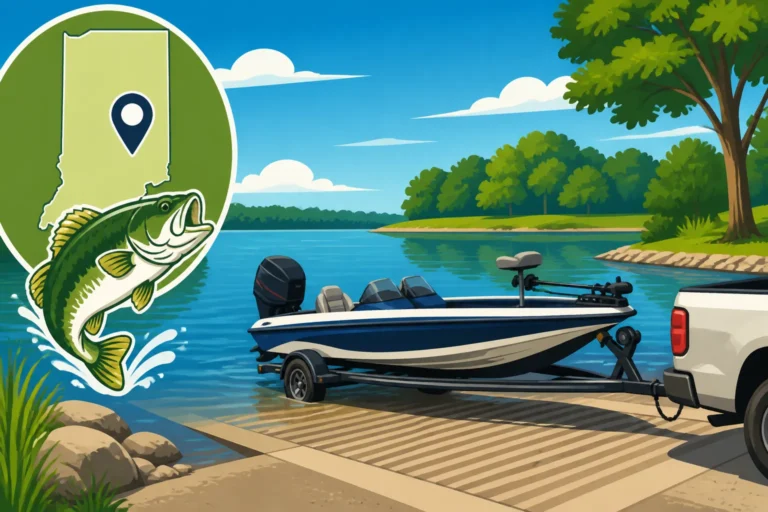
Navigation is trickier at night. Even on familiar waters, features can look completely different. If you have a GPS unit on your fish finder, make sure it’s charged and updated with maps. Plot your course and identify potential hazards in daylight if possible. Mark waypoints for your best fishing spots and safe passage routes. A compass and paper map, though old-school, can serve as a crucial backup. Always tell someone your float plan – where you’re going, when you expect to return, and who is with you. Carry a fully charged cell phone (in a waterproof case) and consider a marine radio for emergencies, especially if you venture further out. Knowing how to back a boat trailer down a boat ramp in daylight is one thing, doing it in the dark is another! Practice makes perfect, but extra caution is key at night.
Specialized Tackle for Low-Light Conditions
While you’ll use many of the same rods, reels, and lines you use during the day, some adjustments to your tackle box can make a big difference. Dark-colored lures, like black, blue, or purple, often create better silhouettes against the night sky, making them easier for fish to see. Baits with rattles or scent are also incredibly effective. For catfish, strong, pungent baits are a must. For crappie, small jigs with glow-in-the-dark properties or a little "stink bait" applied to them can be deadly.
Consider using heavier line than you might during the day, especially if you’re fishing around heavy cover. You're less likely to see line abrasion, and you'll appreciate the extra pulling power when you hook into a big one. A good, sturdy net is also critical, as landing a fish in the dark can be more challenging. Pre-rigging some setups before you leave home can save you a lot of fumbling around with small hooks and knots in the dark. For advice on specific gear, exploring resources like Best Fishing Rods and Reels for Freshwater Fishing can be helpful.
Prioritizing Personal and Boat Safety
Your personal safety is paramount. Always wear a U.S. Coast Guard-approved life jacket, even if you’re an experienced swimmer. Hypothermia is a real risk if you unexpectedly enter the cold water, especially at night. Bring extra layers of clothing, even on warm evenings, as temperatures can drop significantly. Bug spray is also a must on Monroe Lake during the warmer months!
For boat safety, beyond proper lighting, ensure you have all required safety gear onboard: a whistle or horn, a fire extinguisher, a first-aid kit, and a throwable flotation device. Make sure your anchor is easily accessible and in good working order. Always fish with a buddy when night fishing – there's safety in numbers, and an extra set of eyes and hands can be invaluable. Be extra cautious when moving around in the boat; use your headlamp to light your path, and avoid sudden movements. Remember, low light conditions significantly reduce your reaction time, so operate your boat at a slower, safer speed. If you are ever unsure about a safe spot or need to find local guides, online platforms like FishingBooker can sometimes help connect you with experienced professionals who prioritize safety and local knowledge.
Best Techniques for Night Fishing Success on Monroe Lake
Night fishing requires a slight adjustment in your approach compared to daytime angling. Fish rely on different senses in the dark, and your techniques should reflect that. Patience, subtlety, and an understanding of how fish interact with their environment at night will lead to more hook-ups.
Scent and Sound: Attracting Fish in the Dark
In low-light conditions, fish often rely heavily on their lateral line (to detect vibrations and changes in water pressure) and their sense of smell. This means baits that produce a strong scent trail or lures that create significant vibration and noise can be incredibly effective. For catfish, this is obvious – stinky cut baits, dough baits, or worms are almost always the top choice. When thinking about How to Catch Catfish at Night, scent is often the number one factor.
For bass, consider using crankbaits with internal rattles or spinnerbaits with thumping blades. Topwater lures that create a lot of commotion – like noisy poppers or buzzbaits – can also be deadly, especially on calm, warm nights. The loud "kerplunk" or gurgle can draw in curious bass from surprising distances. Soft plastics infused with strong fish attractant scents, or even a little added "dip," can give you an edge when fishing slower, more subtle presentations. Don't be afraid to experiment with different scent and sound profiles until you find what the fish are keying in on that particular night. If you’re unsure, a quick search on FishingBooker for local guide insights might offer some current bait recommendations for Monroe Lake.
Slow and Steady: Presentation is Key
One of the biggest mistakes night anglers make is fishing too fast. In the dark, fish often have a smaller strike zone and may not chase a rapidly retrieved lure. Slow down your retrieve significantly. This gives fish more time to locate your bait, investigate it, and ultimately commit to a strike. For jigs, this might mean a slower fall, longer pauses, and gentler lifts. For crankbaits, try a slower, more methodical retrieve with occasional pauses.
When fishing soft plastics for bass, a slow Texas rig or Carolina rig presentation, crawled along the bottom, can be incredibly effective. Allow the bait to sit for several seconds after each movement, giving bass ample opportunity to find it. For crappie, a slow vertical jigging motion right beneath an underwater light source is often best. The more deliberate your movements, the more natural and appealing your bait will appear to cautious nocturnal feeders. Remember, patience isn't just a virtue; it's a critical technique for night fishing success. If you're targeting crappie, understanding Crappie Jigging Techniques for Beginners can give you a solid foundation.
Mastering the Art of Bait Placement
Accuracy becomes even more important when you can't see your target. Focus on casting to areas where you know fish will be holding, such as the edges of weed lines, submerged timber, or near drop-offs. Use a quiet approach; avoid loud splashes when casting, as these can spook fish in the calmer night waters. If you're fishing from a boat, try to position yourself so you can cast into the darkest areas adjacent to any ambient light sources, as fish often lurk just outside the brightest spots, waiting to ambush prey moving into the light.
When fishing structure, cast beyond your target and retrieve through it, rather than casting directly on top of it. This prevents spooking fish and allows your bait to look more natural as it approaches. For bottom fishing for catfish, fan-casting around your boat or shoreline position ensures you cover a good area. Pay close attention to subtle bites – sometimes at night, a bite can feel less like a hard strike and more like a slight weight on the line. Setting the hook on these subtle indicators is key to consistent success. Learning to feel those subtle changes in your line and rod tip is a skill that will serve you well, whether you're fishing for bass, crappie, or even walleye, which also feed actively at night.
Disclaimer
Please note that fishing regulations, license requirements, and safety guidelines can change. Always consult the latest Indiana Department of Natural Resources (IDNR) regulations before heading out on the water. This guide is for informational purposes only and does not constitute legal advice. Adhere to all local, state, and federal laws and prioritize safety during all fishing activities.