Where to Catch Catfish on the Wabash River
Navigating a river as vast and mighty as the Wabash in Indiana to find its hidden treasures, especially those elusive catfish, can feel like a daunting task for even seasoned anglers. It's not just about throwing a line in; it's about understanding the river's unique personality, its currents, depths, and the secrets it holds. This guide will cut through the guesswork, offering practical, hyper-local advice on exactly where to cast your line for the best chance at landing some fantastic Wabash River catfish.
Understanding the Wabash River's Catfish Appeal
The Wabash River, snaking its way across Indiana, is a true powerhouse for catfish anglers. It’s teeming with several species that offer diverse challenges and rewards. Many anglers get frustrated trying to fish a big river like the Wabash because it can feel like a needle in a haystack, but with a little understanding of what makes these fish tick in this particular waterway, you can drastically improve your chances.
Species of Catfish Found in the Wabash
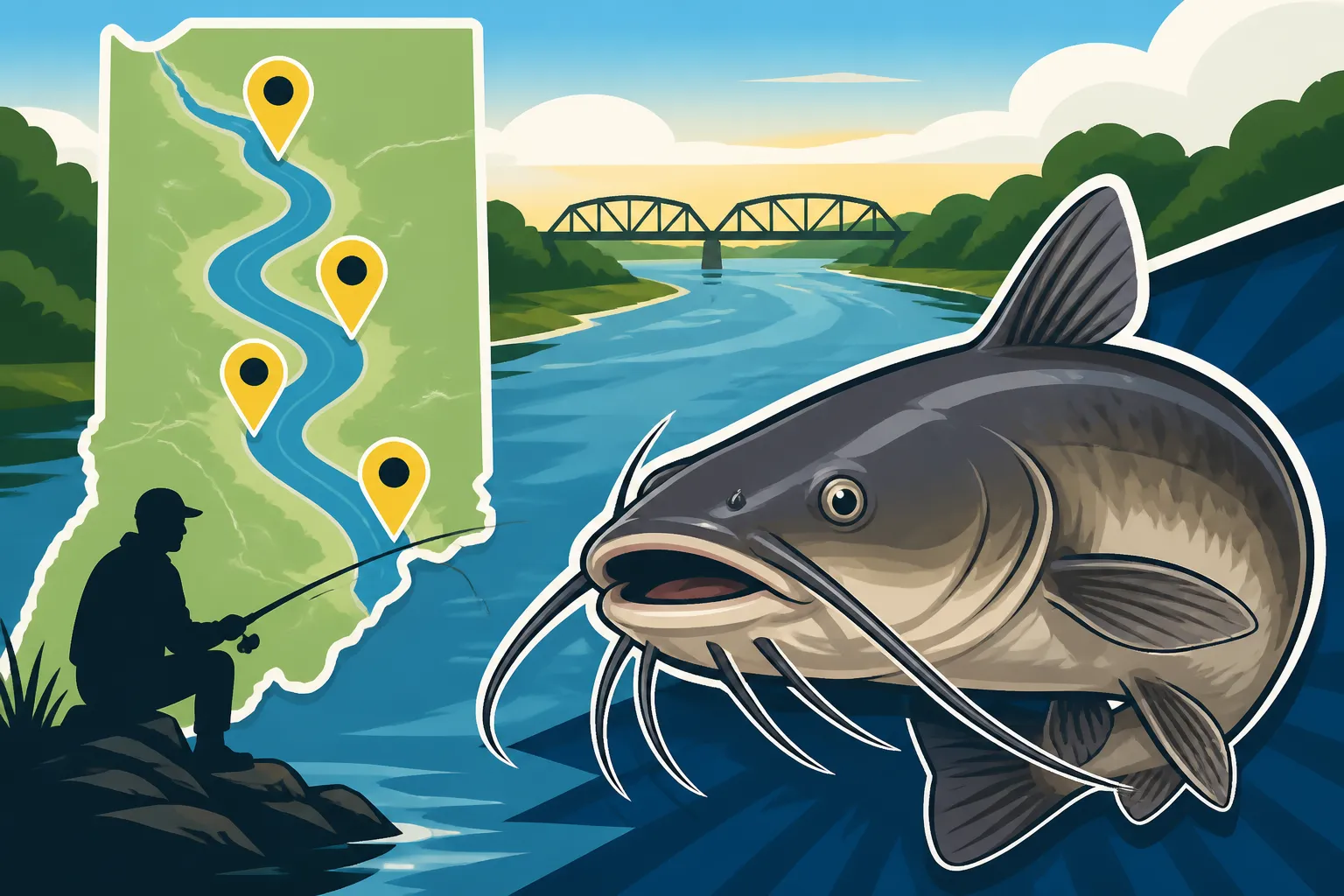
The Wabash River is a prime habitat for three main species of catfish: Channel Catfish, Flathead Catfish, and to a lesser extent, Blue Catfish. Each has its own habits and preferred environments, which is important to remember when you're targeting them.
Channel catfish are by far the most abundant and are widely distributed throughout the river. They're typically found in deeper holes, around submerged structures, and along channel edges. They're also quite aggressive eaters, making them a popular target for many anglers. If you're new to river catfishing, or even just new to the Wabash, starting with channels is a great way to build confidence. They’re often quite active, especially around dawn and dusk, or even into the night.
Flathead catfish are the river's true bruisers. These big, predatory fish prefer heavy cover, such as logjams, undercut banks, and deep scour holes where they can ambush prey. Catching a flathead is often an intentional pursuit, requiring heavier gear and robust baits. They're solitary and territorial, making them a bit more challenging but incredibly rewarding to catch. Finding their specific lairs is key, and it often involves searching out the most formidable-looking cover you can find. For a deeper dive into these whisker-faced giants, you might want to check out our guide on Channel Catfish Fishing in Indiana: The Complete Guide.
Why the Wabash is a Catfish Haven
The Wabash River's natural characteristics make it an ideal environment for catfish to thrive. Its varied bottom structure, from rocky stretches to silty flats and deep pools, provides ample hiding and feeding grounds. The consistent flow of nutrient-rich water also supports a robust forage base, from small baitfish to mussels and crayfish, which are all on the catfish menu.
Furthermore, the river’s extensive system of tributaries and oxbow lakes offers diverse habitats. During periods of high water, these backwater areas can become feeding grounds, and as water levels recede, catfish often move back into the main river channel. This constant movement and adaptation mean that successful Wabash River catfishing often involves being aware of current conditions and how they influence fish behavior. The sheer length of the river within Indiana also means there’s an incredible amount of water to explore, offering endless opportunities for those willing to seek them out. Many anglers rely on resources like FishingBooker to scout out local fishing guides who know the river's nuances, particularly after significant weather changes.
Prime Wabash River Catfish Hotspots
To effectively fish for catfish on the Wabash, you need to know where to focus your efforts. While the entire river holds catfish, certain stretches and features consistently produce better results. It’s about identifying those classic catfish hangouts.
Major River Bends and Deep Holes
One of the most reliable places to find catfish on the Wabash River is in major river bends and the deep holes associated with them. As the river carves its path, it naturally creates deeper areas on the outside bends. These deep pockets become natural holding areas for fish, offering refuge from strong currents and concentrating baitfish.
Look for areas where the river widens or makes a sharp turn. The deepest part of these bends, often indicated by darker water or where navigation buoys might be placed for boaters, is usually where catfish will congregate. These spots are particularly productive for channel catfish, which will patrol the edges, and for flatheads, which will sit right in the deepest, most secluded sections, especially if there’s some downed timber or rock piles. Anchoring upstream from these holes and letting your bait drift into them is a classic, effective technique.
Logjams and Wood Debris
If there's one golden rule for flathead catfish on the Wabash, it's to fish the wood. Massive logjams, fallen trees, and piles of submerged debris are absolute magnets for flatheads. These structures provide vital cover, ambush points, and a sense of security for these large, predatory fish. They offer protection from current and predators, making them prime habitat.
Finding these honey holes often means scouting the river from a boat, paying close attention to the banks where trees have fallen or where floodwaters have created large tangles of wood. Don't be afraid to cast right into the thickest part of the cover. This can be tricky and lead to snagged lines, but that's often where the biggest fish are hiding. Channel catfish will also frequent the edges of these logjams, picking off any dislodged baitfish or insects. Just remember that fishing heavy cover often requires heavier line and sturdy hooks to pull fish out without breaking off. For more general advice on where to fish in the state, consider our guide to the Best Fishing Spots in Indiana.
Tributary Mouths and Confluences
The points where smaller creeks and tributaries flow into the Wabash River are often highly productive catfish spots. These confluences create natural funnels for forage, bringing food directly to hungry catfish. They also introduce different water temperatures and oxygen levels, which can attract fish, especially after a rain.
When a tributary dumps into the main river, it often creates a current seam – a visible line where two different currents meet. Catfish will often sit right on this seam, waiting for food to be washed downstream. This is a fantastic place to target channel catfish, which actively feed along these current breaks. The fresh influx of water, particularly after a summer storm, can also be a catalyst for increased feeding activity, making these spots particularly hot. A local guide found on platforms like FishingBooker can often point out these subtle but crucial areas.
Effective Tactics and Gear for Wabash Catfish
Once you know where to go, the next step is understanding how to catch them. Catfishing on the Wabash isn't just one-size-fits-all; different species and conditions call for different approaches.
Bottom Fishing with Natural Baits
For the vast majority of catfish anglers on the Wabash, bottom fishing with natural bait is the go-to method, and for good reason: it works. Catfish are bottom feeders by nature, and presenting a tasty morsel directly on the riverbed is incredibly effective.
When it comes to bait, variety is key, but some stand out. For channel catfish, stink baits, cut bait (like shad, skipjack, or even bluegill), chicken livers, and nightcrawlers are all highly effective. For the big flatheads, live bait is almost always preferred – small bluegill, sunfish, or even large shiners are prime choices. Presenting these baits on a Carolina rig or a three-way swivel rig is common, allowing the bait to sit on the bottom while the weight holds it in place. Using a heavy sinker is crucial in the Wabash's current to prevent your bait from washing away. If you're looking for more detailed information on specific setups, our article on the Best Rigs for Catfish Fishing in the Wabash River offers some great insights.
Using Heavier Rods and Reels
Don't underestimate the power of a Wabash River catfish, especially a flathead. You'll need gear that can handle strong runs and the heavy current. Many anglers learn this the hard way with broken lines and snapped rods.
A medium-heavy to heavy action rod, typically 7 to 9 feet long, paired with a stout baitcasting reel spooled with 20-50 pound test monofilament or braided line, is a good starting point. Braided line offers superior sensitivity and strength, which can be invaluable when fishing around snags. For flatheads, some anglers even go up to 80-pound braid, just in case they hook into a true river monster. The longer rod helps with casting heavier baits and managing powerful fish in the current, and it gives you more leverage to steer a big cat away from snags. If you're looking for a new setup, our guide to the Best Catfish Rods for Indiana Rivers can help you choose the right equipment.
Night Fishing for Big Cats
Catfish, especially flatheads, are primarily nocturnal predators. While you can catch them during the day, nighttime often brings out their most aggressive feeding behavior, particularly during the warmer months.
Night fishing on the Wabash requires some extra preparation: headlamps, lanterns, and careful navigation if you're in a boat. Focus on the same prime locations – deep holes, logjams, and tributary mouths – but expect the fish to be more active and less cautious. During the day, flatheads might be tucked deep into cover, but at night they’ll often roam more freely, ambushing prey along channel edges or patrolling the mouths of creeks. It’s an experience like no other, with the added thrill of battling a strong fish under the stars. Learn more about how to set yourself up for success after dark in our Night Fishing Techniques for Catfish article.
Timing Your Wabash Catfish Expedition
Timing is everything in fishing, and catfishing on the Wabash River is no exception. Knowing the best times to hit the water can make a huge difference in your success.
Seasonal Patterns for Wabash Catfish
The Wabash River catfish follow distinct seasonal patterns, largely dictated by water temperature and their spawning cycles.
- Spring (April-May): As water temperatures rise into the 50s and 60s Fahrenheit, catfish become increasingly active, moving out of their wintering holes and beginning to feed heavily in preparation for the spawn. This is an excellent time for both channel and flathead catfish, as they're often found in shallower areas or transitioning toward their spawning grounds. High water during spring rains can also concentrate fish in specific areas, like the mouths of feeder creeks, making for hot action. For more information, check out our guide on the Best Season for Catfish Fishing in Indiana.
- Summer (June-August): This is prime time for Wabash catfishing. Water temperatures are warm, and catfish are active throughout the river. The spawn usually occurs in late spring/early summer, and post-spawn fish are hungry and aggressive. Night fishing really shines during the summer months when air and water temperatures are highest. During the day, target deeper, cooler water or shaded areas around heavy cover.
- Fall (September-October): As water temperatures begin to drop, catfish will go on another strong feeding binge, fattening up for winter. They can still be very active, particularly during the day. Look for them in areas where baitfish are abundant, often relating to shallower flats adjacent to deep water or deeper bends.
- Winter (November-March): Catfishing becomes more challenging in winter as fish become less active and seek out deep, stable thermal refuges. While not impossible, it requires a more targeted approach and slower presentations.
Best Time of Day and Water Conditions
Beyond the seasons, the time of day and specific water conditions play a critical role in Wabash catfishing success.
Catfish are often most active during periods of low light – dawn, dusk, and throughout the night. This is particularly true for flatheads, which are ambush predators that use the cover of darkness to their advantage. Channel catfish can be caught throughout the day, especially if the water is a bit stained or overcast conditions persist. However, the witching hour around sunset and sunrise, and then into the darkest parts of the night, is often when you'll experience the most intense bites. Our specific article, Best Time of Day to Catch Catfish in Indiana, gives more insights.
Water conditions are perhaps the most critical factor on a river like the Wabash.
- Rising Water: During and immediately after heavy rains, the river can rise and become muddy. While this can make fishing tough, it can also concentrate catfish in slack water areas or at the mouths of tributaries as they seek refuge from strong currents and wait for washed-in food.
- Falling/Stable Water: Often, the best catfishing occurs on a stable or slowly falling river. This allows fish to settle into predictable patterns and feeding lanes. Clearer, stable water can make fish a bit warier, but they’ll still feed consistently.
- Water Temperature: As mentioned, temperature is a major driver. Catfish prefer warmer water. Once the Wabash reaches the 60s (Fahrenheit), they really turn on. In colder water, slow down your presentation dramatically.
Knowing these patterns and conditions, and perhaps even checking a river gauge or a fishing report on a site like FishingBooker before you head out, can significantly increase your chances of a successful catfish outing on the mighty Wabash.
Wabash River Catfish Species & Characteristics
| Catfish Species | Average Size (Indiana) | Preferred Habitat | Key Identification Features | Common Baits |
|---|---|---|---|---|
| Channel Catfish | 1-10 lbs (up to 30 lbs+) | Deeper holes, current breaks, submerged structure | Forked tail, dark spots (juveniles), smooth body, small head | Cut bait, stink bait, chicken liver, nightcrawlers |
| Flathead Catfish | 10-40 lbs (up to 70 lbs+) | Heavy cover (logjams, undercut banks), deep pools | Flat, broad head, unforked tail, mottled brown/yellow coloring | Live bait (bluegill, shiners), large cut bait |
| Blue Catfish | 5-20 lbs (up to 100 lbs+) | Deep main channels, strong current, open water | Forked tail, straight anal fin, typically no spots | Cut bait (shad), live bait, large chunks of fish |
Disclaimer
Always remember to check the latest Indiana Department of Natural Resources (DNR) fishing regulations and license requirements before heading out on the water. Regulations, bag limits, and fishing seasons can change, and it's your responsibility to be aware of and comply with all current rules.