What Is the Best Lake in Indiana for Catching Bass?
It’s a common question that echoes across bait shops and boat ramps all over the Hoosier State: "Where's the absolute best place to chase big bass in Indiana?" If you’re like most anglers, you’ve probably heard a few names tossed around, but knowing which lake truly holds the crown for consistent action and trophy potential can feel like a mystery. This guide is here to cut through the chatter and show you not just where the prime bass fishing lies, but why those spots stand out, and how you can maximize your chances of a great catch.
Monroe Lake: Indiana's Reigning Bass King
When it comes to sheer size, habitat diversity, and the consistent production of both numbers and quality largemouth bass, Monroe Lake near Bloomington is, without a doubt, Indiana's undisputed champion. This massive reservoir, the largest inland lake in Indiana, offers an incredible playground for bass anglers, from novice to seasoned pro. It's a place where you can truly get lost in the fishing, exploring miles of shoreline, countless coves, and diverse underwater structures that are just begging for a well-placed lure.
Why Monroe Lake Produces Trophy Largemouth
Monroe Lake isn't just big; it's biologically rich and structurally complex, which are the two primary ingredients for a thriving bass fishery. Its sprawling waters cover over 10,000 acres, boasting an intricate shoreline peppered with standing timber, submerged creek channels, rock piles, brush, and vast weed beds that provide ideal ambush points and protective cover for bass. The lake's robust forage base, particularly gizzard shad, ensures that the largemouth have plenty to eat, allowing them to grow to impressive sizes. It’s not uncommon to pull 4-5 pound bass from Monroe, and bigger fish are certainly lurking. Many local bass tournaments are held on Monroe Lake, which is a testament to its consistent productivity and the quality of its bass population. When you see folks using services like FishingBooker to find a local guide, chances are, many of them are heading to Monroe for that trophy largemouth experience.
Best Spots and Techniques for Monroe Bass
Fishing Monroe Lake effectively means understanding its vastness. For early season and pre-spawn bass, targeting shallower coves and northern arms where the water warms faster is key. Think areas like the north fork of Salt Creek or the Stucker Fork. Later in the season, as bass move to deeper structure, focus on main lake points, submerged humps, and the numerous standing timber fields that define Monroe. Lipless crankbaits and spinnerbaits can be deadly when bass are actively feeding in the spring, while plastic worms, jigs, and creature baits fished on a Texas rig or Carolina rig shine when bass are hunkered down in cover. For deeper water, especially in summer, a drop shot or a deep-diving crankbait can probe those crucial ledges and humps. Don't forget to check out popular ramps like the Fairfax State Recreation Area or Paynetown State Recreation Area for easy access to some of the lake's prime fishing grounds. For a deeper dive into targeting these fish, explore resources on Best Time to Bass Spawn in Indiana and How to Rig a Texas Rig for Bass.
Other Premier Bass Fishing Destinations in Indiana
While Monroe holds a special place, Indiana is blessed with several other fantastic lakes that offer incredible bass fishing experiences. Each has its own unique character, challenges, and rewards, catering to different styles of angling and often harboring different predominant bass species.
Patoka Lake for Southern Indiana Giants
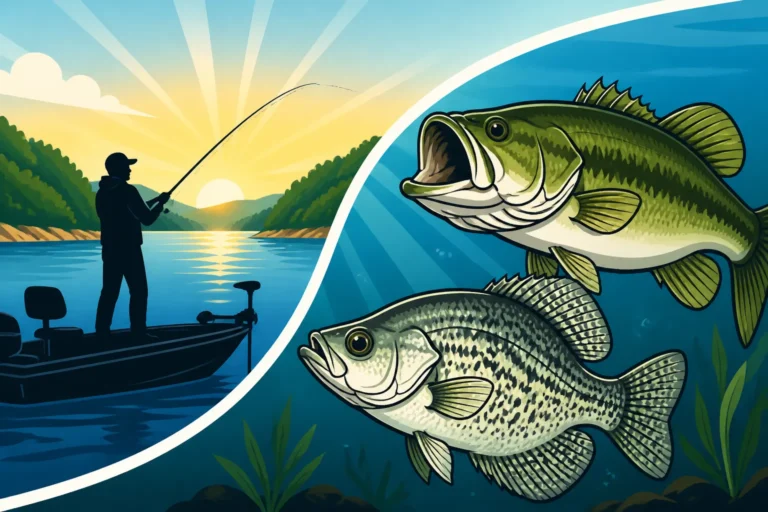
Patoka Lake, located in southern Indiana, is another jewel in the state’s bass fishing crown. This reservoir, slightly smaller than Monroe at around 8,800 acres, is renowned for its clear water, deep channels, and excellent largemouth and smallmouth bass populations. Patoka is particularly famous for its incredible crappie fishing, but don't let that overshadow its bass potential. Its extensive standing timber, numerous coves, and rocky bluffs make it a prime habitat. Bass here tend to grow large, thanks to a healthy forage base. Anglers often find success by focusing on the flooded timber and brush piles that line the creek channels, especially with jigs or plastic worms. Topwater lures can be explosive around dawn and dusk, particularly over submerged vegetation. If you’re looking to truly explore this lake with an expert, you might consider booking a trip through platforms like FishingBooker to tap into local knowledge of its hidden gems.
Lake Wawasee and the Glacial Lakes for Diverse Bass
Up in northern Indiana, the glacial lakes region offers a completely different, yet equally rewarding, bass fishing experience. Lake Wawasee, Indiana's largest natural lake, is a prime example. While often celebrated for its muskie and northern pike, Wawasee also boasts a fantastic population of both largemouth and smallmouth bass. The clear, deep waters and diverse structure – from extensive weed lines and lily pads to rocky points and sharp drop-offs – provide varied habitats. Smallmouth bass thrive in the cooler, deeper sections of these glacial lakes, often found around rock piles and gravel bottoms, making tubes, drop shots, and small crankbaits effective. Largemouth are typically found in the shallower, weedy bays and around docks. Exploring the "Best Muskie Lakes in Indiana's Glacial Lake District" can also lead you to some excellent bass waters, as these species often share similar forage and cover.
Smallmouth Haven: Lake Michigan's Southern Shores
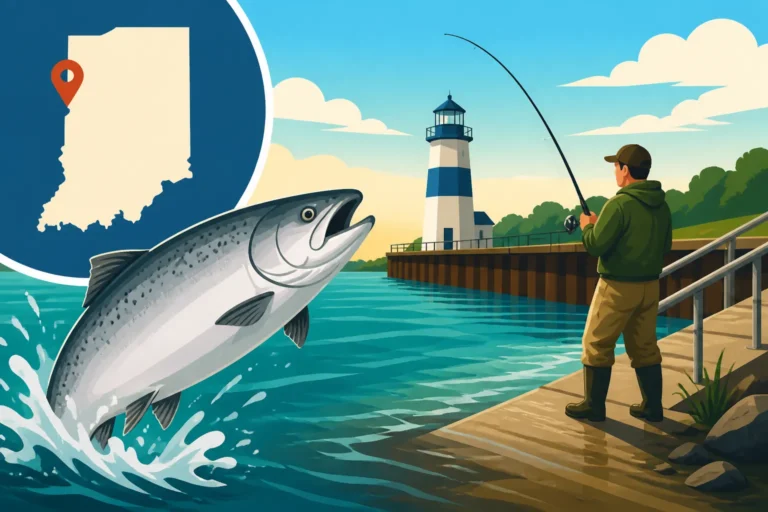
While not a "lake in Indiana" in the traditional sense, the Indiana shoreline of Lake Michigan offers unparalleled smallmouth bass fishing opportunities that many anglers overlook. The rocky breakwaters, piers, and nearshore structure along cities like Michigan City and East Chicago provide fantastic habitat for hard-fighting smallmouth. These bronze beauties grow large in the cold, clear waters of the Great Lake, often hitting baits like tube jigs, crankbaits, and swimbaits. The challenge here is adapting to the unpredictable nature of Lake Michigan, but the reward of a powerful smallmouth on the line is well worth it. Remember that Lake Michigan Fishing Rules for Indiana Anglers can be different from inland lakes, so it's always wise to check current regulations before heading out.
Key Factors for Great Bass Fishing Lakes
What exactly makes a lake a "best lake" for bass fishing? It's not just about size, though that helps. It's a combination of environmental factors and management practices that create ideal conditions for bass to thrive, grow large, and reproduce successfully. Understanding these elements can help you predict where you might find your next trophy.
Rich Forage Base
A healthy bass population, especially one with big fish, relies heavily on an abundant and diverse food source. Lakes with strong populations of baitfish like gizzard shad, alewives, or bluegill will naturally produce larger, healthier bass. These protein-rich meals allow bass to pack on weight quickly. Monroe and Patoka, for example, are known for their strong shad populations, directly contributing to their reputation for big bass. When bass have to work harder for food, they often don't reach their full growth potential.
Diverse Habitat and Structure
Bass are ambush predators, and they need places to hide, hunt, and spawn. The best bass lakes offer a variety of structure:
- Submerged Timber: Flooded trees and brush provide excellent cover and ambush points.
- Weed Beds: Healthy aquatic vegetation offers shelter, oxygen, and a hunting ground.
- Rock Piles and Ledges: These provide vertical structure and can hold baitfish.
- Creek Channels and Drop-offs: Changes in depth are natural pathways and holding areas for bass.
- Docks and Man-made Structures: These also offer shade and cover, especially in clearer water.
A lake like Monroe, with its vast stretches of standing timber and numerous coves, exemplifies this diverse habitat, giving bass endless options to thrive.
Water Quality and Clarity
Good water quality is essential for a healthy ecosystem, including bass. Clean, oxygenated water supports the entire food chain, from plankton to baitfish to the bass themselves. While bass can tolerate some murkiness, excessively muddy or polluted water can stress fish and reduce their feeding activity. Water clarity also influences fishing techniques; clearer water often calls for more subtle presentations and natural colors, while stained water allows for bolder lures and louder presentations.
Effective Fisheries Management and Regulations
The Indiana Department of Natural Resources (IDNR) plays a crucial role in maintaining healthy bass populations through stocking programs, habitat restoration, and thoughtful regulations. Catch-and-release practices, combined with slot limits or daily bag limits, help protect larger, mature bass, ensuring they can continue to reproduce and contribute to the fishery. Always be sure to review the Indiana Fishing Regulations and Bag Limits Guide before your trip to ensure you're compliant. For example, understanding Indiana's Statewide Bass Daily Bag Limit is critical to sustainable fishing.
Maximizing Your Bass Fishing Success
Beyond picking the right lake, a few foundational principles can dramatically increase your chances of hooking into that dream bass. It’s all about understanding the fish, their environment, and how to present your bait effectively.
Understanding Seasonal Patterns
Bass behavior changes drastically throughout the year, driven primarily by water temperature and their spawning cycle.
- Spring (Pre-spawn & Spawn): This is often the most exciting time for bass fishing. Bass move into shallower water to feed heavily before spawning, and then to build nests and protect eggs. Target shallow flats, coves, and protected bays with crankbaits, spinnerbaits, and jigs. For specific timing, check out resources like "Best Time to Bass Spawn in Indiana".
- Summer (Post-spawn & Warm Water): As waters warm, bass often move to deeper, cooler water during the day, relating to structure like humps, ledges, and submerged timber. Early morning, late evening, and night fishing can be productive as bass move shallower to feed. Deep-diving crankbaits, jigs, and soft plastics are go-tos.
- Fall (Feeding Frenzy): As temperatures drop, bass again feed aggressively, often chasing schools of baitfish. This can be an excellent time for topwater action, crankbaits, and jerkbaits, as bass fatten up for winter.
- Winter (Slow & Deep): Bass become lethargic and hold tight to deep structure. Finesse techniques like slow-jigging spoons or blade baits can entice bites, but patience is key.
Essential Gear for Indiana Bass
Having the right tools for the job makes all the difference. For largemouth bass, a medium-heavy to heavy action casting rod paired with a baitcasting reel is ideal for throwing larger lures and handling heavy cover. For smallmouth, or when fishing lighter lures, a medium action spinning rod and reel combo can be more effective.
- Rods & Reels: Consider a versatile setup that can handle various lures. For instance, exploring "Best Rods and Reels for Indiana Largemouth Bass" can give you a good starting point.
- Lines: Fluorocarbon lines are popular for their low visibility and sensitivity, while braided lines offer strength and durability, especially in heavy cover.
- Lures: A diverse tackle box is crucial. Include various crankbaits (shallow, medium, deep), spinnerbaits, jigs, soft plastics (worms, creature baits), and topwater lures. The specific conditions on the lake will dictate your choice.
- Electronics: A good fish finder can be invaluable for locating structure, changes in depth, and even schools of baitfish or bass, especially on larger lakes like Monroe or Patoka.
Consider a Fishing Guide
If you're new to a lake, or simply want to maximize your time on the water, consider hiring a local fishing guide. Guides have intimate knowledge of the lake, current patterns, and the best techniques. They can quickly put you on fish and teach you valuable skills. Services like FishingBooker make it incredibly easy to find and book experienced bass fishing guides for Indiana's top lakes. This can be especially beneficial if you're visiting from out of state and want to make the most of your limited time.
| Lake Name | Primary Bass Species | Key Characteristics | Best Time to Fish for Bass | Access Points/Cities |
|---|---|---|---|---|
| Monroe Lake | Largemouth (dominant) | Largest inland lake, diverse structure, abundant shad | Spring (pre-spawn), Fall | Bloomington, Paynetown SRA |
| Patoka Lake | Largemouth, Smallmouth | Clear water, deep channels, standing timber | Spring, Summer evenings, Fall | French Lick, Jasper |
| Lake Wawasee | Largemouth, Smallmouth | Largest natural lake, weeds, docks, rocky points | Spring, Summer (early/late) | Syracuse, Warsaw |
| Lake Michigan | Smallmouth (nearshore) | Great Lakes conditions, rocky structure, piers | Summer, Fall | Michigan City, East Chicago |
| Brookville Lake | Largemouth, Smallmouth | Deep, clear reservoir, diverse structure, excellent forage | Spring, Fall | Brookville, Liberty |
Disclaimer
Fishing regulations, species populations, and environmental conditions can change. Always check the latest Indiana Department of Natural Resources (IDNR) regulations and local advisories before heading out on the water. This guide is for informational purposes only and does not guarantee fishing success.