Channel Catfish Fishing in Indiana: The Complete Guide
There's nothing quite like the thrill of feeling that strong, steady pull on your line, knowing a hard-fighting channel catfish is on the other end. For many anglers in Indiana, however, figuring out the best ways to consistently hook into these whiskered beauties can feel like a guessing game. From choosing the right bait to understanding their often-elusive habits, it’s easy to get overwhelmed. This comprehensive guide is here to demystify channel catfish fishing in Indiana, offering seasoned advice and practical tips to help you fill your stringer or simply enjoy a fantastic day on the water.
Understanding the Indiana Channel Catfish: What Makes Them Tick?
Before you even think about casting a line, getting a good grasp on the channel catfish itself is crucial. These aren't just any fish; they have distinct characteristics, preferred habitats, and growth patterns that, once understood, can dramatically improve your fishing success. Think of it as learning the language of the fish you're pursuing.
Identification and Key Characteristics
The channel catfish (Ictalurus punctatus) is a distinct species with several features that set it apart. When you pull one of these beauties out of the water, you’ll typically notice its sleek, elongated body, often olive-brown to slate-gray on the back, fading to silvery-white on its belly. Juveniles and many adults often have small, irregular black spots scattered along their sides, giving them their "punctatus" (spotted) scientific name. However, these spots can fade or disappear as the fish ages, especially in larger, older individuals.
One of their most iconic features, of course, is their barbels – those long, whisker-like sensory organs around their mouth. They have eight of these, two on the chin, two on the snout, and four on the upper jaw. These aren't just for show; they're packed with taste buds, acting like underwater antennae to detect food in murky water or low-light conditions. Their deeply forked tail is another tell-tale sign, differentiating them from flathead catfish, which have a broader, square or slightly rounded tail, and blue catfish, which have an even more deeply forked tail but typically lack spots. Knowing these visual cues is the first step in successful identification. You can dive deeper into their specific appearance by reading our guide on Channel Catfish Identification: Spots and Forked Tail.
Habitat and Behavior
Channel catfish are incredibly adaptable and can be found across a wide range of aquatic environments throughout Indiana. They thrive in warm waters, preferring slow-moving rivers, large reservoirs, and even farm ponds. When you're out on the water, look for them in areas with moderate currents, near submerged structures like fallen trees, rock piles, or bridge pilings. They love cover that provides ambush points and protection, especially during the day.
While they can be caught at any time, channel catfish are primarily nocturnal feeders. This means their activity often peaks from dusk through the night and into the early morning hours. They use those sensitive barbels and a keen sense of smell to locate food in the dark. During the day, they might retreat to deeper holes or dense cover, becoming less active but still susceptible to well-placed baits. Their diet is incredibly varied, making them opportunistic feeders. They'll eat insects, crustaceans, small fish, and even decaying organic matter, which is why stink baits and cut bait are so effective. Understanding this scavenging nature is key to selecting the right bait and fishing at the right time.
Growth and Size Expectations
The size of channel catfish you can expect to catch in Indiana varies significantly depending on the body of water and food availability. In smaller farm ponds or heavily fished areas, you might regularly pull in fish in the 1 to 5-pound range, which are perfect for a family fish fry. These are often healthy, robust fish that put up a great fight on appropriate tackle.
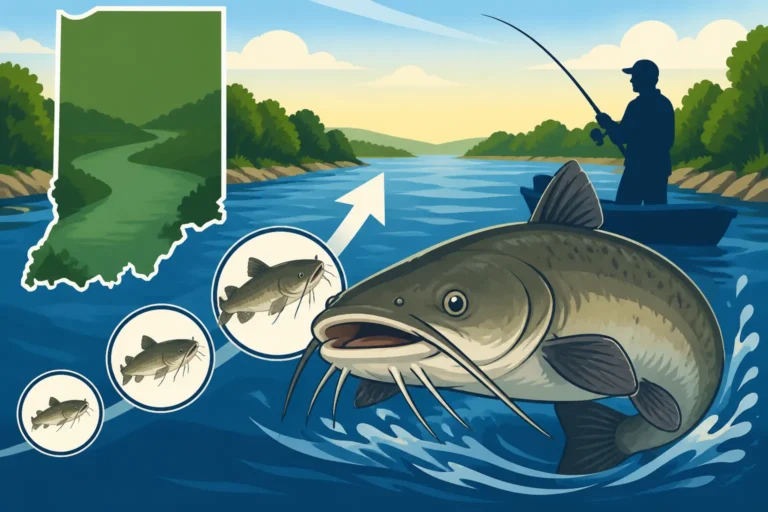
However, Indiana's larger rivers and reservoirs hold the potential for truly impressive channel cats. In expansive systems like the Wabash River or Monroe Lake, it's not uncommon to hook into fish exceeding 10 pounds, and specimens over 20 pounds are caught regularly by dedicated anglers. These larger fish are typically older and have had access to abundant food sources. While catching a true "trophy" channel cat (often considered 30+ pounds) requires a bit of luck and persistence, Indiana waters certainly have the genetic potential for them. Understanding How Big Do Channel Catfish Get in Indiana? can help set your expectations and choose the right gear for the battle.
Where to Find Channel Catfish in Indiana: Top Fishing Spots
Indiana boasts an incredible array of fishing opportunities, and channel catfish are widely distributed across the state. While they're almost everywhere, some locations consistently produce better results than others due to their unique characteristics and food sources. Knowing where to focus your efforts is half the battle.
Rivers: The Catfish Highways
Indiana's river systems are absolute goldmines for channel catfish, especially the larger, slower-moving waterways. These rivers offer consistent current, natural structures, and a rich food base that catfish absolutely thrive on.
- Wabash River: As Indiana's longest river, the Wabash is a legendary catfish destination. From Lafayette down to the Ohio River, you'll find ample opportunities. Focus on deeper bends, areas downstream from dams or riffles where food gets washed, and large log jams or brush piles. These structures provide cover and ambush points. Public access points are plentiful, and exploring by boat can open up even more productive water. Check out Best Fishing Access Points on the Wabash River in Indiana for specific spots.
- White River: Both the West Fork and East Fork of the White River offer excellent channel catfish action. Near Indianapolis, the White River provides surprising urban fishing opportunities for catfish. Look for deeper pools and slower sections, especially around feeder creeks that wash in nutrients after rain. While not as large as the Wabash, it holds a healthy population. If you're near the capital, White River Catfish Fishing Spots Near Indianapolis can point you in the right direction.
- Tippecanoe River: Known for its clear water and excellent smallmouth bass fishing, the Tippecanoe also holds a strong population of channel catfish, particularly in its lower, wider sections. Focus on the deeper runs and pools, especially those with some current and submerged timber. The key here is often to fish during lower light conditions or target those deeper, darker pockets during the day.
When fishing rivers, pay attention to current seams where fast water meets slow water, as these are natural feeding lanes for catfish. Also, look for any abnormalities in the riverbed, such as drop-offs or scour holes, which can concentrate fish.
Lakes and Reservoirs: Structure is Key
While rivers are a natural draw for many catfish anglers, Indiana's numerous lakes and reservoirs are equally productive, offering different types of fishing experiences. These large impoundments often hold trophy-sized channel catfish, especially the deeper ones.
- Patoka Lake: Located in Southern Indiana, Patoka Lake is a sprawling reservoir known for its excellent bass and crappie fishing, but it's also a fantastic channel catfish destination. Look for channel swings, main lake points, and especially the flooded timber areas. Catfish will often relate to the old creek channels that run through the lake, particularly where they intersect with structure or deeper water. The numerous coves and bays offer calmer waters, ideal for anchoring up and soaking baits. For more detailed information, explore Patoka Lake Catfish Fishing Spots for Beginners.
- Monroe Lake: As Indiana's largest inland lake, Monroe offers an immense amount of habitat for channel catfish. Focus on the main lake points, submerged humps, and the deeper areas of the Teter Creek and Salt Creek arms. During warmer months, catfish will roam the flats at night, but during the day, they often retreat to deeper structures. Fishing around the mouths of bays or along old roadbeds that are now submerged can be highly productive.
- Salamonie Lake: This north-central Indiana reservoir is another top spot. Catfish here are often found along the old river channel, particularly where it makes sharp turns or drops off into deeper water. Like Patoka, flooded timber is a major draw. Look for areas with a good amount of woody debris, which offers both cover and food sources. Access is good, and you can often find good action fishing from the bank near campgrounds or boat launches. Consider exploring Where to Catch Catfish on Salamonie Lake for specific insights.
- Mississinewa Lake: Similar in structure to Salamonie, Mississinewa Lake also offers fantastic channel catfish opportunities. Again, the submerged river channel, especially where it winds through deeper sections of the lake, will hold fish. Points that drop off into these channels, and areas with riprap or rock banks, are also prime locations, as they attract baitfish and other forage.
When fishing lakes and reservoirs, a good fish finder can be invaluable for locating submerged structures and identifying potential catfish holding areas. Even without one, focusing on areas where creek channels once flowed, or where there's significant depth change near cover, will increase your odds.
Farm Ponds and Smaller Waters: Hidden Gems
Don't underestimate the power of smaller, local waters for channel catfish. Many farm ponds, small public lakes, and even city park ponds across Indiana are regularly stocked or naturally hold healthy populations of channel catfish.
These smaller waters often provide easy access, making them perfect for a quick evening trip or for introducing kids to fishing. Catfish in these environments tend to be less pressured and can be incredibly eager to bite. Look for deeper sections, areas with overhanging trees that provide shade and dropping insects, or any visible structure like old tires or brush piles that might have been submerged. While you might not pull out a 20-pounder, these spots can offer consistent action with plenty of eater-sized fish. The key is often to use simpler setups and more subtle baits, as the fish can be quite accustomed to standard offerings.
The Best Times to Fish for Channel Catfish in Indiana
Knowing when to hit the water can be just as important as knowing where. Channel catfish, like all fish, have predictable patterns influenced by seasons, time of day, and even weather. Dialing into these rhythms will dramatically increase your chances of success.
Seasonal Patterns
Channel catfish activity in Indiana follows the changing seasons, with distinct peaks and valleys throughout the year.
- Spring (April-May): As water temperatures begin to rise from their winter lows, channel catfish become much more active. They'll start to move into shallower areas to feed heavily in preparation for the spawn. This is an excellent time for aggressive fishing, as they're hungry and willing to chase down a meal. Focus on sunny banks, shallow flats, and the mouths of creeks where warmer water enters. The pre-spawn period is often considered one of the best times of the year.
- Summer (June-August): This is prime time for channel catfish. They're highly active, especially during warmer nights. While they'll still bite during the day, the best action often occurs from late evening through the night and into the early morning hours. During the day, they might move to deeper, cooler water or dense cover to escape the heat and bright sunlight. Fishing after dark is a classic summer catfish strategy. You can find more detail on Best Season for Catfish Fishing in Indiana.
- Fall (September-October): As water temperatures cool, catfish go on another feeding binge to pack on weight for the upcoming winter. They'll be found in a variety of depths, often moving between shallow and deep water as the day progresses. This can be a fantastic time for targeting larger fish, as they are actively foraging. Look for them concentrated in deeper holes in rivers or along major drop-offs in lakes.
- Winter (November-March): While many anglers put their gear away, dedicated ice anglers or those fishing open water during mild spells can still find channel catfish. Their metabolism slows, and they congregate in deep holes or channels. The bite can be subtle, but patience can be rewarded with some surprisingly good catches. Focus on very slow presentations and smaller baits.
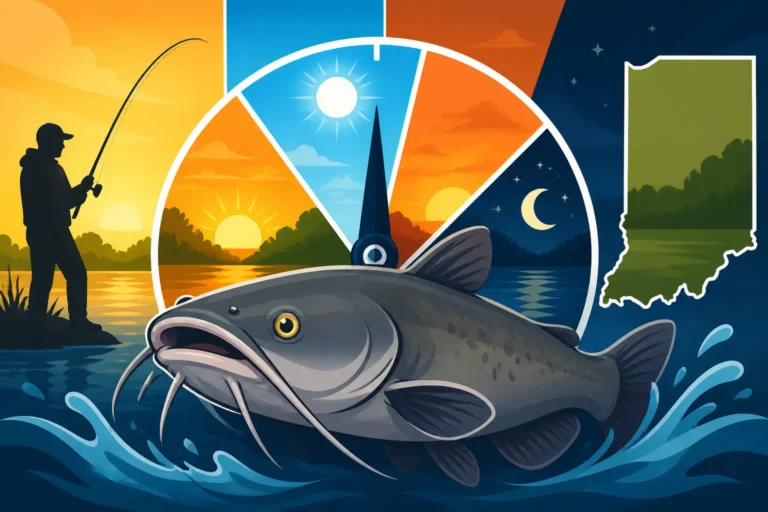
Time of Day: The Catfish Clock
As mentioned earlier, channel catfish are largely nocturnal creatures, and this preference dictates the best times to fish for them.
- Night Fishing: Without a doubt, night fishing is the most productive time for channel catfish, especially during the warmer months. As the sun sets, catfish move from their daytime hiding spots to shallower feeding grounds. Their superior sense of smell and taste gives them an advantage in the dark, and they become much bolder. Setting up camp for an overnight trip or a dedicated evening session is often the most rewarding strategy for numbers and size. This also offers a peaceful, often cooler, fishing experience. To maximize your chances, learn about Best Time of Day to Catch Catfish in Indiana.
- Dawn and Dusk: These transitional periods are also incredibly effective. As the sun rises or sets, catfish are either returning to or leaving their daytime cover, making them actively feed. The low light conditions are comfortable for them, and baitfish are often moving, creating easy meal opportunities. Don't overlook these twilight hours; they can be incredibly productive, sometimes even more so than the middle of the night.
- Daytime: While less consistent than night fishing, you can certainly catch channel catfish during the day. During cooler periods (spring, fall, winter) or on overcast days, they might remain active longer. In summer, you'll need to target deeper water, heavy cover, or current breaks where they feel secure. Using stronger scents and more active presentations can sometimes coax them out during daylight hours.
Weather and Water Conditions
Weather plays a significant role in catfish behavior. Understanding how it influences them can help you plan your trips.
- Rain and Runoff: Catfish often become very active after a good rain, especially if it causes some runoff into rivers or lakes. The influx of fresh, often muddier, water carries new food sources (worms, insects) and nutrients, which can trigger a strong feeding response. The reduced visibility also makes catfish bolder. Fishing near the mouths of feeder creeks or where ditches enter the main body of water can be highly productive after rainfall. For more on this, check out How to Catch Catfish After Heavy Rain.
- Cold Fronts: Just like other fish species, channel catfish can become sluggish after a strong cold front passes through. The sudden drop in temperature and stable, high-pressure systems can make them less willing to bite. During these times, focus on deeper, more stable water, slow down your presentation, and use baits with a very strong scent.
- Water Temperature: As a general rule, channel catfish prefer warmer water. Their activity levels generally increase with rising temperatures until they reach extreme highs, at which point they might seek cooler, deeper retreats. Ideal temperatures for active feeding are typically in the 70s Fahrenheit, though they will feed in both colder and warmer water. Monitoring water temperature can give you a clue about their likely activity level and where they might be holding.
- Water Clarity: Channel catfish are perfectly at home in murky or stained water, sometimes even preferring it due to their reliance on smell and taste rather than sight. Don't be afraid to fish after a rainstorm has muddied the waters; in fact, it can often improve the fishing! In very clear water, you might need to use longer leaders, lighter lines, and fish during low-light conditions to avoid spooking them.
Essential Gear for Channel Catfish Success
You don't need a boatload of expensive equipment to catch channel catfish, but having the right tools for the job will make your experience more enjoyable and successful. It’s all about matching your gear to the size of the fish you're targeting and the environment you're fishing in.
Rods and Reels: Power and Durability
When it comes to channel catfish, you need a setup that can handle powerful runs and the occasional trophy-sized fish, especially when battling current in a river.
- Rods: Look for medium-heavy to heavy action rods, typically in the 7 to 9-foot range. A longer rod provides better casting distance and leverage when fighting a strong fish or dealing with snags. The action should be moderate to fast, meaning the rod bends mainly in the top half or third, allowing for powerful hooksets while still having enough sensitivity to detect subtle bites. Fiberglass or composite rods are often preferred for their durability and parabolic bend, which helps absorb shock. For river fishing, a more robust rod is often necessary to pull fish away from cover. Check out Best Catfish Rods for Indiana Rivers for specific recommendations.
- Reels: Both spinning and baitcasting reels can be effective.
- Spinning Reels: These are a great choice for beginners due to their ease of use and versatility. Look for models in the 4000 to 6000 size range, capable of holding a good amount of heavy line. A smooth drag system is paramount, allowing the fish to take line when it makes a powerful run without breaking your leader. You can find many reliable spinning reels on platforms like Amazon that are perfectly suited for catfish.
- Baitcasting Reels: For more experienced anglers, baitcasting reels offer superior power, torque, and casting accuracy, especially with heavier baits. Look for models with a sturdy construction, a reliable retrieve ratio, and a robust drag system. These are often preferred for larger rivers or when targeting bigger catfish.
For serious catfishing, some anglers even opt for specialized conventional reels, often called "round baitcasters," known for their line capacity and raw cranking power.
Lines and Leaders: Strength and Abrasion Resistance
Your line is the direct link between you and the fish, so choosing the right type and strength is critical.
- Main Line: For most channel catfish applications, a monofilament line in the 15-25 pound test range is a good starting point. Monofilament offers good knot strength, some stretch (which acts as a shock absorber), and is relatively inexpensive. Braided line (20-50 pound test) is another excellent option, especially for detecting subtle bites at a distance or in strong currents. Its no-stretch properties provide incredible sensitivity and hook-setting power, and its thin diameter allows for longer casts with heavier breaking strengths. However, braided line is more visible and can be prone to abrasion, so a leader is often necessary.
- Leaders: If using braided main line, a fluorocarbon or heavy monofilament leader (20-40 pound test) is highly recommended. This provides a less visible connection to your bait, is more abrasion-resistant against rocks and snags, and can be easily replaced if frayed. A leader length of 18-36 inches is typical, connecting to your main line with a strong knot like a FG knot or a double uni-knot, or via a swivel.
Terminal Tackle: Hooks, Weights, and Swivels
This is where the direct connection to your bait and the fish happens, so choose wisely.
- Hooks: The type and size of hook are crucial.
- Circle Hooks: These are highly recommended, especially when fishing with multiple rods or for catch-and-release. Circle hooks are designed to hook fish in the corner of the mouth, minimizing gut-hooking and making removal much easier. Sizes 4/0 to 8/0 are common, depending on the bait size.
- J-Hooks (Octopus, Kahle): If you prefer traditional hooks, strong, sharp J-hooks in similar sizes (4/0 to 8/0) work well. Just be more vigilant about setting the hook promptly to avoid deep hooking.
Always choose hooks made from strong, heavy-gauge wire, as channel catfish can bend lighter hooks, especially larger ones.
- Weights (Sinkers): You'll need various weights to get your bait to the bottom and hold it there against current.
- Egg Sinkers: These are popular for slip-sinker rigs, allowing the line to run freely through the sinker, so a biting fish doesn't feel resistance. Sizes from 1/2 oz to 3 oz or more are common.
- Flat/Pyramid Sinkers: Excellent for holding bottom in strong currents, preventing your bait from rolling.
- Bank Sinkers: A versatile, inexpensive option for various conditions.
Carry a good assortment of sizes, as current and depth will dictate what you need.
- Swivels: High-quality barrel swivels or ball-bearing swivels are essential for preventing line twist, especially when using cut baits or fishing in current. A heavy-duty swivel also acts as a stop for slip sinkers and provides a strong connection point for your leader. Choose swivels with a breaking strength that matches or exceeds your main line.
Equipping yourself with these basic items, many of which are readily available on Amazon or at local tackle shops, will set you up for success on your next Indiana channel catfish adventure.
Effective Channel Catfish Fishing Techniques
Catching channel catfish consistently often comes down to employing the right techniques for the specific conditions you're facing. While they're not always the pickiest eaters, presenting your bait effectively is key to enticing a bite.
Bottom Fishing: The Go-To Method
Bottom fishing is, without a doubt, the most popular and often the most effective technique for channel catfish. These fish spend a lot of time on or near the bottom, scavenging for food, and this method puts your bait right in their strike zone.
- Slip Sinker Rig (Carolina Rig): This is perhaps the most widely used and versatile rig for channel cats. It consists of an egg sinker threaded onto your main line, followed by a bead (to protect the knot), tied to a barrel swivel. A fluorocarbon or monofilament leader (12-24 inches) is then tied to the other end of the swivel, with your hook at the very end. The beauty of this rig is that the line can "slip" through the sinker, allowing a catfish to pick up the bait and swim off without feeling the resistance of the weight. This often results in more solid hooksets. When fishing in current, you might opt for a flat or pyramid sinker to keep your bait in place. Learning How to Bottom Fish for Channel Catfish is a fundamental skill for any catfisherman.
- Three-Way Swivel Rig: This rig is excellent for presenting bait in current, especially in rivers. You tie your main line to one eye of a three-way swivel, a short leader (6-12 inches) with a sinker to the second eye, and a longer leader (12-36 inches) with your hook to the third eye. This allows your bait to drift naturally just off the bottom while the sinker holds position, making it very attractive to cruising catfish.
- Basic Bottom Rig: For simpler setups, especially in still water or light current, you can use a simple paternoster rig or a fixed sinker rig where the weight is tied directly to the end of your main line, and a snelled hook is attached to a dropper loop a foot or so above the sinker. This keeps your bait directly on the bottom.
When bottom fishing, cast your bait out to your desired location, let it sink, and then reel in just enough slack to feel the weight of your sinker. Place your rod in a sturdy rod holder with the bail open or clicker engaged on a baitcaster. Wait for that characteristic, deliberate tug or pull indicating a bite.
Trotlines and Jug Fishing: Advanced and High Volume
For anglers looking to cover more water and potentially catch more fish, trotlines and jug fishing are traditional methods. However, it's crucial to understand that these methods often have specific regulations and licensing requirements in Indiana, so always check the current state guidelines before deploying them.
- Trotlines: A trotline consists of a main line stretched across a body of water or along a bank, from which multiple baited hooks are suspended at intervals. They are typically set out overnight and checked in the morning. This method allows you to fish many baits over a wide area, increasing your chances of finding actively feeding fish. Setting a trotline requires careful planning to avoid navigation hazards and ensuring it's properly secured. For detailed instructions, refer to Trotline Fishing Techniques for Catfish.
- Jug Fishing: Jug fishing involves baiting multiple hooks attached to individual floating jugs or bottles. Each jug is allowed to drift freely across the water, covering a large area. When a fish bites, the jug will start to move erratically, indicating a catch. This is an active form of catfishing, requiring you to follow the jugs and retrieve them as they get hits. It's an exciting way to fish and can be incredibly effective in lakes and slow-moving rivers. Learn the nuances of this method by reading Jug Fishing Techniques for Catfish.
Both trotlines and jug fishing are often used by commercial anglers or those looking for a large quantity of fish, but they can also be recreational methods. Always remember to check Indiana's specific regulations regarding the number of hooks, lines, and marking requirements for these methods.
Bank vs. Boat Fishing: Advantages and Strategies
Both bank fishing and boat fishing offer distinct advantages for targeting channel catfish in Indiana. Your choice will often depend on your access, budget, and desired fishing experience.
- Bank Fishing: Many excellent channel catfish spots in Indiana are accessible from shore. Rivers, public piers, reservoir points, and smaller ponds often provide ample bank access. The advantages include ease of access, no boat expenses, and the ability to move around relatively freely to try different spots. From the bank, you'll want to focus on casting to deeper holes, current breaks, or areas with visible structure within casting distance. A good sturdy rod holder is essential here, along with a comfortable chair. For tips on maximizing your shore experience, see Bank Fishing Techniques for Beginners.
- Boat Fishing: A boat, whether a small jon boat, a pontoon, or a dedicated fishing craft, significantly expands your reach. You can access prime offshore structures, deep river channels, and remote coves that are unreachable from the bank. This allows for precise bait placement and the ability to follow fish movements more effectively. With a boat, you can drift baits, anchor on specific structure, or even troll for catfish (though this is less common for channels than for other species). The ability to quickly move and explore new areas is a huge asset, especially on large bodies of water like Monroe or Patoka Lake.
Ultimately, both methods can be incredibly productive for channel catfish. Many anglers combine strategies, perhaps starting their day bank fishing and then heading out on a boat for deeper, more challenging spots. The key is to understand the strengths of each approach and apply them to the conditions at hand.
Baiting Strategies for Hungry Channel Catfish
Channel catfish are often described as opportunistic scavengers, and their diet reflects this. They have an incredible sense of smell and taste, which means pungent, smelly baits are often the most effective. However, understanding the different types of baits and how to present them can make a huge difference in your catch rate.
Natural Baits: Tried, True, and Smelly
For many seasoned catfish anglers, natural baits are the foundation of their success. They've been used for generations for a reason: they work!
- Cut Bait: This is arguably the most popular and effective bait for channel catfish. Fresh cut bait, especially from oily fish like shad, skipjack herring, or even bluegill, releases powerful scent trails that catfish simply can't resist. The key is using fresh bait; frozen-thawed bait can work, but fresh is always better. Cut the fish into chunks or strips that are proportional to the hook size you're using. The oilier the fish, the better. You can find detailed information on Best Cut Bait for Catfish Fishing.
- Chicken Livers: A classic for a reason, chicken livers are cheap, readily available, and incredibly smelly. The downside is they can be soft and difficult to keep on a hook, especially with a strong cast or current. Many anglers use a small piece of nylon stocking or thread to secure the liver to the hook. Despite the mess, their effectiveness is undeniable, particularly for smaller to medium-sized channel cats.
- Worms (Nightcrawlers, Redworms): While perhaps more commonly associated with panfish or bass, a large ball of nightcrawlers can be very attractive to channel catfish. They provide a lot of scent and movement, and are easily digestible. They're especially effective in ponds or smaller lakes where catfish might be feeding on natural insect larvae.
- Shrimp: Both raw and cooked shrimp can be excellent catfish baits. Their strong natural odor is a big draw. Raw shrimp, especially those that have been sitting out for a bit (but not completely spoiled), can be particularly potent. It holds on the hook relatively well and is easy to acquire.
- Other Meats: Pieces of hot dogs, bacon, or even raw lean beef can sometimes entice a bite. The key here is typically the strong scent and ease of access. While not as universally effective as cut bait or livers, they can be good alternatives, especially in a pinch.
When using natural baits, think about scent dispersal. The more natural juices and smells that can leach into the water, the better your chances.
Prepared Baits and Dips: Commercial and Homemade Solutions
Beyond natural baits, there's a huge world of prepared baits and dips designed specifically to attract channel catfish. These often leverage extremely pungent ingredients to create a powerful scent slick in the water.
- Stink Baits: These are commercially available baits, often paste-like or doughy, infused with strong, fishy, or cheesy odors. They come in tubs and are typically applied to a sponge hook, a specialized bait holder, or a treble hook. Brands like Berkley PowerBait for catfish, Catfish Charlie, and Sonny's Super Sticky are popular choices. The convenience and potent smell make them very popular, especially for bank anglers who don't want to deal with live bait or cut bait.
- Dip Baits: Similar to stink baits but often with a thinner consistency, dip baits are designed to be "dipped" with a special applicator or sponge attached to your hook. They create a slow-releasing scent plume that attracts catfish from a distance. Again, these are incredibly smelly and effective, especially in warm water where scents travel quickly.
- Homemade Baits: For the adventurous angler, creating your own catfish bait can be a fun and rewarding endeavor. Recipes often involve combinations of cheese, garlic, rotten meat, blood, and other pungent ingredients, mixed into a dough or paste. There are countless variations, and many anglers swear by their secret family recipe. The advantage is customization and often a lower cost per batch.
When using prepared baits, ensure you have a dedicated bait towel and possibly gloves, as the smell can be incredibly persistent! The effectiveness of these baits lies in their ability to release a continuous scent stream, drawing in curious catfish. On Amazon, you'll find a wide variety of these commercial baits, making it easy to experiment with different types.
Bait Presentation: Making Your Offering Irresistible
It's not just what you use, but how you present it. Proper bait presentation ensures your bait is visible (or smell-able) and accessible to a cruising catfish.
- Hook Selection: Match your hook size to your bait. A too-small hook won't hold the bait properly, and a too-large hook can deter smaller fish. Circle hooks are excellent for cut bait and larger chunks of chicken liver.
- Hair Rigs and Bait Thread: For soft baits like chicken livers, a hair rig (where the bait is tied below the hook) or simply wrapping the bait with a fine bait thread can help keep it on the hook through casts and current. This is a common tactic to prevent losing your bait on every cast.
- Depth and Location: Ensure your bait is presented on or near the bottom, where channel catfish primarily feed. If you're fishing in a river, try to cast slightly upstream and let your bait settle naturally, allowing the current to carry the scent downstream. In lakes, target structure, drop-offs, and old creek channels.
- Freshness and Re-baiting: Even the best bait loses its potency over time, especially in current. Check your bait regularly – every 15-30 minutes – to ensure it's still fresh, scented, and securely on the hook. Frequent re-baiting can keep a fresh scent trail in the water and increase your bites.
By combining the right bait, a thoughtful presentation, and a good understanding of channel catfish behavior, you'll be well on your way to a successful day or night of fishing in Indiana.
Handling Your Catch and Preparing Channel Catfish for the Table
Once you've successfully reeled in a channel catfish, the adventure isn't over! Knowing how to properly handle your catch, whether you plan to release it or take it home for dinner, is crucial for both the fish's welfare and your own enjoyment.
Safe Handling and Release
If you're practicing catch and release, or if you simply need to handle the fish to remove the hook, doing so safely is paramount. Channel catfish have sharp spines on their dorsal (back) fin and pectoral (side) fins, which can deliver a painful poke if you're not careful.
- Use Tools: A good pair of pliers or a hook remover is essential for quickly and safely extracting hooks. If the hook is deeply embedded and you intend to release the fish, it's often better to cut the line as close to the hook as possible rather than risking further injury trying to pull it out.
- Grip Firmly, but Gently: When holding a catfish, avoid grabbing it by the eye sockets or gill plates, as this can cause serious harm. A safe way to hold a channel cat is to grip it firmly behind the pectoral fins, pressing down slightly on the spine. You can also use a wet towel or specialized fish-handling gloves for a better grip and protection from the spines. Always wet your hands before touching the fish to protect its slime coat, which is vital for its health.
- Minimize Time Out of Water: The longer a fish is out of its aquatic environment, the more stressed it becomes. Try to unhook, photograph (if desired), and release the fish as quickly as possible. If it seems sluggish upon release, gently hold it upright in the water, facing into a mild current, until it regains its strength and swims away on its own.
- Respect Regulations: Always be aware of Indiana's fishing regulations, including daily bag and possession limits, as well as any length limits for specific species. These are in place to ensure sustainable fish populations. Consulting the Indiana Fishing Regulations and Bag Limits Guide before your trip is a must.
Cleaning and Filleting: From Fish to Feast
Channel catfish are renowned for their excellent table fare, offering firm, white, flaky meat with a mild flavor. Cleaning and filleting them properly ensures you get the most out of your catch.
- Step 1: Get Prepared: You'll need a sharp fillet knife, a sturdy cutting board (preferably one that can be rinsed easily), and a cooler with ice to keep the fillets fresh. Having a pair of gloves can also be helpful for grip and to keep your hands clean.
- Step 2: Skinning is Key: Unlike many scaled fish, channel catfish are typically skinned rather than scaled.
- Start by making a shallow cut behind the head, down to the backbone, but don't cut through it.
- Using pliers or a specialized skinning tool, grip the skin at the cut and pull firmly towards the tail. This can take a bit of effort, but once you get it started, the skin often peels off quite easily. Repeat on the other side.
- Step 3: Filleting (if desired): Once skinned, you can either cook the fish whole (especially smaller ones) or fillet them.
- For filleting, place the skinned fish on its side. Make a cut along the backbone from the head to the tail.
- Work your knife along the rib cage, separating the meat from the bones. You might need to make small cuts to free the fillet.
- Remove the belly meat (which can be fatty) and any remaining dark red meat along the lateral line, as this can impart a stronger flavor.
- Repeat the process on the other side of the fish.
- Step 4: Rinse and Chill: Rinse your fillets thoroughly in cold water to remove any remaining blood or scales. Pat them dry with a paper towel. Place the cleaned fillets in a baggie or container in a cooler filled with ice immediately to maintain freshness until you're ready to cook.
Cooking Channel Catfish: A Delicious Reward
So, Is Channel Catfish Good to Eat? Absolutely! The mild flavor and firm texture of channel catfish make it incredibly versatile in the kitchen.
- Classic Fried Catfish: This is a fan-favorite. Dredge the fillets in a seasoned cornmeal or flour mixture, then deep-fry or pan-fry them until golden brown and flaky. Serve with hushpuppies, coleslaw, and tartar sauce for a quintessential Southern-style meal.
- Baked or Grilled: For a healthier option, catfish fillets can be baked with lemon, herbs, and butter, or grilled with a simple seasoning rub. The key is not to overcook them, as they can dry out. They cook relatively quickly.
- Catfish Tacos: Flaky, pan-fried or grilled catfish makes an excellent base for fish tacos, topped with fresh salsa, cabbage slaw, and a creamy sauce.
- Cajun or Blackened: Seasoning with a robust Cajun spice blend and then searing the fillets in a hot, cast-iron skillet (blackened) brings out a fantastic depth of flavor.
No matter how you prepare it, enjoying your fresh-caught Indiana channel catfish is the perfect end to a successful fishing trip. The taste of your own hard work, coupled with the satisfaction of a great day on the water, truly can't be beaten.
Common Challenges and Troubleshooting for Catfish Anglers
Even the most experienced anglers face challenges. Channel catfish can be finicky, conditions can be tough, and sometimes, things just don't go as planned. Understanding common hurdles and knowing how to troubleshoot them can turn a frustrating day into a successful one.
Snags and Break-offs: The Angler's Nemesis
Fishing for channel catfish often involves targeting areas with structure like submerged timber, rock piles, or old creek beds. While these are prime holding areas for fish, they are also notorious for snags, leading to lost tackle and frustration.
- Prevention is Key:
- Use appropriate tackle: Heavier line and a strong leader (20-40lb test) can help you pull free from lighter snags.
- Slip Sinker Rigs: These rigs, with the sinker free to slide, often allow you to retrieve your hook even if the sinker gets snagged, by simply letting the line slip through.
- Rod Placement: When fishing from a boat, position your rod so your line angles away from the heaviest cover. From the bank, try to cast parallel to cover rather than directly into it.
- Dealing with a Snag:
- Don't yank hard immediately: Often, a slow, steady pull in a different direction can free your line. Try walking around the bank (if safe and possible) to change the angle of pull.
- "Pop" the line: If pulling doesn't work, point your rod directly at the snag, open the bail on your spinning reel (or put the baitcaster in free spool), and quickly pull back on the line. This can sometimes create a shockwave that frees the hook.
- Sacrifice the Rig: If all else fails, it's better to break off just your leader at the swivel than to lose your entire main line. This is another reason to use a leader that's slightly lighter in breaking strength than your main line. Carrying extra pre-tied rigs can get you back in the water quickly.
Slow Bite Days: When Catfish Just Aren't Biting
We've all been there: you've chosen a prime spot, used your favorite bait, and the conditions seem perfect, but the fish just aren't biting. Slow days are a part of fishing, but there are strategies to turn things around.
- Change Bait: If one bait isn't working, try another. If you're using chicken livers, switch to cut bait or a commercial stink bait. Catfish preferences can vary day-to-day or even hour-to-hour. Keep a variety of options on hand.
- Change Location (Even Slightly): If a spot isn't producing after 30-60 minutes, move. Even a move of 20-50 yards can make a huge difference. Try shallower water, deeper water, or a different type of structure. Look for changes in current or bottom composition.
- Change Presentation: Are you letting your bait sit perfectly still? Try a very slow, subtle retrieve to impart some action. Or, if you're in a river, try casting further upstream to allow for a longer drift.
- Fish During Low Light: If you're fishing during the day and the bite is slow, consider waiting for dusk or planning a dedicated night trip. As discussed, channel catfish are often much more active after the sun goes down.
- Check Your Gear: Is your hook still sharp? Is your bait fresh? Is there line twist affecting your presentation? A quick check of your terminal tackle can sometimes reveal a simple problem.
Patience is a virtue in catfishing, but persistence and a willingness to adapt are often what makes the difference on tough days.
Understanding Regulations: Stay Legal, Stay Fishing
Indiana has specific fishing regulations designed to protect fish populations and ensure fair chase. Ignorance of the law is no excuse, and penalties for violations can range from fines to loss of fishing privileges.
- Fishing License: First and foremost, almost everyone needs an Indiana fishing license. There are exceptions for youth, specific free fishing days, or fishing on your own private property, but generally, if you're casting a line in public waters, you need one. Get familiar with Indiana Fishing License Requirements Explained.
- Bag and Size Limits: Channel catfish, like many other species, have daily bag limits (the maximum number of fish you can keep in a day) and sometimes size limits (minimum or maximum length). These can vary by water body. For channel catfish in Indiana, the statewide daily bag limit is generally 25 fish, with no minimum size limit, but always double-check for any specific lake or river regulations that might differ.
- Method Restrictions: Certain fishing methods, like trotlines, jug lines, or limb lines, have very specific regulations regarding the number of hooks, types of bait allowed, and marking requirements. Ensure you understand these rules thoroughly before deploying such gear.
- Boundary Waters: If you're fishing border rivers (like the Ohio River or Wabash River bordering Illinois), reciprocity rules might apply, but it's often safest to have a license for both states if you plan to fish both sides or wander across the state line.
- Annual Review: Fishing regulations can change from year to year. It's always a good idea to review the current Indiana Fishing Guide published by the DNR at the beginning of each fishing season (typically available online and at license vendors).
By staying informed and always adhering to the regulations, you're contributing to the health of Indiana's fisheries and ensuring that future generations can enjoy the thrill of catching channel catfish too. A responsible angler is a successful angler.
Disclaimer
This article is for general informational purposes only and does not constitute professional advice. Laws, prices and regulations vary by location and change over time. Consult a qualified professional for guidance on your specific situation.