Winter Fishing Patterns for Bass
Alright, fellow Hoosier anglers, let's talk about something many of us dread but secretly love to conquer: winter bass fishing. That chill in the air, the stiff fingers, and the seemingly barren waters can make you want to just pack it in until spring. But if you know how and where to look, you can absolutely trick those cold-blooded beauties into biting, and often, you'll find some of the biggest bass of the year! This guide is all about helping you understand the unique patterns of bass when Indiana's waters turn frigid, so you can keep your lines tight all winter long.
Understanding Winter Bass Behavior in Indiana
When the temperatures drop across Indiana, bass don't just disappear. They certainly change their habits dramatically, and understanding these shifts is key to finding them. It’s not like summer where they’re chasing baitfish everywhere; winter calls for a completely different mindset.
The Metabolism Slowdown
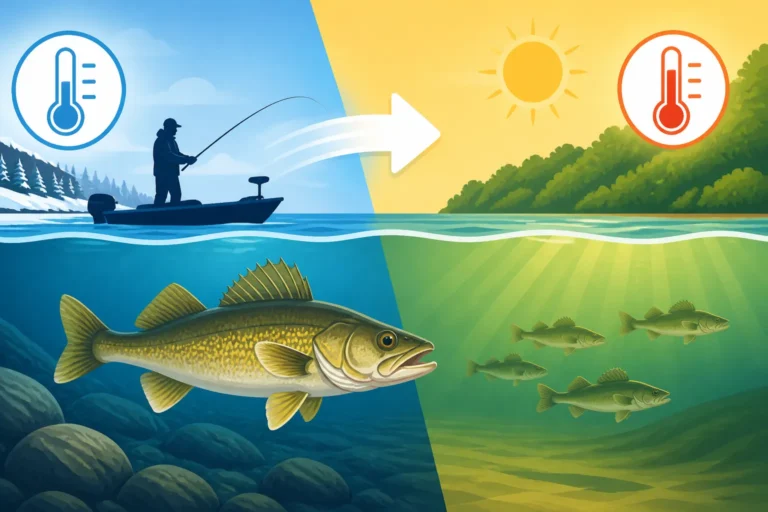
The most crucial factor influencing winter bass behavior is their metabolism. As water temperatures plummet, bass become sluggish. Their bodies require less energy, so they don't need to feed as often or as aggressively. This means you won't see them expending a lot of energy chasing down fast-moving baits. Instead, they prefer easy meals that require minimal effort. Think of it like us on a cold winter day – we'd rather curl up with a hot cocoa than run a marathon. Bass are the same; they want to conserve energy. This metabolic slowdown dictates everything from where they hold to what baits they'll consider.
This reduced activity also affects how long they'll hold onto a lure once they bite. Sometimes, it's less of a violent strike and more of a subtle "thump" or just added weight on your line. You might not even realize you have a fish on until you go to move your bait. It takes a keen sense of touch and patience to detect these light bites, especially when your hands are cold. Learning to distinguish between a snag and a bass just mouthing your lure is a skill developed through cold-weather experience.
Depth and Structure Preferences
In winter, bass will often seek out the most stable water temperatures available, and usually, that means deeper water. They aren't necessarily looking for "warm" water, but rather water that doesn't fluctuate as much with air temperature changes. This often puts them on deep main lake points, channel swings, sharp drop-offs, or around deep-water humps and ledges. Any submerged structure that offers a break from current and access to deeper sanctuary will be a magnet. Think rock piles, brush piles, or even standing timber that extends into deeper thermoclines.
However, don't rule out shallower areas entirely, especially on sunny days. If there's a prolonged period of sunshine, north-facing banks (which get direct sun all day) or dark bottom areas (like mud flats or rocky stretches) can absorb solar radiation and warm up a few degrees. These slight temperature bumps can be enough to pull bass up shallower for a brief feeding window, particularly in the afternoon. It's a delicate balance of deep-water security and opportunistic shallow feeding. Always check your Best Water Temperature for Bass Fishing in Indiana for clues.
Schooling Tendencies
One of the best things about winter bass fishing in Indiana is that when you find one bass, you often find a whole school. During colder months, bass tend to group up much more tightly than in warmer seasons. This schooling behavior is a survival mechanism; it helps them conserve energy and makes it easier for them to ambush baitfish that are also schooling. If you manage to catch one bass, make sure to mark the spot precisely on your electronics, because there are likely many more fish in that exact same area.
This means that if you're not getting bites, you might be just a few feet off the mark. Persistence and precision are key. Once you hit that sweet spot, you could be in for a flurry of action that makes enduring the cold entirely worth it. Using your fish finder to locate these tight schools of bass or even the baitfish they are chasing will dramatically increase your success rate. This is also a major factor in why so many anglers focus on Best Fishing Spots to Catch Trophy Bass in Indiana in the colder months.
Essential Gear and Techniques for Winter Bass
Successfully targeting bass in winter requires a careful selection of gear and a significant adjustment to your fishing techniques. What works in July will likely fail in January.
Lure Selection for Cold Water
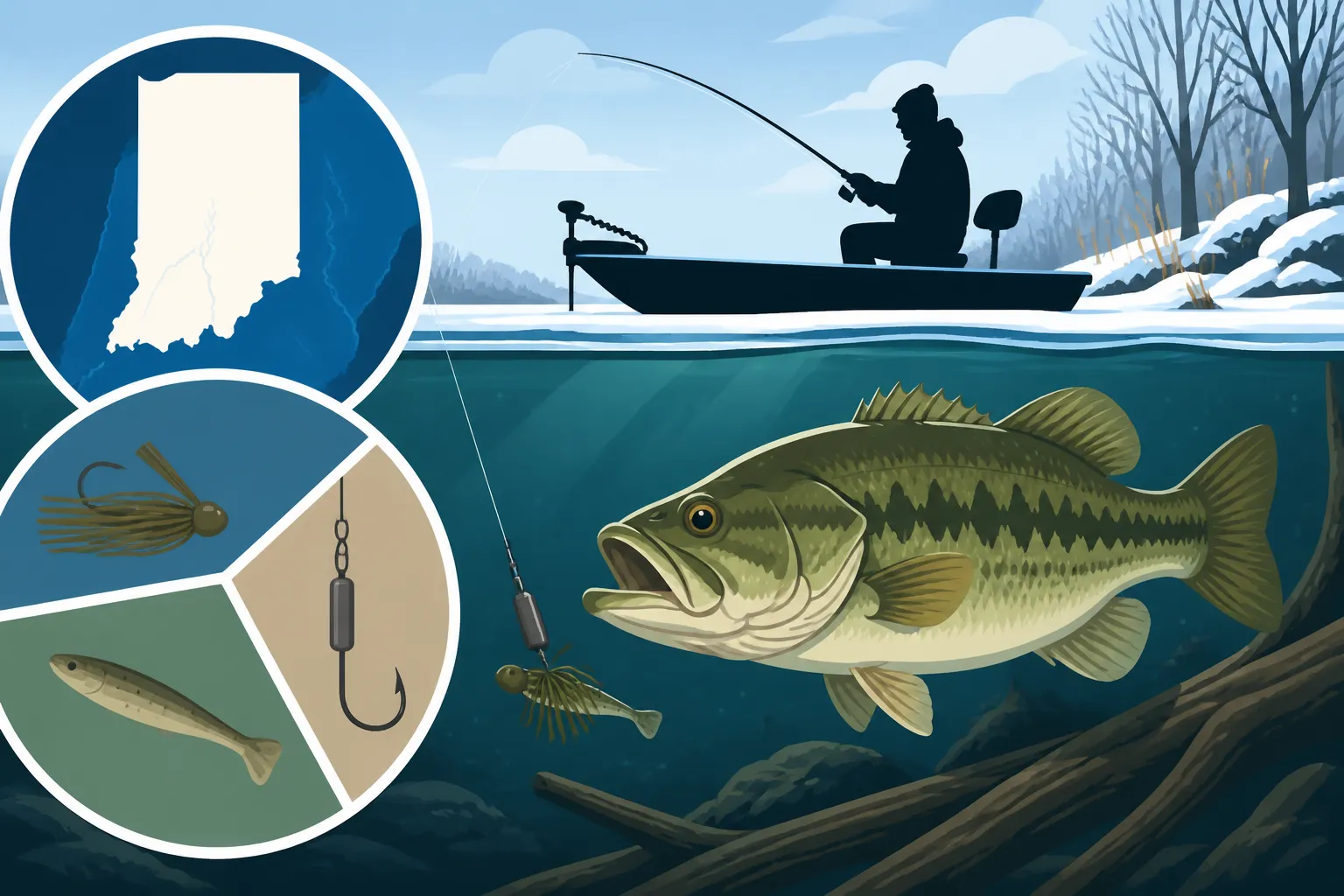
When bass are sluggish, they're not going to chase down a fast-moving crankbait. Instead, you need lures that can be presented slowly, stay in the strike zone longer, and appeal to their natural instincts for an easy meal. My go-to lures for winter bass include:
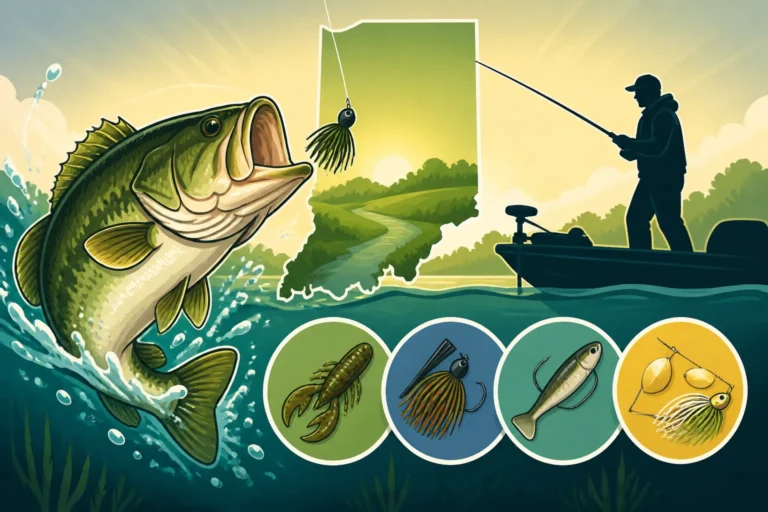
- Jigs (Football, Arkie, Finesse): These are absolute staples. A football jig dragged slowly along the bottom mimics crawfish or other bottom-dwelling prey. Pair it with a bulky soft plastic trailer for a larger profile, or a finesse trailer for more subtle action. The key is to barely move it, letting it sit for long periods. You can find a huge variety of quality jigs and trailers on sites like Amazon. For more on rigging, check out How to Rig a Jig for Largemouth Bass.
- Blade Baits: Lures like a Silver Buddy or a homemade blade bait can be incredibly effective when vertically jigged. The vibration and flash they put off, even with minimal movement, can trigger bites from otherwise lethargic bass. A slow lift and fall, often just a few inches, is all it takes.
- Jerkbaits: While often associated with warmer water, suspending jerkbaits can be deadly in cold water. Their ability to hang motionless in the water column for an extended period is what makes them so effective. Cast it out, twitch it a few times, then pause it for 10, 15, or even 30 seconds. The longer the pause, the better.
- Drop Shots and Ned Rigs: When the bite is really tough, finesse techniques like a drop shot or a Ned rig can be the ticket. These small, subtle presentations are perfect for presenting a small bait directly to a schooled-up bass without overstimulating it. They perfectly match the bass's slow metabolism.
Rod, Reel, and Line Considerations
Your gear choices also need to be optimized for cold water and subtle bites.
- Rods: Sensitivity is paramount. A medium-light to medium power spinning rod with a fast or extra-fast action is ideal for finesse techniques like drop shots and Ned rigs. For jigs and blade baits, a medium-heavy casting rod with a fast tip gives you the backbone to set the hook while still allowing for feel. Graphite rods are generally more sensitive than fiberglass, which is a huge advantage when detecting light winter bites. Many excellent options from brands like Ugly Stik or St. Croix can be found on Amazon. Look for specific models that emphasize sensitivity for cold weather.
- Reels: Smooth drag is essential, especially with light lines. Spinning reels in the 2000-3000 size are perfect for finesse applications. For casting, a quality baitcasting reel with a good gear ratio will handle jigs and blade baits well. Remember, smooth operation in cold temperatures is crucial. For more options, explore Best Baitcasting Reels for Indiana Anglers.
- Line: This is where opinions can vary, but generally, lighter lines are preferred for finesse presentations.
- Fluorocarbon: This is my top choice for most winter applications. Its low stretch provides excellent sensitivity, and its near-invisibility underwater is a huge advantage in clear, cold water. Use 6-10 lb test for finesse and 12-17 lb for jigs.
- Braided Line with Fluorocarbon Leader: For maximum sensitivity and casting distance, especially with spinning gear, a 10-15 lb braided mainline with a 6-10 lb fluorocarbon leader is a fantastic setup. The braid transmits even the slightest tap, and the leader keeps your presentation stealthy.
- Monofilament: While less sensitive, mono can still have its place, particularly with jerkbaits, as its slight stretch can absorb some shock during violent headshakes.
Slow and Deliberate Presentations
This cannot be stressed enough: slow down. Whatever lure you choose, present it with extreme patience. Cast your lure out and let it sink all the way to the bottom. Once it's there, move it minimally.
- Jig Fishing: Think of it more as dragging than hopping. Make long pauses, often 10-20 seconds, between short pulls or slight shakes of the rod tip. A bass in winter is not going to chase; it will simply open its mouth and inhale something that looks like an easy meal passing by.
- Jerkbait Fishing: The "rip, rip, pause" cadence from warmer months needs to become "twitch, twitch, loooong pause." Seriously, count to 15, 20, or even 30 seconds. The suspending nature of these baits means they literally hang motionless, tempting a reluctant bass to strike. It's often on that dead pause that you'll get the bite.
- Finesse Rigs: With a drop shot or Ned rig, let the bait sit on the bottom, twitching it gently with the rod tip, but keeping the slack out of your line to feel any resistance. Don't be afraid to leave it motionless for a full minute or more. When you finally get a bite, it might just feel like a sponge on your line or a slight weight. Set the hook!
Locating Winter Bass Hotspots in Indiana
Finding winter bass isn't about covering a lot of water quickly; it's about methodically dissecting specific, high-percentage areas. Remember, bass are schooled up, so once you find one, you're likely on to a goldmine.
Reservoir and Lake Strategies
Indiana's many reservoirs and larger natural lakes can be prime for winter bass if you know where to look.
- Main Lake Points and Deep Ledges: These are classic winter holding areas. Bass will position themselves on the deeper sides of points that drop off sharply into the main lake channel. They often relate to the "break line" where the flatter shelf transitions to the steeper drop. Use your electronics to find any irregularities, such as rock piles, timber, or shell beds on these ledges. These areas offer easy access to both deep water sanctuary and shallower feeding grounds.
- Channel Swings: Where the main river or creek channel makes a sharp turn, creating an inside and outside bend, can be fantastic. Bass will often hold on the deeper, outside bend, especially if there's timber or rock on it. The channel provides a migration route and easy access to stable temperatures. When the current changes or baitfish move through, bass can quickly move up onto the adjacent flats to feed.
- Dam Areas: The deepest water in a reservoir is almost always near the dam. This area often has steep rock walls, riprap, and deep-water access that bass love in winter. They can also use the vertical structure for cover. While not always productive, it's worth checking, especially on the warmest winter days. Consider how Indiana's Fishing License Year Runs April to March impacts your seasonal planning, but these cold-weather spots remain consistent regardless.
River and Stream Approaches
While reservoirs often get the most winter attention, Indiana's larger rivers and streams can hold surprising numbers of winter bass.
- Deep Holes and Eddies: In rivers, current is king. Bass will seek out areas with minimal current where they can conserve energy. Look for deep holes adjacent to main channels, particularly on the inside bends where current is slower. Eddies, which are pockets of reverse current behind major obstacles like large rocks, bridge pilings, or fallen trees, are also prime targets. These spots provide both shelter and an ambush point for any disoriented baitfish floating by.
- Confluence Points: Where a smaller creek or tributary meets a larger river, the water often deepens, and the change in current can create a natural holding area for bass. These areas can also hold slightly warmer water if the tributary is flowing from an agricultural field or other surface runoff, creating a subtle temperature advantage that bass will exploit.
- Bridge Pilings and Riprap: Bridge structures often provide both vertical cover and deeper water. The riprap around bridge abutments absorbs solar heat and creates excellent habitat for baitfish and crawfish, which in turn attracts bass. Fish these areas slowly, probing every crack and crevice. Remember, Best Techniques for Smallmouth Bass in Rivers often focus on these current breaks.
Reading Water Temperature
Your boat's electronics are your best friend in winter. Pay close attention to your water temperature gauge. Even a difference of one or two degrees can concentrate bass. If you find a pocket of slightly warmer water (even just 40 degrees instead of 38), focus your efforts there. Look for areas that receive direct sunlight for long periods, or consider spots where incoming water might be slightly warmer. For broader context on how these conditions tie into behavior, delve into How Weather Affects Fish Feeding Patterns.
Safety and Comfort on the Winter Water
Winter fishing can be incredibly rewarding, but it also comes with increased risks. Safety and comfort should always be your top priorities. There's no trophy bass worth risking hypothermia for.
Dressing for the Cold
Layering is absolutely critical. You want to stay warm, dry, and be able to adjust your clothing as conditions change throughout the day.
- Base Layers: Start with moisture-wicking synthetic materials against your skin. These pull sweat away, keeping you dry and preventing your core temperature from dropping. Avoid cotton, which absorbs moisture and will make you feel colder once wet. Brands like Under Armour or Merino wool options available on Amazon are excellent choices.
- Mid Layers: Fleece jackets, down vests, or wool sweaters provide insulation. You can add or remove these as needed. Think about a good quality hooded sweatshirt under a heavier jacket.
- Outer Layer: This should be waterproof and windproof. A good quality fishing suit or a heavy-duty waterproof jacket and bibs will protect you from rain, snow, and bone-chilling winds. Look for features like sealed seams and adjustable cuffs and hoods.
- Extremities: Your head, hands, and feet lose heat quickly. A warm hat (beanie or insulated cap), waterproof insulated gloves, and thick wool socks are non-negotiable. Hand warmers placed in your pockets or gloves can be a lifesaver. Waterproof boots are also essential.
Boat and Ice Safety
Whether you're fishing from a boat or, if conditions allow, venturing onto the ice, safety cannot be overlooked.
- Boat Safety: Always tell someone where you're going and when you expect to return. Ensure your boat is in excellent working order, especially your motor and battery. Cold weather can drain batteries faster. Carry extra fuel, charged communication devices (like a cell phone in a waterproof bag), and all required safety gear, including Best Life Jackets for Indiana Boaters. Even though the water is cold, falling in is a real danger. Always wear your life jacket, or at the very least have it easily accessible. If you have to retrieve something from the water, remember the dangers of cold shock.
- Ice Safety: While this guide focuses on open water, if you choose to ice fish, never, ever venture onto unsafe ice. Always check local regulations and ice conditions. The general rule of thumb for safe ice is at least 4 inches for foot travel, but this can vary. Carry ice picks, a spud bar to check ice thickness, and a rope. Fish with a buddy and avoid going out alone. For information on other Winter Fishing Patterns on Indiana Lakes that might involve ice, always prioritize caution.
- Emergency Kit: Beyond standard safety gear, in winter, always pack extra dry clothes in a waterproof bag, a thermos of hot coffee or soup, and high-energy snacks. A small first aid kit and a whistle are also good to have.
Winter Bass Fishing: At a Glance
Here's a quick reference for tackling winter bass in Indiana:
| Aspect | Summer Strategy | Winter Strategy |
|---|---|---|
| Metabolism | High, aggressive feeding | Low, sluggish, opportunistic |
| Location | Widespread, shallow & deep | Deep, main lake points, channels, specific cover |
| Schooling | Often dispersed | Tight schools, concentrated |
| Lure Speed | Fast retrieves, power fishing | Extremely slow, subtle, dead sticking |
| Primary Lures | Crankbaits, topwater, spinnerbaits | Jigs, blade baits, suspending jerkbaits, finesse rigs |
| Bite Detection | Aggressive strikes | Subtle taps, added weight, spongy feel |
| Line Type | Braid, heavy mono | Fluorocarbon, braid with fluoro leader |
| Clothing | Light, breathable | Layers, waterproof, insulated (hat, gloves, boots) |
| Safety | Standard | Enhanced: hypothermia, boat/ice integrity, communication |
Don't let the cold deter you from some incredible fishing opportunities in Indiana. With the right approach and proper preparation, winter can be one of the most rewarding times to be on the water. Just remember to slow down, fish deep, and stay warm out there! You might just land your personal best, as the Largemouth Bass Daily Limit in Lakes will attest, these fish are out there waiting.
Disclaimer
This article is for general informational purposes only and does not constitute professional advice. Laws, prices and regulations vary by location and change over time. Consult a qualified professional for guidance on your specific situation.