Best Life Jackets for Indiana Boaters
We all love getting out on the water here in Indiana, whether it's a peaceful morning fishing on Lake Monroe, zipping across Lake Wawasee on a personal watercraft, or enjoying a family pontoon cruise on Patoka Lake. But amidst all that fun and relaxation, there's one piece of gear that absolutely cannot be overlooked: your life jacket. For many Hoosiers, there's a real confusion about which life jacket is truly "best," or even what the actual rules are beyond just "having one." This comprehensive guide will cut through the noise, explaining Indiana's specific requirements, breaking down the different types of life jackets available, and helping you choose the perfect PFD for your water adventures, ensuring safety and compliance every time you hit the water.
Why Life Jackets Aren't Just a "Rule" – They're Lifesavers
Before we dive into the nitty-gritty of regulations and types, let's take a moment to reflect on why life jackets exist in the first place. It's easy to see them as just another piece of gear, or worse, a bulky inconvenience mandated by law. But the truth is, a life jacket is the single most important piece of safety equipment on any boat, and it has the power to turn a potential tragedy into a near-miss. In Indiana, where we have everything from calm farm ponds to the vast, unpredictable waters of Lake Michigan, understanding this isn't just a suggestion—it's paramount.
The Harsh Realities of Drowning Incidents
No one ever plans to fall out of a boat. It's almost always unexpected, a split second of imbalance, a sudden wave, or an unforeseen maneuver. When that happens, even the strongest swimmer can be caught off guard. Imagine you're fishing a quiet stretch of the White River in early spring, the water still frigid from winter. If you suddenly plunge in, the shock of the cold water can instantly gasp your breath away and incapacitate your muscles, making it nearly impossible to swim, even if you're only a few feet from shore.
Beyond cold water shock, there's the risk of hitting your head during a fall, rendering you unconscious. Or perhaps a sudden medical emergency, a heart attack, or an unexpected seizure could strike while you're on the water. In these scenarios, a life jacket isn't just helpful; it's the difference between life and death. It keeps your head above water, allowing you to breathe and increasing your chances of rescue, even if you can't help yourself. We've all seen or heard stories of tragic accidents that could have been prevented with a properly worn life jacket, and that's a reality we simply can't ignore.
Beyond the Law: Peace of Mind for You and Your Loved Ones
While complying with Indiana's boating regulations is crucial, wearing a life jacket extends far beyond simply avoiding a fine. It's about personal responsibility and setting a powerful example, especially if you have children or less experienced boaters on board. When kids see adults consistently wearing life jackets, it normalizes the behavior and instills a sense of safety from a young age. It becomes less about "the rule" and more about "how we stay safe on the water."
Consider a family outing on Salamonie Lake. The kids are splashing, laughing, and maybe leaning a little too far over the edge to see the fish. As a parent or guardian, knowing that every child, and indeed every person, on your boat is wearing a properly fitted, U.S. Coast Guard-approved life jacket provides an invaluable layer of peace of mind. You can relax a little more, enjoy the moment, and focus on making memories, rather than constantly worrying about "what if." Unexpected storms can roll in quickly on Indiana's larger lakes, turning calm waters into choppy conditions in a hurry. A mechanical issue with your boat could leave you stranded. In these moments of stress, you'll be incredibly grateful for that life jacket, not just for yourself, but for the safety of everyone you care about.
Understanding Indiana's Life Jacket Requirements
Navigating the rules and regulations around life jackets can feel a bit like reading legal jargon, but it's essential for every boater in Indiana. The Indiana Department of Natural Resources (IDNR) sets these rules with safety in mind, and understanding them is your first step to being a responsible boater. It's not enough just to own a life jacket; you need to know who needs to wear one, when, and what kind is actually considered legal.
Who Needs to Wear a Life Jacket in Indiana?
Indiana's life jacket requirements are pretty clear-cut, focusing on vulnerable populations and high-risk activities. First and foremost, any child under 13 years of age must wear a U.S. Coast Guard (USCG) approved life jacket at all times while aboard any boat, when the boat is underway. "Underway" means the boat isn't anchored, moored, or aground. This rule applies regardless of whether the boat is powered or non-powered. So, if you've got little ones on a canoe trip down the Tippecanoe River or a fishing excursion on Lake Wawasee, they need to be wearing their vest from the moment you leave the dock. This is a non-negotiable rule aimed squarely at protecting our youngest Hoosiers.
Beyond children, there are specific activities where everyone on board is required to wear a life jacket. This includes anyone operating or riding on a personal watercraft (PWC), like a jet ski. These vessels are inherently fast and capable of sudden maneuvers, making falls a common occurrence. Similarly, if you're involved in towed activities such as water skiing, tubing, or wakeboarding, you must wear a life jacket. The forces involved in these sports mean that falls can be sudden and jarring, and a PFD is critical for immediate flotation. For all other boaters, regardless of age or activity, the requirement is that all boats must have at least one readily accessible USCG-approved life jacket for each person on board. "Readily accessible" is key here—it can't be stowed away in a locked compartment under a pile of gear. It needs to be available for immediate use. You can find more detailed information by looking up Indiana Life Jacket Requirements for Every Boater.
The Importance of US Coast Guard Approval
This isn't just a suggestion; it's a critical legal and safety mandate. In Indiana, every life jacket that counts towards your vessel's required number must be U.S. Coast Guard (USCG) approved. What does USCG approval mean? It signifies that the life jacket has undergone rigorous testing to ensure it meets specific safety and performance standards for buoyancy, materials, and overall effectiveness. These vests are designed to keep you afloat and, in some cases, turn you face up in the water, even if you're unconscious.
You'll always find a USCG approval number and label printed directly on the inside of the life jacket. This label will also specify the Type (which we'll cover next), the intended weight range, and sometimes specific conditions for its use. Non-approved flotation devices, while they might seem like a good idea for casual swimming, do not count toward your vessel's legal requirements. This is especially important when considering novel or trendy flotation aids. Some inflatable PFDs, for example, are USCG-approved, but only if they are worn and sometimes only if they are inflated. Indiana also has specific rules regarding inflatable life jackets, particularly for personal watercraft. For instance, Why Inflatable Life Jackets Are Not Allowed on Indiana PWCs highlights that certain inflatables aren't permitted for PWC riders due to how quickly they might need to deploy. Always double-check the label and Indiana's regulations to ensure your life jacket is compliant for your specific activity.
Different Types of PFDs and Their Use Cases
The term "life jacket" is often used generically, but in the boating world, there are actually five distinct types of Personal Flotation Devices (PFDs), each designed for different situations and offering varying levels of buoyancy and performance. Understanding these types is crucial because while they all float, they don't all perform the same way, especially in an emergency. The USCG categorizes them based on their design and the conditions they are best suited for.
Generally, PFDs are categorized from Type I to Type V. Type I offers the highest buoyancy and is designed for offshore conditions, while Type III is the most common for recreational activities due to its comfort. Type II sits in the middle, and Type IV consists of throwable devices that are not meant to be worn. Finally, Type V is a special use category for specific activities where the PFD must be worn to count. Each type has its own pros and cons in terms of bulkiness, comfort, and its ability to turn an unconscious person face up in the water. Knowing which type you have, or need, will make a big difference in your safety and enjoyment on Indiana's diverse waterways, from the placid streams to the vastness of Lake Michigan.
Decoding Life Jacket Types: Which One is Right for You?
Choosing a life jacket isn't a one-size-fits-all decision. The best PFD for a serious angler on the Wabash River might be completely different from what a family needs for a leisurely pontoon ride on Monroe Lake or what a thrill-seeker uses on a jet ski. The USCG categorizes PFDs into five main types, and understanding these distinctions is key to making an informed choice that matches your boating activities in Indiana.
Here's a breakdown to help you decipher the jargon:
| PFD Type | Buoyancy (lbs) | Turns Unconscious Wearer? | Best For | Pros | Cons |
|---|---|---|---|---|---|
| Type I | 22 (Adult) | Yes | Offshore, rough seas, remote areas | Maximum buoyancy, turns most unconscious wearers face-up | Bulky, less comfortable for active wear |
| Type II | 15.5 (Adult) | Sometimes | Near-shore, calm inland waters | Less bulky than Type I, more comfortable for general use | May not turn all unconscious wearers face-up, not for rough water |
| Type III | 15.5 (Adult) | No (wearer must assist) | Most recreational boating, fishing, paddling, water sports | Most comfortable, diverse styles, good mobility | Wearer must be conscious to assist in turning face-up |
| Type IV | 16.5 (Adult) | N/A (Throwable device) | Supplemental flotation, rescue | Quick to deploy, good for conscious victims | Not worn, not for unconscious individuals, not for rough water |
| Type V | Varies | Varies | Specific activities (kayaking, sailing, work vests), inflatables | Designed for specific needs, can be less bulky if inflatable | Must be worn to be effective, some inflatables require constant awareness |
Type I: Offshore Life Jackets – Maximum Buoyancy for Open Waters
When safety is the absolute top priority, especially in challenging conditions or far from shore, Type I PFDs are the undisputed champions. These are designed to provide the highest level of buoyancy, typically around 22 pounds for adults. Their most critical feature is their ability to turn an unconscious person face-up in the water, even if they're severely injured or incapacitated. This means that if someone falls overboard in rough conditions or suffers an unexpected medical event, the Type I vest is designed to keep their airway clear until help arrives.
While not as common on Indiana's inland lakes and rivers, Type I life jackets are primarily intended for offshore use, like serious sailing or commercial fishing in large bodies of water where rescue might take a significant amount of time. Think of the vastness of Lake Michigan; if you're out there trolling for salmon far from shore, especially in unpredictable weather, a Type I could be a smart choice. For most recreational activities on smaller Indiana lakes like Monroe or Patoka, a Type I might feel excessively bulky and restrictive, hindering movement for fishing or paddling. However, for those venturing into truly challenging conditions or extremely remote areas of the Great Lake, the peace of mind these provide is unmatched. If you're considering serious offshore angling on Lake Michigan, it's worth checking out resources like Best Boats for Rough Water on Lake Michigan to match your gear to the conditions.
Type II: Near-Shore Vests – Good for Inland Cruising
Type II PFDs, often referred to as "near-shore buoyant vests," strike a balance between buoyancy and wearability, making them a popular choice for many inland boating activities in Indiana. They typically offer about 15.5 pounds of buoyancy for adults, which is still substantial enough to keep most people afloat. While they are designed to turn an unconscious wearer face-up, their effectiveness can vary depending on the individual's body type and how they fall into the water. They are generally less bulky than Type I vests, offering a bit more comfort for general use without sacrificing a significant amount of safety.
These vests are ideal for calmer waters where immediate rescue is likely, such as cruising on Lake Shafer or fishing on a peaceful stretch of the St. Joseph River. They're a good all-around option for passengers on pontoon boats, fishing boats, or pleasure craft where comfort is a factor but strong self-righting capability isn't the absolute highest priority. While they provide good flotation, they still offer a relatively snug fit that can feel a bit restrictive during active tasks like casting a fishing rod or paddling a kayak vigorously. For most casual outings on Indiana's many beautiful lakes and rivers, a Type II PFD is a reliable and compliant choice that offers solid protection.
Type III: Flotation Aids – The Angler's Choice for Comfort and Mobility
For the vast majority of recreational boaters, particularly anglers, kayakers, and paddleboarders, the Type III PFD, or "flotation aid," is the go-to choice in Indiana. These vests also provide roughly 15.5 pounds of buoyancy for adults, similar to Type IIs, but they are specifically designed for comfort and mobility. The key difference is that a Type III is not designed to turn an unconscious person face-up. The wearer must be conscious and able to assist themselves in assuming a face-up position. This distinction is crucial and often misunderstood.
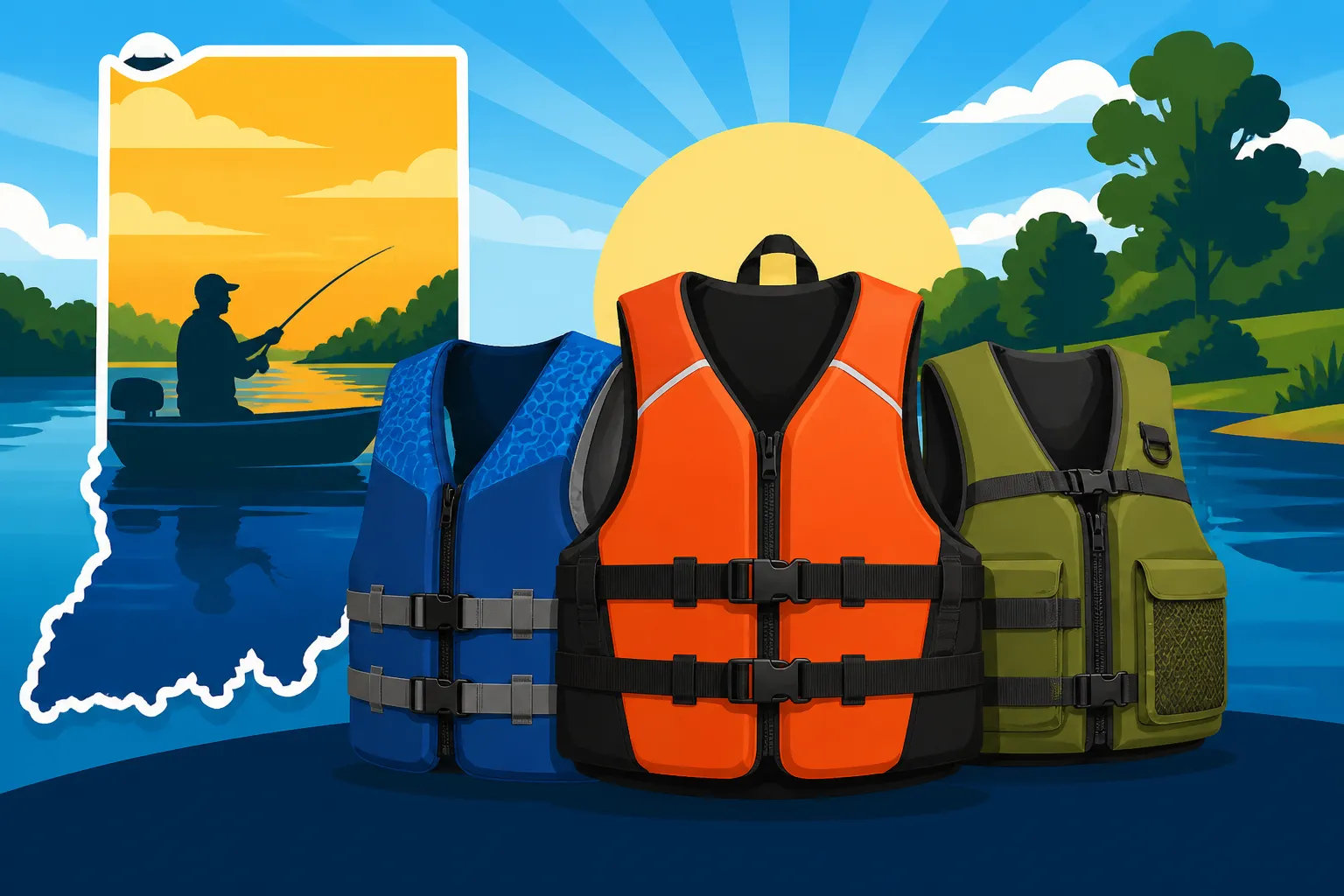
What makes Type III so popular is its incredible versatility and user-friendly design. They come in a wide variety of styles, including vest-style, jacket-style, and even some inflatable options that fall under Type V but function similarly when deployed. Many Type III vests designed for fishing boast features like multiple pockets for tackle, D-rings for attaching tools, and even built-in rod holders. Their ergonomic design, with larger armholes and flexible materials, allows for a full range of motion, which is essential for casting, paddling, or simply enjoying your time on the water without feeling encumbered. If you're spending hours on Patoka Lake chasing crappie or navigating the bends of the Tippecanoe River in a kayak, a comfortable Type III means you're far more likely to wear it consistently. Many anglers specifically seek out Best Type III Life Jackets for Indiana Anglers because of these practical features and enhanced comfort. Kayakers, too, often prioritize comfort and range of motion, making these vests ideal, as highlighted in Best Kayak Life Jackets for Paddlers.
Type IV: Throwable Devices – A Crucial Backup (But Not a Substitute)
While the first three types are all designed to be worn, the Type IV PFD stands apart as a "throwable device." These are not meant to be worn on your person but are designed to be thrown to a person in the water to grab onto. Common examples include ring buoys and boat cushions. They provide at least 16.5 pounds of buoyancy for adults, offering substantial flotation once a person can grasp and hold onto them.
In Indiana, boats 16 feet or longer (excluding canoes and kayaks) are required to carry at least one USCG-approved Type IV throwable device in addition to the wearable PFDs for each person on board. This makes it a crucial backup safety item, especially for larger vessels on lakes like Monroe or Brookville. The advantage of a throwable is its quick deployment; if someone falls overboard unexpectedly, you can immediately toss it towards them. However, it's vital to remember that a Type IV is not a substitute for a wearable life jacket. It's only effective for conscious individuals who are able to swim to and hold onto the device. It offers no protection for an unconscious person or someone suffering from cold water shock who cannot actively help themselves. Never rely on a throwable as your primary means of safety. For larger boats, understanding Throwable Life Jacket Rules for Boats Over 16 Feet in Indiana is essential for compliance.
Type V: Special Use Devices – When Specific Activities Call for Specific Gear
The Type V PFD category is a bit of a catch-all for "special use devices." These life jackets are approved for specific activities and often combine the features of other types with specialized designs. They might include work vests, deck suits, hybrid inflatables, or even specific paddling vests that are marketed as Type V. The critical distinction for a Type V is that it must be worn at all times when underway to be counted as a USCG-approved PFD. If it's not worn, it doesn't count.
Many inflatable life jackets fall into this category. These PFDs are popular because they are less bulky and more comfortable than traditional foam vests, as they only inflate when activated (either manually or automatically upon water immersion). However, because they rely on inflation, they come with specific usage requirements, like regular inspection and maintenance of the inflation cartridge. For instance, some Type V inflatable PFDs are approved for general recreational boating but might explicitly state they are not suitable for personal watercraft use, or for individuals under a certain age. It's imperative to read the USCG label carefully on any Type V device to understand its limitations and proper use. They are excellent for specific situations where comfort and minimal bulk are paramount, provided you adhere strictly to their usage instructions.
Choosing the Right Life Jacket: Beyond the Type
Once you understand the basic types of life jackets, the real challenge begins: finding the right one for you and your family. It's not just about the type; it's about how it fits, how comfortable it is, and whether it encourages you to actually wear it. After all, the "best" life jacket is the one you'll wear every single time you're on the water. In Indiana, where boating and fishing are often long, leisurely pursuits, comfort can genuinely impact compliance.
Fit is Everything: Why Size Matters More Than You Think
This cannot be stressed enough: a life jacket must fit properly to be effective. An ill-fitting life jacket, whether too loose or too tight, is almost as dangerous as not wearing one at all. If it's too big, it can ride up around your ears when you're in the water, pushing your head down rather than keeping it comfortably above the surface. If it's too small, it won't provide adequate buoyancy, will be uncomfortable, and might not even buckle correctly, rendering it useless.
To check for a proper fit, especially with children, put the life jacket on and securely fasten all buckles and zippers. Then, lift the shoulders of the life jacket. If it rides up past your ears or chin, it's too loose and you need a smaller size or a different style. For kids, this "tug test" is absolutely vital. Children's life jackets often come with a crotch strap that threads between the legs and clips to the front. This strap is crucial as it prevents the jacket from riding up over their head, a common and dangerous issue for little ones. Remember, children grow quickly, so regularly check their life jackets for fit before each season. You can learn more about specific sizes by consulting resources like Best Life Jacket Sizes for Kids Boating in Indiana. Don't guess on size; always consult the manufacturer's weight and chest size guidelines printed on the PFD label.
Comfort and Mobility: Don't Compromise Your Experience
While safety is paramount, comfort is the secret ingredient to consistent wear. Let's be honest, if a life jacket is chafing, restricting your movement, or making you overheat, you're far less likely to keep it on. This is particularly true for activities that require a lot of movement, such as casting a fishing line, paddling a kayak, or steering a boat. A bulky, ill-fitting vest can quickly turn a pleasant day on the water into a frustrating experience, tempting you to take it off—which is when accidents often happen.
Modern life jackets are designed with comfort in mind. Look for features like wide armholes, flexible foam panels that contour to your body, mesh ventilation for breathability, and soft, non-abrasive fabrics. Kayakers, for instance, often prefer low-profile vests that don't interfere with their paddle strokes. Anglers might opt for vest-style PFDs with thin back panels that allow them to sit comfortably against a boat seat. Consider the climate you'll be boating in; a mesh-back vest will be much cooler on a hot Indiana summer day than a full-foam jacket. Spending a little extra time finding a comfortable life jacket is an investment in your safety because it ensures you'll actually wear it, thereby greatly increasing its effectiveness.
Durability and Maintenance: Making Your Investment Last
A life jacket isn't a one-time purchase that lasts forever. Like any piece of gear exposed to the elements, it requires care and attention to remain effective. The sun's UV rays, saltwater (if you venture to Lake Michigan), freshwater, and general wear and tear can all degrade the materials over time. Regularly inspecting your life jackets for signs of wear is a crucial part of boat safety.
Look for faded colors, which can indicate UV damage to the fabric. Check for rips, tears, or excessive fraying, especially along seams and straps. Ensure all buckles, zippers, and clasps are in good working order and not corroded or broken. Give the vest a squeeze to check for compressed or stiff foam, which can reduce buoyancy. If you have an inflatable PFD, regularly check the CO2 cylinder and activation mechanism according to the manufacturer's instructions. After each use, especially if it's been in the water, rinse your life jacket with fresh water and hang it to air dry completely in a well-ventilated area, out of direct sunlight. Never store a wet life jacket, as this can lead to mold and mildew, which further degrade the materials. If a life jacket shows significant signs of age or damage, it's time to replace it. A good rule of thumb is, "When in doubt, throw it out." This advice is also covered in Can You Use an Old Life Jacket on an Indiana Boat?, emphasizing that an old vest is a faulty vest.
Life Jackets for Specific Indiana Boating Activities
Indiana offers such a diverse array of water activities, from calm river floats to exhilarating Lake Michigan adventures. It only makes sense that your life jacket choice should align with what you're doing. What works perfectly for a relaxed fishing trip might be completely inadequate for a high-speed PWC ride. Let's explore how to pick the ideal PFD for some popular Hoosier pastimes.
Anglers: Pockets, Mobility, and the Art of the Cast
For the dedicated Indiana angler, a life jacket isn't just safety gear; it's an extension of their tackle box. Many serious fishermen and women opt for Type III vests specifically designed with anglers in mind. These vests prioritize mobility and utility, ensuring they don't impede that perfect cast or make it difficult to maneuver around the boat. Look for designs with large armholes and flexible shoulder areas that allow for full range of motion.
But the real advantage of angler-specific PFDs lies in their features. Imagine you're standing on the deck of your boat on Monroe Lake, casting for bass. A good fishing life jacket will have multiple pockets – zippered, Velcro, or mesh – strategically placed to hold essential items like pliers, line cutters, a small tackle box, or even your phone. Some even include D-rings to attach tools with lanyards, or a dedicated loop for your rod. Brands like Bass Pro Shops offer a wide selection of these specialized fishing vests, allowing you to try them on and see how they feel. They might also feature a thin back panel, often made of mesh, which ensures comfortable seating in a boat chair without the vest bunching up. For anglers, this blend of safety and functionality makes all the difference, making it much more likely you'll keep it on all day. Serious bass anglers often research Best Life Jackets for Indiana Bass Fishing to find these optimized designs.
Kayakers and Paddleboarders: Freedom of Movement is Key
Paddle sports like kayaking and stand-up paddleboarding (SUP) have exploded in popularity across Indiana, from peaceful rivers like the Sugar Creek to the open waters of Lake Wawasee. For these activities, the life jacket needs to offer maximum freedom of movement, especially around the shoulders and arms, to allow for an unhindered paddling stroke. Traditional bulky vests can quickly become uncomfortable and restrictive.
Many kayakers and SUP enthusiasts prefer low-profile, Type III vests that sit higher on the torso, with large armholes and often a mesh lower back panel. This design keeps the vest out of the way of your spray skirt or seat back, preventing chafing and maximizing comfort. Breathability is another key factor; vests with good ventilation or mesh construction help prevent overheating on long paddles under the summer sun. While physical stores like Bass Pro Shops will have some options, online retailers like Amazon often feature a vast selection of specialty paddle sport PFDs, allowing you to compare features and read reviews from other paddlers. The goal is to find a vest so comfortable you almost forget you're wearing it, ensuring continuous safety while you explore Indiana's beautiful waterways.
Personal Watercraft (PWC) Riders: Snug Fit and High Visibility
Personal Watercraft (PWCs), often called jet skis, are all about speed and exhilaration. But with that speed comes a higher risk of unexpected falls. Indiana law specifically mandates that anyone operating or riding on a PWC must wear a USCG-approved life jacket. For PWC riders, the fit of the life jacket is absolutely critical. Due to the high speeds and potential for forceful impacts with the water, the vest needs to be snug enough that it won't ride up over your head when you hit the water.
Look for Type III vests with a secure fit, often with multiple adjustment straps and durable zippers. Bright, high-visibility colors are also a smart choice for PWC vests, making you easier to spot in the water, especially after a fall. While some inflatable life jackets exist, it's crucial to remember that Why Inflatable Life Jackets Are Not Allowed on Indiana PWCs highlights that certain inflatable PFDs are not approved for PWC use. Always choose a traditional foam vest or a USCG-approved inflatable specifically rated for PWC use. A well-fitting, brightly colored PFD isn't just a legal requirement for PWC riders; it's a vital piece of gear that can dramatically improve your safety and visibility on busy lakes. You can find more details about these specific rules by checking Do PWC Riders Need Life Jackets in Indiana?.
Kids and Infants: Safety First, Always
When it comes to the youngest boaters, there's absolutely no room for compromise on life jacket safety. As mentioned earlier, Indiana law requires all children under 13 to wear a USCG-approved life jacket while a boat is underway. But beyond the law, it's about protecting precious lives. Infant and child PFDs are designed with specific features to ensure their safety and comfort.
For infants and toddlers, look for life jackets with a large, padded collar that provides head support, helping to keep their face out of the water. A crotch strap is absolutely essential on all children's life jackets to prevent the vest from riding up and hindering their ability to breathe. Bright colors are also a must for easy visibility. When fitting a child's life jacket, perform the "tug test" rigorously. Lift the vest by the shoulders; if it moves significantly above their ears, it's too big. Never buy a child's life jacket for them to "grow into." Proper fit is immediate safety. Teaching children about life jacket safety, making it a routine, and modeling good behavior by wearing your own, are crucial steps in fostering a safe boating culture. Even for kids fishing freely under the age of 18, as discussed in Kids Fishing License Age Cutoff, safety on the water always starts with a well-fitted life jacket.
Where to Buy and What to Look For (Beyond the Price Tag)
Alright, you've got a handle on the types of life jackets, Indiana's rules, and the importance of fit. Now comes the practical step: actually acquiring these crucial pieces of safety gear. You have more options than ever before, from local shops to vast online marketplaces. Making the right choice involves a bit of research, a little patience, and a firm commitment to prioritizing safety over the cheapest deal.
Retailers and Online Stores: Weighing Your Options
When it's time to purchase life jackets, you essentially have two main avenues: brick-and-mortar stores and online retailers. Each has its distinct advantages and disadvantages.
Brick-and-Mortar Stores: Places like Bass Pro Shops, Cabela's, and local sporting goods or marine supply stores are fantastic for several reasons. First and foremost, you can physically try on the life jackets. This is absolutely critical for ensuring a proper fit, especially for children who might be between sizes or have unique body shapes. You can feel the materials, check the quality of zippers and buckles, and assess the overall comfort and mobility the vest offers. Sales associates can often provide expert advice, answer specific questions about Indiana's regulations, and help you compare different brands and styles side-by-side. The immediate gratification of walking out with your new gear is also a plus. However, physical stores might have a more limited selection compared to online giants, and prices might sometimes be slightly higher.
Online Retailers: Websites like Amazon offer an enormous selection of life jackets from countless brands and in every conceivable style. The sheer variety often means you can find specialized vests for specific activities (like those ultra-light kayak PFDs or fishing vests with a dozen pockets) that might not be stocked locally. Prices can also be more competitive online, and customer reviews can provide valuable insights from other boaters who have used the product. The downside, of course, is that you can't try it on before buying. This means you have to rely heavily on sizing charts, measure yourself accurately, and be prepared for potential returns if the fit isn't right. It's often a good strategy to try on a few styles in a physical store to get a sense of what works, then search online for competitive pricing or specific models.
Prioritizing Quality and Safety Over Cost
It's tempting to look for the cheapest option when buying life jackets, especially if you need several for a family. However, this is one area where cutting corners on cost can have dire consequences. A life jacket is an investment in safety, not just an expense to check off a list. A cheap, poorly constructed vest might not offer the declared buoyancy, the materials might degrade quickly, or the buckles might fail when you need them most.
Always prioritize USCG approval, proper fit, and durable construction over a low price tag. Look for reputable brands known for their quality. Read product descriptions carefully, paying attention to the materials, stitching, and hardware. While a basic Type II PFD might be more affordable, if your primary activity is active fishing or kayaking, spending a little more on a comfortable, feature-rich Type III designed for those activities will ensure you wear it consistently and safely. Remember, the cost of a good life jacket pales in comparison to the potential cost of an accident. Think of it as essential insurance for every time you step onto the water.
Essential Accessories and Features
Beyond the basic flotation, some life jackets come with extra features that can enhance safety and convenience on Indiana waters. These might not be deal-breakers, but they can certainly add value to your investment:
- Whistles: A simple, high-pitched whistle attached to your life jacket can be a lifesaver in an emergency. If you fall overboard, especially in choppy water or low visibility, a whistle can alert nearby boaters or rescuers much more effectively than shouting. Some life jackets come with one already attached, otherwise, they are an inexpensive addition. Don't forget that many small vessels, like kayaks, are legally required to carry a sound-producing device, and a whistle on your PFD neatly fulfills this. More information on this can be found in Do Kayak Anglers Need a Whistle in Indiana?.
- Reflective Tape: For those who boat at dawn, dusk, or even at night (especially important for night fishing for catfish on the Wabash River), reflective tape on your life jacket significantly increases your visibility to other vessels, particularly those with spotlights.
- Pockets and D-Rings: As mentioned for anglers, strategically placed pockets can be invaluable for carrying small essentials like keys, a multi-tool, or a fishing license. D-rings offer attachment points for lanyards, keeping critical items secure and within reach.
- Grab Handles: Some children's life jackets feature a sturdy grab handle on the back, allowing an adult to easily lift a child out of the water.
- Lights: For serious night operations, some PFDs have attachment points for small, water-activated strobe lights, offering an extra layer of visibility in dark conditions.
Consider your typical boating environment and activities in Indiana. Do you often venture out after dark? Are you fishing alone in remote areas? Do you have very young children on board? These factors should influence whether these additional features move from "nice-to-have" to "must-have" for your life jacket selection.
Disclaimer
This article is for general informational purposes only and does not constitute professional advice. Laws, prices and regulations vary by location and change over time. Consult a qualified professional for guidance on your specific situation.