How to Cast for Muskie
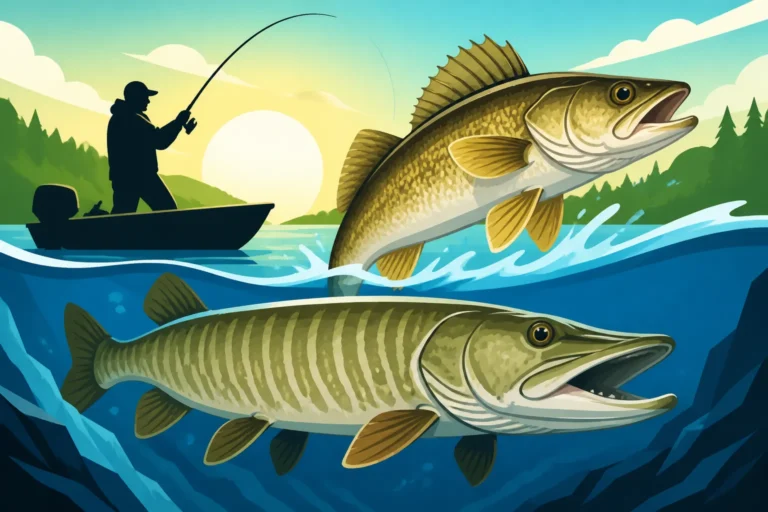
Oh, the elusive muskie! There are few things in freshwater fishing as thrilling, and sometimes as frustrating, as chasing these apex predators. Many anglers get hung up on finding the perfect spot or the magic lure, but the truth is, if you can't get that lure where it needs to go effectively, consistently, and with power, you're already at a disadvantage. This guide is all about demystifying the art of casting for muskie, breaking down the gear, techniques, and mindset you need to put your bait in the strike zone and, hopefully, tempt one of Indiana's giants to bite.
Building Your Muskie Arsenal: Rods, Reels, and Line That Can Take a Beating
Let's be real, muskie fishing isn't for the faint of heart, and neither is the gear. You're not dainty panfishing here; you're throwing what often feels like a small bird or a brick on a rope, sometimes for hours on end. Having the right tools isn't just about catching fish; it's about making the process enjoyable and preventing gear failure that can ruin a day on the water.
The Foundation: Heavy-Duty Rods for Heavy Lures
When you're looking at muskie rods, forget everything you know about bass or walleye sticks. You need something that can handle large, wind-resistant lures – think bucktails with triple blades, heavy jerkbaits, or substantial soft plastics that weigh several ounces. This means you're almost exclusively looking at heavy or extra-heavy power rods, typically with a fast or moderate-fast action. The power rating tells you how much force it takes to bend the rod, which directly relates to how heavy a lure it can effectively cast and how much backbone it has to fight a powerful fish. The action, on the other hand, describes where the rod bends. A fast action bends mostly in the tip, giving you sensitivity and quick hook-sets, which is great for single-hooked bucktails. A moderate-fast action bends a bit further down, offering a parabolic bend that can be a lifesaver when throwing treble-hooked crankbaits, absorbing headshakes and preventing hooks from pulling free.
Length is also a huge factor, and this is where many new muskie anglers get it wrong. Most muskie rods are long, typically ranging from 8 to 10 feet. Why so long? It's simple physics. A longer rod generates more leverage and tip speed, allowing you to cast those heavy baits much further with less effort. This extra length also aids in making those crucial figure-eights at the boat, keeping the lure in the water longer during the retrieve, and providing better line control when a muskie decides to make a run. Imagine trying to cast a 4-ounce lure 80 feet with a 7-foot bass rod – it's a recipe for a sore shoulder and very little distance. If you're struggling to find these specialized rods locally, you can often find a good selection on online retailers like Amazon, which offers a wide range of brands and specifications to choose from. For more insights on choosing the right stick, check out our guide on Best Rods for Muskie Fishing.
The Engine: Baitcasting Reels Built for the Task
Just like your rod, your reel needs to be a beast. Muskie fishing is almost exclusively done with heavy-duty baitcasting reels. Spinning reels simply aren't designed to handle the massive lures, thick lines, and brutal strain that muskie fishing puts on them. When selecting a baitcaster, look for models known for their robust construction, smooth drag system, and high line capacity. Gear ratio is another critical consideration. A lower gear ratio (like 4.x:1 or 5.x:1) gives you more cranking power, which is invaluable when retrieving large, high-resistance baits like deep-diving crankbaits or double-bladed bucktails against a powerful fish. A higher gear ratio (6.x:1 or 7.x:1) can be beneficial for quickly taking up slack line or for retrieving bucktails at high speed to trigger a chase.
The drag system is paramount. When a muskie hits, it often hits hard and then runs like a freight train. Your reel's drag needs to be smooth and consistent to prevent line breaks and to wear the fish down without overpowering it too quickly. Don't skimp here; a cheap reel can easily seize up or have its drag slip under the immense pressure of a muskie. The last thing you want is to lose the fish of a lifetime because your reel couldn't keep up. For a broader look at what makes tough gear, even if for a different species, our guide on Best Heavy Tackle for Pike Fishing in Indiana shares some similar principles for durable setups.
Unbreakable Connections: Line and Leader Strategies
When targeting toothy critters like muskie, your line and leader are your last line of defense. Literally. The vast majority of muskie anglers rely on heavy braided line, typically ranging from 65 to 100-pound test. Braid is essential for several reasons: its incredible strength-to-diameter ratio means you can have a strong line without it being impossibly thick; it has virtually no stretch, which gives you excellent sensitivity and direct power for hook sets; and it's highly abrasion-resistant, crucial when fighting fish in heavy cover. The minimal stretch also translates into more direct feedback from your lure, helping you feel subtle bumps or changes in action.
However, braid alone isn't enough. Muskie have rows of razor-sharp teeth that can sever even the strongest braid in an instant. This is where a robust leader comes in. You'll need either a heavy fluorocarbon leader (100-150 pound test) or a wire leader. Fluorocarbon leaders are less visible in the water and offer excellent abrasion resistance, but they can still be cut by a perfectly placed tooth. Wire leaders, typically made from single-strand stainless steel or multi-strand "titanium" wire, offer superior tooth protection. The choice often comes down to personal preference and the type of lure you're using, but having a durable leader is absolutely non-negotiable. Don't get caught without the right leader materials! For more details on this crucial component, check out our insights on Best Wire Leaders for Muskie Fishing in Indiana's Glacial Lakes.
The Art of the Launch: Mastering Muskie Casting Techniques
Okay, you've got the heavy-duty gear. Now what? You can have the fanciest rod and reel combo money can buy, but if you can't cast it effectively, it's just expensive wall art. Muskie casting isn't just about throwing a lure as far as possible; it's about precision, power, and being ready for a strike on every single retrieve.
The Power Cast: Reaching Distant Structures with Authority
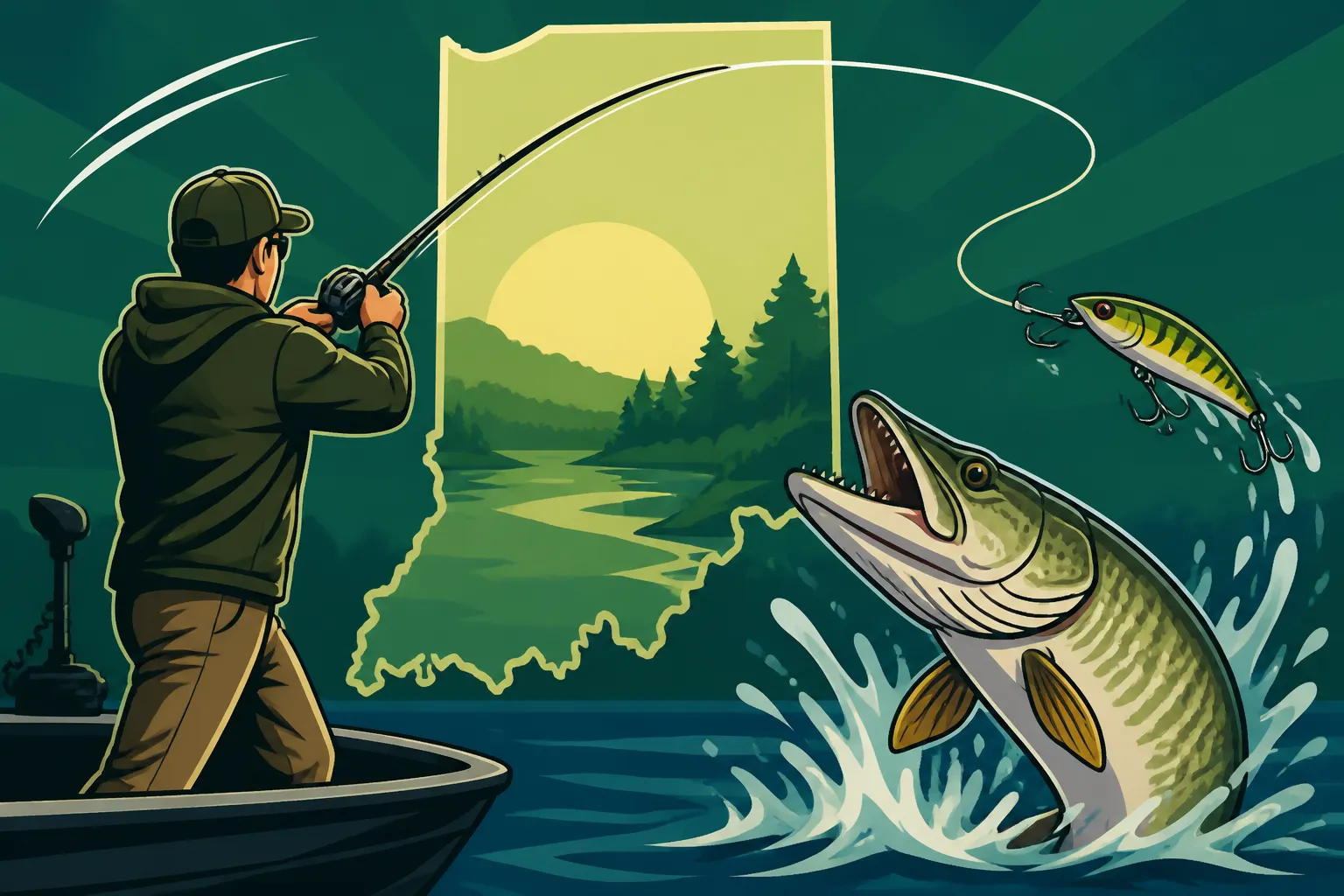
The overhead power cast is your bread and butter for muskie fishing. This is the cast you'll use most often to cover vast expanses of water and reach those distant weed edges, humps, or rock piles where muskie might be lurking. It's all about smooth, controlled power, not a jerky heave.
Here’s a basic breakdown:
- Stance: Stand comfortably with your feet shoulder-width apart, facing your target. Some anglers prefer a slightly open stance (one foot forward) for better rotation.
- Grip: Hold the rod firmly but not in a death grip. Your thumb should be on the spool of the baitcasting reel, ready to control the line.
- Loading the Rod: Bring the rod tip up and slightly behind you, letting the weight of the lure load the rod. You should feel the rod bend under the lure's weight. This "loading" is crucial; it's what stores the energy for the cast.
- Forward Motion: In one fluid motion, snap the rod forward with your wrist and forearm, pushing the rod tip towards your target.
- Thumb Control: As the lure begins its forward arc, lift your thumb off the spool just enough to let the line peel off smoothly. This is the most critical part of baitcasting – too little thumb pressure and you get a backlash; too much and your cast falls short.
- Follow-Through: Continue the rod's motion towards your target, pointing the rod tip at where you want the lure to land. This helps direct the lure and maximizes distance.
A common mistake is trying to muscle the cast with your arms. Instead, think of it as a whole-body motion, using your core and shoulders to generate power, letting the rod do the work. It's a rhythmic motion that takes practice, but once you get it, you'll be amazed at the distances you can achieve with minimal effort. This powerful technique is what helps you effectively work large areas where muskie patrol.
Surgical Strikes: Roll Casts and Pitching for Precision
While the power cast covers distance, there are countless scenarios on Indiana lakes and rivers where a full overhead cast just isn't feasible or desirable. Imagine you're fishing a tight pocket between two fallen trees, or trying to skip a lure under a low-hanging dock. That's where roll casts and pitching come into their own, offering precision and stealth.
A roll cast is fantastic when you have limited back-casting room, such as when fishing from dense cover on the shoreline or when the wind is making an overhead cast impossible. Instead of bringing the lure behind you, you keep it close to the rod tip and use a rolling motion to propel the lure forward. It's less about power and more about a smooth, controlled loop that sends the lure sailing out with surprising accuracy. Practice this by letting your lure hang a foot or two from the tip, then sweep the rod back and up, creating a "D" loop with your line, and then quickly pushing it forward. The key is to generate line speed without a full backcast.
Pitching is even more refined, perfect for pinpoint accuracy at close to medium range. With pitching, you essentially pendulum the lure forward using your rod, releasing the line just as the lure starts to swing towards your target. It's a quiet, low-trajectory cast that minimizes splash and allows you to drop a lure precisely into small openings in cover, minimizing disturbance to wary muskie. Both these techniques demand finesse and constant thumb control on your baitcaster to prevent overruns. Mastering them will unlock hidden spots and increase your versatility on the water.
The Dance at the Boat: Executing the Figure-Eight
You've made countless casts, meticulously worked your lure back to the boat, and then – boom! – a massive muskie appears out of nowhere, following your bait right up to the gunwale. This is the moment when many anglers either panic or simply reel in, missing a golden opportunity. This is why the figure-eight is an absolute, non-negotiable muskie casting technique. It's a series of wide, sweeping turns of your lure in the water right next to the boat, designed to trigger a strike from a following fish.
Here’s how you do it: as your lure approaches the boat and you realize a muskie is trailing, keep the lure in the water and immediately plunge your rod tip into the water. Make a wide, sweeping figure-eight pattern with your lure, keeping it moving at a similar speed to your retrieve. The goal is to make the muskie think its prey is trying to escape. Vary your depths slightly, speeding up or slowing down as needed. Many muskie will strike violently during the turns or pauses in this motion. The sudden change in direction or behavior can be exactly what it takes to convert a curious follow into an aggressive strike. It's an exhilarating moment that every muskie angler lives for, and proper execution significantly increases your chances of success. To dive deeper into this game-changing maneuver, be sure to read our dedicated guide on How to Figure-Eight a Muskie at the Boat.
Lure Presentation and Muskie Mindset: Beyond Just Throwing a Lure
Casting is only half the battle. Once your lure is out there, how you bring it back, and even your mental approach, can make all the difference between a frustrating day and a memorable catch.
Decoding the Lure: Matching Baits to Conditions and Fish Mood
Muskie anglers carry an astounding array of lures, each designed for a specific purpose, depth, or action. Understanding your chosen bait is crucial for casting it effectively and presenting it properly. For instance, a heavy bucktail is built for covering water quickly and often requires a powerful, long cast followed by a fast, steady retrieve. Glide baits, on the other hand, often need a softer cast to avoid tangling, and then require specific twitches and pauses to get their unique side-to-side darting action. Soft plastics, rigged with heavy jig heads, are great for probing deeper structure and might require a cast that allows for a controlled sink.
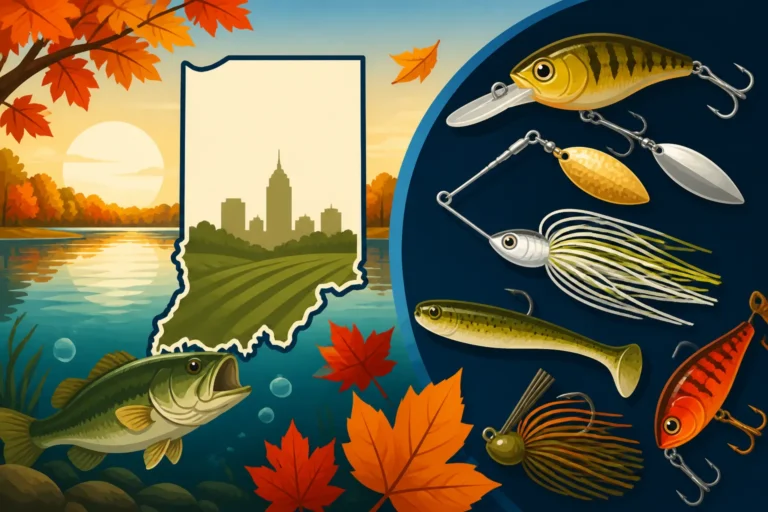
The size and weight of the lure directly impact your casting technique. Bigger, heavier lures need more power to launch, while lighter ones require more finesse to prevent backlashes. Don't be afraid to experiment, and learn the optimal casting method for each lure in your box. You can find an incredible variety of muskie lures, from classic bucktails to innovative soft plastics, available on Amazon, ready to be added to your tackle box. For seasonal advice on what to tie on, consider exploring our article on Best Muskie Lures for Fall Fishing.
The Rhythm of the Retrieve: Speed, Pauses, and Twitching
Once your lure lands, the retrieve begins, and this is where you truly connect with your bait and the potential fish. Muskie are ambush predators, and they're often triggered by erratic movements or changes in speed. A consistent retrieve speed might work sometimes, but often, the most effective retrieves involve a varied rhythm.
Think about it:
- Speed Bursts: A sudden acceleration can mimic a fleeing baitfish, triggering a muskie's predatory instinct.
- Pauses: A brief pause, especially with a lure that sinks slowly or has a suspending action, can make the lure look like an injured or dying baitfish, an easy meal.
- Twitching and Jerking: For jerkbaits or glide baits, sharp twitches of the rod tip give the lure its signature erratic action, darting side to side or up and down.
- Rip-Jigging: With soft plastics or heavy jigging spoons, a powerful upward rip followed by a controlled fall can be incredibly effective, especially over deeper structure.
The key is to not be afraid to experiment. Let the fish tell you what they want. If a steady retrieve isn't producing, try speeding it up, slowing it down, adding pauses, or throwing in some aggressive twitches. Every cast is an opportunity to learn what works on that particular day, in that specific water.
Patience and Persistence: The Muskie Angler's Mantra
Let's face it, muskie fishing is often called "the sport of 10,000 casts" for a reason. These fish are notoriously difficult to catch. They're apex predators, often solitary, and their strikes can be few and far between. This means casting for muskie requires an incredible amount of patience, persistence, and mental fortitude. It's easy to get discouraged after hours of casting without a single follow, let alone a strike.
However, every single cast needs to be made with intent. Imagine that every time your lure hits the water, a muskie is watching it. Maintain your focus, concentrate on your retrieve, and always be ready for that sudden, jarring strike. The thrill of a muskie strike is unlike any other – a violent explosion of water, a powerful tug that nearly rips the rod from your hands. It's this moment that keeps muskie anglers coming back, cast after grueling cast. Understanding this unique challenge and what makes these fish tick is part of the allure; for more on this fascinating species, delve into Muskellunge Fishing in Indiana: What Anglers Need to Know.
Overcoming Obstacles: Common Casting Woes and Solutions
Even seasoned muskie anglers face challenges. The sheer size of the lures and the demanding nature of the sport mean that issues like backlashes, wind, and fatigue are regular companions on the water. But don't despair – there are solutions.
Battling the Backlash: Taming the Bird's Nest
Ah, the dreaded backlash. It's the bane of every baitcasting angler, and when you're throwing heavy muskie baits, they can be particularly brutal, resulting in a tangled mess that can eat up precious fishing time. Backlashes happen when the spool spins faster than the line is peeling off, causing the line to pile up and snarl.
The primary culprit is often inadequate thumb control. Your thumb is your brake, your governor, your best friend on a baitcaster. As the lure flies out, your thumb should maintain light, consistent pressure on the spool, just enough to prevent it from overrunning.
Here are some tips to minimize backlashes:
- Spool Tension: Adjust the spool tension knob on your reel so that when you depress the free spool button, your lure slowly falls to the ground, with no overrun once it hits.
- Brake Settings: Your reel likely has internal or external brakes (centrifugal or magnetic). Start with higher brake settings and gradually reduce them as you get more comfortable.
- Smooth Motion: Avoid jerky, violent casting motions. A smooth, accelerating cast is much less likely to cause a backlash.
- Wind Awareness: Casting into a strong headwind is a prime recipe for a backlash. Adjust your angle or reduce your casting power in these conditions.
If a backlash does happen, resist the urge to pull violently. Gently pick at the loops with your thumb and forefinger, slowly loosening the tangle. Patience is key here; a few minutes of careful untangling is better than cutting out a huge section of expensive braided line.
Wind, Waves, and Weeds: Adapting Your Cast
Mother Nature rarely cooperates fully, and you'll often find yourself casting in less-than-ideal conditions. Wind is perhaps the biggest challenge. Casting into a strong headwind will significantly reduce your distance and increase the risk of backlashes. In these situations, you might need to lean into your cast more, use a slightly heavier lure to cut through the air, or even switch to a low-trajectory pitch if fishing close cover. Crosswinds can push your line off target, requiring you to aim slightly into the wind to compensate.
Dense weed beds are muskie magnets in many Indiana lakes, but they can be a nightmare for casting. You need to be accurate to place your lure in small pockets or along weed edges without getting instantly snagged. This is where those precision roll casts and pitches become invaluable. When retrieving, use the weedless properties of braided line to "saw" through lighter vegetation, but be prepared for hang-ups in the really thick stuff. Knowing where to find the muskie in these conditions, perhaps by exploring articles like Indiana's Wawasee and James Lakes: A Muskie Angler's Guide, can also help you focus your efforts and casts.
Endurance for the Long Haul: Avoiding Casting Fatigue
Muskie fishing is a marathon, not a sprint. Throwing heavy lures with powerful casts for hours on end is physically demanding. It's not uncommon for anglers to experience shoulder, arm, or back fatigue after a full day of muskie hunting.
Here are some tips to help you stay in the game longer:
- Proper Stance and Grip: A balanced stance and a relaxed but firm grip will help distribute the strain evenly across your body.
- Alternate Hands: If you're comfortable, practice casting with both hands. This might feel awkward at first, but it can significantly reduce fatigue by resting one side of your body.
- Take Breaks: Don't be afraid to put the rod down for a few minutes, stretch, and give your muscles a rest. Grab a snack, rehydrate, and re-focus.
- Hydration: Staying well-hydrated is crucial for preventing muscle cramps and maintaining stamina.
Remember, the muskie don't care how tired you are. They might strike on your 500th cast just as easily as your first. Maintaining your energy and focus is key to being ready when that moment finally arrives. Knowing How Big Do Muskellunge Get in Indiana Waters? provides excellent motivation to push through the fatigue!
Muskie Lure Casting Scenarios
Here's a quick reference table for different muskie lure types and the casting scenarios where they shine:
| Lure Type | Weight Range (Typical) | Best Casting Scenario | Casting Tip |
|---|---|---|---|
| Bucktails | 1-4 oz | Covering open water, searching for active fish, weed lines | Powerful overhead cast; maintain consistent thumb pressure for distance. |
| Jerkbaits | 1-6 oz | Near structure, over submerged weeds, shallow flats | Controlled overhead cast or roll cast; focus on accurate placement. |
| Glide Baits | 2-8 oz | Visible structure, timber, specific targets | Softer overhead or pitch cast to prevent tangles; precise placement is key. |
| Soft Plastics | 2-10 oz (with jig) | Deep water, vertical jigging, probing heavy cover | Powerful overhead cast for distance or pitch for pinpoint drops. |
| Crankbaits | 1-5 oz | Trolling, covering specific depth ranges, open water | Strong overhead cast for trolling, moderate cast for retrieve. |
| Topwater | 1-4 oz | Low light, calm water, shallow cover | Medium power overhead or roll cast; avoid excessive splash on entry. |
The table gives a general idea, but remember that confidence in your lure and your ability to cast and retrieve it effectively are the most important factors. Get out there, practice, and enjoy the chase!
Disclaimer
This article is for general informational purposes only and does not constitute professional advice. Laws, prices and regulations vary by location and change over time. Consult a qualified professional for guidance on your specific situation.