How to Catch Walleye from Shore
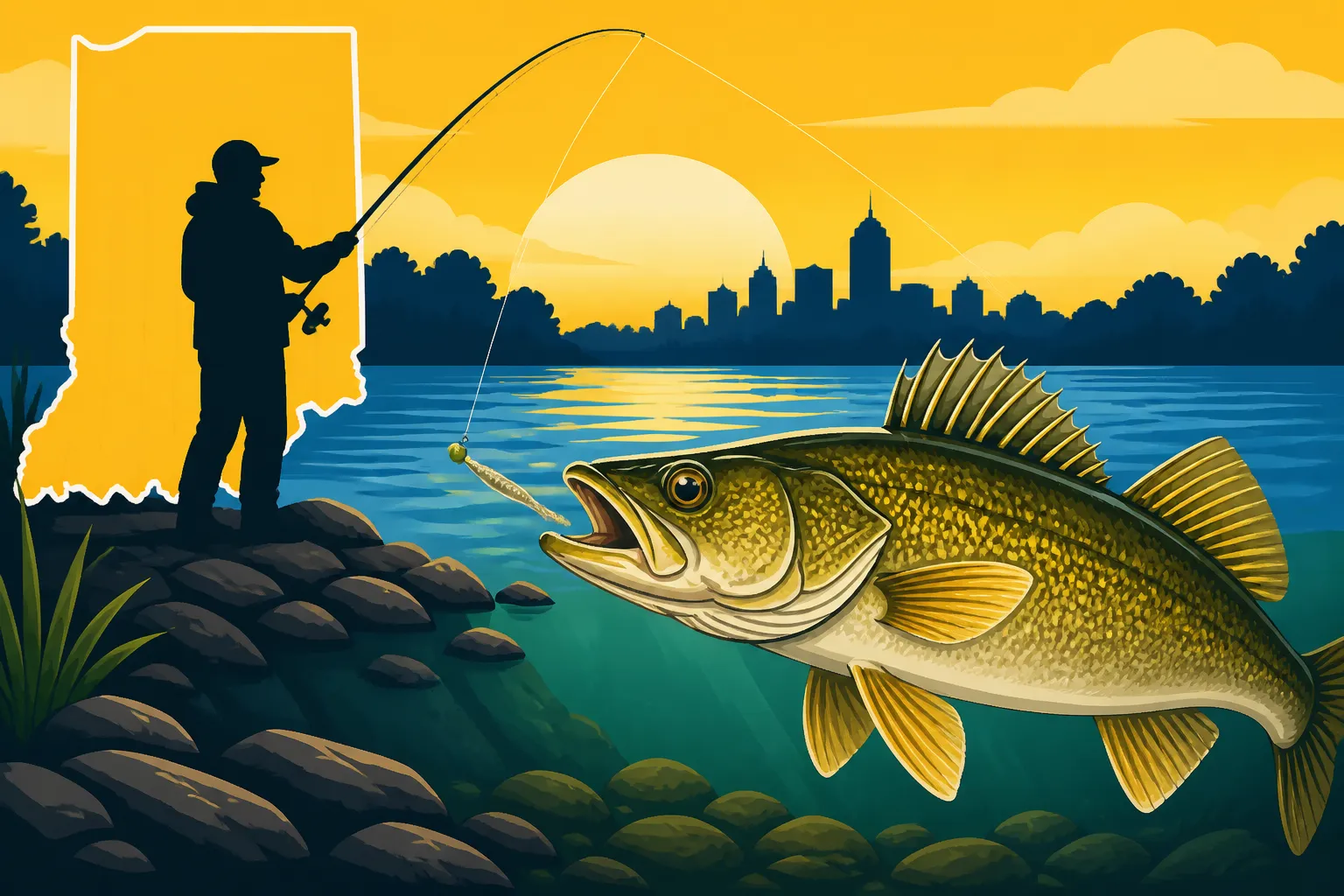
It's easy to feel like catching walleye is strictly a boat angler's game, especially when you see those big rigs launching at the ramp. The truth is, while a boat certainly opens up more water, you absolutely can connect with Indiana walleye from the bank, dock, or pier. It just takes a little knowledge about where they are, what they're eating, and how to present your bait effectively from shore. This guide is all about equipping you with the strategies and insights to successfully target those elusive, delicious walleye without ever stepping foot in a boat.
Understanding Walleye Behavior for Shore Anglers
Walleye are fascinating fish, known for their keen eyesight in low light and their tendency to stick to structure. For us shore anglers, understanding these habits is key to putting a lure or bait in the right place at the right time. They're often misunderstood, but once you crack their code, you'll find them a rewarding species to target.
Where Walleye Hang Out Near Shore
Walleye aren't usually found in wide, open flats during the day, especially close to shore where they feel vulnerable. Instead, they're typically associated with structure that offers cover and ambush points. Think about what's available near the bank:
- Drop-offs and Ledges: This is perhaps the most crucial structure. Walleye love to sit on the edge of a sharp drop-off, waiting for prey to swim by. If you can find a shoreline that quickly drops into deeper water, you've found a potential walleye hotspot. These submerged contours offer them both refuge and a hunting advantage.
- Rocky Bottoms and Riprap: Shorelines fortified with riprap (those piles of large rocks often found near bridges, causeways, or dams) are fantastic. These rocks hold crawfish, baitfish, and provide excellent cover from direct sunlight. Walleye will cruise these rocky edges, especially during low light or after dark.
- Weed Edges: While thick, matted weeds can be a nightmare to fish from shore, the edges of weed beds, especially where they meet deeper water or a cleaner bottom, are prime walleye territory. These provide oxygen, cover for baitfish, and ambush points. Look for transitional zones where weeds give way to rock or sand.
- Submerged Timber and Brush Piles: Any downed trees, stumps, or brush piles accessible from shore can be excellent holding spots. These offer dense cover for walleye to hide and dart out from. Be prepared for snags, but the payoff can be worth it.
- Current Breaks: If you're fishing a river or an area with some current, look for anything that breaks the flow – a large boulder, a point of land, a bridge pilings. Walleye will conserve energy by sitting in these slack-water areas, waiting for food to be swept by.
Best Times of Day and Year for Shore Walleye
Walleye are often called "low-light feeders" for a reason. Their large, light-sensitive eyes give them a distinct advantage over their prey during dawn, dusk, and nighttime hours. This is great news for shore anglers, as these are often the times when walleye move shallower and closer to the banks to hunt.
- Dawn and Dusk: These twilight periods are prime time. As the sun rises or sets, walleye become more active and venture into shallower water to feed. You'll often find that your first or last hour of fishing is the most productive. The changing light conditions break up their silhouette and make them harder for prey to spot.
- Night Fishing: Don't be afraid of the dark! Night fishing for walleye from shore can be incredibly productive, especially during the warmer months. With less boat traffic and even more pronounced low-light conditions, walleye often move right up against the bank. Consider using glow-in-the-dark lures or tipping your bait with a small glow stick. Many anglers report their biggest walleye catches come after dark. For more on this, check out our guide on whether Do Walleye Bite at Night in Indiana Reservoirs?.
- Cloudy, Overcast Days: While direct sunlight sends walleye deep, a heavily overcast day can extend their feeding window into the midday. The cloud cover acts like a giant diffuser, reducing light penetration and making the shallows more comfortable for them.
- Spring: Early spring, especially during the pre-spawn and spawn, sees walleye moving into shallower areas to reproduce. This is a fantastic time for shore anglers, as they're congregated and actively feeding. Look for rocky shorelines, riprap, and current areas. Our comprehensive guide, Best Time of Year to Catch Walleye in Indiana, offers more seasonal insights.
- Fall: As water temperatures drop in the fall, walleye become very active feeders, bulking up for winter. They'll often move back into shallower areas, particularly rocky points and humps, making it another excellent season for shore fishing. They're aggressive and often willing to chase baits.
Essential Gear and Tackle for Shore Walleye
Fishing for walleye from shore requires a slightly different approach to gear than trolling from a boat. You need equipment that can cast a good distance, handle potential snags, and still be sensitive enough to detect those notoriously subtle walleye bites. Don't worry, you don't need to break the bank to get set up. Many reliable options are available on platforms like Amazon.
Rods, Reels, and Line for Distance and Control
When you're confined to the bank, casting distance is often your best friend. But sensitivity is equally important.
- Rods: Look for a medium to medium-heavy power spinning rod, typically 7 to 8 feet long. A longer rod will help you achieve greater casting distance and manage line better around shoreline obstacles. The action should be fast or extra-fast, meaning the rod bends mainly in the tip, which provides excellent sensitivity for detecting light bites and quick hook sets. A good quality graphite rod will transmit those subtle "thunks" and "ticks" right to your hand.
- Reels: A reliable spinning reel in the 2500-4000 series size is ideal. It should have a smooth drag system, which is crucial for fighting a powerful walleye, especially on lighter lines. A good retrieve ratio (around 5.2:1 or 6.2:1) offers versatility for various lure presentations. Ensure it has a good line capacity for longer casts.
- Line: This is where opinions often diverge, but a good all-around setup would be:
- Main Line: 8-12 lb test braided line. Braid offers incredible sensitivity, zero stretch, and exceptional casting distance. Its thin diameter for its strength also helps cut through current.
- Leader: Fluorocarbon leader, 6-10 lb test, about 2-4 feet long. Fluorocarbon is nearly invisible underwater, which is a huge advantage for skittish walleye, and it's much more abrasion-resistant than braid, protecting your main line from rocks and zebra mussels. Connect your braid to your fluorocarbon leader with a strong knot like an FG knot or an Alberto knot.
Shore Fishing Lures and Baits for Walleye
The beauty of shore fishing is that you can effectively use many of the same baits and lures that boat anglers do. The key is knowing which ones are best suited for casting from the bank and which retrieve methods work.
- Jigs: Jigs are arguably the most versatile and effective walleye lures. A 1/8 to 1/2 ounce jig head, depending on depth and current, tipped with a soft plastic grub, paddle tail, or even a live minnow, is a killer combination. Colors like chartreuse, white, perch, or motor oil are often productive. The trick is to bounce the jig along the bottom, mimicking a struggling baitfish. For jigging tips, you might find our guide on Walleye Jigging Techniques helpful.
- Crankbaits and Stickbaits: These are excellent for covering water and can imitate minnows or shad.
- Diving Crankbaits: Choose models that can reach the depth of your drop-off or target structure. They're great for casting out, letting them dive, and retrieving them with a steady or stop-and-go retrieve.
- Suspending Jerkbaits/Stickbaits: These are fantastic, especially in cooler water. Cast them out, give them a few sharp jerks, and then pause. Many walleye strikes happen on the pause. Look for sizes around 3-5 inches.
- Live Bait Rigs: Nothing beats live bait for walleye, and it's perfectly viable from shore.
- Minnows: Hooked through the lips or dorsal fin on a simple slip-sinker rig or under a bobber (if fishing shallower water or over weeds).
- Nightcrawlers: Fished on a worm harness with spinner blades or a simple bottom rig.
- Leeches: Often underestimated, leeches are a walleye favorite. Hook them through the sucker on a small jig or slip-sinker rig.
- Blade Baits: These vibrating metal lures are excellent for vertical jigging if you can cast to a deep enough spot from shore. They imitate dying baitfish and send out strong vibrations that walleye can detect.
- Spoons: Casting spoons, particularly those designed for vertical jigging or covering distance, can be effective. They flash and flutter, mimicking a wounded baitfish.
Effective Shore Fishing Techniques for Walleye
Once you have your gear, the next step is putting it to good use. Shore fishing for walleye isn't about simply casting and reeling; it's about thoughtful presentation and understanding how to entice a strike from a distance.
Casting and Retrieval Strategies
Since you can't motor around to different spots, your casting and retrieval game needs to be on point.
- Fan Casting: Don't just cast straight out. Work the water in a fan pattern, starting with a cast to your far left, then moving incrementally to your right with each subsequent cast. This ensures you cover as much of the available water as possible, increasing your chances of finding actively feeding fish.
- Vary Your Retrieve: A steady retrieve isn't always best. Experiment!
- Jigs: Often, a slow hop-and-drop, allowing the jig to touch the bottom briefly before lifting it, is deadly. Other times, a more aggressive snap-jig can trigger a reaction strike.
- Crankbaits: Try a steady retrieve, a stop-and-go retrieve, or a "twitch, twitch, pause" method. Pay attention to what the fish are telling you.
- Slow Down in Cold Water: Walleye metabolism slows in cold water, so a slower, more deliberate retrieve is usually more effective. Conversely, in warmer water, they might chase a faster-moving lure.
- "Feeling" the Bottom: With jigs and bottom-contact lures, it's crucial to feel what's under the water. Your sensitive rod and braided line will help you distinguish between rock, sand, gravel, and muck. Walleye are often found where different bottom types meet. If you're constantly snagging, adjust your retrieve or move to a different spot.
- Casting Parallel to Shore: If you find a promising drop-off or weed line that runs parallel to the bank, try casting your lure parallel to it. This keeps your bait in the strike zone for a longer period, rather than just pulling it straight in and out of the productive area.
Stationary and Live Bait Rigs
Sometimes, the most effective method is to let the bait do the work. This is where stationary and live bait rigs shine for shore walleye.
- Slip-Sinker Rig (aka Lindy Rig): This is a classic for a reason. Thread a slip-sinker (egg sinker or walking sinker) onto your main line, followed by a small bead, and then tie on a swivel. To the other end of the swivel, attach a 2-4 foot fluorocarbon leader with a single hook (size 4-6 octopus or treble). This allows the walleye to pick up the bait without feeling the weight of the sinker, providing a natural presentation. You can use this with minnows, nightcrawlers, or leeches. Cast it out, let it settle, and wait for that distinctive walleye "tap."
- Bobber Rigs (for shallower water): If you're fishing shallower areas (less than 10-12 feet) or over emergent weeds, a slip bobber rig can be incredibly effective. Set your bobber stop to the desired depth, then use a small split shot or two to get your live minnow or leech down. The bobber keeps your bait suspended just above the bottom or over structure, making it visible and accessible to cruising walleye. This is particularly good for targeting the edges of weed beds or submerged timber.
- Vertical Presentation: While traditionally a boat technique, if you're fishing from a pier, jetty, or a steep bank over deep water, you can often achieve a near-vertical presentation. Drop a jig or blade bait straight down, letting it hit bottom, and then jig it up and down in place. This can be deadly when walleye are holding tight to structure directly below you.
| Lure/Bait Type | Description | Best Conditions for Shore Use | Retrieval Style |
|---|---|---|---|
| Jigs (Soft Plastic) | Jig head with grub, paddle tail, or minnow imitator. | All conditions, especially low light; effective near drop-offs, rocks, weed edges. | Hop-and-drop, slow drag, occasional snap. |
| Crankbaits | Hard-bodied, lipped lures that dive. | Covering water, targeting specific depths near structure. | Steady retrieve, stop-and-go, occasional twitch. |
| Jerkbaits | Long, slender hard baits, often suspending. | Cooler water, when fish are sluggish; effective near points and structure. | Jerk, jerk, pause; can be very effective on the pause. |
| Slip-Sinker Rig | Live bait (minnows, crawlers, leeches) on a leader with a sliding sinker. | All conditions, especially effective when fish are finicky or holding tight to bottom. | Stationary, slow drag with rod tip; wait for the bite. |
| Slip Bobber Rig | Live bait suspended at a specific depth under a bobber. | Shallower water, over submerged weeds, docks, or timber. | Stationary; allow current to drift bait naturally. |
| Blade Baits | Metal, vibrating lures that resemble dying baitfish. | Vertical jigging from piers/steep banks, or fan casting to deep water from shore. | Lift-and-drop, sharp rips. |
Picking Your Shore Spot: Indiana's Walleye Waters
Indiana is blessed with a variety of waters that hold walleye, from large reservoirs to natural glacial lakes and even some rivers. The challenge for shore anglers is identifying the specific spots along these waters that are most likely to hold fish.
Identifying Productive Shorelines
Not all shorelines are created equal when it comes to walleye. You're looking for areas that concentrate fish and make them accessible from the bank.
- Public Access Points: State parks, DNR access sites, public beaches, and municipal parks often have prime access to deeper water, points, or riprap. Many of these locations are specifically designed for public use and fishing. Look for parking, restrooms, and sometimes even fishing piers.
- Causeways and Bridges: These structures inherently create current breaks, deeper channels, and rocky riprap—all magnets for walleye. They also offer excellent access from shore. Just be mindful of safety, traffic, and any "no fishing" signs.
- Dam Tailwaters: Below dams, especially on rivers, you'll often find a strong current, deep holes, and plenty of oxygen, which attracts baitfish and subsequently walleye. Always check local regulations, as fishing near dams can have restrictions.
- Points and Humps: Any point of land that juts out into the water will create a natural current break and often extends into deeper water or a submerged hump. These are classic walleye ambush points.
- The "North Shore" Effect: On some larger lakes, the north shore may receive less direct sunlight and thus stay cooler, potentially holding walleye closer to shore for longer periods during the day, especially in summer. This is not a hard-and-fast rule but something to consider.
Some of Indiana's top walleye fisheries, which also offer good shore access in places, include:
- Lake Wawasee: As Indiana's Largest Natural Lake, Wawasee has varied shorelines, including rocky areas and weed beds that can hold walleye.
- Monroe Lake: While vast, Monroe has numerous points and deeper banks accessible in certain areas, particularly around the causeways.
- Patoka Lake: Known for its structure, Patoka can offer shore opportunities, particularly on its many points and riprap sections.
- St. Joseph River (near South Bend): This river offers excellent walleye fishing, and shore access can be found at various parks and public lands, especially during runs. Our guide on Fishing the St. Joseph River in Indiana has more details.
- Brookville Lake: The dam area and various points along the shoreline can be productive.
- Glacial Lakes (Kosciusko and Steuben Counties): Many smaller, deeper glacial lakes often have public access points that extend to productive walleye water. Our article on Kosciusko County's Best Lakes for Northern Pike can give you an idea of the region's fishing potential.
Public Access Points and Their Potential
Finding good public access is paramount for shore anglers. Don't be afraid to do some scouting.
- Online Maps and Satellite Imagery: Before you even leave the house, use online mapping tools to identify potential access points, parking, and visible shoreline features like points, drop-offs (indicated by quick color changes in water depth), or riprap.
- DNR Website: The Indiana Department of Natural Resources (DNR) website is a treasure trove of information. They often list public access sites, fishing piers, and even provide lake contour maps (bathymetry) which are invaluable for identifying those crucial drop-offs.
- Local Bait Shops: Never underestimate the knowledge of a local bait shop owner. They live and breathe fishing in their area and can often point you to specific shore fishing spots that hold walleye, what baits are working, and any local quirks.
- Trial and Error: Sometimes, the best way to find a spot is to simply go out and explore. Walk shorelines, make casts, and observe the water. Look for signs of baitfish, current, or promising structure. Even if you don't catch a walleye on your first trip to a new spot, you'll learn something for the next time. Remember, fishing is all about learning and adapting.
Always double-check the Indiana Fishing Regulations and Bag Limits Guide for specific waters you plan to fish, as walleye length and bag limits can vary by lake, such as with Indiana's Walleye Minimum Length Rule or Walleye Length Exceptions at Bass Lake, Wolf Lake, and Lake George.
Fishing for walleye from shore in Indiana is absolutely doable and incredibly rewarding. With the right knowledge about their behavior, a sensible tackle setup (easily acquired from retailers like Amazon), and a strategic approach to selecting your spots and presenting your lures, you can enjoy the thrill of landing these prized fish without the need for a boat. So, grab your gear, head to the bank, and embrace the challenge—those walleye are waiting!
Disclaimer
This article is for general informational purposes only and does not constitute professional advice. Laws, prices and regulations vary by location and change over time. Consult a qualified professional for guidance on your specific situation.