How to Bottom Fish for Channel Catfish
There’s nothing quite as frustrating as heading out to your favorite Indiana waterway, spending hours casting, and coming up empty-handed. We've all been there, staring at a still line, wondering what we're doing wrong. If you've been struggling to consistently hook into those feisty channel catfish, it’s likely your approach needs a little fine-tuning. This comprehensive guide is designed to walk you through the proven art of bottom fishing for channel catfish, ensuring your next trip is a successful one, full of heavy tugs and memorable catches.
Understanding Channel Catfish Behavior
Before you even think about rigging up, it pays to understand the fish you’re targeting. Channel catfish are fascinating creatures, well-adapted to many of Indiana’s diverse aquatic environments. Knowing their habits, what they eat, and where they prefer to hang out will give you a significant advantage, turning your fishing from guesswork into a calculated pursuit.
Catfish Diet and Feeding Habits
Channel catfish are true opportunists when it comes to food. They're not picky eaters, which is fantastic news for anglers because it means a wide variety of baits will work. These fish primarily use their keen sense of smell and barbels (those whisker-like protrusions around their mouths) to locate food along the bottom. They're scavengers by nature, but they also actively hunt. Think of them as the vacuum cleaners of the river and lakebeds, constantly sifting for a meal.
Their diet consists of anything from insects, crustaceans like crawfish, small fish, and even dead organic matter. This explains why smelly baits, often referred to as "stink baits," are so effective. The strong odor disperses in the water, drawing in curious catfish from a distance. However, don't underestimate the power of natural baits like cut bait or live worms, which mimic their everyday forage. Understanding this broad diet is crucial, as it informs your bait choices and ultimately, your success on the water.
Where to Find Channel Catfish in Indiana Waters
Channel catfish are incredibly widespread across Indiana, thriving in both lakes and rivers. However, they're not just swimming around randomly; they prefer certain structures and conditions. In rivers like the Wabash River or the White River, look for slower-moving pools, eddies behind obstructions, deep holes, and areas with submerged logs or brush piles. These spots offer cover from currents and predators, as well as prime ambush points for food drifting by.
On lakes and reservoirs, their preferences shift slightly. They'll still seek out deeper areas, especially during the day, but they'll also relate to structure like submerged humps, old creek channels, rock piles, and points that drop off into deeper water. During dawn, dusk, or cloudy conditions, they might move into shallower flats adjacent to these deeper areas to feed. Understanding these preferences will help you pinpoint the Best Catfish Fishing Spots in Indiana, saving you valuable time and increasing your chances of a bite.
Essential Gear for Bottom Fishing Catfish
You wouldn't show up to a fancy dinner without the right attire, and you shouldn't show up to a serious catfish hunt without the right gear. Bottom fishing for channel catfish doesn't require an arsenal of highly specialized equipment, but having the correct setup makes a world of difference. It ensures you can cast effectively, detect subtle bites, and most importantly, reel in those hard-fighting fish without fear of equipment failure.
Rods, Reels, and Line for Catfish
When it comes to rods, you want something with a medium-heavy to heavy action and a good backbone. This power is essential for casting heavier weights, setting the hook into a tough catfish mouth, and muscling larger fish out of cover. A length of 7 to 8 feet is ideal for bank fishing, allowing for longer casts, while a slightly shorter rod might be fine from a boat. Many anglers find conventional baitcasting setups to be excellent for catfish, offering superior winching power, but a sturdy spinning reel paired with a robust rod can also get the job done, especially for beginners. For a deeper dive into specific recommendations, check out our guide on Best Catfish Rods for Indiana Rivers.
For your reel, opt for one with a smooth drag system and a decent line capacity. Catfish can make powerful runs, and a reliable drag will prevent line breaks. As for line, monofilament in the 15-25 lb test range is a popular choice due to its stretch and abrasion resistance, which helps when fishing around snags. However, many experienced anglers prefer braided line, typically 30-50 lb test, for its incredible strength, zero stretch for better bite detection, and smaller diameter. If you go with braid, consider a monofilament leader of 2-3 feet to offer some shock absorption and make your rig less visible to fish. You can find a fantastic selection of durable rods, reels, and high-quality fishing line on platforms like Amazon, often at competitive prices.
Terminal Tackle and Rigs
This is where the rubber meets the road, or rather, the bait meets the fish. The right terminal tackle is critical for presenting your bait effectively on the bottom. Here’s what you’ll need:
- Hooks: Circle hooks are king for catfish. Sizes typically range from 2/0 to 8/0, depending on the bait size and the average size of the catfish you expect to catch. Circle hooks are designed to hook the fish in the corner of its mouth, which is much safer for the fish if you plan to release it, and it reduces gut hooking.
- Weights: You'll need enough weight to hold your bait firmly on the bottom, especially in current. Egg sinkers, pyramid sinkers, or no-roll sinkers are all excellent choices. The weight needed can range from 1/2 ounce in still water to 3 ounces or more in strong currents.
- Swivels: Barrel swivels help prevent line twist, which is common when casting and retrieving, especially with baits that might spin. A good quality swivel also acts as a stop for your sliding sinker.
- Leaders: A short leader, usually 12-24 inches of monofilament or fluorocarbon, is tied from the swivel to the hook. This provides a buffer between your main line and the hook, and if it snags, you might only lose the hook and leader, not your entire rig.
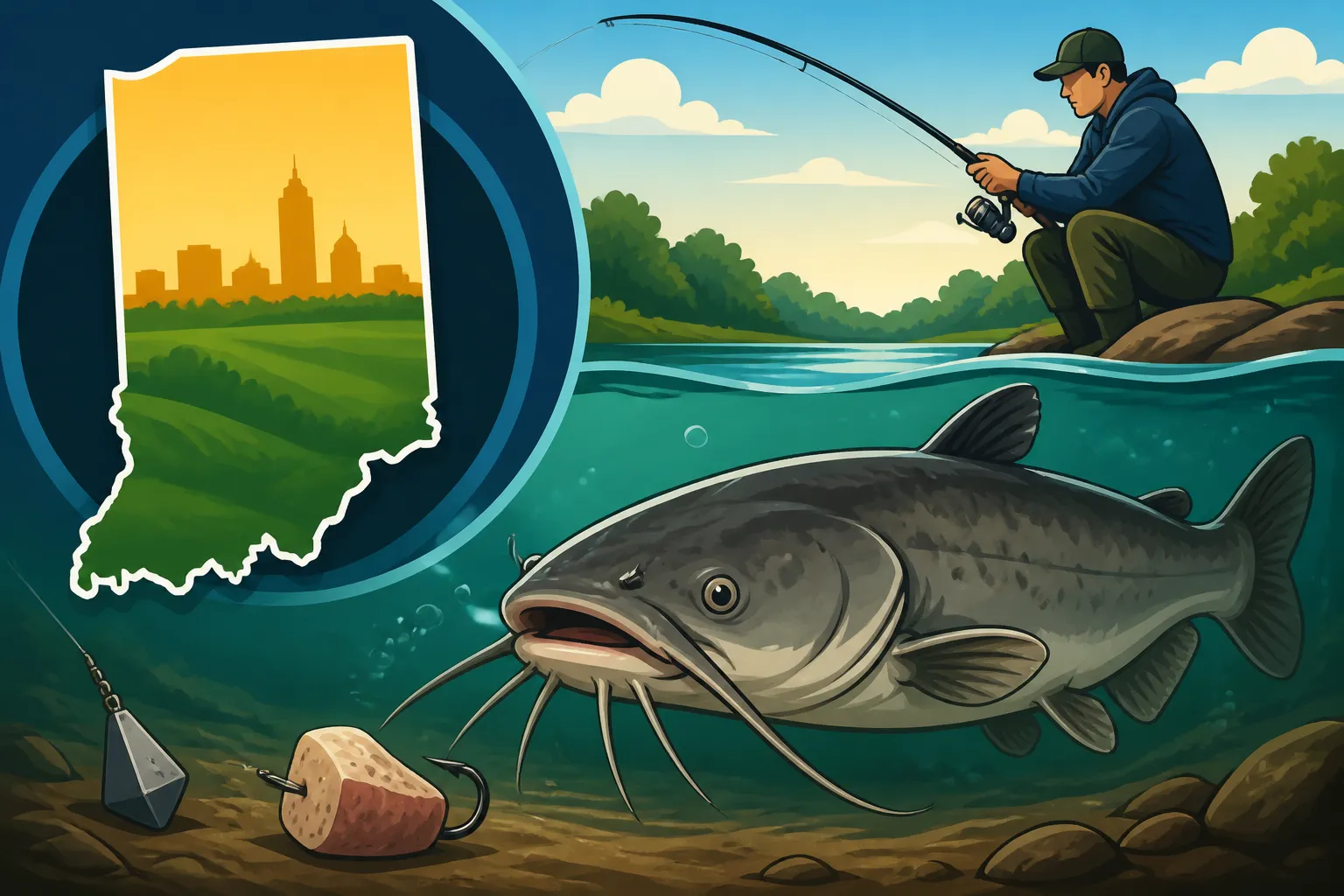
The most common and effective rig for bottom fishing catfish is the Carolina Rig, sometimes called a sliding sinker rig. It consists of threading an egg sinker onto your main line, then tying on a barrel swivel. To the other end of the swivel, you tie your leader, and finally, your hook. This setup allows the fish to pick up the bait and run a short distance without immediately feeling the weight, which often leads to more confident bites. For detailed setup instructions on different rigs, our guide on Best Rigs for Catfish Fishing in the Wabash River offers valuable insights. You can stock up on all these essential terminal tackle components, like quality circle hooks and various sinkers, right on Amazon.
Best Baits for Indiana Channel Catfish
Given their opportunistic nature, channel catfish will hit a wide array of baits. However, some stand out as consistent producers across Indiana's waters.
- Cut Bait: This is arguably the most popular and effective bait for channel catfish. Cut bait involves using pieces of freshly caught or purchased fish. Shad, skipjack herring, bluegill, and even carp are excellent choices. The scent and oils released by the cut bait are incredibly attractive to catfish. Simply cut a small fillet into 1-2 inch chunks, ensuring each piece has some skin for durability on the hook.
- Stink Baits: These are commercially prepared baits, often with a pungent, cheesy, or blood-based odor. They come in various forms: dip baits, punch baits, and pre-formed dough balls. The key with these is their strong scent trail, which works wonders in attracting catfish. Make sure to choose one that's designed to stay on the hook well, or use a bait holder rig.
- Live Baits: While not as common for channel catfish as for their flathead cousins, live worms (like nightcrawlers) can be very effective, especially for smaller to medium-sized channels. Small bluegill or shad, fished live, can also entice larger catfish.
- Other Options: Chicken livers are a classic, albeit messy, catfish bait. Hot dogs, shrimp (especially if slightly spoiled), and even corn can work in a pinch, though they tend to be less consistent than cut or stink baits. Experimentation is often key to finding what the catfish prefer on a given day in a specific body of water. To dive deeper into bait options, consult our article on Best Bait for Channel Catfish in Indiana Rivers.
| Bait Type | Description | Pros | Cons | Ideal Catfish Size |
|---|---|---|---|---|
| Cut Bait | Pieces of oily fish (shad, bluegill, carp) | Strong natural scent, very effective | Can be messy to prepare, may attract non-catfish | All sizes |
| Stink Bait | Commercially prepared, pungent paste or dough | Strong scent trail, easy to use | Can be messy, sometimes falls off hook | Small to Medium |
| Live Worms | Nightcrawlers, redworms | Readily available, natural presentation | Less scent than cut bait, smaller fish | Small |
| Chicken Livers | Fresh or slightly aged chicken liver | Highly attractive scent | Very soft, easily falls off hook, messy | Small to Medium |
Step-by-Step Bottom Fishing Techniques
Now that you understand catfish behavior and have all your gear ready, it's time to put it all together and start fishing. Bottom fishing for channel catfish is a relatively straightforward technique, but mastering the nuances of setting up your rig, casting, and detecting bites will significantly improve your catch rate.
Setting Up Your Bottom Rig
Let's walk through the most common and effective setup for channel catfish: the sliding sinker rig (Carolina Rig).
- Main Line: Start by taking your main fishing line directly from your reel.
- Add Sinker: Thread an egg sinker or a no-roll sinker onto your main line. The weight should be heavy enough to hold your bait on the bottom in the current or wind, but not so heavy that it's difficult to cast. A 1 to 2-ounce sinker is a good starting point for many Indiana waters.
- Attach Swivel: Slide a plastic bead onto your main line after the sinker (this protects your knot from the sinker). Then, tie a strong barrel swivel to the end of your main line using a reliable knot like a Palomar knot or an improved clinch knot. The swivel will prevent line twist and act as a stop for your sinker.
- Tie Leader: Cut a piece of monofilament or fluorocarbon line about 12 to 24 inches long. This will be your leader. The leader material should ideally be slightly lighter than your main line in case of a snag, allowing you to only lose the hook and leader, not your entire main line and sinker.
- Attach Hook: Tie your chosen circle hook (2/0 to 8/0) to the end of your leader.
- Bait Up: Finally, carefully thread your bait onto the circle hook. With cut bait, make sure the hook point is exposed and the bait is secure. For stink baits, use a sponge hook or a bait holder spring to keep the bait on. Ensure the hook is well-covered but still exposed enough to catch the fish's mouth.
This rig allows the line to slide freely through the sinker, meaning a catfish can pick up the bait and move away without feeling the resistance of the weight. This is key to getting a solid bite and increasing your hook-up ratio.
Casting and Presentation
Once your rig is set up and baited, it's time to cast. The goal is to get your bait into those prime catfish holding areas we discussed earlier.
- Long Casts for Coverage: If you're fishing from the bank or a stationary boat, make long casts to cover a wider area. Fan casting – casting to different spots in a fan-like pattern – helps you locate where the fish are holding.
- Accuracy Matters: While distance is good, accuracy is better. Try to cast near submerged structure, channel edges, or deep holes where you suspect catfish are lurking. Using a heavier sinker often helps with casting accuracy, especially in windy conditions.
- Let It Settle: After casting, let your rig sink all the way to the bottom. You'll feel a distinctive "thunk" as the sinker hits. Once it's settled, reel in any slack line until your line is taut, but don't pull the bait. You want the weight to rest on the bottom, with your leader and bait lying naturally.
- Rod Position: Position your rod in a rod holder or prop it up with the tip pointed towards the water, ideally at a 45-degree angle or slightly higher. This helps keep slack out of the line and makes it easier to spot bites. Keep your drag set appropriately – tight enough for a good hookset, but loose enough to allow line to peel off during a strong run.
Remember, patience is a virtue in catfish fishing. Once your bait is out there, wait for the fish to find it. Resist the urge to reel in and check your bait too frequently, unless you're fishing in heavy current that might dislodge it.
Reading the Bite and Setting the Hook
This is often where new anglers get tripped up. Catfish bites can range from subtle to violent, and learning to differentiate between a fish and a snag is an acquired skill.
- Subtle Bites: Sometimes, a catfish might just peck at the bait, causing your rod tip to twitch gently or bend slightly. You might also notice a sudden slack in your line if the fish picks up the bait and swims towards you. These subtle indications require your full attention.
- Aggressive Bites: Other times, especially with larger fish or when they’re actively feeding, you'll see a strong, continuous pull on your rod tip, often bending it sharply towards the water. The fish might even start stripping line from your reel.
- The Hookset (with Circle Hooks): This is crucial. When using circle hooks, do not rear back and set the hook hard like you would with J-hooks. Instead, when you feel a steady pull or see your rod tip bend, simply pick up the rod, reel down to take out any slack, and apply steady pressure. The circle hook is designed to slide into the corner of the fish's mouth as it tries to swim away. A hard, jerking hookset can actually pull the hook out of its mouth. Just let the rod load up, keep the pressure on, and start reeling. You'll feel the fish suddenly become much heavier as the hook finds its mark. This technique greatly reduces the chance of gut-hooking the fish, making catch-and-release much safer.
Always be ready for the bite. It can come at any moment, and a quick, correct response is often the difference between a missed opportunity and a landed fish.
Tips for Maximizing Your Catfish Haul
Beyond the basics, there are always little tricks and insights that can elevate your catfish game. From understanding the best times to fish to ensuring you're compliant with Indiana's regulations, these extra tips will help you become a more effective and responsible angler.
Prime Times and Weather Conditions
Channel catfish are generally more active during certain times of the day and under specific weather conditions. Understanding these patterns can significantly boost your success rate.
- Dawn and Dusk: These low-light periods are often prime feeding times for channel catfish. As the sun rises or sets, catfish tend to move from deeper holding areas into shallower flats or along channel edges to forage. The reduced light gives them an advantage over their prey and makes them feel more secure.
- Night Fishing: Many serious catfish anglers swear by night fishing. Catfish are naturally nocturnal and their excellent sense of smell gives them an edge in the dark. If you're looking for a thrilling experience and potentially larger fish, try heading out after sunset. Our guide on How to Catch Catfish at Night has some excellent tips for this.
- Cloudy or Overcast Days: On days with heavy cloud cover, catfish might remain active throughout the day, as the conditions mimic dawn or dusk. The subdued light keeps them from retreating to deep cover.
- Falling Barometric Pressure: A dropping barometer, often signaling an approaching storm, can sometimes trigger a strong feeding response in catfish. They seem to sense the change and feed aggressively before the weather turns foul.
- Warm Water: Catfish are warm-water fish. Their metabolism speeds up in warmer temperatures, leading to more active feeding. Late spring, summer, and early fall are generally the most productive seasons for them in Indiana. For a detailed seasonal breakdown, check out Best Season for Catfish Fishing in Indiana.
Remember, while these are general guidelines, fish can be unpredictable. Sometimes the best time to go fishing is simply whenever you can! But keeping these prime conditions in mind will certainly tilt the odds in your favor.
Safety and Regulations for Catfish Anglers
As responsible anglers, it's our duty to not only follow the rules but also to prioritize safety on the water.
- Indiana Fishing License: Before you even cast a line, make sure you have a valid Indiana fishing license. If you're an Indiana resident, you'll need an Indiana Resident Annual Fishing License Cost. Non-residents also have options, including short-term licenses. You can easily purchase or renew your license online through the Indiana DNR website. Fishing without one can lead to significant penalties and fines for fishing without a license, so it's not worth the risk.
- Bag and Size Limits: The Indiana Department of Natural Resources (DNR) sets specific regulations for channel catfish, including daily bag limits. Generally, there's a generous daily bag limit for channel catfish, but it's crucial to consult the most current Indiana Fishing Regulations and Bag Limits Guide before your trip. These regulations help maintain healthy fish populations for everyone to enjoy.
- Handling Fish Safely: Catfish have sharp pectoral and dorsal fins that can deliver a painful poke. Always be cautious when handling them. Use a stout pair of gloves or a lip gripper for larger fish. If you plan to release the fish, do so quickly and gently.
- General Water Safety: If you're fishing from a boat, always have appropriate safety gear, including life jackets for everyone on board. Be aware of weather changes, especially during summer thunderstorms. If fishing from the bank, be mindful of slippery banks, steep drop-offs, and other potential hazards.
By respecting the fish, the environment, and the regulations, we ensure that Indiana's fantastic catfish fishing opportunities remain vibrant for generations to come. Many essential safety items, from proper gloves to first aid kits, are readily available on Amazon.
Disclaimer
Fishing regulations, license requirements, and local conditions can change. Always consult the official Indiana Department of Natural Resources (DNR) website or their current fishing guide for the most up-to-date and specific information before heading out on your fishing adventure. This guide is for informational purposes only and should not replace official sources.