Planning a Fishing Trip Around Indiana’s Free Fishing Days
It's incredibly frustrating when you want to get out on the water, maybe introduce a friend or a child to the joys of fishing, but you're not sure if you need a license or what the rules are for those special "free" days. The good news is, Indiana offers specific Free Fishing Days designed to make it easy for everyone to cast a line without that upfront commitment. This guide will walk you through exactly when these days are, who benefits most, and how to plan a fantastic, stress-free fishing trip around Indiana's Free Fishing Days, so you can focus on making memories, not paperwork.
Understanding Indiana's Free Fishing Days
Indiana's Free Fishing Days are a fantastic initiative by the Indiana Department of Natural Resources (DNR) to encourage people to experience fishing without the usual requirement of a state fishing license. It's an open invitation to residents and nonresidents alike to explore the Hoosier State's abundant waterways.
What Exactly Are Free Fishing Days?
Simply put, Free Fishing Days are specific dates each year when anyone can fish Indiana's public waters without needing to purchase an Indiana fishing license. This applies to both residents and visitors from out-of-state, making it an incredible opportunity for everyone to enjoy the sport. The primary goal is to lower the barrier to entry for new anglers, welcome back those who haven't fished in a while, and offer families a budget-friendly way to spend time together outdoors. It’s a chance to dip your toes in the water, so to speak, and see if fishing is for you before investing in an annual license.
While the requirement for a basic fishing license is waived, it's crucial to understand that all other statewide fishing regulations and bag limits still apply. This includes rules about fish size, daily catch limits, and permitted fishing methods. You can find a comprehensive overview in the Indiana Fishing Regulations and Bag Limits Guide. The DNR still wants to ensure sustainable fishing practices, so even on free days, responsible angling is paramount.
When Do These Magical Days Occur?
The Indiana DNR typically designates several Free Fishing Days throughout the year, strategically placed to take advantage of different seasons and provide various opportunities. For 2026, you're in luck with multiple chances to get out there: there's a single free fishing day in May, a full free fishing weekend in June, and another single day in September.
Here are the specific dates for 2026:
- May 10, 2026 (Sunday)
- June 6, 2026 (Saturday)
- June 7, 2026 (Sunday)
- September 26, 2026 (Saturday)
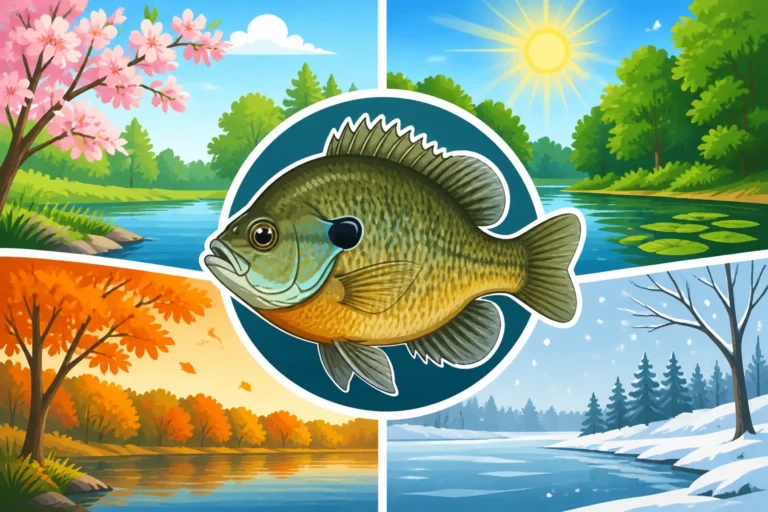
These dates are chosen to offer a variety of weather conditions and fishing opportunities, from the mild spring days of May, through the warmer, longer days of June, and into the crisp, beautiful autumn of September. Marking these dates on your calendar now is a great way to ensure you don't miss out. Knowing the Indiana Free Fishing Days List for 2026 in advance allows you to plan your location, gather your gear, and rally your fishing buddies or family for a memorable outing.
Who Benefits Most from Indiana's Free Fishing Days?
While anyone can enjoy Free Fishing Days, certain groups find them particularly advantageous. They're designed to remove common hurdles, making fishing more accessible and less daunting for many.
New Anglers and Curious Beginners
If you've ever thought about trying fishing but were hesitant to buy a license without knowing if you'd enjoy it, Free Fishing Days are tailor-made for you. It's a risk-free trial run, letting you experience the peace and excitement of fishing without the initial financial commitment of an annual license. This is especially true for adults who might want to try it out on their own before committing to a full year of fishing.
Think of it as an open house for the world of angling. You can borrow a rod, grab some bait, and head to a local pond or river to see if it sparks a passion. It’s the perfect scenario for practicing basic casting techniques, learning how to bait a hook, and experiencing the thrill of a fish on the line for the very first time. You might even discover that your local park pond is teeming with panfish, offering easy action. If you're looking for simple, effective gear to get started, you can find a ton of affordable options, like beginner fishing kits, on platforms such as Amazon. Starting with a basic spinning combo is usually the easiest way to go.
Family Fun and Introduction to the Outdoors
For parents and grandparents eager to introduce children to the outdoors, Free Fishing Days are an absolute blessing. Instead of purchasing multiple licenses for everyone in the family, you can all go fishing together for free. This significantly reduces the cost of a family outing, making it more accessible for everyone, especially if you have a larger family. Plus, kids under 18 already fish free in Indiana, so these days extend the benefit to the adults guiding them.
Imagine a Saturday morning spent by a calm lake, teaching your kids how to cast, helping them reel in a feisty bluegill, and watching their faces light up with excitement. These are the kinds of memories that truly stick. Many Indiana state parks and local recreation areas offer excellent Family-Friendly Fishing Spots in Indiana with easy access to shore fishing, picnic areas, and other amenities that make for a perfect family day trip. Pack a lunch, bring some bug spray, and enjoy the simple pleasure of fishing together.
Visiting Friends and Nonresident Anglers
Indiana’s Free Fishing Days also provide a fantastic opportunity for nonresidents. Normally, visitors from out-of-state would need to purchase an Indiana nonresident fishing license, which can be a significant cost if you're only planning a short trip. For example, a Nonresident 1-Day Fishing License Price: $9 might seem reasonable, but if you're staying for a week, a Nonresident 7-Day Fishing License Price: $20 adds up.
These free days completely waive that requirement, allowing friends and family visiting from neighboring states like Ohio, Michigan, Illinois, or Kentucky to fish Indiana waters without any additional fees. It’s an open invitation for them to experience the diverse fishing opportunities Indiana offers, from bass and crappie in inland lakes to the unique salmon and steelhead fisheries of Lake Michigan. This makes it incredibly easy to host out-of-state guests and share your favorite fishing spots with them, without the hassle or expense of temporary licenses. It's truly a welcoming gesture for anyone looking to enjoy Indiana's aquatic treasures.
Maximizing Your Free Fishing Day Experience
To ensure your free fishing day is as enjoyable and successful as possible, a little planning goes a long way. From choosing the right location to understanding the specific rules, being prepared makes all the difference.
Choosing Your Spot Wisely
Picking the right location is crucial for a fun and successful outing, especially when you might be introducing new people to fishing. For Free Fishing Days, prioritize accessibility and the likelihood of catching fish, even if they're small. Urban ponds, county park lakes, and state park lakes are often excellent choices because they're typically well-stocked and offer easy shore access. For instance, many smaller lakes in state parks are ideal for targeting panfish like bluegill and crappie, which are usually abundant and eager to bite, providing consistent action for beginners. Check out guides like Best Fishing Spots in Indiana or specifically Indiana State Parks for Fishing for ideas.
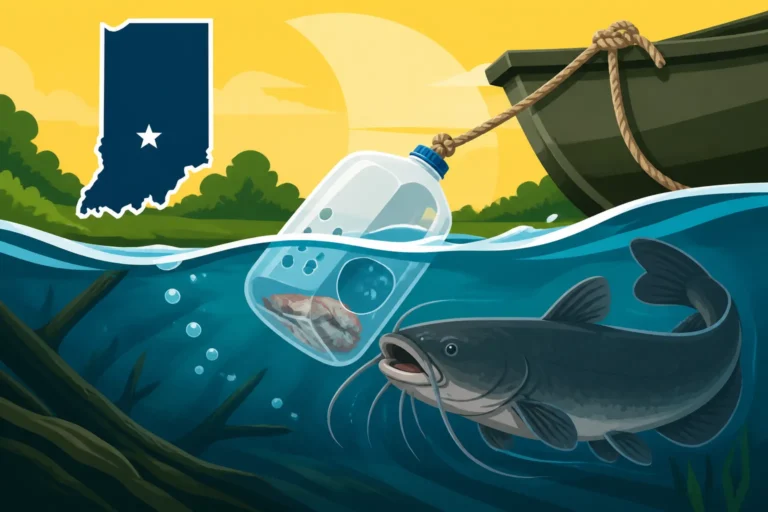
Consider the time of year for your chosen free fishing day. If you're going in June, larger lakes or rivers might offer better opportunities for bass or catfish as the water warms up. For the September free day, cooler water temperatures can often make species like pike more active. Always research your chosen spot beforehand to understand what species are present and what kind of access (shore, pier, boat ramp) is available. Many local conservation areas also have small ponds that are perfect for a quiet family outing.
Basic Gear and Bait for Success
You don't need a boatload of expensive gear to have a great time on a Free Fishing Day. Keep it simple, especially if you're new to the sport. A basic spinning rod and reel combo, often available for under $50, is more than sufficient. You can find reliable entry-level combos from brands like Ugly Stik or Shakespeare on Amazon, which are durable and easy to use. Pair that with some monofilament line (6-10 lb test is usually fine), a few small hooks, some split-shot sinkers, and a bobber.
For bait, live bait is often the most effective and exciting for beginners. Worms (nightcrawlers or red wigglers) are universal and catch almost anything. Crickets are fantastic for panfish, and minnows can tempt crappie or even a small bass. If live bait isn't your preference, small artificial lures like tiny jigs (1/32 to 1/16 oz) or spinners can also work wonders, especially in spring and fall. Don't forget essentials like a small pair of pliers for hook removal, a stringer or cooler to keep your catch fresh if you plan to keep fish, and, of course, a valid life jacket if you'll be on any kind of watercraft, even a kayak. Having a Best Beginner Fishing Kits for Kids on hand makes it super easy to equip the younger generation.
Understanding the Rules Even Without a License
This is perhaps the most critical point: while the license requirement is waived, all other Indiana fishing regulations remain in effect. This means you still need to abide by specific bag limits for different species, minimum and maximum length limits, and any gear restrictions. For example, if you're fishing for largemouth bass, you'll still need to follow Indiana's statewide bass daily bag limit, which is typically five fish combined for largemouth and smallmouth. Similarly, panfish like bluegill and crappie often have a daily limit of 25 fish per species.
Another common misconception is about the Trout and Salmon Stamp. Free Fishing Days do not cover the requirement for a valid Indiana Trout and Salmon Stamp Requirements if you are fishing in designated trout or salmon waters and intend to keep those species. If you're heading to a stream that's stocked with trout, or fishing Lake Michigan for salmon or steelhead, you will still need to purchase that stamp if you plan to harvest any trout or salmon. It’s always best to check the current Indiana Fishing Guide, available on the DNR website, before you head out to avoid any penalties or fines.
Important Considerations and Common Misconceptions
Even with the best intentions, it's easy to overlook details or fall prey to common misunderstandings surrounding Free Fishing Days. Being aware of these points can save you hassle and ensure a truly enjoyable experience.
The Trout/Salmon Stamp Exemption Myth
One of the biggest misconceptions about Indiana's Free Fishing Days is that they completely waive all fishing-related fees. This is simply not true when it comes to the special stamps required for certain species. While you won't need the basic annual license, if you're specifically targeting trout or salmon in waters where the DNR requires a specialized stamp, you absolutely still need it. This stamp is an additional endorsement on top of a regular license, and its requirement is not suspended during free fishing days.
For example, if you plan to fish a put-and-take trout stream, or head up to the Lake Michigan tributaries during the salmon and steelhead runs, and you want to keep those fish, you will need to purchase the Indiana Trout and Salmon Stamp Cost: $11. The purpose of the Free Fishing Days is to introduce people to general fishing, not to bypass specific conservation programs funded by these special stamps. Don't let this catch you off guard; always verify if your target species or chosen location requires any additional stamps, even on a free day. This critical detail is often overlooked, leading to potential citations for unprepared anglers.
Crowds and Competition
It's realistic to expect that Free Fishing Days, precisely because they are free and accessible, will attract more people to popular fishing spots. This means boat ramps, fishing piers, and easily accessible shorelines at places like local parks or state reservoirs might be busier than usual. If you're someone who prefers solitude while fishing, this might be a slight drawback.
To mitigate potential crowding, consider arriving early in the morning to secure a good spot, especially if you're fishing from the bank. You might also want to seek out slightly less obvious or well-known fishing holes that still offer good opportunities. While state parks like Ouabache State Park or Shakamak State Park might see an influx, sometimes a smaller, local city park pond can offer a quieter, more intimate experience. Remember, the goal of Free Fishing Days is participation and enjoyment, so try to embrace the community spirit, even if it means sharing the water. It’s a great chance to meet other anglers, too!
Beyond the Free Day: Continuing Your Journey
Hopefully, your experience on Indiana's Free Fishing Day will be so positive that it sparks a lifelong passion for angling! If you find yourself thoroughly enjoying the tranquility and excitement of fishing, the next logical step is to consider purchasing a full Indiana fishing license. The Indiana Resident Annual Fishing License Cost is very reasonable, especially when you consider the year-round access it provides to all of Indiana's diverse fisheries.
The DNR offers various license options to suit different needs, from annual licenses to short-term 1-day or 7-day licenses, and even special discounted options for seniors like the Indiana Senior Annual Fishing License Cost. The process to How to Get an Indiana Fishing License is straightforward and can often be done online through the DNR website, or at authorized license vendors. Getting your own license means you can fish whenever the mood strikes, rather than waiting for specific free days, opening up a world of possibilities for exploring new lakes, rivers, and techniques throughout the year.
| Free Fishing Day (2026) | Primary Benefit | Target Species (Common) | Recommended Locations (Example) | Important Note |
|---|---|---|---|---|
| May 10 | Spring weather, start of season | Bluegill, Crappie, Bass | Local ponds, smaller state park lakes | Trout/Salmon Stamp still required for specific waters/species. |
| June 6 & 7 | Warm weather, family weekend | Bass, Catfish, Bluegill | Larger reservoirs (Monroe, Patoka), many state park lakes | Great for introducing kids; more crowded spots likely. |
| September 26 | Cooler temps, fall scenery | Panfish, Pike, Bass | Rivers (Wabash, White), larger glacial lakes | Excellent time for river fishing or targetting active predator fish. |
Disclaimer
Please note that while this guide provides comprehensive information based on current regulations, fishing rules and license requirements can change. Always consult the official Indiana Department of Natural Resources (DNR) website or the current Indiana Fishing Guide for the most up-to-date and accurate information before planning your trip. The author and publisher are not responsible for any incidents, accidents, or regulatory violations that may occur. Fish safely and responsibly.