Dawn and Dusk Fishing Techniques
There’s nothing quite as frustrating as heading out to your favorite Indiana fishing spot, spending hours under the midday sun, and coming home empty-handed. Many anglers believe that fishing success is all about luck or expensive gear, but often, it simply comes down to timing. Those magical moments around sunrise and sunset, often called "the golden hours," offer some of the best fishing opportunities, and understanding how to leverage them can dramatically improve your catch rate. This guide will dive deep into why these times are so effective and the specific techniques you can use to make the most of them.
Why Dawn and Dusk are Fishing's Golden Hours in Indiana
If you've ever wondered why some anglers consistently seem to catch more fish, it's often because they understand the subtle shifts that occur in aquatic environments during dawn and dusk. These periods aren't just beautiful; they trigger instinctual behaviors in fish that make them more active and, crucially, more vulnerable to your lure. It’s not just about aesthetics; there are real biological and environmental factors at play.
Understanding Low Light Conditions
One of the biggest reasons for increased fish activity during dawn and dusk is the change in light intensity. Just like us, fish have preferences when it comes to light. Many predatory fish, like bass, walleye, and even crappie, are often more comfortable and effective hunters in lower light conditions. The harsh glare of the midday sun can actually push them deeper, seeking cover from both predators and the intense light itself. When the sun is rising or setting, the light diffuses, creating softer shadows and reducing visibility for prey fish, which gives predators a distinct advantage.
Think about it from a fish's perspective. In bright sunlight, they're exposed. It's harder to ambush prey when everything is clearly visible. As the light dims, the world becomes a little more ambiguous, allowing them to move more freely, venture into shallower feeding grounds, and hunt more aggressively without feeling as vulnerable. This is why you often hear experienced anglers talk about how productive the early morning bite can be, or how the evening "witching hour" can turn a slow day into a memorable one. This phenomenon is a key reason why many consider these times to be the Best Time of Day to Catch Bass and other popular species.
The Impact of Water Temperature Swings
Beyond light, water temperature plays an enormous role, especially during the transitional periods of dawn and dusk. During the peak of summer, surface waters can become quite warm, pushing fish down into cooler, deeper thermoclines. However, as the sun begins to set, the surface water gradually cools. This cooling trend can bring baitfish up from the depths, and where the baitfish go, the predatory fish follow. Conversely, in the early morning, as the sun rises, the water is at its coolest point, often stimulating fish that might have been lethargic in warmer, stagnant overnight temperatures to become active feeders.
These temperature shifts are particularly noticeable in shallower areas like coves, flats, and around weed lines. These areas absorb and release heat more quickly than deeper waters. When the water cools down slightly at dusk or is at its coolest at dawn, these prime feeding grounds become much more attractive. This is a crucial factor in understanding Water Temperature and Fish Feeding Patterns and adapting your approach. Fish are constantly seeking their preferred temperature range, and these transitional periods offer them a brief window of comfort and opportunity.
Essential Gear and Preparations for Low Light Fishing
Fishing at dawn or dusk, while incredibly rewarding, isn't quite the same as a bright midday outing. You're dealing with reduced visibility, which means a little extra preparation and specialized gear can make all the difference. Don't let the fading light catch you off guard; a few simple additions to your tackle box and personal gear can ensure both safety and success.
Lighting and Safety Essentials
When you're out before sunrise or as daylight fades, proper lighting isn't just a convenience; it's a safety necessity. A good headlamp is non-negotiable. Look for one that offers different brightness settings and, ideally, a red light option. The red light helps preserve your night vision and is less disruptive to fish than a bright white beam. Many reliable brands are available on Amazon that offer durable, waterproof options perfect for anglers. Beyond personal lighting, if you're boating, ensure all your navigation lights are functioning correctly and that you have a white all-around light. Remember, safety first, especially when you're navigating unfamiliar waters in low light.
It's also a smart idea to carry a whistle on your person or life jacket, even if you’re fishing from shore. If you run into trouble, especially around busy boat ramps or remote areas, a whistle can alert others to your presence. A small first-aid kit, a fully charged cell phone, and knowing your surroundings before the light fades are all vital precautions. You want to focus on the fishing, not on tripping over unseen obstacles or struggling to tie a knot in the dark.
Rod, Reel, and Line Choices for Dim Conditions
Your rod, reel, and line setup don't necessarily need to be radically different for dawn and dusk fishing, but certain considerations can enhance your experience. For most freshwater applications in Indiana, a medium-light to medium-heavy action rod with a fast tip will give you the versatility you need. The fast tip helps detect subtle bites, which can be more common in low light as fish might be less aggressive. Spinning reels are generally easier to manage in the dark, especially for casting lighter lures or baits.
When it comes to line, consider a slightly heavier fluorocarbon leader if you're targeting species with good eyesight, as its low visibility underwater can be an advantage. For topwater presentations, monofilament line often excels due to its buoyancy. The key is to have your gear prepped before you head out. Don't wait until it's pitch black to tie on that perfect lure; have a few go-to setups ready to deploy quickly. If you're specifically targeting certain species, like walleye, you might want to look into specific recommendations for Best Lures for Indiana Walleye Fishing for optimal results during these low-light periods.
Lure and Bait Selection for Dim Conditions
The fading light also changes what baits and lures are most effective. Visual appeal, while always important, takes a backseat to vibration, sound, and profile in low light. Darker colored lures, especially black, blue, or purple, often create a stronger silhouette against the dim sky, making them easier for fish to see from below. Lures with rattles or thumping actions, like spinnerbaits, crankbaits, or chatterbaits, can attract fish by sound and vibration alone, even if they can't see the lure clearly.
Live bait, always a classic, can be particularly potent at dawn and dusk. Worms, minnows, or even nightcrawlers (especially for catfish) offer natural scent and movement that fish can detect regardless of light levels. For those targeting species like crappie or walleye, glow-in-the-dark jigs or those with reflective eyes can also be incredibly effective. Consider purchasing a small UV light, often found on Amazon, to "charge" glow-in-the-dark baits quickly right before you cast. Experimentation is key, but generally, anything that creates a disturbance, has a good profile, or emits a strong scent will be a solid choice for low light.
Mastering Techniques for Dawn and Dusk Success
Once you understand why fish are more active during these transitional hours, the next step is to adapt your techniques to capitalize on their behavior. Fishing at dawn and dusk often requires a slightly different approach than fishing in the bright midday sun. It's about capitalizing on that brief window when fish are actively feeding, often closer to the surface or in shallower water.
Topwater Action at First Light
There's nothing quite like a topwater strike at dawn. As the sun just begins to kiss the horizon, creating those first streaks of color across the sky, baitfish often become disoriented and more active near the surface. This is a prime opportunity for predatory fish like bass and pike to ambush them. The low light and slight ripple on the water's surface make it harder for prey to spot lurking predators from below.
Your goal here is to create a commotion that mimics a struggling baitfish or an insect falling into the water. Poppers, walk-the-dog style lures (like a Heddon Super Spook or a Zara Spook), and prop baits are incredibly effective. Cast these lures close to cover – lily pads, submerged timber, or weed lines – and work them slowly enough to allow fish to track them in the dim light, but fast enough to provoke a strike. The distinct "bloop" of a popper or the side-to-side sashay of a walk-the-dog lure can be irresistible. Remember, many of your biggest bass catches can happen during these fleeting moments, so having a dedicated topwater rod ready is often a good move. For more insights on this exhilarating method, check out resources on How to Fish Topwater Lures for Bass at Dawn.
Subsurface Strategies as the Sun Sets
As the sun dips below the horizon and the evening gloom sets in, fish often move deeper, but still remain active, particularly along structure or drop-offs near shallower feeding flats. This is when subsurface lures that produce vibrations or have a strong profile become the most effective. Crankbaits, spinnerbaits, and chatterbaits are excellent choices for covering water and locating active fish. Their thumping, flashing, and vibrating actions send out signals that fish can detect even in near darkness.
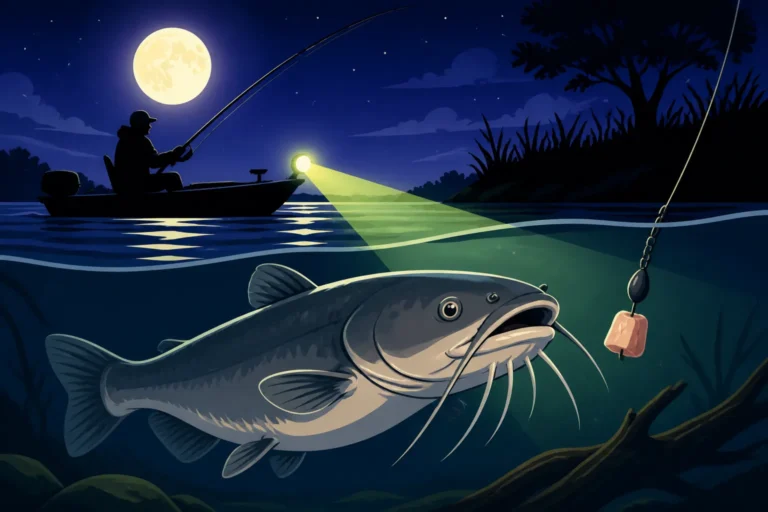
Work these lures at various depths, focusing on areas where shallow water meets deeper channels or where baitfish are likely to congregate. Consider slower retrieves than you might use during the day, giving fish more time to locate and strike the lure. Soft plastic swimbaits, rigged on weighted hooks, can also be deadly. They offer a realistic profile and subtle tail action that mimics a natural forage. Pay close attention to your line; often, a strike will feel more like a subtle "thump" or added weight rather than an aggressive tug. This is also a fantastic time for Night Fishing Techniques for Catfish as these bottom dwellers become more opportunistic under the cover of darkness.
Adapting to Species-Specific Behaviors
Different fish species have different feeding habits and preferences when it comes to light levels. Understanding these nuances can significantly improve your success.
- Bass (Largemouth and Smallmouth): Bass are opportunistic feeders and are very active during both dawn and dusk. They'll often move into shallow water to ambush prey. Topwater lures are fantastic at dawn, while spinnerbaits, bladed jigs, and shallow-running crankbaits can be very effective as light fades. They are often found around cover.
- Walleye: These fish are famously light-sensitive and become incredibly active in low light. They'll often move from deeper water to shallow reefs, humps, and points to feed. Jigging with minnows or soft plastics, trolling crankbaits, or even casting stickbaits can be highly productive. This is an excellent time for Walleye Jigging Techniques.
- Crappie: Crappie will often move to shallower brush piles, docks, and submerged timber to feed on small baitfish and insects during dawn and dusk. Trolling small jigs or minnows under a float are classic techniques.
- Catfish: Catfish are primarily nocturnal feeders, meaning dusk and night are their peak activity times. They rely heavily on scent, so stink baits, cut bait, and live worms fished on the bottom are highly effective. Rivers like the Wabash and White River are fantastic for this, and knowing the Best Catfish Fishing Spots in Indiana can give you an edge.
Understanding these individual behaviors and adjusting your approach accordingly is key to consistent success during these prime fishing windows.
Species-Specific Strategies for Indiana Anglers
While the general principles of low-light fishing apply across the board, truly effective dawn and dusk angling in Indiana often means tailoring your approach to the specific species you're chasing. Each fish has its own unique patterns and preferences, and understanding them can make a world of difference between a slow morning and a full livewell.
Targeting Bass During Twilight
Bass, particularly largemouth, are incredibly aggressive feeders during the low light periods of dawn and dusk. As the sun rises or sets, they'll often venture out from their daytime cover, like submerged logs, weed beds, or docks, to hunt baitfish and insects that become more exposed. This is often the time to throw caution to the wind and try some of the most exciting techniques.
At dawn, as mentioned earlier, topwater lures reign supreme. A classic Jitterbug or a buzzing buzzbait can draw explosive strikes from bass that are actively looking up for prey. Cast these lures parallel to weed lines or rocky shorelines, giving them a moment to sit after splashdown before retrieving. As the light begins to increase slightly, but before the sun gets too high, switch to a spinnerbait or a bladed jig like a ChatterBait. The flash and vibration of these lures can call fish from a distance, and they're excellent for covering water quickly to find active fish. For those who love the thrill, learning How to Fish a Spinnerbait for Bass is a must for these conditions.
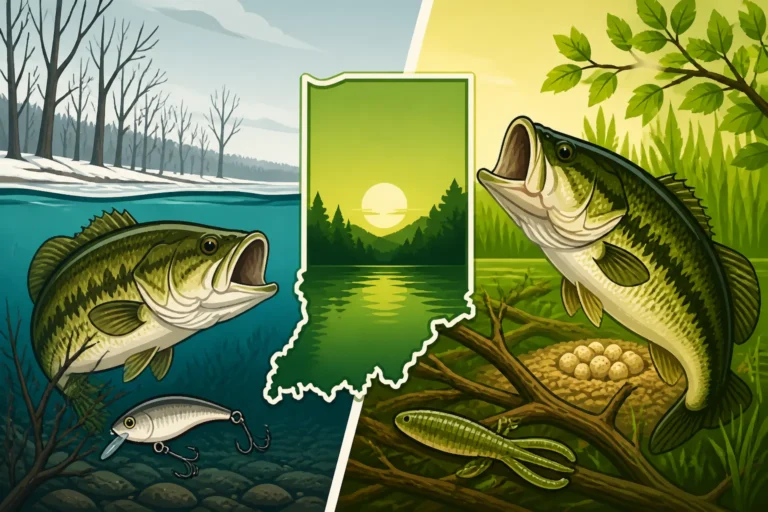
As dusk approaches, bass will again move shallow, often relating to the same structures they used at dawn. The strategy here is similar: start with topwater if there’s enough light, then move to spinnerbaits, crankbaits, or even slow-rolled swimbaits as darkness deepens. Focus on transition areas where bass can easily move from deep water to shallow feeding flats. Places like Monroe Lake and Patoka Lake are renowned for their bass fishing, and these twilight hours are often when the biggest fish come out to play.
Walleye and Crappie at Dawn and Dusk
Walleye are perhaps the poster child for low-light fishing. Their large, light-sensitive eyes give them a distinct advantage over their prey during twilight hours. They'll actively move from deeper water to shallow feeding areas like rocky points, humps, and even sandy flats to chase baitfish.
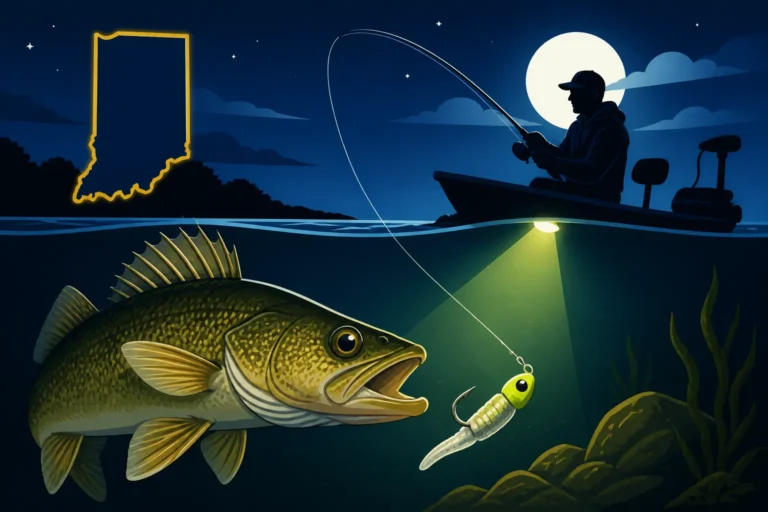
For walleye at dawn and dusk, jigging is often incredibly effective. Use a jig tipped with a live minnow, a scented soft plastic, or a hair jig. Cast it out, let it sink to the bottom, and then use a lift-and-drop retrieve, allowing the bait to bounce along the structure. Trolling crankbaits, especially those with rattles, can also be very productive, particularly in larger bodies of water like Lake Wawasee or Webster Lake. Pay close attention to contour lines on your fish finder, targeting areas where walleye might stage before moving up to feed. Often, the Best Time of Day to Catch Walleye will be that hour before sunrise and the hour after sunset.
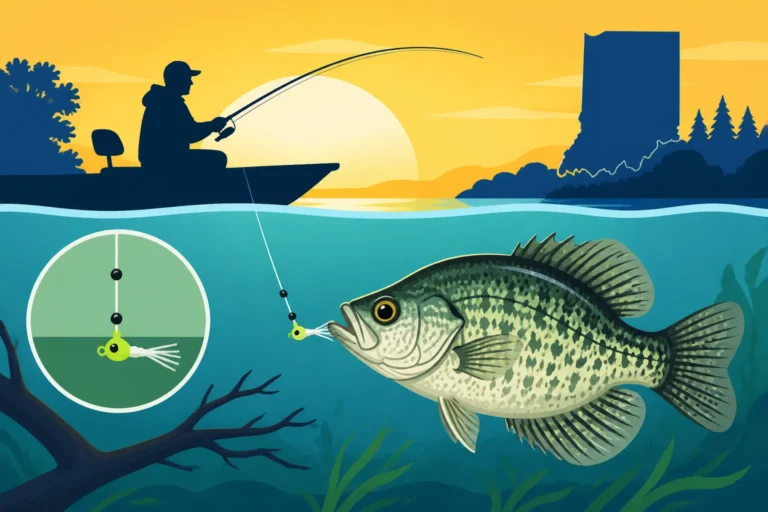
Crappie also become very active during these periods. They'll school up around submerged brush piles, standing timber, or under dock lights (if you're fishing into the night). For crappie, tiny jigs (1/32 to 1/16 oz) tipped with a small plastic grub or a live minnow are irresistible. Fish them slowly, often suspended under a bobber, at various depths until you find where the crappie are holding. Vertical jigging directly over structure can also be deadly. As dusk settles, many anglers will find the crappie moving shallower to feed on emerging insects, offering fantastic opportunities for those willing to brave the mosquitoes.
Catfish: The Night Owls of Indiana Waters
When it comes to fishing after dark, catfish are truly in their element. While you can catch them during the day, dusk, evening, and pre-dawn hours are often when they are most actively foraging. These powerful fish rely heavily on their sense of smell and touch, making them perfectly adapted to low-light conditions.
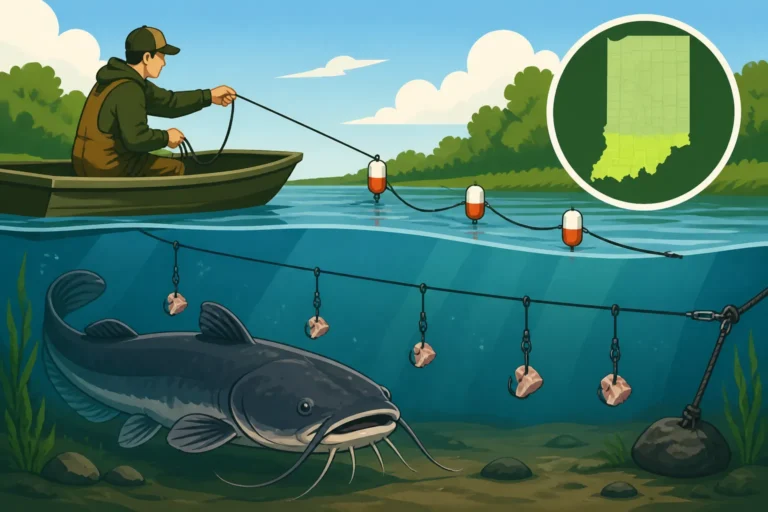
For catfish, especially channel and flathead catfish, bait choice is paramount. Stink baits, cut bait (like shad or skipjack herring), and large live or cut nightcrawlers are excellent options. You'll want to fish these directly on the bottom, usually with a slip-sinker rig or a Carolina rig, allowing the fish to take the bait without feeling resistance. Target deep holes, current seams in rivers like the Wabash River or White River, or the edges of flats in reservoirs like Salamonie Lake or Mississinewa Lake. The table below outlines some general guidelines for different species and optimal low-light approaches.
| Species | Peak Activity Time | Preferred Lure/Bait (Dawn) | Preferred Lure/Bait (Dusk) | Key Technique |
|---|---|---|---|---|
| Largemouth Bass | Dawn & Dusk | Topwater Poppers, Buzzbaits | Spinnerbaits, Crankbaits, Jigs | Casting to cover, slow retrieves |
| Smallmouth Bass | Dawn & Dusk | Topwater Plugs, Jerkbaits | Small Crankbaits, Tubes, Grubs | Finesse fishing, targeting rocky areas |
| Walleye | Dawn & Dusk | Jig & Minnow, Trolling Crankbaits | Jig & Minnow, Trolling Crankbaits | Vertical jigging, slow trolling |
| Crappie | Dawn & Dusk (into night) | Small Jigs, Minnows under bobber | Small Jigs, Minnows under bobber | Suspending, vertical jigging structure |
| Channel Catfish | Dusk (Nocturnal) | Cut Bait, Stink Bait, Nightcrawlers | Cut Bait, Stink Bait, Nightcrawlers | Bottom fishing, scent trail |
| Flathead Catfish | Dusk (Nocturnal) | Live Bluegill, Sunfish | Live Bluegill, Sunfish | Bottom fishing, heavy tackle |
Setting up multiple rods with different baits can increase your chances, especially for catfish. Be patient, as bites can sometimes be subtle, and give the fish time to really take the bait before setting the hook. If you're passionate about landing these whiskered giants, delving into How to Catch Catfish at Night will provide even more specialized tips.
Navigating Common Challenges and Maximizing Your Catch
Fishing at dawn and dusk truly offers some of the most serene and productive experiences. However, these periods also come with their own set of unique challenges that, if not addressed, can quickly turn an enjoyable outing into a frustrating one. Preparing for these hurdles is just as important as knowing your techniques.
Dealing with Mosquitoes and Other Pests
Let's be real, nothing ruins a peaceful evening of fishing faster than a swarm of hungry mosquitoes. As the sun sets, especially near still or slow-moving water, these tiny vampires emerge with a vengeance. Beyond mosquitoes, gnats, and other biting insects can also make your life miserable. This is a very real frustration for many anglers, and it can deter even the most dedicated from enjoying those prime twilight hours.
The good news is that there are effective ways to combat them. First and foremost, a good insect repellent is your best friend. Look for repellents with DEET or picaridin, and apply them generously before you even leave the car. Long-sleeved shirts and pants, even in warmer weather, can offer a physical barrier. Some anglers even invest in head nets or bug suits, especially if they plan to be out for extended periods during peak insect activity. Brands like Thermacell also make portable repellent devices that create a zone of protection, which can be a lifesaver if you're fishing from a stationary position or a boat. You can find a wide array of options for personal protection on Amazon to keep those pesky bugs at bay. Don't let a few bugs keep you from the best fishing of the day!
Safety Considerations and Navigation in the Dark
Fishing in low light naturally introduces safety concerns, especially if you're not intimately familiar with your fishing location. Reduced visibility can lead to missteps, collisions, or getting disoriented. The fear of the unknown in the dark can be a real barrier for many.
If you're fishing from shore, always scout your spot during daylight. Note any uneven terrain, drop-offs, or obstacles that could be hazardous in the dark. A reliable headlamp (and spare batteries!) is absolutely critical. For boaters, ensure all navigation lights are functioning. Have a good marine GPS or, at the very least, a topographical map of the lake and a compass. Always tell someone where you're going and when you expect to return. Consider wearing a personal flotation device (PFD) at all times, even if not legally required, as it adds an extra layer of safety. Navigating by landmarks you observed during the day can also be helpful. It’s better to err on the side of caution and prioritize safety over one more cast. Always remember that Lake Michigan Fishing Rules for Indiana Anglers often include more stringent safety requirements due to the size and unpredictable nature of the lake, so be extra prepared if you're fishing there in low light.
The Importance of Stealth and Patience
While fish are more active during dawn and dusk, they aren't necessarily less wary. In fact, in some cases, the dim light might make them more sensitive to sudden movements or loud noises. Fish have excellent lateral lines that can detect vibrations in the water, and sudden disturbances can quickly send them scattering.
Approach your fishing spot quietly, whether you're wading, bank fishing, or on a boat. Avoid slamming tackle box lids, stomping your feet, or shouting. Cast softly and try to land your lure or bait gently on the water's surface rather than with a loud splash. These fish are often in shallower water during these times, making them more susceptible to spooking. Patience is also paramount. Bites can sometimes be more subtle in low light, requiring you to pay close attention to your line and feel for delicate taps or changes in pressure. Don't rush your retrieve, and allow the fish ample time to strike. Often, those quiet, patient moments in the twilight are rewarded with the biggest and most memorable catches, transforming a simple fishing trip into a truly profound experience.
Disclaimer
Please note that fishing regulations, license requirements, and local conditions can change. Always consult the latest Indiana Department of Natural Resources (IDNR) regulations before heading out to fish. This guide provides general information and recommendations, but it is the angler's responsibility to comply with all current laws and ensure personal safety.