Bream Fishing Techniques for Kids
Bringing kids along on a fishing trip can be one of the most rewarding experiences, but let's be honest, it can also be a challenge to keep their attention if the fish aren't biting. Nothing zaps a child's enthusiasm faster than a long wait with no action. That's where bream fishing comes in, offering a fantastic gateway to the joys of the outdoors and practically guaranteeing some exciting tugs on the line for your little anglers. This guide will walk you through everything you need to know to make bream fishing with kids a memorable, fun-filled adventure right here in Indiana.
Understanding Bream and Why They're Perfect for Kids
When we talk about "bream" in Indiana, we're usually referring to a group of panfish that includes species like bluegill, redear sunfish, and sometimes even crappie. These feisty little fish are a perfect introduction to fishing for children because they are abundant, eager to bite, and found in almost every body of water across the state. They offer consistent action, which is key to keeping young anglers engaged and excited.
Why Bream are Perfect for Kids
Let's face it, kids have short attention spans. Sitting around waiting for a trophy bass to bite might be a test of patience for an adult, but it's a recipe for boredom and restlessness for a child. Bream, on the other hand, are the ultimate confidence builders. They tend to school together in large numbers, and they're not particularly shy about biting a baited hook. This means your child is likely to get frequent bites and, more importantly, catch fish! That immediate gratification is priceless for fostering a lifelong love of fishing. Imagine the squeal of delight when they feel that first tug – it's pure magic.
Beyond the quick action, bream are generally smaller and easier to handle once caught. They put up a respectable fight for their size, providing just enough challenge without being overwhelming for little hands. Teaching a child to properly cast, set the hook, and reel in a fish becomes a manageable and successful endeavor when bream are involved. It builds their skills and confidence exponentially, preparing them for bigger challenges down the line. If you're looking for more general information on these species, check out our comprehensive Indiana Panfish Guide: Crappie, Bluegill, and Sunfish.
Common Bream Species in Indiana
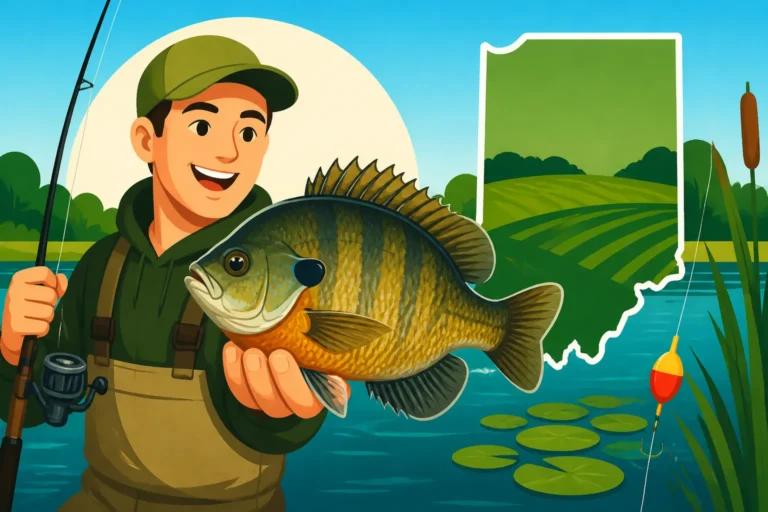
While many anglers generically call them "bream," it's good to know the specific types you're likely to encounter in Indiana. The most common and beloved by kids is the bluegill. Easily identifiable by their dark "ear flap" and often vibrant blue and orange hues, bluegill are found everywhere from small farm ponds to large reservoirs and slow-moving rivers. They are aggressive eaters and a blast to catch.
Another popular bream species is the redear sunfish, often called shellcrackers. These fish have a distinctive red or orange margin on their ear flap, and they tend to grow a bit larger than bluegill. They're also known for their preference for snails and other invertebrates, making them slightly different to target but equally fun. Occasionally, you might also hook into a green sunfish, which are a bit more stout-bodied and have a larger mouth. All these species fall under the general "panfish" umbrella and provide excellent action for young anglers. For a deeper dive into one of Indiana's most popular panfish, read our post on Bluegill and Panfish: A Great Starter Fish for Kids in Indiana.
Bream Behavior and Feeding Habits
Bream are relatively shallow-water dwellers, especially during warmer months. They love areas with submerged vegetation, fallen trees, docks, and other structures that provide cover from predators and ambush points for their prey. This makes them highly accessible for bank fishing, which is ideal for kids. They are active throughout the day, though dawn and dusk often see increased feeding activity.
Their diet primarily consists of insects, small crustaceans, and larvae. This is great news for kids because it means simple, readily available baits work wonders! Worms, crickets, and even corn or bread are all on a bream's menu. Understanding these habits helps you position your young angler in the right place at the right time for maximum success. They are often found in large schools, so if you catch one, there are likely many more nearby.
Essential Gear for Young Anglers
You don't need fancy, expensive equipment to have a successful bream fishing trip with kids. In fact, simpler is often better. The goal is ease of use, durability, and a setup that allows for quick adjustments so you can focus on the fun, not on tangled lines or complex knots.
Choosing the Right Rod and Reel
For young children, a spincast rod and reel combo is almost universally the best choice. These setups are incredibly easy to use: kids just push a button, cast, and release. The reel is enclosed, which minimizes tangles and frustration. Look for combos that are brightly colored and sized for small hands, typically 3 to 5 feet long. Shorter rods are easier for kids to manage without hitting trees or other people. You can find excellent, affordable kid-sized combos on Amazon that will get them started without breaking the bank.
As for line, 4-6 pound test monofilament is perfect. It's strong enough for bream, visible, and easy to tie knots with. Avoid anything too heavy, as it can reduce sensitivity and make casting harder for a child. A good quality, simple setup will reduce stress for both you and your budding angler. If you're curious about more options, our guide on Best Fishing Rods and Reels for Freshwater Fishing offers some great insights.
Simple Tackle Box Essentials
A small tackle box filled with a few key items is all you need. Keep it simple and organized to avoid overwhelming your child. Here’s a basic checklist:
| Item | Description | Why It's Essential for Kids |
|---|---|---|
| Small Hooks | Size 6 or 8 bait holder hooks | Perfect size for bream mouths, easy to bait |
| Bobbers | Small, clip-on bobbers (red and white plastic) | Easy to attach, clear visual indicator of a bite |
| Split Shot Weights | Small, removable lead-free split shot | Easy to add/remove, helps bait sink quickly |
| Needle Nose Pliers | Small, for hook removal | Safer and easier than fingers, minimizes harm to fish |
| Line Clippers | Small scissors or nail clippers | Essential for cutting line cleanly |
| Extra Line | Spool of 4-6 lb monofilament | For re-tying rigs or replacing tangled line |
| Bait Container | Small, breathable container for worms or crickets | Keeps bait fresh and accessible |
These items are readily available at any local bait shop or even department stores. You might even find some great starter kits on Amazon that include many of these essentials. The fewer items, the less clutter and confusion, which is always a plus when fishing with children.
Kid-Friendly Bait Options
The beauty of bream fishing is that these fish aren't picky. Natural baits are usually the most effective and the easiest for kids to handle. Red worms or nightcrawlers (cut into smaller pieces for bluegill) are classic choices. They're universally loved by bream and stay on the hook well. Crickets are another fantastic option, especially for redear sunfish, and their chirping can add an extra element of fun for kids.
For those who might be squeamish about live bait, artificial alternatives exist, though they might not be quite as effective for consistent bites. Small pieces of corn, bread balls, or even tiny chunks of hot dog can sometimes work in a pinch. However, for maximum success and to keep the kids engaged with frequent catches, stick with live bait if possible. Our guide on Best Bait for Bluegill Fishing in Farm Ponds delves into more options that are sure to entice a bite.
Basic Bream Fishing Techniques for Success
Getting a bite is one thing, but actually hooking and landing a fish takes a little technique. Luckily, bream fishing is forgiving, making it an excellent learning ground for fundamental angling skills. The key is teaching simple, repeatable actions that lead to success.
The Classic Bobber Setup
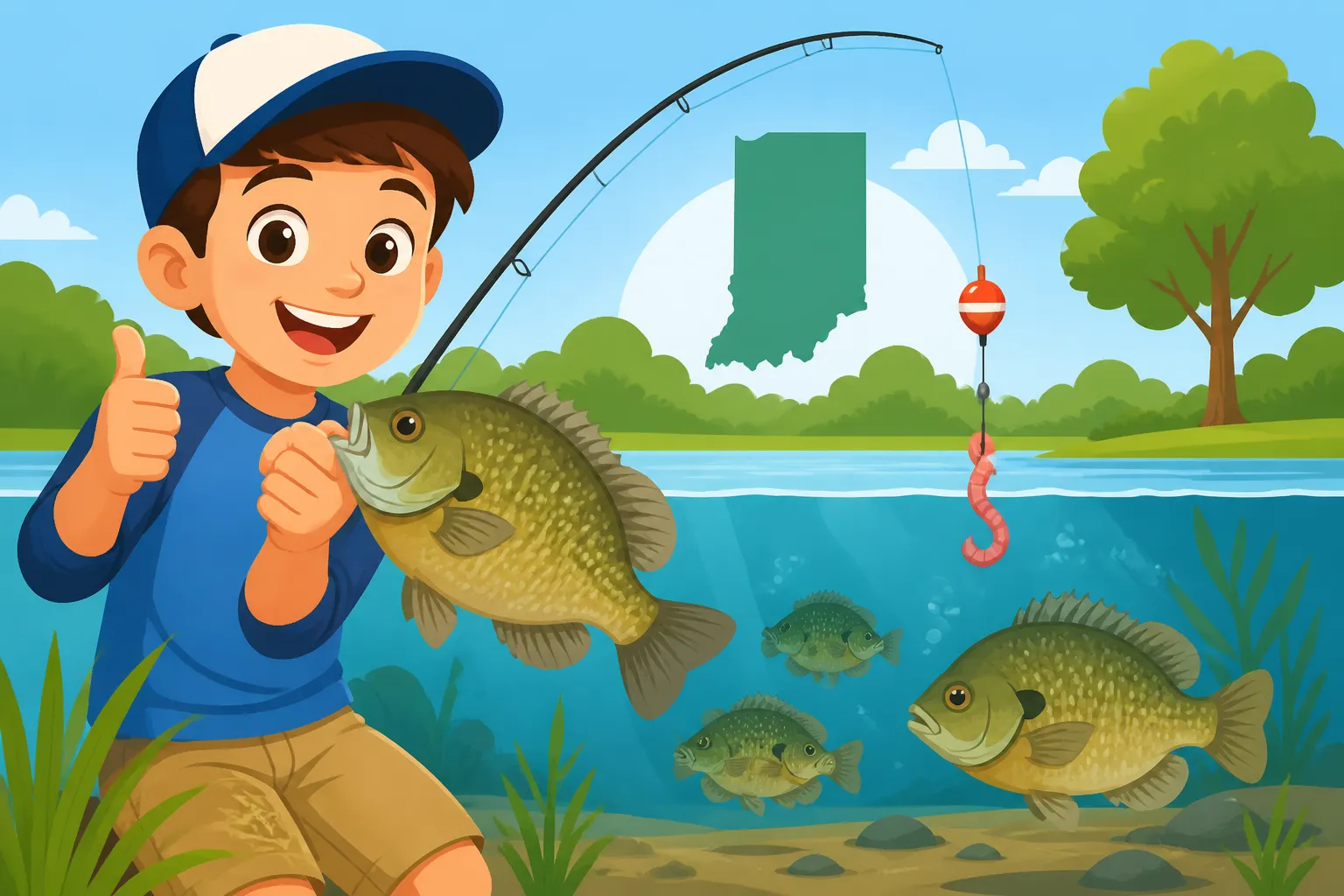
The bobber is your best friend when fishing with kids. It provides a clear visual signal that a fish is biting, eliminating the need for them to "feel" the bite, which can be tricky for beginners. To set up a bobber rig:
- Tie on a hook: Use a simple knot like an improved clinch knot.
- Add split shot: Crimp one or two small split shot weights about 6-12 inches above the hook. This helps the bait sink and keeps it in the strike zone.
- Attach a bobber: Clip a small bobber about 1 to 3 feet above the weights. The depth will depend on how deep the bream are holding, which is often near structure in shallower water. Start shallower and adjust deeper if no bites.
When a fish bites, the bobber will dip, twitch, or go completely under the water. This immediate feedback is incredibly exciting for kids. Teach them to watch the bobber like a hawk and to react quickly when it moves.
Casting and Presentation Tips
For kids using spincast reels, casting is as simple as pressing the button, sweeping the rod forward, and releasing the button. Practice in the backyard first, aiming for targets to build confidence. On the water, focus on gentle casts towards likely bream habitats like lily pads, docks, or submerged logs. Overpowering the cast isn't necessary, and a gentle lob often works best.
Once the bait is in the water, teach your child to watch the bobber intently. If there's no bite after a minute or two, they can gently twitch the rod to move the bait slightly, mimicking a struggling insect. This often triggers a reaction strike from curious bream. Patience is still a virtue, but with bream, patience rarely has to be too long!
Hooking, Fighting, and Landing Fish
When the bobber goes down, the exciting part begins! Teach your child to give a quick, gentle "hook set" by lifting the rod tip straight up. It doesn't need to be a mighty heave; a firm, upward motion is usually enough to drive the small hook home. Then, it's a matter of reeling in steadily, keeping the rod tip up to maintain tension on the line.
For bream, a hand-over-hand reeling motion is usually fine. There won't be much drag screaming, but it’s a good opportunity to explain how a reel works. When the fish gets close to shore or the boat, you can either gently net it or, if it’s a smaller bream, carefully grab the line just above the fish and lift it out of the water. Always be ready to help with hook removal, using your pliers to keep little fingers safe. Remember, safety first, and celebrate every single catch, no matter how small!
Finding the Best Spots for Bream with Kids in Indiana
Finding productive fishing spots is crucial for a successful outing with kids. In Indiana, you're in luck, as bream are widespread and accessible. Focusing on areas that are easy to access and relatively safe will make the experience much more enjoyable for everyone.
Ideal Habitats for Bream
Bream thrive in shallow, warm water, especially those areas with plenty of cover. Think about places where small fish can hide from larger predators and ambush insects. Look for:
- Weed lines: The edges of lily pads, cattails, or submerged aquatic vegetation.
- Fallen trees and brush piles: These provide excellent cover and food sources.
- Docks and piers: Structures that offer shade and hiding spots.
- Creek or river bends: Slower moving water areas with calmer currents and structure.
These spots are often found close to shore, making them perfect for bank fishing. Scout locations beforehand if possible, or use online mapping tools to identify potential hotspots. The more structure, the better your chances of finding a good school of bream.
Shore Fishing vs. Boat Fishing with Kids
For beginners and young children, shore fishing is almost always the preferred method. It eliminates the need for boat handling, is generally safer, and allows kids to move around more freely. Many Indiana state parks and public access sites offer excellent shore fishing opportunities from banks, piers, or designated fishing areas. This can be a great way to introduce them to the sport without the complexities of a boat. Our article on Best Shore Fishing Spots in Indiana offers some fantastic starting points.
If you do have access to a boat and your kids are a bit older or more experienced, boat fishing can open up new opportunities to reach more remote cover. Just remember to prioritize safety with life jackets for everyone on board – always. For more specific advice on where to take the family, check out Best Kid-Friendly Fishing Spots in Indiana.
Top Indiana Locations for Bream
Indiana boasts numerous fantastic locations for bream fishing with kids. Here are a few types of spots to consider:
- Indiana State Parks: Many state parks, like Brown County State Park or Pokagon State Park, have small lakes or ponds that are regularly stocked and offer easy public access. They often have fishing piers, rental boats, and clean facilities, making for a perfect family outing. You can find many options in our guide on Indiana State Parks for Fishing.
- Community Ponds and Reservoirs: Many towns and cities have community ponds specifically managed for fishing. These are typically well-maintained, easily accessible, and teeming with panfish. Larger reservoirs like Monroe Lake or Patoka Lake also have numerous coves and shallow areas that hold abundant bream.
- Farm Ponds: If you have permission from a landowner, farm ponds can be incredible hotspots for bream. They are often less pressured and full of eager fish.
- Small, slow rivers and creeks: Creeks and rivers like parts of the White River or Tippecanoe River can also hold good numbers of bream in calmer sections, especially around downed trees or logjams.
Always check local regulations before heading out, especially regarding bag limits for panfish. While bream are usually plentiful, it’s good practice to know the rules. For example, while not specific to bream, understanding general panfish rules like How Many Crappie Can You Keep in a Day? is always a good idea.
Making it Fun: Beyond Just Catching Fish
While catching fish is definitely a huge part of the fun, a successful fishing trip with kids involves more than just reeling in keepers. It’s about the whole experience, creating memories, and teaching them about nature and responsibility.
Keeping Kids Engaged
Even with active bream, there might be lulls. Have a backup plan to keep kids engaged. Bring snacks and drinks, play simple games like "I Spy," or teach them about the local wildlife they might see—birds, turtles, ducks. Point out different types of leaves or identify sounds. Let them help with simple tasks like baiting their hook (if they're comfortable) or untangling a minor knot (with supervision).
Encourage them to explore nearby (within safe boundaries) and ask questions. The goal is to foster curiosity and a connection to the outdoors, not just to catch dinner. Sometimes, just dipping their toes in the water or skipping rocks can be just as memorable as catching a fish. Remember, the journey is just as important as the destination.
Catch and Release Practices
Bream are excellent table fare, but it’s also a great opportunity to teach responsible angling, especially catch and release. Explain why releasing some fish helps keep the population healthy. Show them how to gently unhook a fish, support its body in the water, and release it safely. This teaches respect for the environment and the fish itself.
Of course, if your family enjoys eating fish, keeping a few for a meal is perfectly fine and part of the tradition. Just make sure to adhere to any Indiana Fishing Regulations and Bag Limits Guide. Learning to clean and prepare their catch can be another exciting part of the experience, connecting the fishing trip directly to the dinner table.
Creating Lasting Memories
The true value of fishing with kids isn't just the number of fish caught, but the moments shared. Take photos, tell stories, and laugh together. Encourage them to talk about their favorite part of the trip. These shared experiences build bonds and create cherished memories that will last a lifetime. Fishing can become a cherished family tradition, a quiet escape, or an exciting adventure depending on the day.
Think of fishing as a classroom without walls. They're learning patience, problem-solving, environmental awareness, and even basic biology. Every cast is an opportunity to learn, and every fish caught (or missed!) is a lesson in resilience. These are the life skills that truly matter, woven into the fabric of a fun day outdoors.
Safety First: Important Considerations for Family Fishing
Any outdoor activity, especially around water, requires a focus on safety. When fishing with children, it's paramount to be prepared and vigilant to ensure everyone has a safe and enjoyable time.
Water Safety and Life Jackets
No matter how calm the water appears, always prioritize water safety, especially with young children. If you are near a boat or any deep water, ensure children wear properly fitted life jackets. Even if you're just fishing from a dock, accidents can happen, and a life jacket provides invaluable peace of mind. Many public fishing spots, especially in state parks, will have rules about life jacket use for children. You can explore options and requirements in our article on Best Life Jacket Sizes for Kids Boating in Indiana.
Teach kids to stay away from the edge of the water unless they are actively supervised. Explain the dangers of slippery banks or unstable footing. A simple rule like "two steps back from the water's edge" can prevent many potential mishaps. Always have a fully charged phone for emergencies.
Sun Protection and Hydration
Fishing often means spending hours outdoors, exposed to the elements. Protect your children from the sun by making sure they wear hats, sunglasses, and apply sunscreen regularly. Reapply sunscreen every couple of hours, especially if they are sweating or getting wet. Lightweight, long-sleeved shirts can also provide excellent sun protection.
Dehydration can quickly turn a fun day into a miserable one. Bring plenty of water and encourage frequent sips. Pack refreshing snacks like fruit or juice boxes. Even on cooler days, hydration is important, so don't overlook it. A small cooler packed with drinks and treats can make a huge difference in maintaining energy and spirits.
Handling Fish and Hooks Safely
Hooks are sharp, and fish can be squirmy! Teach children that hooks are dangerous and should only be handled by an adult, or with extreme caution under direct supervision. When unhooking a fish, use needle-nose pliers to avoid getting hooked yourself or hurting the fish unnecessarily.
Explain to kids that fish can have sharp fins or spines (like some catfish or even bluegill) and should be handled gently but firmly. If they want to touch the fish, guide their hand to the non-spiny parts and explain how to hold it to avoid injury. A wet hand helps protect the fish's slime coat. Instilling respect for the fish and safe handling practices from a young age is an important lesson for any budding angler.
Disclaimer
Please note that fishing regulations, license requirements, and safety guidelines can change. Always consult the official Indiana Department of Natural Resources (IDNR) website or their current fishing guide for the most up-to-date and accurate information before planning your fishing trip. This guide is for informational purposes only and should not replace official state resources.