Best Fishing Spots for Ice Fishing in Indiana
The crisp, silent beauty of a frozen lake, the subtle tap on your line, the promise of a fresh catch — ice fishing in Indiana offers a unique thrill. But let's be honest, finding reliable, safe ice, especially with our notoriously unpredictable Midwestern winters, can be a real challenge. You're not alone in wondering where to even start. This guide is designed to cut through the guesswork, helping you pinpoint the best ice fishing spots across the state and prepare for a successful, safe outing.
Understanding Indiana's Ice Fishing Landscape
Indiana isn't exactly renowned as an ice fishing mecca, and that's okay. We have different challenges and opportunities than, say, our neighbors further north in Michigan or Wisconsin. Our winters can be temperamental, swinging from deep freezes to mild thaws, which makes consistent, safe ice a precious commodity.
Why Ice Fishing Here is Unique
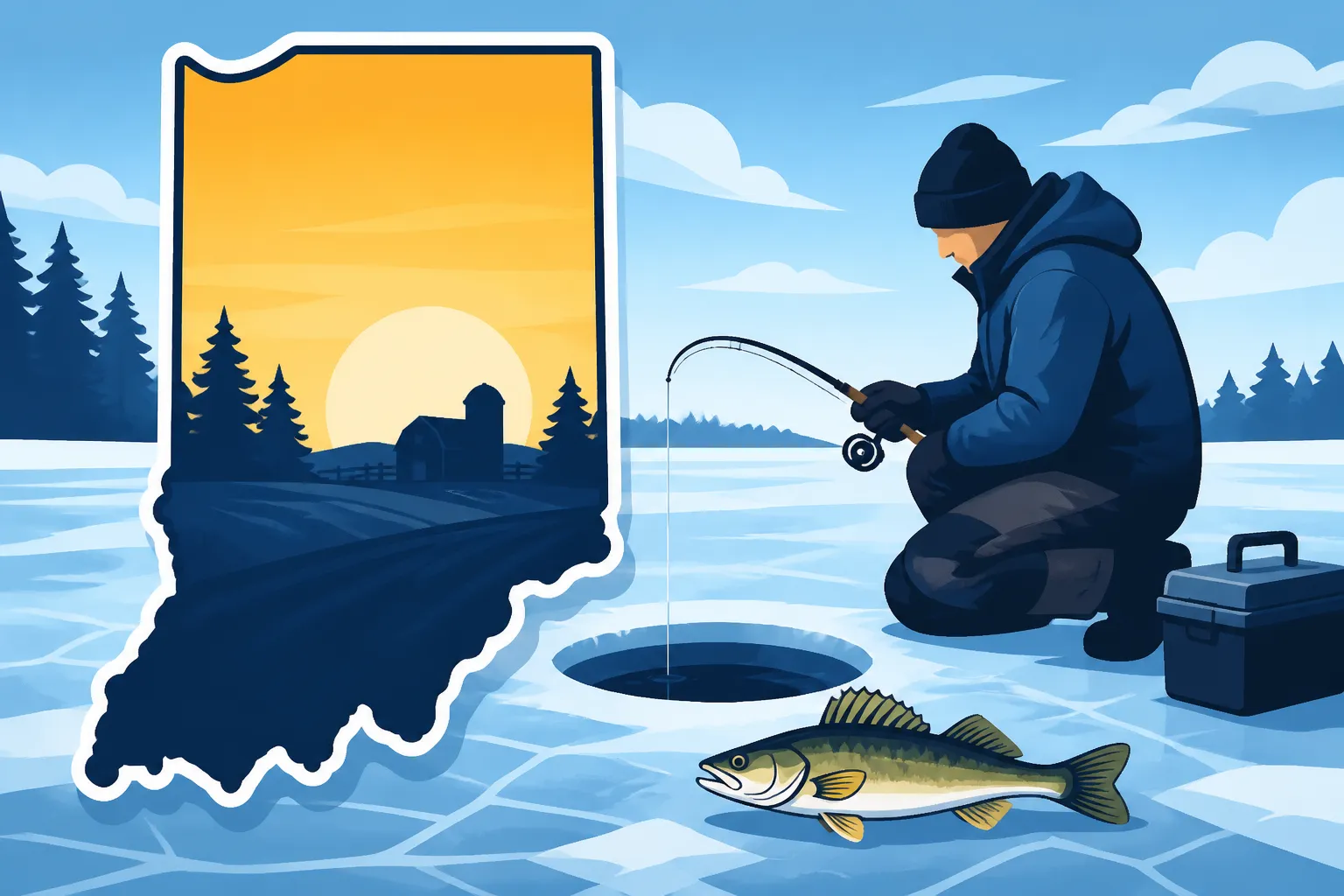
Unlike states with predictable, prolonged cold snaps, Indiana often experiences a "feast or famine" situation when it comes to hard water. This means when we do get solid ice, you'll find a lot of eager anglers making the most of it. The season can be shorter, sometimes only a few weeks of truly safe ice, concentrated mostly in the northern half of the state. This uniqueness means you need to be flexible, quick to act when conditions are right, and always prioritize safety over ambition. You might have to put in a little more legwork to find those prime conditions, but the reward of pulling panfish, walleye, or pike through the ice is absolutely worth it.
Safety First on Indiana Ice
Before you even think about drilling a hole, ice safety has to be your absolute top priority. We've all seen those pictures of people standing on what looks like a sheet of glass, but appearances can be deceiving, especially with Indiana's varied lake compositions and currents. The general rule of thumb from the Indiana Department of Natural Resources (DNR) is to have at least four inches of clear, solid ice for safe foot travel. Anything less, and you're taking an unnecessary risk.
But it's not just about the four-inch minimum. You need to consider the color of the ice (clear blue is strongest, white/snow ice is weaker), the presence of springs or currents, and recent temperature fluctuations. A week of cold weather followed by a sudden warm front can significantly compromise ice integrity, even if it looks thick on the surface. Always drill test holes as you venture out, bring a spud bar to check ahead of you, and never fish alone. Equip yourself with ice picks around your neck, a throwable rope, and always let someone know where you're going and when you expect to return. It sounds like a lot, but a little preparation goes a long way in keeping you safe out there.
Top Ice Fishing Destinations in Northern Indiana
If you're serious about ice fishing in Indiana, your best bet for consistent action and safe ice will almost always be in the northern counties. This region, influenced by Lake Michigan and generally experiencing colder temperatures, boasts a higher concentration of lakes that freeze reliably.
The Glacial Lakes Region: A Northern Gem
When winter truly sets in and holds, the glacial lakes of northeastern Indiana become the undisputed champions for hardwater anglers. Counties like Kosciusko, Steuben, and Noble are home to dozens of natural lakes, many of which offer fantastic opportunities for a variety of species.
- Lake Wawasee (Kosciusko County): As Indiana's largest natural lake, Wawasee is a popular destination. While its size can mean varying ice conditions, when it freezes solid, anglers target bluegill, crappie, yellow perch, and even pike and muskie. Look for structure around the edges and deep-water humps. The bays and shallower areas often freeze first and are good starting points. You'll find plenty of local knowledge at bait shops around Syracuse that can help you understand current conditions. For a deeper dive into the species found here, check out our guide on Lake Wawasee: Indiana's Largest Natural Lake and Its Fish.
- James Lake (Kosciusko County): Known for its excellent muskie population, James Lake also offers ice fishing for panfish and northern pike. Anglers targeting larger predatory fish need heavy gear and patience, but the panfish can be abundant, especially in shallower bays. The challenge here is the muskie, which demands specialized gear and techniques, even through the ice. If you're wondering what makes the muskie here special, read up on What Makes James Lake's Muskie Different From Wawasee's.
- Webster Lake (Kosciusko County): Another fantastic muskie lake, Webster also provides great action for crappie, bluegill, and northern pike. Its irregular shape with numerous bays and coves creates diverse habitats that hold fish through the winter. Ice anglers here often focus on fishing tip-ups for pike and muskie while jigging for panfish nearby.
- Lake George (Steuben County): Located in the "Lake & Fun Capital" of Indiana, Steuben County, Lake George is known for its walleye. While summer walleye fishing is popular, brave ice anglers can find success through the hardwater, especially at dawn and dusk. Panfish are also a common target. If you're interested in walleye regulations, you'll find our article on Walleye Minimum Length Rule helpful, as specific lakes sometimes have unique rules.
These glacial lakes generally offer more consistent ice because of their location and often slightly deeper, clearer waters compared to other regions.
Other Notable Northern Indiana Lakes
Beyond the primary glacial lake counties, other northern Indiana lakes also provide excellent ice fishing opportunities when conditions permit.
- Lake Maxinkuckee (Marshall County): Indiana's second-largest natural lake, Maxinkuckee, can be a fantastic ice fishing spot for yellow perch, crappie, bluegill, and even lake trout if you know where to find them. Its deep, clear waters are beautiful but demand careful attention to ice conditions, especially on the main body of the lake. The shallower coves and the "small lake" section often freeze first and offer safer early-season access.
- Bass Lake (Starke County): Despite its name, Bass Lake is a popular spot for walleye, crappie, and northern pike through the ice. It's a shallower, bowl-shaped lake that can freeze over quite consistently. Local anglers often set tip-ups for pike along weed lines and jig for panfish in deeper basins. Just like Lake George, Bass Lake also has specific walleye regulations you should be aware of, so checking our article on Bass Lake Walleye Length Limit Is Different From the Rest of the State is a good idea.
- Sylvan Lake (Noble County): This lake is a good option for crappie, bluegill, and northern pike. It’s relatively shallow in many areas, leading to quicker freezing and more stable ice once established. It’s a good family-friendly spot that often yields a decent panfish catch.
Always remember that even in the best northern spots, ice conditions can vary. It's crucial to check local reports, talk to bait shops, or even consider booking a guided trip with a local expert through platforms like FishingBooker to ensure you're heading to safe, productive ice.
Southern and Central Indiana: Opportunistic Ice Fishing
While northern Indiana typically offers the most reliable ice fishing, don't count out the central and southern parts of the state entirely. Ice fishing here is more opportunistic, relying on extended periods of severe cold. When these conditions do happen, some excellent fishing can be had, especially for panfish.
Reservoirs and Smaller Lakes When Conditions Allow
Indiana's larger reservoirs, like Monroe Lake, Patoka Lake, or Brookville Lake, are massive bodies of water that generally require a much longer, colder freeze to form safe ice across significant areas. However, under the right conditions, their shallower bays and coves can offer surprising opportunities.
- Monroe Lake (Monroe and Brown Counties): As Indiana's largest inland lake, Monroe is a bass fishing paradise during open water season, but its sheer size makes widespread safe ice rare. During exceptionally cold winters, the shallower coves and arms, particularly on the north and east sides, might offer safe ice for targeting crappie, bluegill, and sometimes yellow perch. Anglers often focus on areas with standing timber or submerged brush. Always confirm local ice conditions before venturing out, as the main body rarely freezes solid enough for safe access. If you're ever looking for general fishing information on this massive lake, our guide on Monroe Lake: Indiana's Largest Lake for Bass Fishing is a great resource.
- Patoka Lake (Dubois, Crawford, and Orange Counties): Similar to Monroe, Patoka is a very large reservoir. Its numerous coves and timbered areas can hold panfish, and during those rare, sustained cold snaps, these protected zones might freeze over. Look for areas away from the main dam or current-influenced zones. Crappie and bluegill are the primary targets here.
- Brookville Lake (Franklin and Union Counties): Known for its excellent walleye and smallmouth bass, Brookville also sees ice fishing during very cold winters. The upper reaches of the lake and calmer bays can provide ice for crappie, bluegill, and sometimes perch. Just like the other large reservoirs, the main body is almost always too dangerous for ice fishing.
The key here is opportunistic. These aren't places you plan an ice fishing trip weeks in advance, but rather places you keep an eye on when a truly bitter cold front settles over the state for an extended period.
Farm Ponds and Smaller Bodies of Water
Don't underestimate the power of smaller, often overlooked bodies of water! Farm ponds, small public fishing access sites, and subdivision retention ponds are frequently the first to freeze and often hold very consistent ice. They also tend to be less affected by currents and large temperature swings.
- Abundant Panfish: These smaller ponds are often teeming with bluegill, crappie, and sometimes even smaller bass. They are fantastic spots for beginners or for those just looking for a quick and easy outing close to home. Because they are smaller, it's often easier to locate fish and the ice is usually more uniform.
- Check Local Regulations: While many farm ponds are private property and require permission, numerous public access ponds exist throughout central and southern Indiana. Always check local DNR regulations for specific ponds regarding allowed species and limits. For an overview of panfish limits, our article on Indiana Panfish Daily Limits by Species can be very helpful.
- Ice Thickness is Easier to Gauge: In general, smaller, shallower ponds will freeze and thaw more uniformly than large lakes. This doesn't mean you can skip safety checks, but it often makes assessing the overall ice thickness more straightforward.
If you're in central or southern Indiana and itching to get out on the ice, these smaller ponds are often your most reliable bet, offering a fun and accessible experience when the mercury really drops.
Essential Gear and Tactics for Indiana Ice Fishing
Getting out on the ice isn't just about finding the right spot; it's also about having the right tools and techniques. You wouldn't go bass fishing with a fly rod, and ice fishing is no different. A little preparation in your gear bag can make all the difference.
Must-Have Ice Fishing Gear
- Auger: This is your primary tool for making holes in the ice. Manual augers are great for thinner ice or for a good workout, but a gas, propane, or electric auger will make quick work of thicker ice and save your energy. For Indiana's often variable ice, an electric auger like those from brands such as ION or Strikemaster are becoming increasingly popular due to their quiet operation and efficiency.
- Ice Fishing Rods and Reels: These are shorter, stiffer rods (often 24-36 inches) designed for jigging and fighting fish in a confined space. Pair them with small spinning reels spooled with light monofilament or fluorocarbon line, typically 2-6 lb test.
- Ice Skimmer and Spud Bar: A skimmer removes ice chips from your hole. A spud bar is a safety essential, used to test ice thickness as you walk, tapping ahead to ensure solid ice.
- Portable Shelter and Heater: While not always necessary, a portable pop-up shelter offers protection from wind and cold, making your time on the ice much more comfortable. Pair it with a small, portable propane heater (like a Mr. Heater Buddy) for warmth. Ensure proper ventilation to avoid carbon monoxide buildup.
- Warm Clothing: Layers, layers, layers! Waterproof outer shells, insulated boots, warm gloves, and a hat are non-negotiable. Hypothermia is a real danger.
- Electronics: A good portable fish finder (flasher or sonar) can show you depth, fish activity, and even your bait, making you much more efficient. Brands like Vexilar and Marcum are mainstays in the ice fishing world.
Targeting Popular Indiana Ice Fish
The species you'll target often dictate your specific tactics. Here's a quick rundown of common Indiana ice fish:
- Crappie: These popular panfish are often found suspended over deeper basins or near submerged brush piles. Small jigs (1/32 to 1/16 oz) tipped with a minnow, waxworm, or soft plastic grub are deadly. Look for vertical schools on your fish finder. For more on catching crappie, our article on Crappie and Panfish Fishing Techniques for Beginners offers valuable insights.
- Bluegill: Abundant in most Indiana lakes and ponds, bluegill are often found shallower, near weed lines or bottom structure. Tiny jigs (1/64 to 1/32 oz) with waxworms, spikes, or even small artificial baits are highly effective. They have a softer bite, so watch your bobber carefully.
- Yellow Perch: Often found schooling near the bottom in moderate depths, perch respond well to small jigging spoons or tungsten jigs tipped with a grub or minnow head. They can be finicky but once you find a school, the action can be fast and furious.
- Walleye: A prized catch through the ice, walleye are typically found deeper, often relating to points, humps, or main lake basins. Jigging spoons, blade baits, or lipless crankbaits, often tipped with a minnow head, are popular choices. Tip-ups set with larger shiners or suckers can also be effective, especially at dawn, dusk, and even into the night. Check out Best Months for Walleye Fishing in Indiana's Glacial Lakes for seasonal tips.
- Northern Pike: These toothy predators are a blast on tip-ups. Set large shiners, suckers, or dead baitfish just off the bottom or suspended near weed edges. Be ready for a fight and bring a strong set of pliers or a jaw spreader for safe hook removal! For details on their unique characteristics, read our Northern Pike Identification: Light Spots on a Dark Body guide.
Remember, fish activity can slow down significantly in cold water. Often, subtle presentations and small, flashy baits are more effective than aggressive jigging.
How to Stay Informed About Ice Conditions
Staying informed about ice conditions is not just a suggestion; it's a necessity for ice fishing in Indiana. The safety and success of your trip hinge on having the most current and accurate information.
Local Bait Shops and Online Resources
Your local bait shop is your best friend when it comes to ice fishing. These folks are on the ground, often talking to anglers coming off the ice daily, and they usually know which lakes are safe and producing. They can tell you about recent catches, effective baits, and dangerous areas to avoid. Many shops also post updates on their social media pages.
Beyond local shops, several online resources can be valuable:
- Indiana DNR Website: While they won't give hyper-local, daily ice reports, the DNR website provides general guidelines and safety advice. They also list public access sites.
- Fishing Forums and Social Media Groups: Online fishing communities specific to Indiana can be a goldmine of information. Search for Facebook groups or forums dedicated to Indiana ice fishing where anglers share real-time reports and photos. Just remember to take everything with a grain of salt and always verify information for yourself.
- Guided Trips: If you're new to an area or unsure about conditions, consider booking a guided ice fishing trip. Local guides know the lakes inside and out, can ensure your safety, and significantly increase your chances of success. Platforms like FishingBooker allow you to find experienced local guides who specialize in ice fishing and can provide up-to-the-minute details on safe access and productive spots. This is especially useful for those looking to explore a new lake or target a specific, challenging species like walleye or muskie through the ice.
Personal Responsibility and Pre-Trip Checks
No matter how many reports you read or how many experts you consult, the ultimate responsibility for your safety lies with you. Always perform your own pre-trip checks:
- Check the Forecast: Look at current and past temperatures. Has there been a prolonged cold snap, or has it warmed up recently? Rain or snow can also affect ice integrity.
- Observe the Access Point: When you arrive at the lake, observe the ice near the access point. Are there other anglers out? How are they getting onto the ice? Look for open water, pressure cracks, or areas where ice may be melting.
- Drill Test Holes: As mentioned, drill test holes frequently as you venture out, especially when moving to new areas. Ice thickness can vary dramatically even within a short distance.
- Have a Plan B: If conditions don't look safe, or if you arrive and the ice feels unstable, don't risk it. Have a backup plan, whether that's hitting a smaller, safer pond or postponing your trip. No fish is worth your life or serious injury.
By combining reliable local information with your own careful observations and safety protocols, you can maximize your chances of a memorable and safe ice fishing adventure in Indiana.
Here's a quick comparison of some popular Indiana ice fishing spots:
| Lake Name | County | Primary Species for Ice Fishing | Typical Ice Conditions | Notes |
|---|---|---|---|---|
| Lake Wawasee | Kosciusko | Bluegill, Crappie, Perch, Pike | Good, can vary in open water | Largest natural lake, excellent for panfish in bays. |
| James Lake | Kosciusko | Muskie, Pike, Panfish | Good | Known for trophy muskie, often good panfish too. |
| Webster Lake | Kosciusko | Crappie, Bluegill, Pike, Muskie | Good | Diverse structure, good for a mixed bag. |
| Lake George | Steuben | Walleye, Panfish | Good, consistently freezes | Excellent walleye potential, especially dawn/dusk. |
| Lake Maxinkuckee | Marshall | Perch, Crappie, Bluegill | Variable, coves freeze well | Deep, clear lake; target coves and "small lake" section. |
| Bass Lake | Starke | Walleye, Crappie, Pike | Good, generally consistent | Shallower lake, good for pike and panfish along weed lines. |
| Sylvan Lake | Noble | Crappie, Bluegill, Pike | Good | Relatively shallow, good for consistent panfish action. |
| Monroe Lake (Bays) | Monroe/Brown | Crappie, Bluegill, Perch | Opportunistic (very cold) | Main body rarely safe; focus on shallow, sheltered coves. |
| Patoka Lake (Bays) | Dubois/Crawford | Crappie, Bluegill | Opportunistic (very cold) | Huge reservoir; target upper arms and protected bays when ice forms. |
| Farm Ponds | Statewide | Bluegill, Crappie, Bass | Excellent, often first to freeze | Check for public access; great for beginners and consistent panfish action. |
Disclaimer
Fishing conditions and regulations in Indiana can change rapidly. Always check the latest Indiana Department of Natural Resources (DNR) regulations before heading out. This guide is for informational purposes only, and anglers are solely responsible for their own safety and adherence to all local and state laws. Always prioritize ice safety and never take unnecessary risks.