Best Fishing Spots to Catch Walleye After Dark
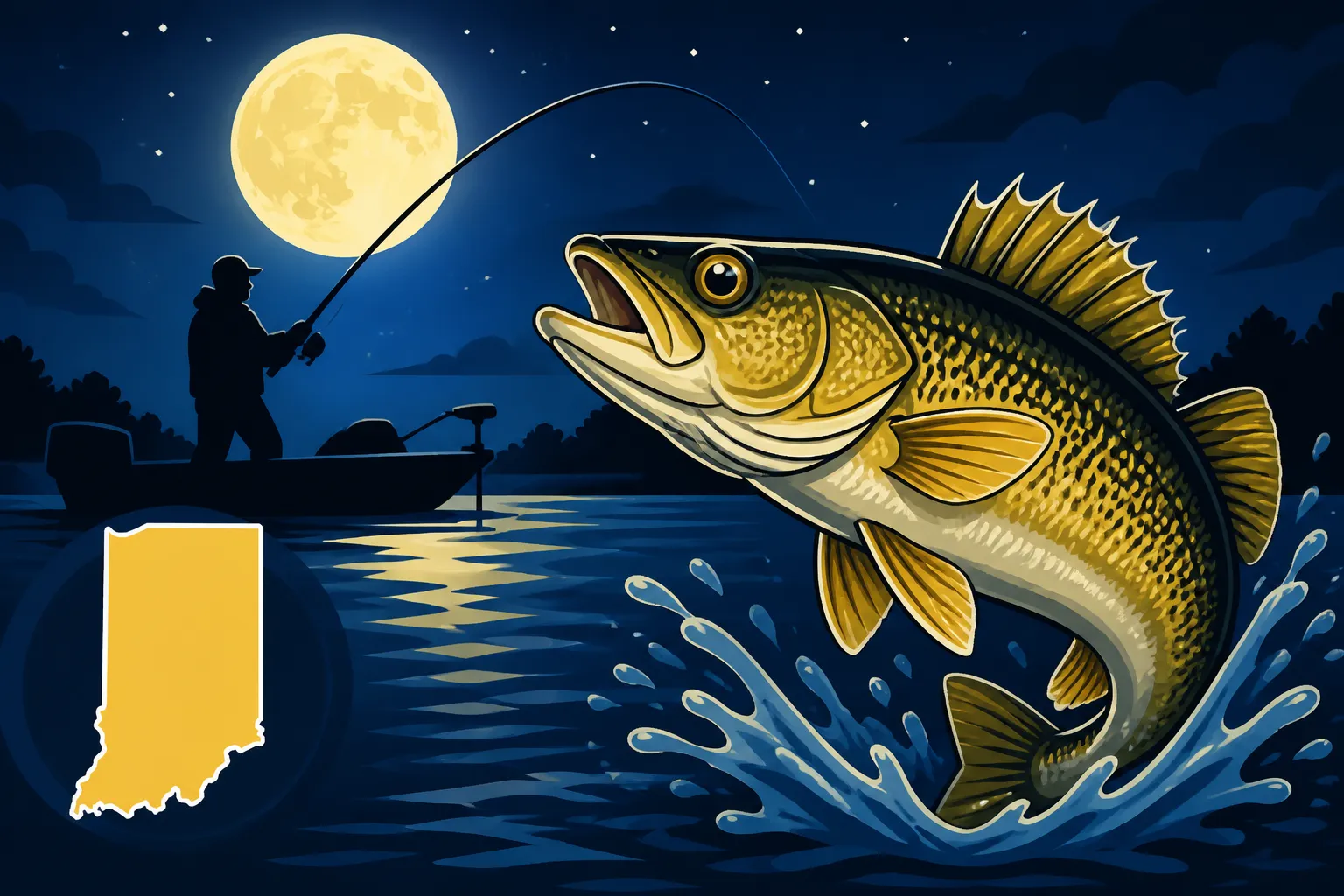
Sometimes, after a long day of work, the idea of getting out on the water and unwinding is incredibly appealing, but the daylight hours are just too short, or the weekend crowds are too much to bear. Many anglers find themselves frustrated by the daytime heat and boat traffic, or the sheer difficulty of enticing a bite from wary walleye under a bright sun. Thankfully, the cover of darkness often presents a golden opportunity, transforming familiar fishing spots into prime nocturnal hunting grounds for Indiana's elusive walleye, and this guide will walk you through where and how to tap into that after-hours action.
Why Walleye Love the Night Shift
Walleye aren't just nocturnal by preference; it's a deeply ingrained predatory strategy that allows them to thrive. Understanding why they come out at night is the first step to figuring out where and how to catch them. It's not just about flipping a switch when the sun goes down; it's a complex interplay of biology, environment, and opportunity that defines their nighttime movements.
Low Light, High Advantage for Walleye
Imagine trying to hunt with incredibly sensitive eyes in bright sunlight. That's essentially what walleye deal with. Their large, light-sensitive eyes are specially adapted with a reflective layer called the tapetum lucidum, which allows them to see exceptionally well in low-light conditions. During the day, bright sunlight forces them into deeper, darker waters or tight cover to protect their eyes. But when dusk settles, and especially after dark, they gain a distinct advantage over their prey, which often includes smaller fish that rely on good visibility to escape. This is when walleye become ambush predators, moving into shallower feeding zones where they can use their superior night vision to hunt effectively.
This shift means that the same areas that were quiet during the day can suddenly become alive with feeding activity as walleye move up from their daytime haunts. They might be lurking near weed lines, submerged timber, or rocky points that are too exposed during the day. This natural advantage is why night fishing for walleye can be so incredibly productive, turning frustration into triumph for those who brave the darkness.
Cooler Waters, Active Metabolism
Beyond light sensitivity, water temperature plays a crucial role in walleye behavior, especially as the seasons change. During the peak of summer, when surface waters can reach uncomfortable temperatures for cold-blooded fish, walleye often retreat to cooler, deeper thermoclines during the day. However, as the sun sets, the shallower waters begin to cool, making these areas much more appealing for feeding. The metabolic activity of walleye is tied to water temperature, and while they can tolerate warmer water, optimal feeding often occurs in slightly cooler conditions.
This isn't just about comfort; it's about energy expenditure. Hunting in cooler, shallower water at night allows them to feed more efficiently without expending excessive energy in warmer conditions. This nocturnal migration to cooler, shallower feeding grounds is particularly noticeable in large reservoirs and lakes, where distinct thermal layers exist. When the sun goes down, that uncomfortable surface layer dissipates, and the walleye feel much more comfortable moving up to chase baitfish. Understanding this temperature preference can help you predict their movements and position yourself in the right areas as the evening progresses.
Prime Indiana Waters for Night Walleye
Indiana might not always be the first state that comes to mind for walleye, but we have some fantastic opportunities, especially if you're willing to venture out after dark. The key is knowing which waters hold good populations and which structures they gravitate towards when the lights go out. From the northern glacial lakes to the larger central reservoirs, there are diverse options for chasing these elusive fish.
Northern Indiana's Glacial Lakes
When it comes to walleye fishing in Indiana, the northern part of the state, particularly the "glacial lakes" region, is often your best bet. These lakes, carved by ancient glaciers, are typically deeper, clearer, and offer the kind of structure and forage that walleye love. And many of them truly shine after sunset.
- Lake Wawasee: As Indiana's largest natural lake, Lake Wawasee offers extensive opportunities. After dark, walleye will often move onto the shallow flats adjacent to deeper drop-offs or around the many weed lines and submerged structures. Look for areas with current or transitions from hard bottom to soft. The bays and points that are too busy during the day become prime feeding zones at night. This lake is well-known for producing good numbers of walleye, and its size means there's always a new spot to explore.
- Webster Lake: Webster is a consistent producer for walleye and is a fantastic choice for night fishing. The walleye here often relate to the extensive weed beds, humps, and submerged islands. As darkness falls, they'll push up onto the edges of these structures, often into surprisingly shallow water, to ambush baitfish. Fishing the transition zones where a deep channel meets a shallow flat can be incredibly productive.
- Tippecanoe Lake: This is another deep, clear lake in northern Indiana that offers excellent walleye fishing. Similar to Wawasee and Webster, target prominent points, humps, and the edges of expansive weed beds. During the day, walleye might be suspended over deeper water, but at night, they'll often move much closer to shore or onto shallower flats to feed. The channels connecting different basins can also be hotspots, as baitfish are often funneled through these areas.
- Steuben County Lakes: This region boasts several excellent walleye lakes, including Lake James, Lake George, and Lake Gage. These lakes often have clear water and rocky or gravel bottoms, which walleye prefer for feeding and spawning. After dark, focus on rocky points, steep breaks, and areas where currents might concentrate baitfish. Many of these lakes have specific walleye length limits, so be sure to check the current Walleye Minimum Length North of State Road 26 regulations before you head out. These smaller, quieter lakes can offer some incredible night fishing experiences without the heavy boat traffic of the larger bodies of water.
Central and Southern Indiana Reservoirs
While the northern glacial lakes are generally more renowned for walleye, central and southern Indiana also offer some good opportunities, particularly in our larger reservoirs. These impoundments, while different in character, can still provide exciting night walleye action.
- Brookville Lake: Located in southeastern Indiana, Brookville Lake is perhaps the premier walleye fishery in the southern half of the state. The DNR actively stocks walleye here, leading to a healthy population. At night, target the large flats, main lake points, and areas around the old creek channels. Walleye in Brookville will often move shallow over vast mud flats or onto gravel bars to hunt. The tailwaters below the dam can also be a productive spot after dark, drawing walleye attracted to the turbulent water and concentrated baitfish. Remember that Walleye Minimum Length South of State Road 26 in Indiana rules apply here, which can sometimes differ from the northern regulations.
- Mississinewa Lake: This large reservoir near Peru also holds a decent walleye population. While not as heavily stocked as Brookville, Mississinewa offers plenty of submerged timber, creek channels, and expansive flats where walleye can roam. Night fishing here often involves trolling crankbabaits over shallower flats or casting jigs around timber-laden points. It can be a bit more challenging than the clearer northern lakes, but the rewards can be substantial for persistent anglers.
- Salamonie Lake: Another one of the central Indiana flood control reservoirs, Salamonie Lake is known for a diverse fishery, including walleye. Similar to Mississinewa, focus on the submerged creek channels, main lake points, and any significant structure such as old roadbeds or rock piles. Night fishing here will typically involve slower presentations, whether jigging or trolling, near these defined underwater features.
River Systems for Nocturnal Walleye
Don't overlook Indiana's rivers for some excellent night walleye fishing. River walleye behave a bit differently than their lake counterparts, often using current breaks and ambush points created by structure.
- Tippecanoe River: The Tippecanoe River, particularly the stretches between lakes, offers consistent walleye fishing. At night, walleye will often move into shallower eddies, behind log jams, or into slower currents adjacent to faster flows to ambush bait. Look for current seams, bridge pilings, and any significant drop-offs. Fishing from shore near access points or by boat in navigable sections can both be productive.
- St. Joseph River (South Bend area): The St. Joseph River in northern Indiana, especially around the South Bend area, is a fantastic river for walleye. The numerous dams and rapids create excellent current breaks and oxygenated water, drawing in both walleye and their prey. At night, walleye will congregate below dams, in deeper holes, and along current seams. Casting stickbaits or jigs into these areas can yield impressive results. This river offers some of the Best Walleye Fishing in Indiana for anglers who enjoy a moving water challenge.
- Wabash River: While more famous for catfish, the Wabash River does hold walleye, particularly in its clearer, rockier upper stretches and below dams. Night fishing here involves targeting current breaks, deep holes, and rock formations. It requires a bit more exploration, but if you're local to the area, it can be a rewarding pursuit.
Techniques and Tactics for After-Dark Walleye
Catching walleye after dark isn't just about finding the right spot; it's about adapting your techniques and gear to the unique challenges and opportunities that nighttime presents. Everything from your tackle selection to your safety precautions needs to be dialed in for success in the dark.
Essential Gear for Night Walleye
Fishing at night requires a few extra items to ensure comfort, safety, and effectiveness. You can't just use your daytime setup and expect the same results.
- Rods and Reels: While your standard medium-light to medium-heavy spinning or baitcasting setups will work, consider rods with slightly softer tips for detecting subtle bites in the dark. Walleye often "mouth" baits gently before fully committing, and a sensitive rod can make all the difference. For jigging, a 6'6" to 7' fast-action rod is ideal. For trolling, longer, more moderate action rods are preferred.
- Line: Fluorocarbon leader or mainline is excellent due to its low visibility and sensitivity. Braid can also be used for its strength and zero stretch, but always pair it with a fluorocarbon leader. Light lines, typically 6-10 lb test, are usually sufficient for walleye, but you might bump it up slightly if fishing around heavy cover.
- Lighting: This is non-negotiable. A good quality headlamp with a red light option is crucial. The red light preserves your night vision better than white light, which is important when you need to switch between tying a knot and scanning the water. Having a spare headlamp or flashlight is also a smart move. For boaters, ensure all navigation lights are in perfect working order. Many anglers also use small, battery-powered clip-on lights for their rod tips to help detect bites. Check out guides on the Best Headlamps for Night Fishing on Indiana Lakes for specific recommendations.
- Landing Net: A large, rubberized landing net is essential for safely landing walleye at night. The rubber coating protects the fish's slime coat (important for release) and prevents hooks from getting tangled. Trying to hand-land a thrashing walleye with treble hooks in the dark is a recipe for disaster.
- Electronics: A reliable fish finder with GPS and mapping capabilities is invaluable, especially on unfamiliar waters or when navigating in the dark. It helps you identify submerged structure, locate baitfish, and stay on your desired depth contours. Many modern units offer excellent low-light displays. If you’re looking to upgrade, consider resources like the Best Fish Finders for Indiana Lake Fishing.
- Warm Clothing: Even on warm summer days, nights can get chilly on the water. Dress in layers, including waterproof outerwear, to stay comfortable and focused.
Top Baits and Lures for Darkness
Walleye rely heavily on scent and vibration in low light, so your bait and lure choices should reflect that. Flash, noise, and profiles that mimic common baitfish are key.
- Jigs: Jigs are incredibly versatile. Tipping a jig with a live minnow, a piece of nightcrawler, or a scented soft plastic (like a Berkley Gulp! Minnow or a Z-Man StreakZ) can be deadly. Colors like black, blue, purple, and chartreuse are often effective at night because they create a strong silhouette or glow, but don't shy away from natural minnow patterns. Walleye Jigging Techniques are crucial to master for effective night fishing.
- Crankbaits: Trolling or casting crankbaits is a fantastic way to cover water and entice a reaction strike. Choose baits that run at the depth you're targeting and have a good rattle to create vibration. Deep-diving crankbaits in dark colors (black, blue, purple) or glow-in-the-dark patterns are excellent. Brands like Rapala, Reef Runner, and Bandit make popular walleye crankbaits. The flash of a silver or gold crankbait can also be surprisingly effective under moonlight or even ambient light from shore.
- Live Bait: Minnows are king for walleye. Shiner minnows or fatheads fished on a slip-bobber rig, a Lindy Rig, or jigged gently are tough to beat. Nightcrawlers are also highly effective, especially on a crawler harness (spinner rig) or fished on a simple bottom rig. The scent and natural movement of live bait are irresistible to nocturnal walleye.
- Blade Baits: These vibrating metal lures can be highly effective, especially when jigged vertically or cast and retrieved with a lift-and-drop motion. The intense vibration and flash can draw in walleye from a distance in the dark.
- Spinner Rigs/Crawler Harnesses: Trolled slowly behind a bottom bouncer, these rigs with spinners and nightcrawlers create flash and scent that walleye key in on. They are particularly effective when walleye are spread out over flats.
Navigating and Safety Considerations
Safety should always be your top priority, especially when fishing after dark. The water can be unforgiving, and obstacles are much harder to see.
- Know Your Water: If possible, fish a location during the day first to familiarize yourself with hazards like submerged stumps, rock piles, or shallow areas. This reconnaissance can save you from a dangerous situation at night.
- Navigation: Use your GPS and mapping software religiously. Mark safe channels, hazards, and your intended fishing spots. Don't rely solely on visual cues in the dark.
- Lights: Ensure all boat navigation lights are fully functional and turned on. Have extra flashlights and batteries readily accessible.
- Personal Flotation Devices (PFDs): Everyone on board should wear a PFD, especially when moving the boat or when there's any risk of falling overboard. It's much harder to rescue someone in the dark. Check Indiana's Life Jacket Requirements for Every Boater to ensure you're compliant.
- Buddy System: Whenever possible, fish with a buddy at night. There's safety in numbers, and an extra set of hands is always helpful, whether it's for landing a fish or in an emergency.
- Weather Check: Always check the weather forecast before heading out for a night trip. Conditions can change rapidly, and being caught in a storm in the dark is extremely dangerous.
Beyond the Spots: Understanding Walleye Behavior at Night
Knowing where to go is just one piece of the puzzle. Understanding how walleye utilize structure and react to different conditions after dark will significantly increase your success. They don't just randomly swim around; their movements are calculated and opportunistic.
Structure and Depth: Where Walleye Position Themselves After Dark
Walleye are heavily tied to structure, and this doesn't change when the sun goes down, though which structures they use might. Their movements are often a transition from their daytime holding patterns to their nocturnal feeding grounds.
- Shallow Flats: This is often the prime nighttime zone. Walleye will move up from deeper main lake basins or channels onto expansive shallow flats, especially those with some vegetation, gravel, or isolated rock piles. They patrol these areas looking for schools of baitfish that have also moved up from deeper water. Trolling crankbaits or casting jigs across these flats can be incredibly effective. Focus on flats adjacent to sharp drop-offs, as these serve as highways for walleye moving between deep and shallow water.
- Points and Humps: Any point that extends into deeper water or a submerged hump can be a magnet for walleye, day or night. At night, they will often position themselves on the shallower tops or along the edges of these structures, waiting to ambush prey. These are classic ambush spots where walleye can quickly dart out from cover or deeper water to strike. Consider current-swept points on rivers or reservoirs, as these areas concentrate bait.
- Weed Lines and Submerged Timber: Healthy weed lines offer both cover for walleye and refuge for baitfish. After dark, walleye will often cruise the outer and inner edges of these weed beds, picking off unsuspecting prey. Submerged timber, such as old standing trees or brush piles, offers similar ambush opportunities. These structures are often overlooked by daytime anglers due to their difficulty, but they can be goldmines at night.
- Transition Zones: Pay close attention to areas where different types of bottom meet – rock to mud, sand to gravel, or where hard-bottom breaks into weeds. These transition zones often hold a diverse range of forage and offer walleye a varied hunting ground. These are also prime areas to perform Walleye Trolling Techniques or to focus your casting.
Reading the Conditions: Moon Phase, Weather, and Water Clarity
Just like daytime fishing, night fishing for walleye is heavily influenced by environmental conditions. Paying attention to these factors can help you predict activity levels and adjust your approach.
- Moon Phase: Many anglers swear by moon phases for night walleye fishing. Generally, a full moon provides more ambient light, which can make walleye more aggressive and willing to chase fast-moving baits. However, some believe a bright moon pushes them deeper or makes them more wary, preferring dark-of-the-moon nights where their low-light advantage is maximized. The truth is often somewhere in the middle; walleye will bite during all moon phases, but their feeding windows or preferred depths might shift. Experimentation is key.
- Cloud Cover and Weather Fronts: Overcast nights can be fantastic for walleye, as the lack of direct moonlight can encourage them to roam even shallower. A stable weather pattern, or the night before a cold front moves in, often brings increased activity. Walleye can sense changes in barometric pressure and will often feed heavily before a significant weather change. Conversely, fishing immediately after a strong cold front can be challenging, as the fish often become lethargic and less willing to bite.
- Water Clarity: Walleye thrive in somewhat turbid or stained water, as this further enhances their low-light vision advantage over prey. Extremely clear water can make them more cautious, even at night, though they will still feed. In very clear lakes, focus on the darkest nights or areas with more natural cover. In stained water, noise and scent become even more important for attracting strikes.
By combining your knowledge of these prime Indiana fishing spots with effective techniques, proper gear, and an understanding of walleye behavior after dark, you'll be well on your way to enjoying some incredible nocturnal angling adventures. Don't be afraid to try out different locations, and if you're ever looking for a local guide to show you the ropes, services like FishingBooker can help connect you with experienced professionals who know these waters inside and out. They can be an invaluable resource, especially for tackling complex techniques like those mentioned in How to Catch Walleye at Night.
Here’s a quick overview of some top spots and target depths for night walleye in Indiana:
| Lake/River System | Primary Walleye Habitat at Night | Recommended Depth Range (Feet) | Key Features to Target |
|---|---|---|---|
| Lake Wawasee | Shallow flats, weed lines, humps near drop-offs | 5-15 | Outside weed edges, main lake points, hard-to-soft transitions |
| Webster Lake | Submerged humps, deep weed lines, near main channel | 8-20 | Humps, deep weed flats, structure along channels |
| Tippecanoe Lake | Points, humps, transitions near deep basins | 10-25 | Rocky points, drop-offs, connecting channels |
| Steuben County Lakes (e.g., Lake James, George) | Rocky points, steep breaks, gravel bars | 6-18 | Rocky points, steep breaks, access to deep water |
| Brookville Lake | Large flats, main lake points, creek channels | 5-15 | Submerged creek channels, gravel bars, bluff ends |
| Mississinewa Lake | Submerged timber, main lake points, flats | 8-18 | Old roadbeds, timbered points, shallower flats |
| Tippecanoe River | Current breaks, eddies, log jams, deep holes | Varies with river flow | Seams, bridge pilings, log jams, deep bends |
| St. Joseph River | Below dams, current seams, deeper pools | 5-20 (pools/eddies) | Dam tailwaters, current breaks, deep pockets |
Remember to always consult the Indiana DNR for the most current regulations, including any specific length or bag limits for walleye, as these can vary by water body and often involve separate rules like the Indiana Walleye Length Limits by Lake.
Disclaimer
Please remember that fishing regulations, conditions, and fish behavior can change. Always check the latest Indiana Department of Natural Resources (DNR) regulations before heading out. Fishing involves inherent risks, so prioritize safety, especially when fishing after dark.