White River Catfish Fishing Spots Near Indianapolis
Finding those truly great fishing spots, especially for something as rewarding as catfish, can feel like hunting for buried treasure, particularly when you're casting lines near a bustling city like Indianapolis. You know the White River flows right through the heart of it, but knowing where to drop a line for the best chance at a hefty flathead or a feisty channel cat? That's the real challenge. It's frustrating to drive around, guessing at access points, only to find yourself in a crowded, unproductive area. This guide is here to cut through that frustration, pinpointing some of the best White River catfish fishing spots near Indianapolis and giving you the lowdown on how to approach them effectively.
Understanding White River Catfish in the Indianapolis Area
The White River, as it meanders through and around Indianapolis, offers a surprisingly robust fishery, especially for various catfish species. It’s not just a scenic backdrop; it’s a living, breathing ecosystem that supports a healthy population of these bottom-dwelling giants. Knowing what you're up against and where they like to hang out is the first step to a successful outing.
Species of Catfish You'll Encounter
When you're targeting catfish in the White River near Indianapolis, you're primarily looking at three main species, each with its own characteristics and preferred habitats. Getting to know them will help you tailor your approach.
First up, and probably the most common, are the Channel Catfish. These guys are plentiful, known for their olive-green to gray bodies, often with dark spots when young, and their deeply forked tails. They're opportunistic feeders and can be found almost anywhere in the river, from deeper holes to current breaks. They're a blast to catch, putting up a decent fight on lighter tackle, and they make for excellent table fare. You'll find them ranging from pan-sized eaters to respectable five to ten-pounders, with larger ones definitely in the mix. If you're looking to learn more about identifying these whiskered wonders, check out our guide on Channel Catfish Identification: Spots and Forked Tail.
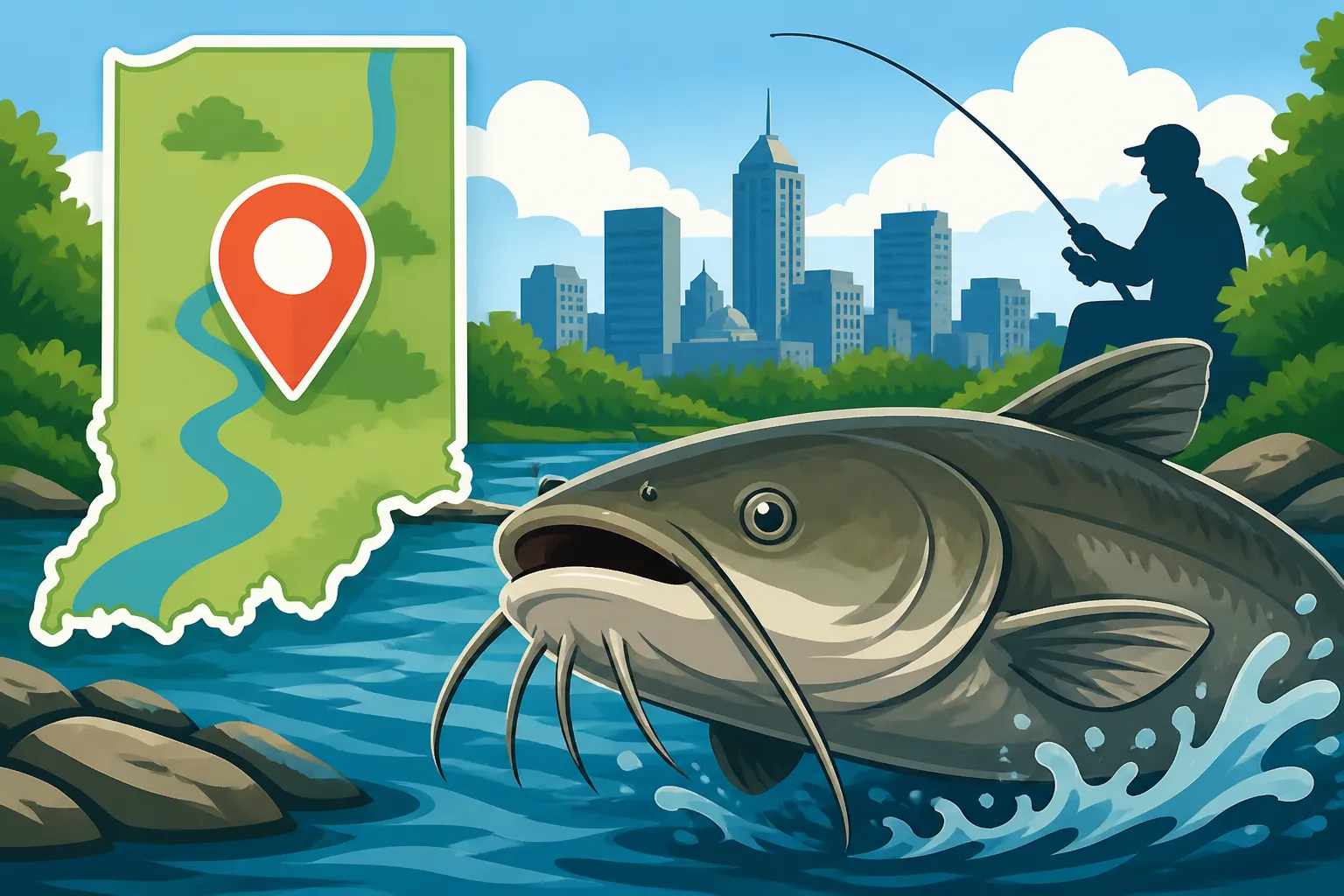
Next, we have the mighty Flathead Catfish. These are the true trophies of the White River. Flatheads are easily identifiable by their broad, flattened heads, lower jaw that protrudes past the upper, and their mottled brown to yellow-brown coloring. Unlike channel cats, flatheads are ambush predators, preferring live bait and often lurking in heavy cover like log jams, undercut banks, and deep scour holes. They can grow to impressive sizes, with specimens well over 20 pounds being caught regularly, and true monsters exceeding 40 or 50 pounds existing within these waters. They're a different challenge entirely, requiring heavier gear and a lot more patience, but the reward is immense.
Finally, though less common in the immediate Indy stretch but still present, are the Blue Catfish. These resemble channel catfish in shape but lack the spots and often have a bluish-gray color. They also grow to enormous sizes, often even larger than flatheads in certain fisheries, though the White River's blue cat population, while present, isn't as dominant as its channels and flatheads. They tend to prefer larger, deeper river systems, often in strong currents, and will readily take cut bait.
Prime Catfish Habitats in the River
Understanding where these fish live is paramount to finding them. Catfish aren't just randomly distributed throughout the river; they have preferred structures and conditions that make them feel safe, offer ambush points, or provide access to food.
The White River's structure near Indianapolis is a mix of urban and semi-natural environments. Look for deeper holes and pools, especially those formed on the outside bends of the river. These areas often have slower currents, providing a resting place for fish and allowing bait to settle effectively on the bottom. Current breaks are another fantastic spot. This could be anything from a large submerged log, a rock pile, or an eddy behind a bridge pilings. Catfish, particularly flatheads, will sit just out of the main current, conserving energy while waiting for food to wash by.
Log jams and fallen trees are absolute magnets for flatheads. These tangled messes provide perfect ambush cover and a sense of security for large predators. Fishing these spots can be challenging due to snags, but the payoff can be huge. Undercut banks are also prime real estate, offering shade, cover, and often deeper water right against the bank. Similarly, bridge pilings and rip-rap areas (sections of bank reinforced with rocks) provide structure and current breaks that attract baitfish, and in turn, catfish. During periods of high water or after heavy rains, the river can become muddy, and catfish often move closer to the banks or into quieter backwaters where they can still find food. Our guide on How to Fish Muddy Water After a Storm offers more specific tips for these conditions.
Top White River Catfish Fishing Spots Near Indianapolis
While the White River flows for miles, certain stretches and access points near Indianapolis consistently produce good catfish action. These spots offer a mix of bank access and areas suitable for small boats or kayaks. Remember, river levels can fluctuate greatly, so always check conditions before heading out. For a broader look at river fishing, you might also find our guide on Fishing the White River in Indiana helpful.
White River State Park and Downtown Access
This area, right in the heart of Indianapolis, might surprise you with its fishing potential. While it's a bustling urban park, the river here holds some excellent catfish.
White River State Park itself, particularly the stretch near the Visitors Center and the Indianapolis Zoo, offers easily accessible bank fishing. The river here can have varying depths, and the banks are relatively clean. Look for deeper pockets and any structure associated with the numerous bridges crossing the river. The pilings and any debris that collects around them are prime spots. You'll likely encounter a good number of Channel Catfish here, especially in the evenings or early mornings. It's a fantastic spot for a casual outing, particularly if you're with family, as amenities are close by. Just be mindful of other park users and keep your fishing area tidy.
Further north from the State Park, but still within the downtown corridor, are various smaller access points. Areas around the New York Street Bridge or even the banks accessible from the Central Canal Towpath can offer unexpected opportunities. While heavily trafficked, these urban stretches often have deeper, slower-moving water and plenty of submerged structure from urban runoff and construction. It's often overlooked by anglers, making it a surprisingly productive locale for those willing to explore. For those who prefer a more structured approach or wish to consult local expertise, platforms like FishingBooker sometimes feature guides operating in urban waterways, offering insights on these unique fishing environments.
Broad Ripple and Northside Hotspots
Moving north from downtown, the river changes character slightly, offering more natural banks and different types of structure. The Broad Ripple area is particularly well-known for fishing.
The stretch of the White River through Broad Ripple Village is a popular spot for many anglers, and for good reason. The Broad Ripple Dam, while mostly removed, still influences the river flow, creating deeper areas and varying current speeds both upstream and downstream. Upstream of where the dam used to be, the river is wider and slower, almost lake-like in some sections. This offers great opportunities for boat anglers. Downstream, the current picks up, and there are more riffles and deeper runs. Access is available from Broad Ripple Park, which has ample parking and bank access. Look for current seams, deeper channels, and any fallen trees along the banks. This area is excellent for both Channel Catfish and Flatheads, with the flatheads often holding tight to the heavier cover.
Further north on the northside of Indianapolis, locations like Marott Park and the surrounding unpaved river sections provide a more wild and natural setting. These areas typically have more natural fallen timber, deeper bends, and less human pressure than the downtown or Broad Ripple stretches. While access might require a bit more walking, the solitude and potential for larger fish, especially Flatheads, make it worthwhile. These spots are perfect for those who enjoy a bit of bushwhacking to find untouched water. Identifying these secluded spots sometimes requires local knowledge, and resources like FishingBooker can offer a glimpse into local fishing reports or guide services that highlight such hidden gems, even if you're planning a DIY trip.
Southside River Access Points
Heading south from downtown Indianapolis, the White River again transforms, offering different access and habitat. These areas often see less pressure than the northern stretches.
One notable area on the south side is near Southport Road and the surrounding rural areas where the river begins to leave the immediate metropolitan influence. Access can be found through various county parks or even some undeveloped land along the river. These spots tend to feature wider, slower sections of the river, with more agricultural runoff contributing to nutrient-rich waters that catfish thrive in. Look for the entrances to smaller creeks or drainage ditches, as catfish often congregate near these confluences, especially after a rain. The banks here are often more natural, providing plenty of woody debris and undercut banks where flatheads love to hide.
Another key location is further south near Waverly and Martinsville, where the river begins to become more pronounced in its bends and offers numerous public and private access points. Areas around Morgan-Monroe State Forest where the river forms the boundary offer some fantastic, remote fishing. While a bit of a drive from downtown Indy, these stretches are less pressured and hold excellent populations of all three catfish species. Here, you'll find deeper holes, pronounced current breaks, and extensive log jams. These are prime areas for serious catfishing, requiring a more dedicated approach, perhaps with heavier gear suitable for bigger fish. When planning longer trips to these more remote areas, it's always smart to consult a range of resources, and sometimes FishingBooker lists local charters that can give you a professional's perspective on these less-traveled waters.
Here's a quick overview of some top spots:
| Location | Primary Access | Target Catfish Species | Key Features | Best Approach |
|---|---|---|---|---|
| White River State Park | Bank access, downtown | Channel Catfish | Bridges, urban structure, moderate depth | Bank fishing, evening |
| Broad Ripple Park | Bank access, boat ramp | Channel, Flathead Catfish | Dam influence, deeper holes, varied current | Bank or small boat |
| Marott Park Area | Bank access (walk-in) | Flathead, Channel Catfish | Natural banks, fallen timber, solitude | Bank fishing, deeper cover |
| Southport Road Vicinity | Bank access, rural | Channel, Flathead Catfish | Creek confluences, agricultural areas | Bank fishing, after rain |
| Waverly/Martinsville Area | Bank access, remote | All three species | Deep holes, log jams, strong current breaks | Bank or small boat |
Essential Gear and Techniques for White River Catfish
To successfully fish for catfish on the White River, you need the right tools and a solid understanding of effective tactics. Whether you're chasing panfish-sized channels or trophy flatheads, a little preparation goes a long way.
Recommended Tackle and Bait
Catfish are strong fish, and the White River often has currents and snags that can put your gear to the test. Don't skimp on your tackle.
For Channel Catfish, a medium-heavy spinning or baitcasting rod, about 6.5 to 7.5 feet long, paired with a reel spooled with 12-20 lb monofilament or braided line, is usually sufficient. A good, strong hook (like a 3/0 to 6/0 circle hook) and a sliding sinker rig (also known as a Carolina rig) or a three-way swivel rig are standard. For bait, Channel Cats are not picky! They love smelly baits: cut bait (shad, bluegill, skipjack), chicken livers, nightcrawlers, stink baits (prepared baits with strong odors), and even hot dogs work wonders. If you're wondering which baits are truly effective, our guide on Best Bait for Channel Catfish in Indiana Rivers dives deeper into options.
When targeting Flathead Catfish, you'll need to step up your game considerably. A heavy or extra-heavy baitcasting rod, 7 to 9 feet long, paired with a robust baitcasting reel capable of handling heavy drag and spooled with 30-60 lb braided line is essential. Flatheads often require larger, stronger hooks (7/0 to 10/0 circle hooks are common) and heavier weights (2-6 oz, depending on current) to keep your bait pinned to the bottom in strong currents. The key difference for flatheads is bait: they almost exclusively prefer live bait. Small bluegill, shad, chubs, or suckers are excellent choices. They like their food alive and kicking! Remember, many states have regulations on using live baitfish, so always check the Indiana Fishing Regulations and Bag Limits Guide before you go.
Beyond rods and reels, a few other items are crucial:
- Heavy-duty fishing line: Braided line is often preferred for its strength and sensitivity.
- Variety of sinkers: Bank sinkers or pyramid sinkers are good for keeping bait in place in current.
- Pliers/hook removers: Catfish have tough mouths and sharp spines.
- Net: A large, sturdy landing net is invaluable for big fish.
- Headlamp: Crucial for early morning or night fishing, as catfish are often most active after dark.
- Rod holders: To keep your rods secure while you wait for a bite, especially if bank fishing.
- Cooler with ice: To keep your catch fresh, especially in warmer months.
Best Catfish Fishing Techniques
Once you have your gear, knowing how to present your bait is key. Catfish are typically bottom feeders, so most techniques revolve around getting your bait down to them.
Bottom Fishing is the most common and effective method for all catfish species. Using a sliding sinker rig, allow your bait to settle on the bottom and drift naturally with the current until it finds a snag or a deep hole. This keeps your bait in the catfish's strike zone. For flatheads, position your live bait near heavy cover – sunken logs, rock piles, or undercut banks. Patience is a virtue here; sometimes it takes a while for a big flathead to decide to strike. Our detailed article on Catfish Bottom Fishing Techniques provides even more insight.
Still Fishing is another effective strategy, especially in slower-moving sections of the river or in deeper pools. This involves casting your bait out and letting it sit in one spot, often with a heavier sinker to prevent drift. This is great when you've identified a specific catfish holding area. If you're fishing from a boat, you can anchor upstream and cast downstream into productive water.
Bank Fishing along the White River offers numerous opportunities. Look for areas where the bank drops off quickly into deeper water, or where there's visible structure like fallen trees. Casting parallel to the bank can sometimes be more effective than casting straight out into the middle of the river, especially if the fish are holding close to cover. Many of the spots around Indianapolis are well-suited for bank fishing, but having a comfortable chair and rod holders will make the wait much more enjoyable.
Night Fishing is incredibly productive for catfish, particularly in the warmer months. Catfish are often more active feeders under the cover of darkness, moving into shallower areas to hunt. This is especially true for Flatheads. Be sure to have adequate lighting, bug spray, and let someone know your plans if you head out after dark. You can learn more about this exciting method in our guide on How to Catch Catfish at Night.
Navigating the White River for Catfish Success
Fishing the White River, like any river system, comes with its own set of environmental considerations and regulatory requirements. Being prepared for varying conditions and staying within the rules ensures a safe and enjoyable trip.
Seasonal Considerations and River Conditions
The White River's flow and water levels are constantly changing, and these dynamics greatly influence catfish behavior and fishing success.
Spring (April-May): As water temperatures rise, catfish become more active after their winter sluggishness. This can be an excellent time to target them, especially before the full summer heat sets in. Look for them in areas where warmer water might be entering the river, such as creek mouths. High water from spring rains can spread fish out, but also provide new foraging opportunities. This is also when Indiana's fishing license year begins, so ensure you have your Indiana Anglers Need a New License Every April 1 to avoid any issues.
Summer (June-August): This is prime catfishing season. Catfish are highly active in warm water, feeding aggressively. However, they'll often retreat to deeper, cooler holes or heavy cover during the heat of the day. Evening and night fishing become particularly productive. Be aware of recreational boat traffic during the day, especially in more populated areas like Broad Ripple. You might also consider our general guide to Indiana Fishing Seasons: A Month-by-Month Guide for a broader perspective.
Fall (September-November): As water temperatures begin to drop, catfish will go on a feeding frenzy to prepare for winter. They can be found in similar spots to summer but might be more active throughout the day. This is a great time for trophy flatheads as they gorge themselves.
Winter (December-March): Catfishing slows significantly in the coldest months. Fish will often concentrate in deep holes or slower pools, becoming less active. While challenging, they can still be caught by patient anglers using slower presentations.
Always check the river levels and flow rates before you go. The Indiana Department of Natural Resources (DNR) and USGS websites provide real-time data for river gauges. High, muddy water can make fishing difficult and dangerous, while extremely low water can expose snags and make navigation tricky for boats. A safe rule of thumb is to avoid fishing when the river is rising rapidly or at flood stage.
Safety and Regulations on the White River
Safety is paramount, especially when fishing a river with varying currents and urban interfaces.
Wear a life jacket: If you're fishing from a boat, canoe, or kayak, this is non-negotiable. Even wading in a river, conditions can change quickly. It's always a smart choice to wear one, especially if you're alone or fishing unfamiliar waters.
Be aware of your surroundings: On the urban stretches of the White River, be mindful of foot traffic, cyclists, and other recreational users. If you're in more remote areas, watch out for wildlife.
Know your limits: Don't wade into currents that are too strong or water that is too deep. River bottoms can be uneven and slippery.
Check Indiana's fishing regulations: Before you cast a line, familiarize yourself with the current Indiana Fishing Regulations and Bag Limits Guide. This includes possession limits, size restrictions (though these are less common for catfish than other species), and legal methods of fishing. For example, trotlines and jug fishing are permitted for catfish in certain areas and under specific rules, but always verify before deployment. You'll also need a valid Indiana fishing license if you're 18 or older. Remember, Indiana Fishing License Requirements Explained covers all the details you'll need.
Respect private property: Much of the White River's shoreline is privately owned. Always ensure you have legal access to the areas you're fishing. Stick to public parks, designated access points, or obtain permission from landowners. Using resources like FishingBooker can sometimes help identify legal and accessible fishing spots or guides who operate on public lands, ensuring you're fishing responsibly.
The White River near Indianapolis offers some truly fantastic opportunities for catfish anglers. With the right knowledge, gear, and a bit of perseverance, you'll be pulling in impressive whiskers in no time.
Disclaimer
Please note that fishing conditions and regulations can change. Always consult the latest Indiana Department of Natural Resources (IDNR) fishing guide for the most up-to-date rules and information before your trip. Fish responsibly and practice catch-and-release, especially for larger breeding fish, to help preserve the fishery for future generations.