Lake Wawasee Crappie Fishing Spots
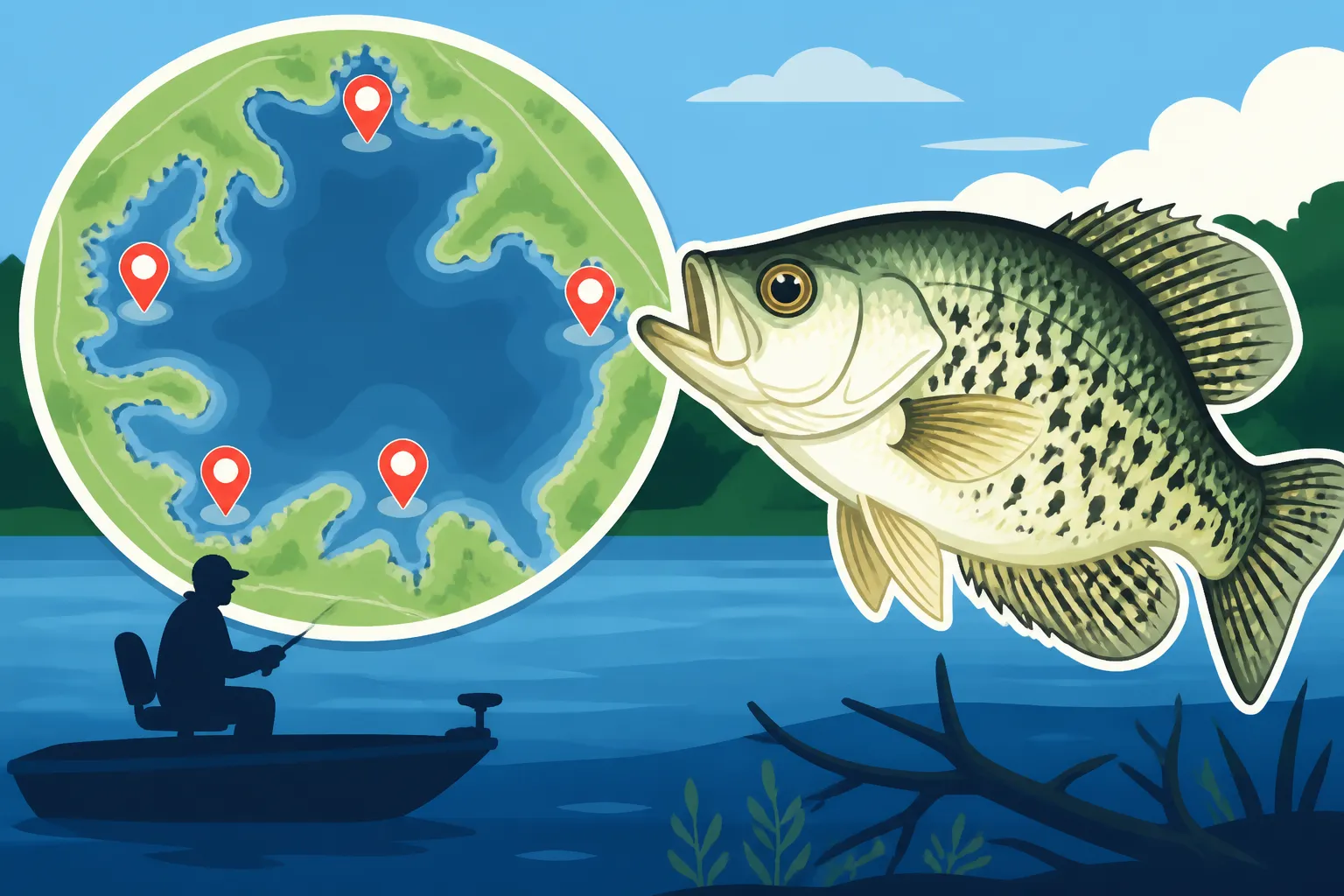
One of the biggest joys, and sometimes frustrations, of fishing a large, natural lake like Lake Wawasee is figuring out where the fish actually are. It's easy to feel overwhelmed by the sheer size of the water, especially when you're targeting a schooling fish like crappie that seem to move around constantly. This comprehensive guide will help you pinpoint the most productive crappie fishing spots on Lake Wawasee, offering strategies and tips to make your next outing a success.
Understanding Lake Wawasee for Crappie
Lake Wawasee, as Indiana's largest natural lake, presents a diverse and rich habitat for crappie. Its expansive waters, varying depths, and abundant vegetation create a complex environment that crappie thrive in, but it also means anglers need to understand the lake's unique characteristics to consistently find these delicious panfish.
Lake Wawasee's Unique Characteristics for Panfish
Lake Wawasee spans over 3,000 acres in Kosciusko County, boasting an impressive maximum depth of around 25 feet, though average depths are considerably shallower. Being a glacial lake, it has a varied bottom contour with shelves, drop-offs, and numerous pockets that create ideal ambush points for crappie. The lake is also interconnected with Syracuse Lake, allowing fish to move between the two bodies of water. This connectivity means that crappie populations can be quite dynamic, influencing where you might find them depending on the time of year and water conditions.
The lake's clear waters, particularly in the main basin, can be both a blessing and a curse. While it allows crappie to see your bait from a distance, it also means they can be more wary, especially on bright, sunny days. Anglers often find success focusing on areas with submerged vegetation, docks, and fallen timber, which offer crappie cover and protection from predators. Understanding the structure of Lake Wawasee is key to unlocking its crappie potential. For a deeper dive into the lake's overall features, you might want to check out our guide on Lake Wawasee: Indiana's Largest Natural Lake.
Crappie Behavior in Natural Glacial Lakes
Crappie in natural glacial lakes like Wawasee often exhibit different behaviors than those in reservoirs. They tend to be more structure-oriented, clinging to natural cover like weed lines, brush piles, and rock formations. Their schooling nature is also very pronounced; where you find one crappie, you're likely to find many more. This makes finding the school the hardest part, but once you do, the action can be fast and furious.
During different seasons, crappie will move between shallow and deeper water, primarily driven by water temperature and their spawning cycle. In spring, they seek out shallow, warmer waters for spawning. As summer progresses, they retreat to deeper, cooler areas, often suspended over structure. Understanding these seasonal movements is critical for consistent success. Knowing the Crappie Spawn Timing on Indiana Lakes can give you a significant advantage in spring. These behaviors are typical for many panfish species, making Lake Wawasee an excellent spot for general Indiana Panfish Guide: Crappie, Bluegill, and Sunfish.
Prime Crappie Fishing Hotspots on Lake Wawasee
Lake Wawasee offers a plethora of crappie fishing spots, each with its own charm and productivity depending on the season and time of day. Knowing where to start can feel like looking for a needle in a haystack, but certain areas consistently hold crappie due to their unique features.
Shallow Bays and Weed Beds for Spring Crappie
As the water temperatures begin to rise in early spring, crappie move into the shallower bays and areas rich with submerged vegetation to spawn. These spots offer warmer water, protection, and abundant food sources. One of the most productive areas is the upper basin of Lake Wawasee, particularly the shallow flats near Johnson Bay and Syracuse Channel. These areas warm up quickly and are often dense with weeds, drawing crappie in for their annual ritual. Look for docks that have been in the water all winter, as crappie will stage around them before moving even shallower.
Another excellent spot is the extensive weed beds found in Vawter Park and along the eastern shoreline. These areas provide ideal spawning grounds and plenty of cover. Anglers often find crappie holding tight to the edges of the weed lines or suspended just above them. Don't be afraid to target areas with fallen trees or brush piles that have accumulated over time, as these structures are crappie magnets. Early morning or late evening often provides the best bite in these shallow areas, especially as the sun gets higher and crappie seek shade.
Deep Water Structure and Drop-offs for Summer Crappie
When summer arrives and water temperatures soar, crappie in Lake Wawasee will often move to deeper, cooler waters. They'll typically suspend over structure, along drop-offs, or around deep weed lines. The main basin of Lake Wawasee, particularly around the deepest parts of the lake near the Wawasee Marina and the area north of Patio Bay, become prime targets. Here, you'll want to focus on submerged humps, ledges, and channels. Using a fish finder becomes invaluable for locating these suspended schools.
Another key area during the summer months is the deep channel that runs through the middle of the lake, especially where it intersects with submerged islands or humps. Crappie will often congregate along these underwater contours, seeking comfortable temperatures and ambush points for baitfish. Don't overlook the deep-water side of prominent points or the mouths of larger bays where they meet the main lake basin. These locations provide crappie with quick access to both shallow feeding grounds and deep refuge. For understanding general summer patterns, explore our article on How to Find Crappie in Summer.
Public Access Points and Piers
For those without a boat, Lake Wawasee still offers fantastic crappie fishing opportunities from public access points and piers. These locations often have natural or artificial structure nearby that attracts crappie. The pier at Wawasee Family Park is a popular spot, especially in spring and fall, as crappie move closer to shore. The park features fishing platforms that extend into the lake, giving anglers access to decent depths and weed beds.
Another excellent shoreline access point is the public fishing pier in Syracuse, located near the channel connecting to Syracuse Lake. This channel area can be incredibly productive, as crappie use it as a highway between the two lakes, particularly during migratory periods. Look for crappie to hold around the pilings and any submerged cover near these piers. You might also find productive spots along the public access areas around Oakwood Resort, though access might be more limited to guests. When planning a family trip, consider these kinds of spots, or other Family Fishing Spots on Indiana's Largest Natural Lake to ensure everyone has a good time. If you're looking for local guides to help you navigate these spots, online platforms like FishingBooker can connect you with experienced captains who know the lake inside and out.
Essential Techniques and Tips for Lake Wawasee Crappie
Catching crappie on Lake Wawasee often comes down to employing the right techniques and having a good understanding of what baits and lures to use. These panfish can be finicky, but with the right approach, you can fill your cooler.
Best Baits and Lures for Lake Wawasee Crappie
Crappie are notoriously attracted to small, subtle presentations. Live minnows are often considered the gold standard, especially when fished under a bobber or on a tight line. Their natural movement is hard for a crappie to resist. You can purchase live minnows at most bait shops around the lake. For artificial options, small jigs ranging from 1/32 to 1/16 ounce are incredibly effective. Colors like chartreuse, white, black/chartreuse, and pink are perennial favorites. Tipping these jigs with a small plastic body, such as a tube jig, grub, or a micro-swimbait, adds scent and action that can be irresistible.
Another highly effective lure is a crappie spoon or a small jigging rap. These can be particularly good in deeper water, allowing you to quickly get down to where the crappie are suspended. Don't forget the power of scent; adding a crappie-specific scent to your artificial baits can sometimes make all the difference, especially on days when the bite is tough. Always have a variety of colors and sizes on hand, as crappie preferences can change throughout the day and with different light conditions. For a broader look at tackle, our guide on Best Tackle for Crappie Fishing in Indiana can offer more insights.
Crappie Jigging and Tightlining Strategies
When fishing for crappie on Lake Wawasee, two techniques stand out: jigging and tightlining. Jigging involves vertically presenting a small jig or lure directly below your boat or from a pier. This is especially effective when you've located a school of crappie on your fish finder. A gentle up-and-down motion, often just a few inches, is all it takes to entice a bite. Experiment with different depths and jigging cadences until you find what the crappie respond to. Remember, crappie often hit on the fall, so pay close attention as your lure descends. Our Crappie Jigging Techniques for Beginners article offers a great starting point.
Tightlining, also known as spider rigging when done from a boat with multiple rods, involves suspending live minnows or jigs at precise depths. This method allows you to cover a wide range of depths or target a specific depth where you know crappie are holding. From shore, this often means casting out and slowly retrieving, or simply letting your bait sit at a known depth near structure. The key is to keep your line taut enough to feel those subtle crappie bites, which can sometimes feel like nothing more than a slight pressure or weight change. Learning Tightlining Techniques for Crappie can significantly improve your catch rate, particularly during slower periods.
Using Electronics for Crappie on Wawasee
In a large lake like Wawasee, electronics can be an absolute game-changer for crappie fishing. A good fish finder (sonar) with down imaging or side imaging capabilities allows you to scan the water column and identify schools of crappie, as well as the submerged structure they relate to. Look for "arches" or "dots" representing fish, often suspended at various depths, particularly in deeper water areas. Many modern units, even portable ones, offer impressive clarity and detail, helping you locate those elusive schools.
Once you've located a school, use your GPS to mark the exact spot. This way, if the school moves slightly or you drift off course, you can easily return. Some anglers even use spot-lock trolling motors to hold their boat precisely over a crappie school, maximizing their fishing time. Pay attention to the depth at which the crappie are holding and adjust your bait presentation accordingly. Without electronics, you're essentially fishing blind in much of Wawasee's open water, making it far more challenging to consistently find active fish. For those considering guided trips, many fishing charters on FishingBooker come equipped with advanced electronics, giving you a competitive edge.
| Crappie Fishing Location | Best Season | Typical Depth | Key Features | Recommended Baits/Lures |
|---|---|---|---|---|
| Johnson Bay / Syracuse Channel | Spring | 3-8 feet | Weed beds, docks, warm water | Small jigs, live minnows |
| Vawter Park Weed Lines | Spring, Fall | 4-10 feet | Dense vegetation, fallen timber | Tube jigs, grubs, minnows |
| Wawasee Marina Deep Water | Summer, Winter | 15-25 feet | Drop-offs, submerged humps | Jigging spoons, minnows |
| Main Lake Basin Channels | Summer, Fall | 10-20 feet | Underwater contours, structure | Micro-swimbaits, minnows |
| Wawasee Family Park Pier | Spring, Fall | 5-12 feet | Pier pilings, nearby weeds | Jigs under bobbers, minnows |
| Syracuse Public Pier | Spring, Fall | 6-15 feet | Channel current, bridge structure | Small jigs, minnows |
Seasonal Strategies for Crappie Success
Lake Wawasee's crappie action changes dramatically with the seasons. Adapting your approach based on the time of year is crucial for a productive outing.
Spring Spawning Crappie Tactics
Spring is arguably the most anticipated season for crappie anglers on Lake Wawasee. As water temperatures climb into the 55-65°F range, crappie move from their deeper wintering grounds into shallow bays and coves to spawn. This is when they are most accessible and aggressive. Focus your efforts in areas with abundant submerged vegetation, fallen trees, and docks in 3-8 feet of water. Johnson Bay, the shallow flats near Syracuse Channel, and the many smaller coves around the lake are prime examples.
Small jigs, often 1/32 to 1/16 ounce, fished under a sensitive bobber are incredibly effective. Tip them with a small plastic grub, tube, or a live minnow. The key is to present your bait slowly and precisely near cover. Crappie will often be concentrated, so once you catch one, cast back to the same spot. Early mornings and late afternoons are typically the most productive times, but on cloudy, overcast days, the bite can extend throughout the day. Remember that crappie will be very protective of their beds, so be patient and persistent.
Summer Deepwater and Night Fishing
Once the heat of summer sets in, Lake Wawasee's crappie move away from the baked shallows. They seek refuge in cooler, deeper waters, often suspending over structure or along sharp drop-offs in the main basin. This is where your fish finder truly shines, helping you locate schools that might be anywhere from 10 to 20 feet deep, or even deeper, depending on the thermocline. Focus on areas north of Patio Bay or the deep channels running through the lake. Trolling small crankbaits or vertically jigging heavier jigs and spoons can be effective.
Summer also opens up opportunities for night fishing, which can be incredibly productive for crappie on Wawasee. Crappie are attracted to light, so using submersible fishing lights can draw in baitfish, and subsequently, crappie. Anchor in a deeper spot, turn on your lights, and fish with live minnows or small jigs suspended at various depths. The calmer conditions and lack of boat traffic at night can make for a peaceful and rewarding fishing experience. For more on summertime tactics, delve into Best Lure Choices for Summer Fishing.
Fall Transition and Winter Ice Fishing
As fall approaches and water temperatures begin to drop, crappie will start to transition. They often move from their deep summer haunts back towards shallower cover, fattening up before winter. The edges of weed beds, deeper docks, and submerged brush piles in 8-15 feet of water become excellent targets. This period can see crappie become quite aggressive as they feed heavily. Try tightlining with minnows or casting small crankbaits and jigs. The fishing can be very good as the water cools, mimicking some of the spring patterns but in slightly deeper water.
Once winter truly sets in and Lake Wawasee freezes over, ice fishing for crappie becomes a popular pastime. Crappie will often congregate in deeper basins and suspended over structure. Using small ice jigs tipped with wax worms, spikes, or small minnows is the go-to technique. Look for subtle bites, as crappie can be very light biters in cold water. Popular ice fishing spots often mirror the deep summer locations, as crappie seek stable temperatures. Always exercise extreme caution on the ice and ensure it's safe before venturing out.
Disclaimer
The information provided in this guide is for general informational purposes only. Fishing conditions, regulations, and fish behavior can change. Always consult the latest Indiana Department of Natural Resources (DNR) fishing regulations before your trip. Exercise caution and practice responsible angling to ensure the sustainability of Lake Wawasee's crappie population.